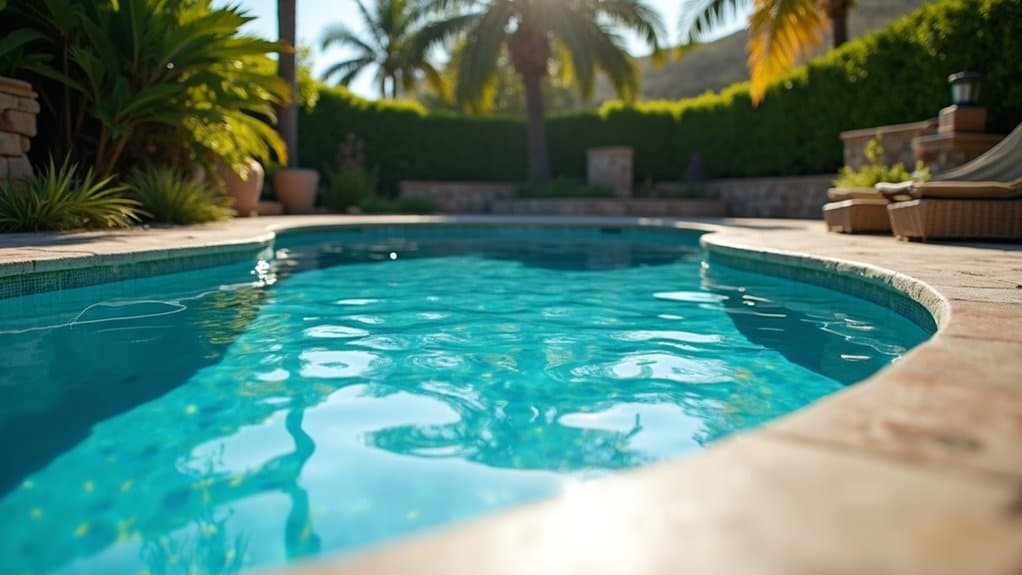
Gunite pool pros and cons come down to a clear trade-off. You get exceptional durability, lasting up to 50 years, plus unlimited customization for any shape, finish, or feature you want. But you’ll pay $50,000 to $100,000 upfront, wait 3 to 6 months for installation, and commit to hands-on maintenance. The porous plaster surface demands regular brushing, precise chemistry balancing, and resurfacing every 7 to 10 years. Cracking and saltwater erosion stay persistent risks. Weighing these trade-offs carefully will help you decide what’s right.
Key Takeaways
- Gunite pools offer exceptional durability, lasting up to 50 years, with unlimited customization for shape, finishes, and add-on features.
- Upfront costs are high, ranging from $50,000 to $100,000, plus around $10,000 for finish application.
- Installation takes about 3 to 6 months, far longer than vinyl and fiberglass pools that finish in weeks.
- Porous plaster surfaces promote algae and staining, requiring regular brushing, higher chemical usage, and precise water chemistry monitoring.
- Drawbacks include persistent cracking risk, saltwater incompatibility, difficult heating and repairs, and resurfacing needed every 7 to 10 years.
What are the main pros and cons of a gunite pool
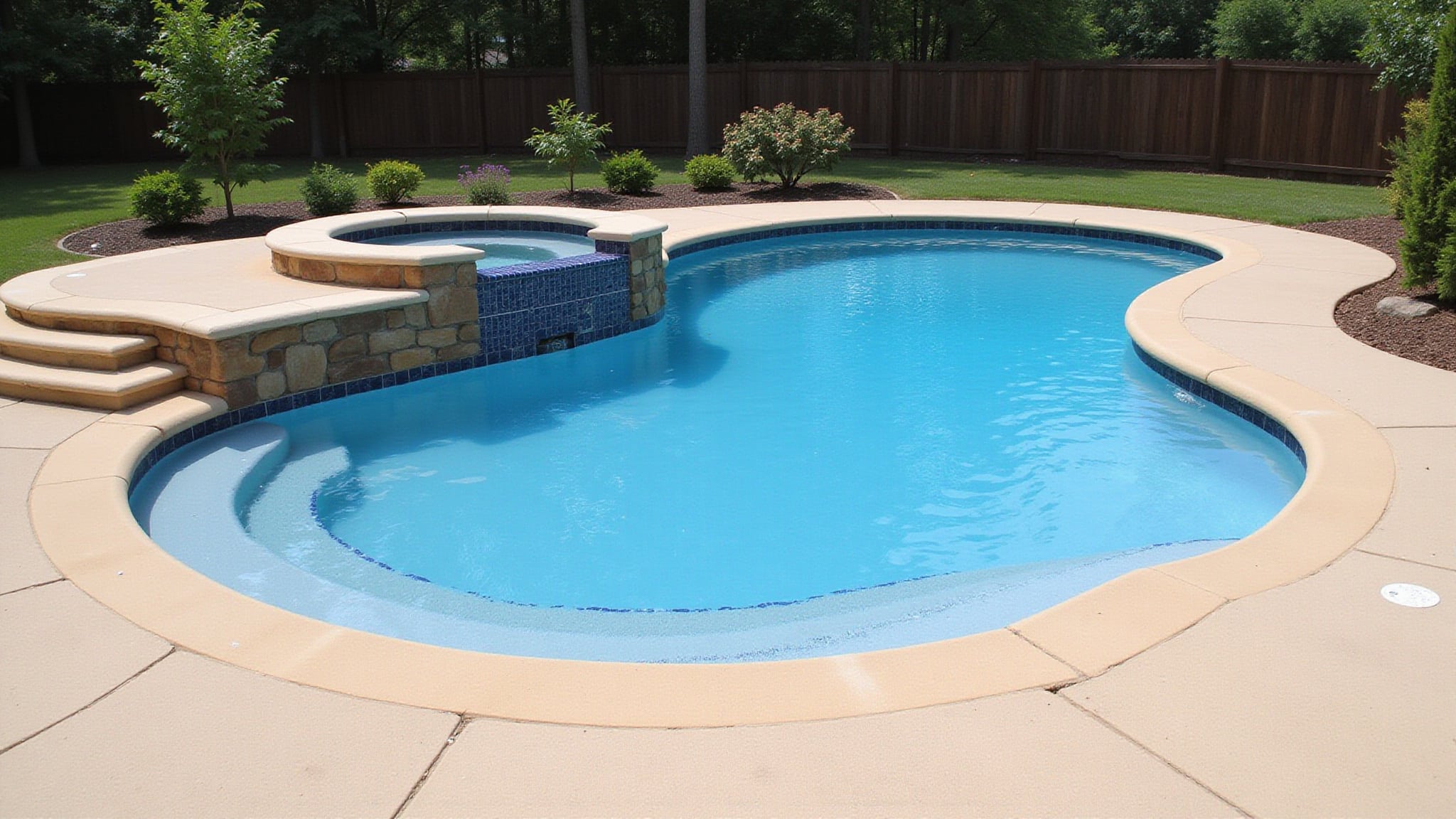
The main pros of a gunite pool are exceptional durability and design freedom, while the main cons are steep costs and demanding upkeep. Among the advantages of gunite, you’ll get a structure that lasts 50 years, reinforced with rebar spaced roughly 10 inches apart, plus unlimited customization, any shape, color, or feature like sundecks, waterfalls, and infinity edges. The disadvantages of gunite hit your budget and schedule: expect $50,000 to $100,000 upfront, an extra $10,000 for finish, and a 3 to 6 month installation. You’ll also face porous surfaces that promote algae, higher chemical usage, resurfacing every 7 to 10 years, and incompatibility with saltwater systems, since salt erodes concrete over time. Cracking remains a persistent risk.
What are the advantages of a gunite pool
A gunite pool delivers long-term value where it counts: structure and design. You’re investing in a concrete pool built to last 50 years with proper maintenance, reinforced by metal rebar spaced roughly 10 inches apart between concrete walls. That framework makes the structure exceptionally strong and durable, especially in warm climates.
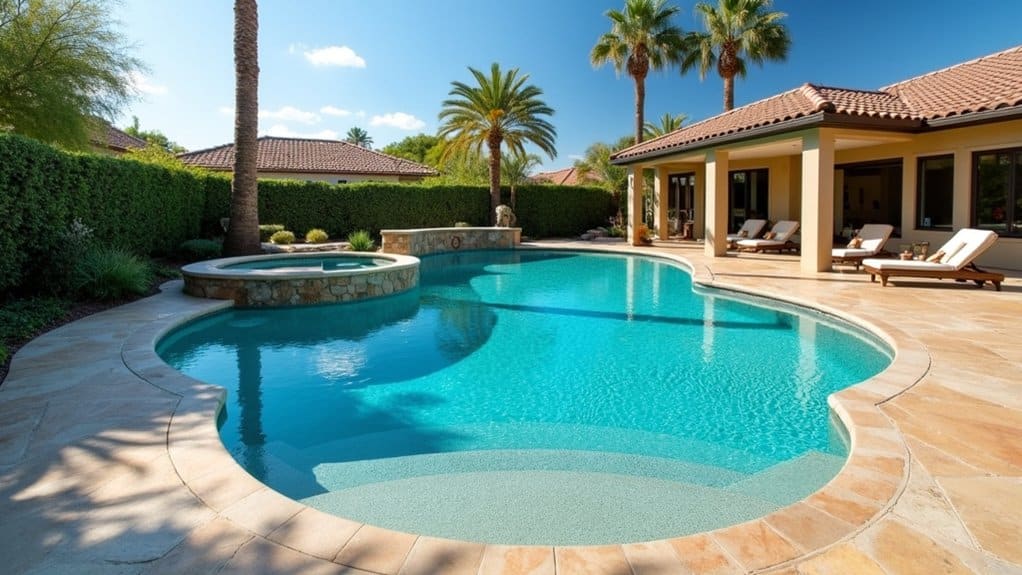
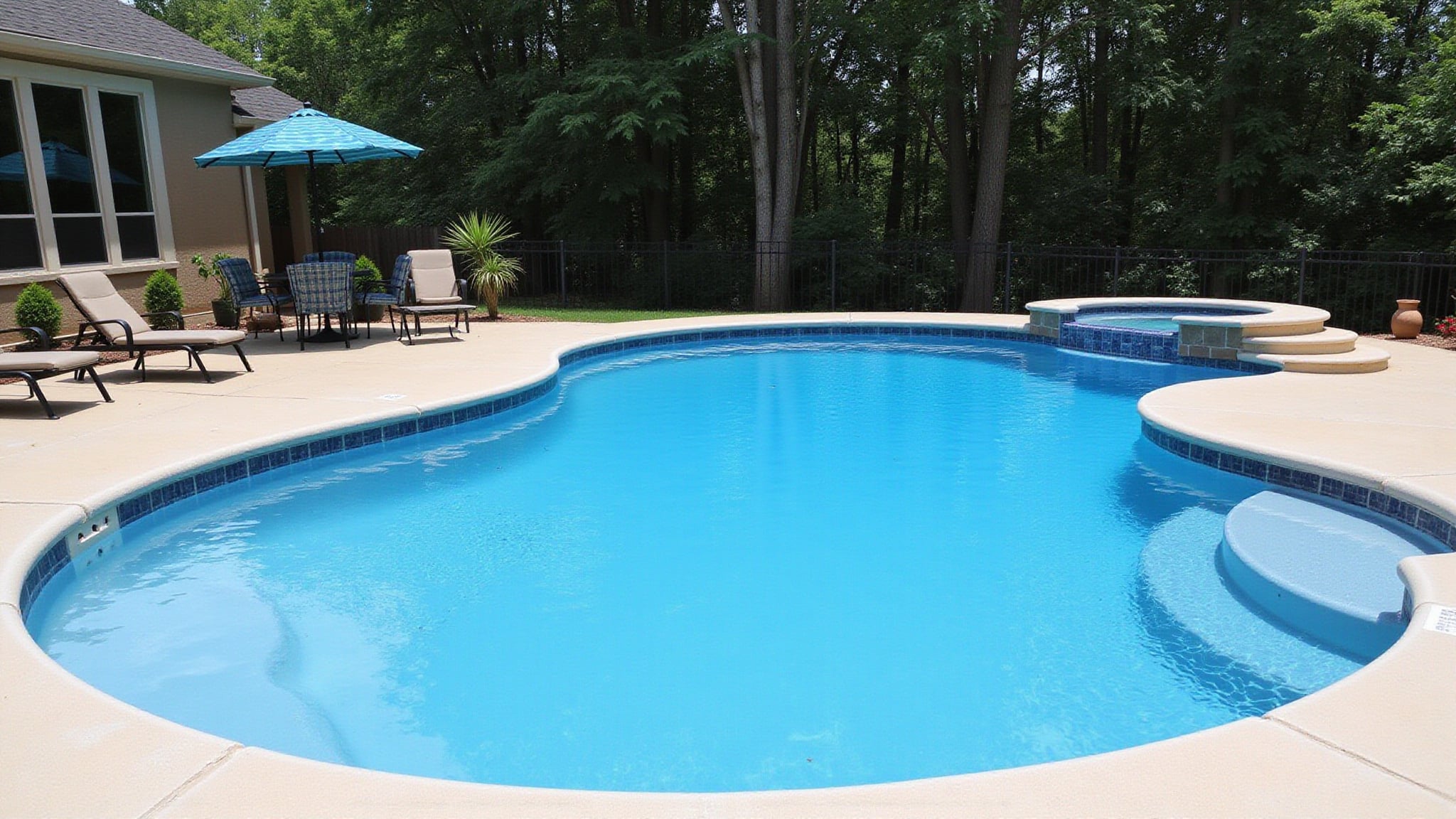
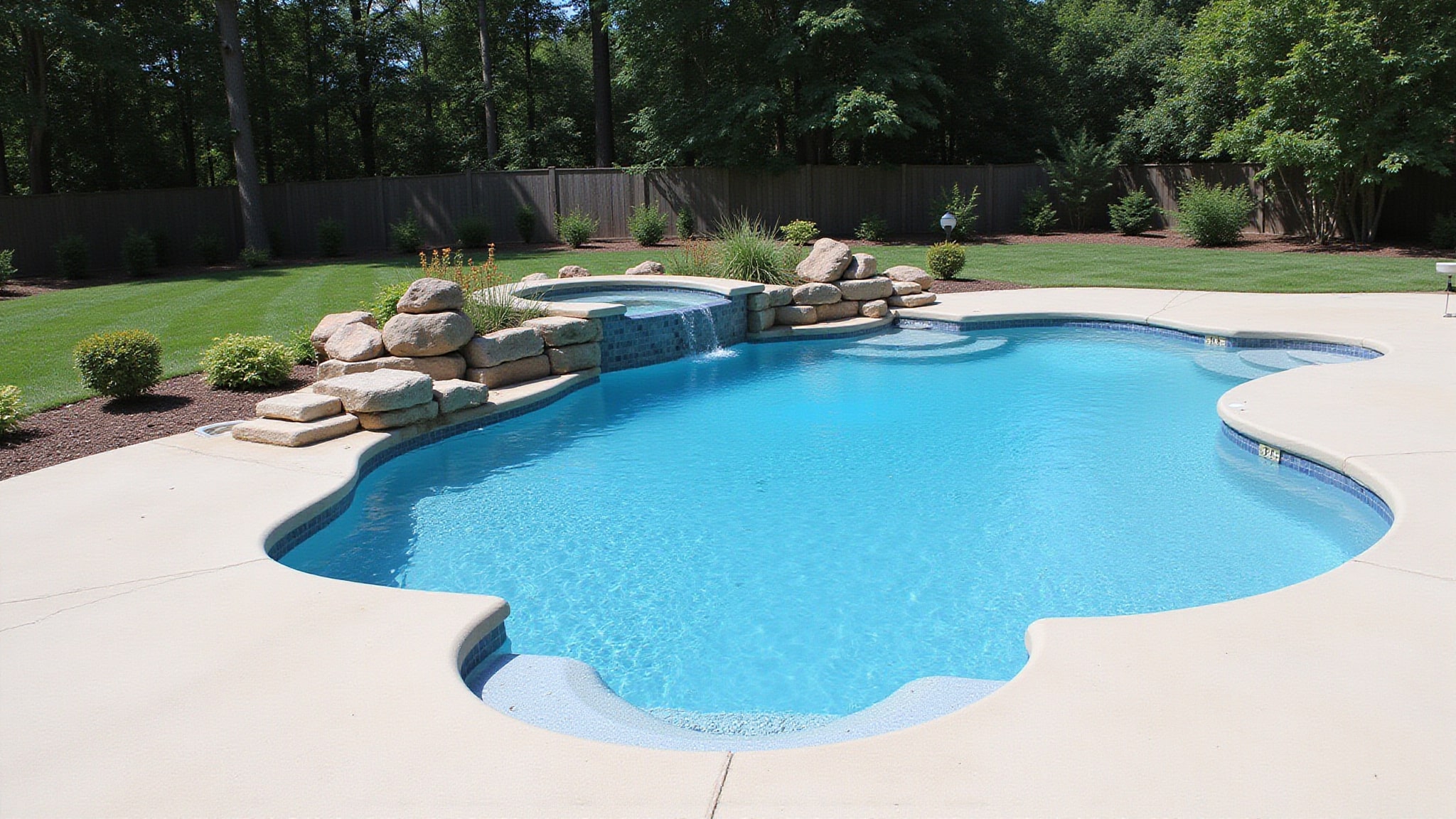
Design flexibility is where you’ll see the real payoff. You can achieve any shape, configuration, or color you want, incorporating sundecks, boulders, waterfalls, infinity edges, and water fountains. Finish options include paint, plaster, tile, marble dust, or pebble applications, so your dimensions and depths stay entirely custom.
What are the disadvantages of a gunite pool
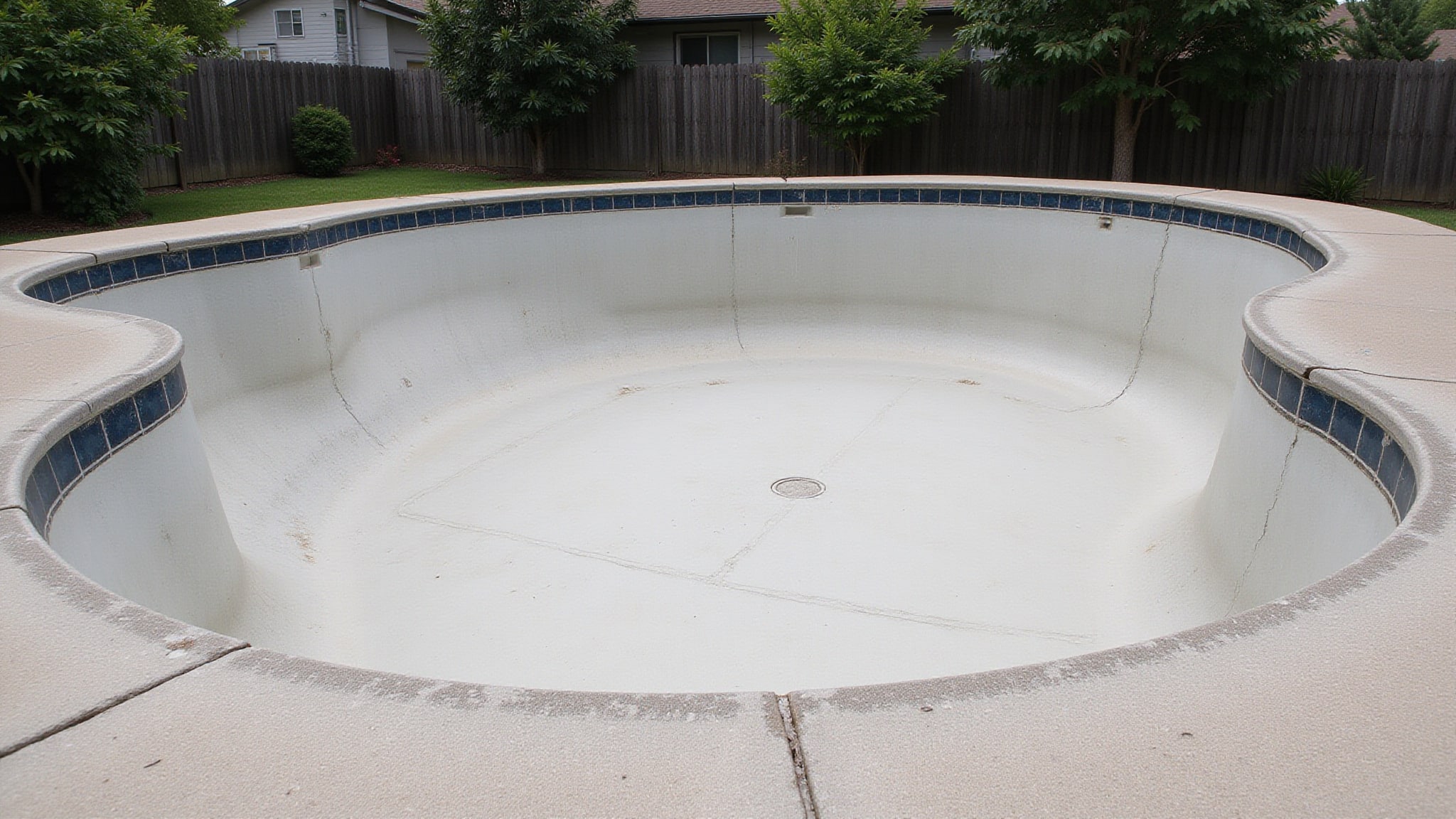
Gunite pools carry several disadvantages, starting with a price tag that’s hard to ignore: they run $50,000 to $100,000 for standard sizes, substantially more than vinyl liner or fiberglass options, plus another $10,000 for the finish application over the gunite layer. You’ll also wait 3 to 6 months for installation, with crews on-site for a third of the year and plaster curing up to 30 days. Maintenance is demanding too. The porous surface promotes algae and staining, so you’ll brush regularly, use more chemicals, and monitor pH and chlorine precisely. Expect resurfacing every 7 to 10 years. Concrete cracks are a real risk, saltwater erodes the surface, heating’s difficult due to material density, and underground plumbing makes repairs expensive and hard to access.
How does a gunite pool compare to other pool types
A gunite pool costs more and takes longer to build than vinyl liner and fiberglass pools, but it outlasts and out-customizes both. You’ll pay $50,000 to $100,000 upfront, far more than either alternative. Installation runs 3 to 6 months, while vinyl and fiberglass finish in weeks. What you gain is a 50-year lifespan and unlimited design freedom, any shape, depth, or finish you want.
| Factor | Gunite Advantage/Disadvantage |
|---|---|
| Cost | Higher; $50,000 to $100,000 upfront |
| Timeline | Slower; 3 to 6 months vs. weeks |
| Lifespan | Longer; up to 50 years |
| Customization | Superior; any shape or finish |
You’ll trade speed and budget for durability and versatility. If saltwater compatibility matters, though, fiberglass wins. Salt erodes concrete, ruling gunite out entirely.
How much maintenance does a gunite pool need
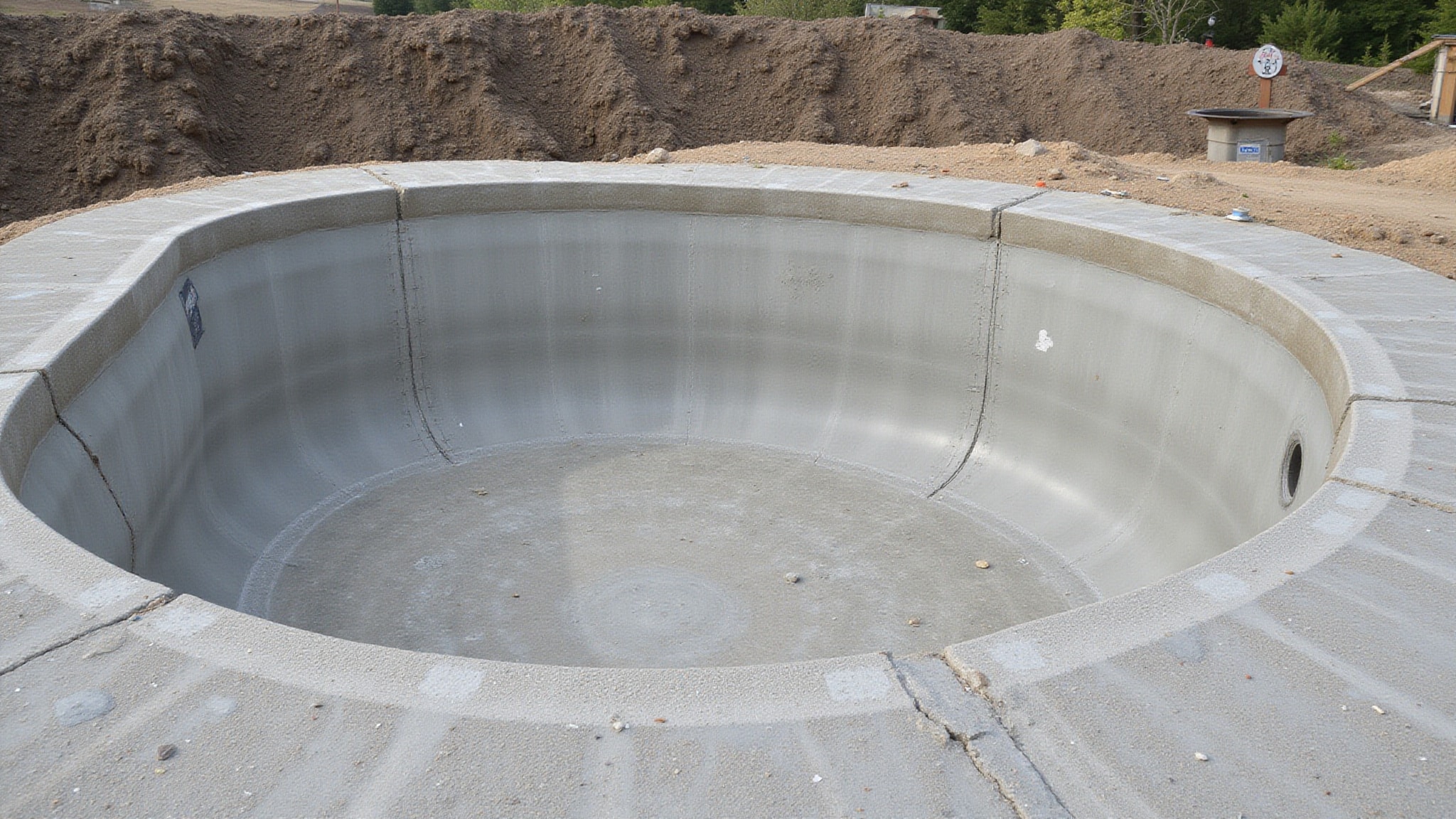
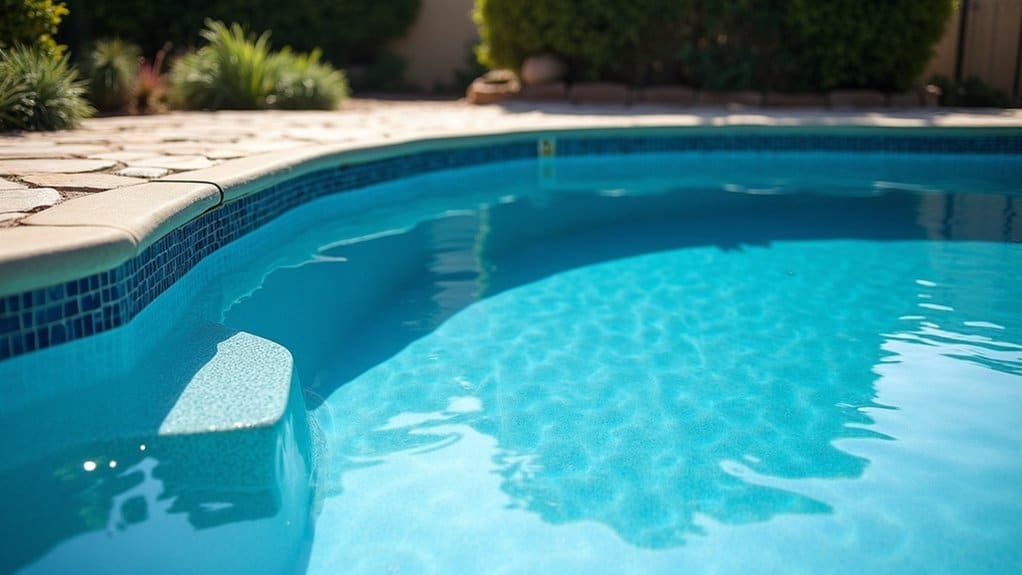
A gunite pool needs consistent, hands-on maintenance because its plaster surface is porous, costing you more time and money than vinyl or fiberglass. That porosity invites algae growth and staining, so you’ll need to brush the plaster regularly to keep buildup from taking hold. Expect higher chemical usage too, since porous surfaces consume more product to keep water clean. You’ll monitor pH and chlorine levels precisely, balancing them to protect both water quality and the finish. Beyond routine care, plan for resurfacing every 7 to 10 years to maintain structural integrity, a recurring expense you can’t skip. Add in ongoing surface maintenance between those cycles, and you’re looking at a pool that demands consistent attention. Stay disciplined with brushing and chemistry, and you’ll extend its lifespan considerably.
Is a gunite pool worth it
A gunite pool is worth it if you value unlimited design freedom and 50-year durability over lower upfront cost and easier upkeep. You’ll pay $50,000 to $100,000 upfront, plus $10,000 for finish application, and wait 3 to 6 months for completion. In return, you get a structure that lasts 50 years with any shape, depth, or feature you want. Weigh these factors before committing:
- Budget tolerance: Can you absorb costs exceeding vinyl and fiberglass materially, plus resurfacing every 7 to 10 years?
- Maintenance commitment: Are you prepared for regular brushing, higher chemical usage, and precise pH monitoring?
- Climate: Do you live in a warm region where durability peaks?
- Design priorities: Do custom features justify the investment?
Conclusion
Read the list of drawbacks honestly and most of them are manageable rather than disqualifying. The cost and the wait are real, and nothing changes that. The upkeep is real too, but it is routine work that can be handed to someone else. What sits on the other side is a structure shaped to your property that will still be there in fifty years, which no moulded shell can offer. Cristallo Pools builds custom gunite across South Florida and maintains them afterwards, so the two sides of this decision can be handled by the same team.
Weighing the Pros and Cons of a Gunite Pool
Gunite pools offer unmatched design freedom and long-term durability, but they come with a higher upfront cost, a longer build, and more hands-on maintenance than some alternatives. How much those drawbacks matter depends heavily on workmanship and on whether you plan for upkeep from the start. In a climate like South Florida’s, where a pool gets used year-round, the advantages usually outweigh the trade-offs. Talking through your property and priorities with a builder is the best way to decide if gunite is the right fit.
Call Today and Design a Pool Made for You
Gunite pools stand out for durability, flexibility, and true custom design, all backed by decades of construction experience. At Cristallo Pools in Boynton Beach, FL, our skilled team delivers dependable New Pool Construction built around your lifestyle and outdoor space. Call +1 (561) 766-0353 today and turn your backyard into a private retreat.
Frequently Asked Questions
Is the maintenance burden something an owner has to take on personally?
Not if you would rather not. Routine tasks like brushing, chemistry, and equipment checks can be handled through a professional maintenance service. Many owners hand off the upkeep entirely, which keeps the pool in good shape without the weekly effort.
Does the long build time mean dealing with several contractors in sequence?
Not with a full-service builder. When one team handles the pool, deck, and surrounds from start to finish, you deal with a single point of contact rather than coordinating separate trades. That tends to make the longer build far smoother to manage.
Does South Florida’s climate work in favor of a gunite pool?
Yes. A long, warm swim season means the pool gets used far more than in colder regions, which makes the investment easier to justify. The main climate considerations are sun, salt air, and rain, which quality construction and regular care handle well.
How much does workmanship affect whether the drawbacks show up?
A great deal. Many of the downsides people associate with gunite, like cracking or a short-lived finish, trace back to poor construction rather than the material. A well-built pool from an experienced team is far less likely to show those problems.
Can I discuss whether gunite suits my property before committing to anything?
Yes. A consultation lets a builder review your yard, budget, and goals and give an honest view of whether gunite is the right choice. It is a normal first step, and it helps you weigh the pros and cons for your specific situation.
Does the customization advantage extend past the pool itself?
Definitely. The same design freedom that shapes the pool applies to the spa, decking, lighting, landscaping, and features, so the whole backyard can be tailored as one space. That flexibility is one of the biggest reasons owners choose gunite.
What happens when the finish reaches the end of its life?
The pool is resurfaced rather than replaced. Interior finishes wear over the years, and resurfacing renews the surface without touching the structural shell. It refreshes the look and extends the pool’s life for a fraction of the cost of a new build.