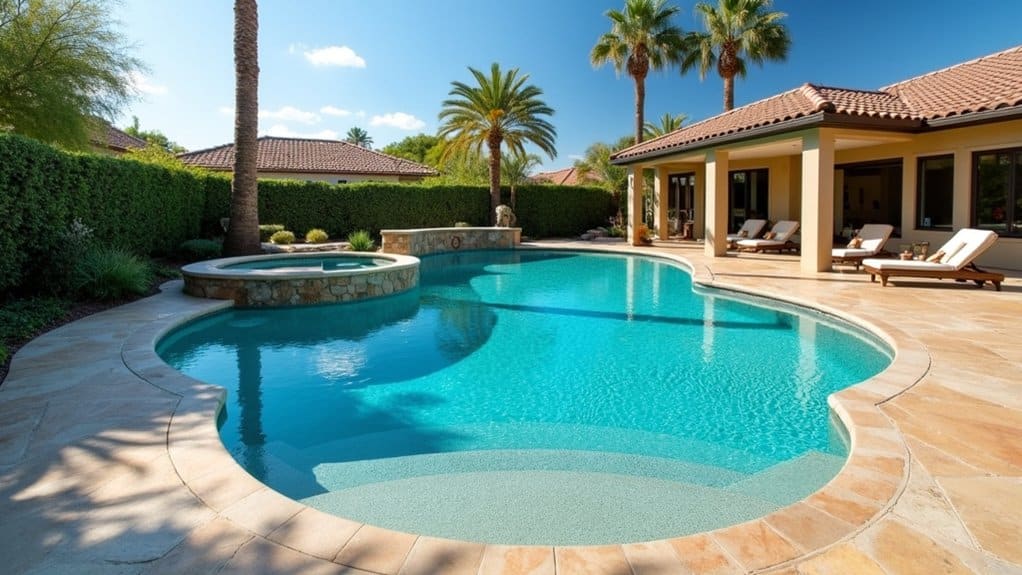
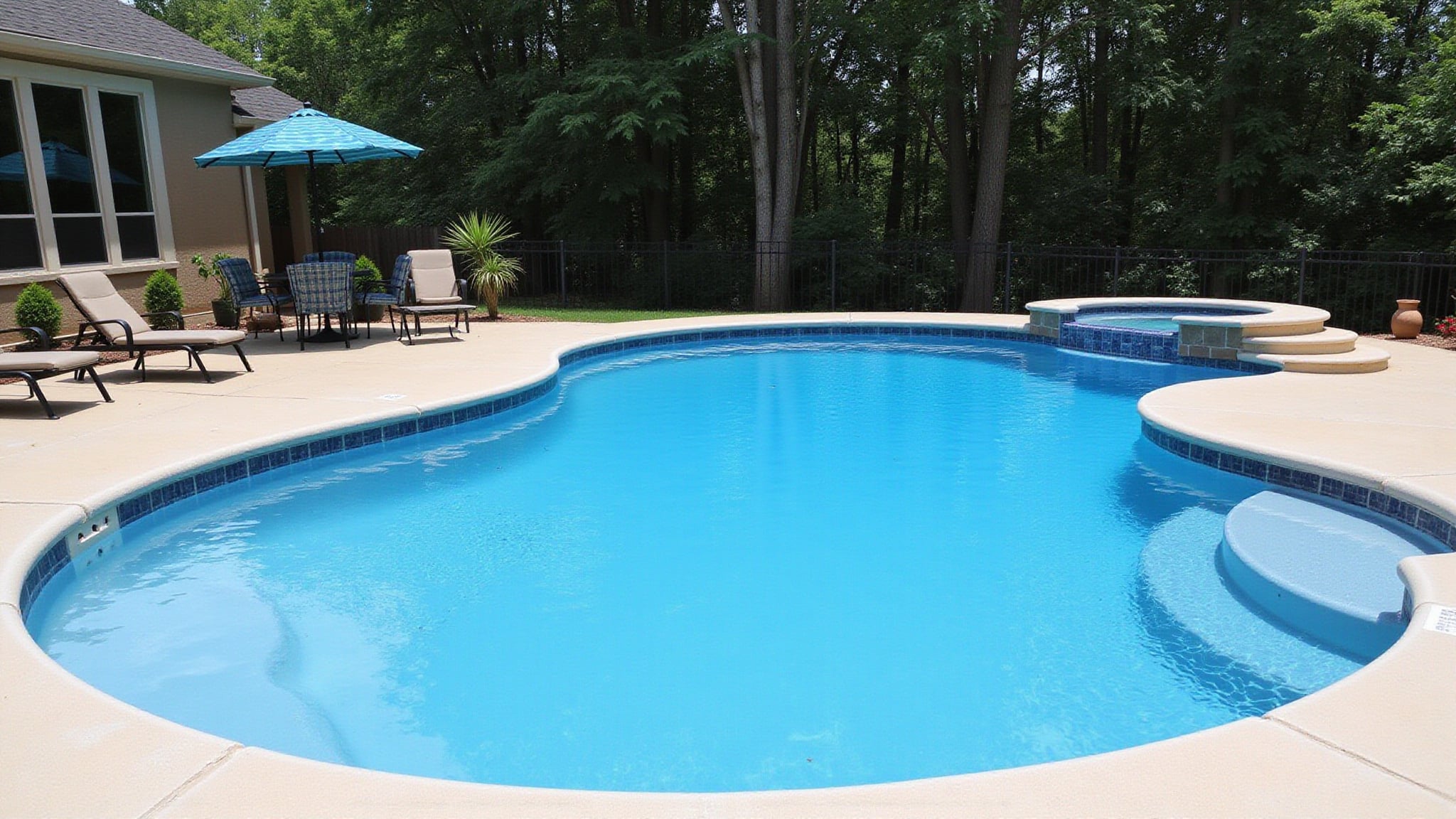
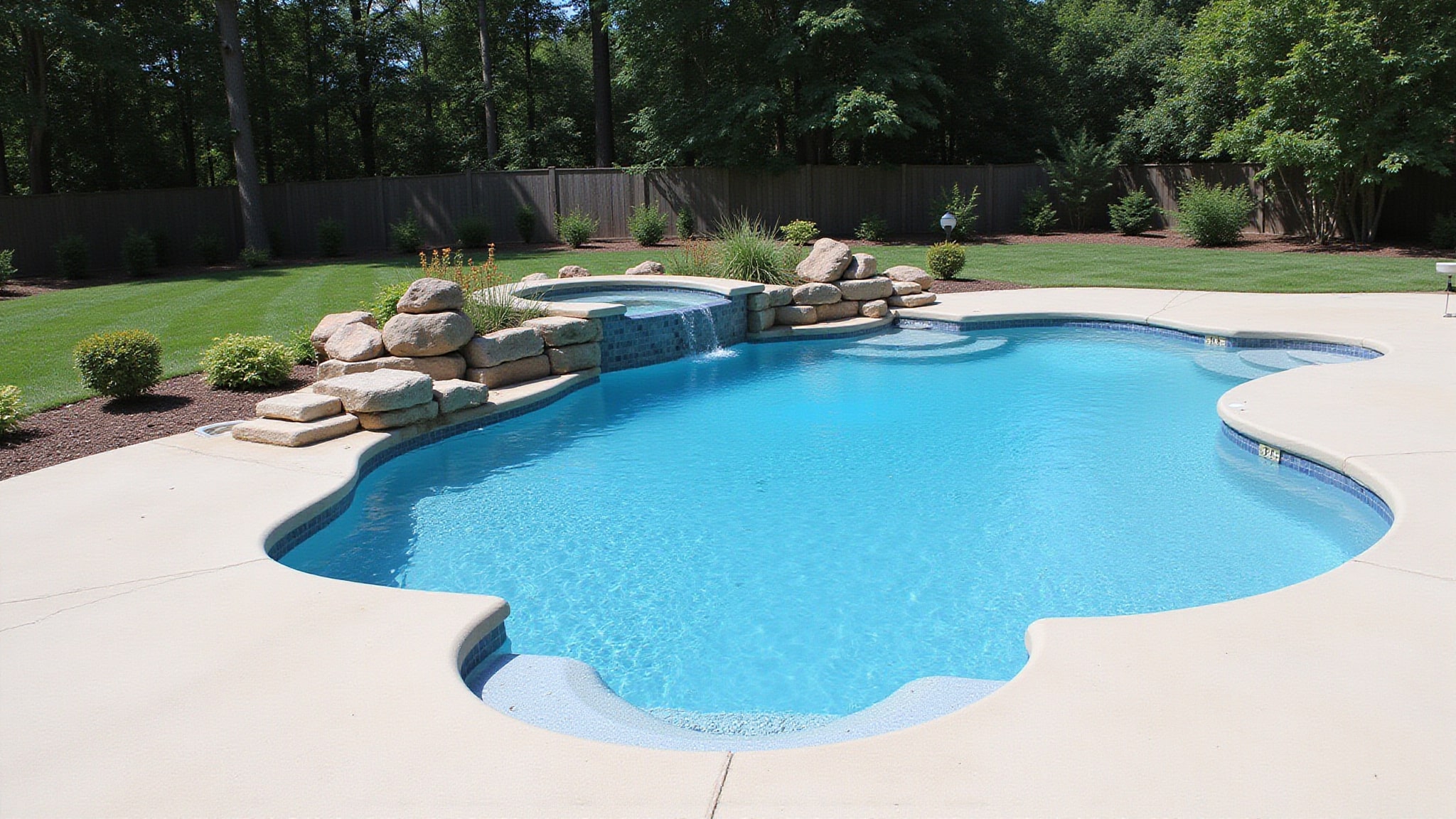
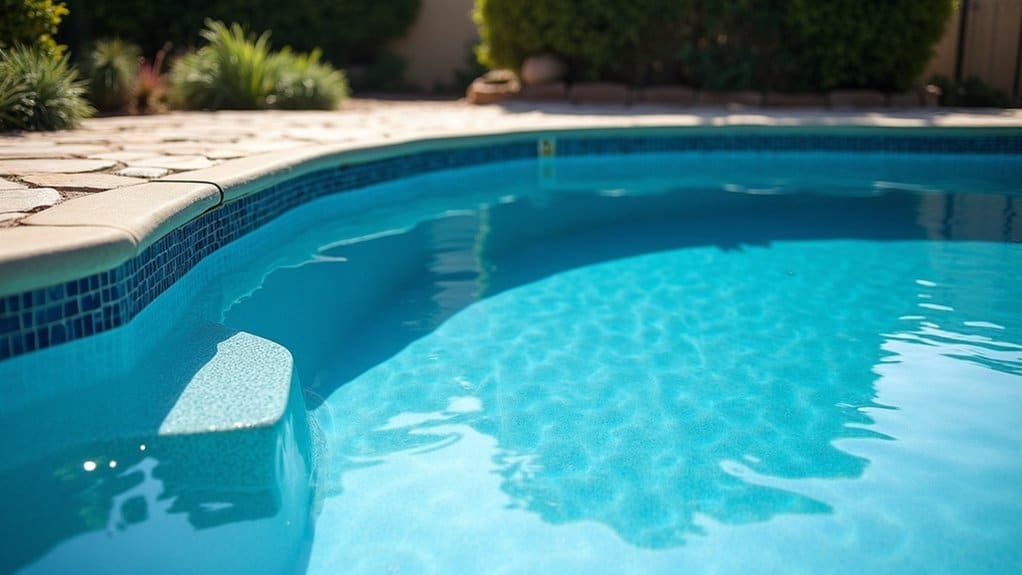
Gunite pools last 50 years or more when well maintained, outliving fiberglass (20 to 30 years) and every other material you’ll find. The gunite shell itself supports 50+ years, but you’ll resurface finishes periodically: plaster every 7 to 15 years, quartz 10 to 15 years, pebble 15 to 25 years, and tile 20+ years. Construction quality, finish type, freeze-thaw cycles, and maintenance diligence all determine your pool’s true longevity. Understanding these factors helps you maximize every year your gunite pool delivers.
Key Takeaways
- A well-maintained gunite pool can last 50 years or more, with some reaching 100 years, making gunite the longest-lasting pool material.
- The gunite shell lasts 50+ years, but surface finishes wear faster: plaster (7 to 15 years), quartz (10 to 15 years), pebble (15 to 25 years), and tile (20+ years).
- Lifespan depends on construction quality, finish type, weather conditions like freeze-thaw cycles, and consistent maintenance.
- Resurfacing is needed periodically, with plaster every 7 to 15 years, quartz every 10 to 15 years, pebble every 15 to 25 years, and tile after 20+ years.
- Extend lifespan through weekly water testing, weekly brushing, and seasonal inspections that catch cracks, flaking surfaces, loose tile, or persistent water loss early.
How long do gunite pools last
A well-maintained gunite pool can last 50 years or more, with some reaching 100 years under proper care. Professional pool builders typically cite a consensus of 30 to 50 years, though the gunite pool lifespan depends heavily on construction quality, finish type, and maintenance diligence.
Gunite ranks as the longest-lasting material available for pool construction. The shell structure alone supports 50+ years of durability, compared to 20 to 30 years for fiberglass. That extended concrete pool life comes from the gunite shell maintaining structural integrity without failure for decades.
Keep in mind that individual components wear differently, so no single true average applies. With freeze-thaw protection and consistent chemical balance, you’ll maximize your pool’s structural longevity substantially.
What is the lifespan of a gunite pool shell versus its finish
A gunite pool shell lasts 50+ years, while its finish lasts only 7 to 25 years depending on the material. The gunite shell delivers exceptional pool durability, maintaining structural integrity for 50+ years without failure. Your finish, however, wears far faster and demands periodic resurfacing to preserve appearance and protect the shell beneath.
| Component | Lifespan |
|---|---|
| Gunite Shell | 50+ years |
| Plaster Finish | 7 to 15 years |
| Quartz Finish | 10 to 15 years |
| Pebble Finish | 15 to 25 years |
You’ll typically resurface plaster every 7 to 15 years, while premium pebble finishes stretch that interval to 25 years, reducing labor and cost over time. Recognizing this disparity lets you plan resurfacing cycles strategically, protecting your shell’s longevity and maximizing your investment across decades of reliable service.
What affects how long a gunite pool lasts
Several variables determine whether your gunite pool reaches 50 years or stretches past a century. Construction quality sets the baseline. Skilled professionals build shells that resist structural failure for decades. Beyond that foundation, your ongoing decisions dictate longevity.
A century-old gunite pool isn’t luck, it’s the sum of expert construction and the choices you make afterward.
Consider these four critical factors:
- Construction quality: Expert workmanship ensures a solid, crack-resistant structure from day one.
- Surface finish type: Quartz, pebble, or tile finishes affect resurfacing frequency and overall durability.
- Weather conditions: Freeze-thaw cycles stress materials, so proper winterization prevents premature damage.
- Maintenance diligence: Weekly brushing, water testing, and balanced chemistry protect surfaces and structural components.
You can’t rely on a single average. Design variability and your upkeep commitment ultimately define your pool’s true lifespan.
How often does a gunite pool need resurfacing
A gunite pool needs resurfacing every 10 to 15 years for standard plaster, though some sources recommend a tighter 7 to 10 year cycle for excellent performance. If you’ve upgraded to a quartz finish, you’ll extend that interval to 10 to 15 years while gaining improved durability. Pebble finishes push resurfacing out to 15 to 25 years, greatly reducing how often you’ll refinish. Tile finishes deliver 20+ years before replacement becomes necessary. Beyond finish type, your maintenance diligence directly affects timing. Consistent chemical balance, weekly brushing, and acid washing every four years preserve surface integrity and delay resurfacing. Expect each resurfacing event to cost $6,000 to $15,000, so selecting a longer-lasting finish reduces your lifetime refinishing expenses considerably.
How can you extend the life of a gunite pool
Extend the life of a gunite pool through disciplined maintenance and smart material choices. Your shell can outlast 50 years, but only if you manage surface finishes, water chemistry, and structural stressors proactively. Prioritize consistent care over reactive repairs to preserve both aesthetics and integrity.
A gunite shell can last 50 years, but only if proactive care replaces reactive repairs.
- Test water weekly, maintaining balanced pH, chlorine, and alkalinity to prevent surface etching and staining.
- Brush walls and floors weekly, eliminating algae buildup before it damages plaster or embeds in tile grout.
- Choose durable finishes like pebble (15 to 25 years) or tile (20+ years) to reduce resurfacing frequency.
- Schedule seasonal inspections with professionals, identifying leaks or wear early before they compromise the shell.
Winterize properly against freeze-thaw cycles, and acid wash roughly every four years to sustain performance.
What are the signs a gunite pool needs repair
Your gunite pool needs repair when you notice surface cracks in the plaster finish, which signal deterioration beyond the typical 7 to 15 year resurfacing window. Rough or flaking surfaces indicate your finish has worn past its lifespan and needs attention. Inspect tile work for loose, missing, or cracked pieces, especially after 10 to 20 years of service. Persistent water loss beyond normal evaporation points to structural leaks in the shell or plumbing. Watch for staining, discoloration, or algae that resists weekly brushing, signaling chemical imbalance or surface damage. Check decking for cracks or heaving, common after freeze-thaw cycles. Monitor equipment, pumps, filters, and heaters, for reduced performance past their 5 to 15 year range. Schedule professional inspections each season to catch wear and leaks early.
Conclusion
Fifty years is the headline number, but it is conditional. It assumes the shell was built properly in the first place and that someone stayed on top of water chemistry and surfaces for decades afterward. The first condition is settled the day the gunite goes on and cannot be corrected later. The second is a matter of habit. Cristallo Pools covers both, building custom gunite shells across South Florida and offering concierge maintenance for owners who would rather have the upkeep handled properly than discover a problem when it is already expensive.
How to Make a Gunite Pool Last
A well-built gunite pool can last for decades, and how long it stays in good shape comes down to construction quality and consistent upkeep. Routine maintenance, timely resurfacing, and attention to local wear factors like strong sun and salt air all extend its life. Even a pool that is decades old can often be renovated rather than replaced, and the surrounding deck and finishes can be renewed at the same time. Regular care is what protects the investment over the long run.
Call Today and Design a Pool Made for You
Gunite pools stand out for durability, flexibility, and true custom design, all backed by decades of construction experience. At Cristallo Pools in Palm Beach Gardens, FL, our skilled team delivers dependable New Pool Construction built around your lifestyle and outdoor space. Call +1 (561) 766-0353 today and turn your backyard into a private retreat.
Frequently Asked Questions
Will a builder service a pool it did not build?
Many builders offer maintenance and repair services for existing pools, not just ones they built. This is useful if you have inherited a pool or want to switch providers. It is worth confirming a company services outside pools before assuming they only maintain their own.
What does a maintenance service actually cover?
The routine care that keeps a gunite pool lasting, including water chemistry balancing, cleaning, and equipment checks, carried out on a regular schedule rather than only when something goes wrong. Consistent servicing catches small issues early and protects the finish and equipment over time.
Can an older gunite pool be resurfaced?
Yes. Resurfacing is a standard part of owning a gunite pool, since interior finishes wear over the years. It restores the surface without rebuilding the shell, which extends the pool’s life and refreshes its look for far less than a replacement.
My pool is decades old. Is it too late to renovate rather than replace?
Usually not. If the shell is structurally sound, even a decades-old pool can often be renovated with a new finish, updated tile and coping, and modern equipment. A builder can assess the structure and tell you whether renovation or replacement makes more sense.
Which wear factors matter most for pools in South Florida?
Strong year-round sun, salt air near the coast, heavy rain, and constant use are the main factors here, rather than the freeze-thaw damage seen in colder regions. Accounting for these with quality finishes and regular care is what keeps a South Florida pool lasting.
How can I judge whether a builder’s shells hold up over time?
Look at older completed projects, ask how long the company has been building, and check reviews and any warranty. A builder with pools that have lasted well for years, plus proper licensing, is a strong sign the shells are built to hold up.
Can the decking and surrounds be renewed alongside the pool?
Yes, and it often makes sense to do both together. Renewing the deck, tile, and landscaping at the same time as resurfacing keeps the whole space cohesive and can be more efficient than tackling each piece separately.