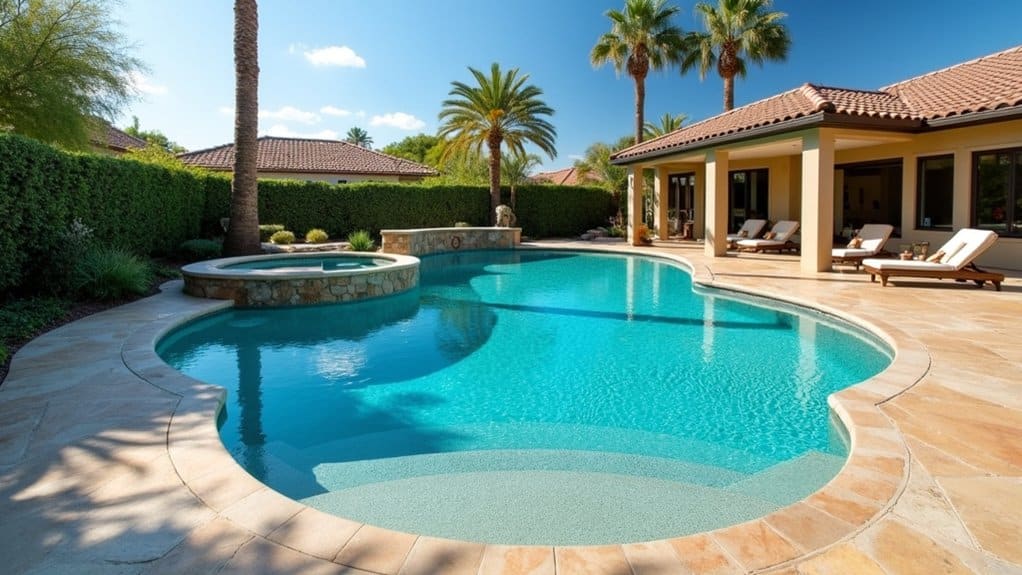
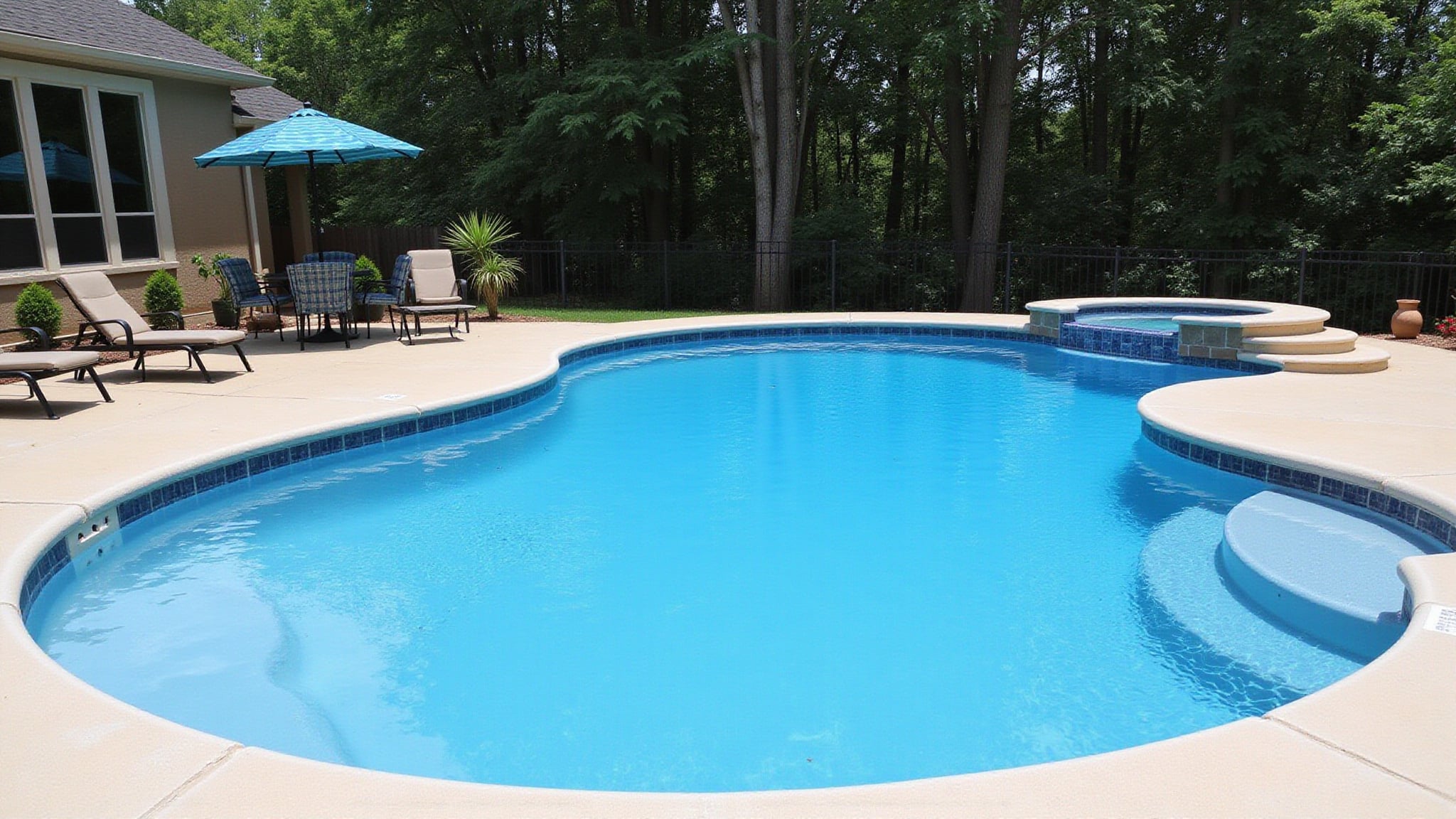
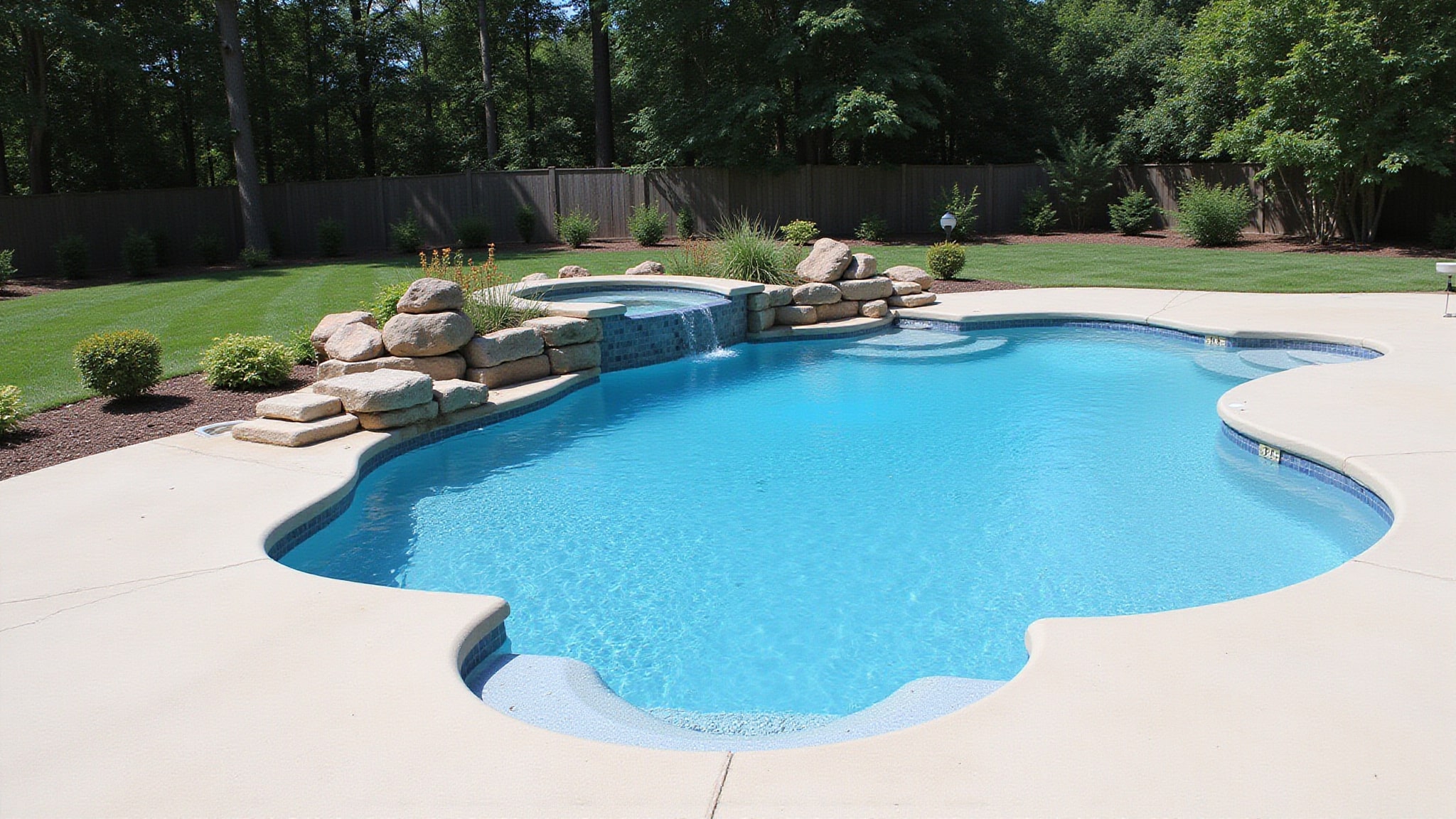
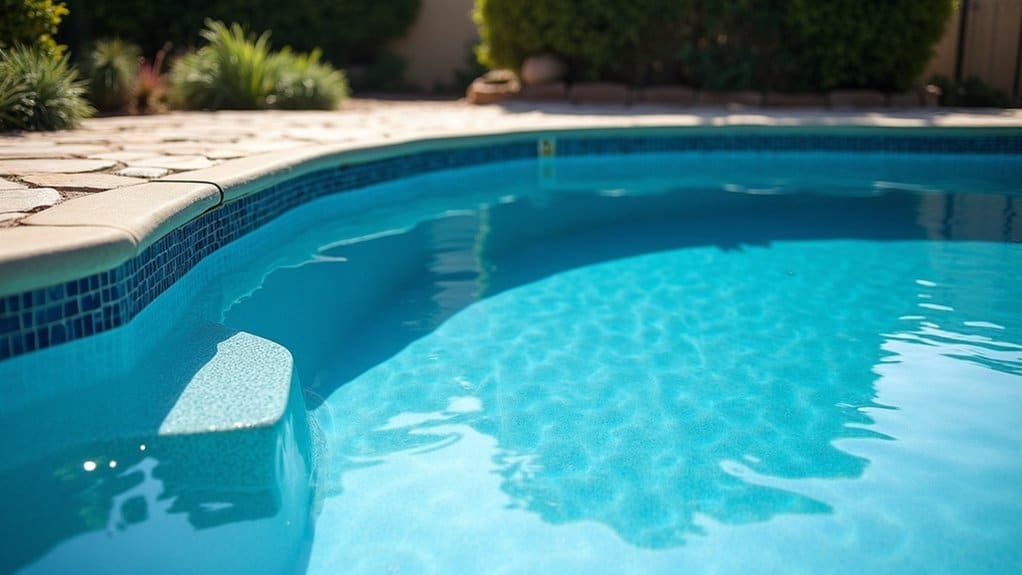
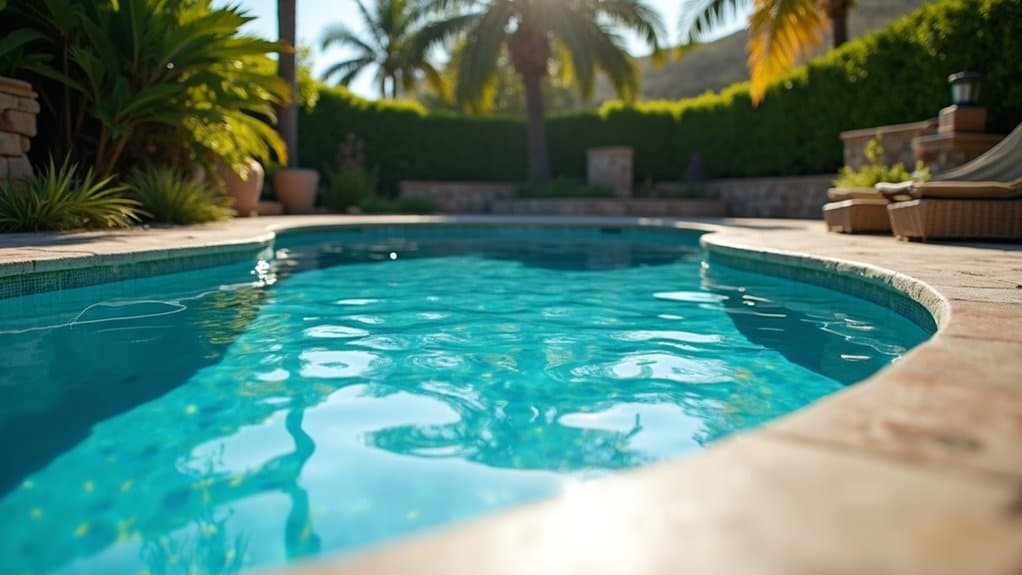
You’ll turn your backyard into a luxury escape with premium materials like travertine and slate, chosen for their slip-resistant, timeless appeal. Pair stone edges with poured concrete and warm wood accents to define distinct zones. Favor travertine’s cool surface for lounging comfort, and add organic shapes and integrated lighting for that “wow factor.” Balance upfront cost against long-term upkeep to protect your investment. Keep going to see how each material stacks up.
Key Takeaways
- Premium materials like travertine and slate create a timeless, resort-style look with slip-resistant surfaces for wet-zone safety.
- Travertine stays remarkably cool underfoot, while slate absorbs heat and works best on shaded borders or accent edges.
- Organic shapes, mixed stone edges, concrete, and wood accents define distinct zones for an authentic resort aesthetic.
- Integrated lighting and a cohesive color palette across pavers, furniture, and plantings deliver a standout “wow factor.”
- Balance upfront cost with upkeep: travertine and concrete need periodic sealing, while slate offers minimal maintenance.
What makes a pool deck resort-style
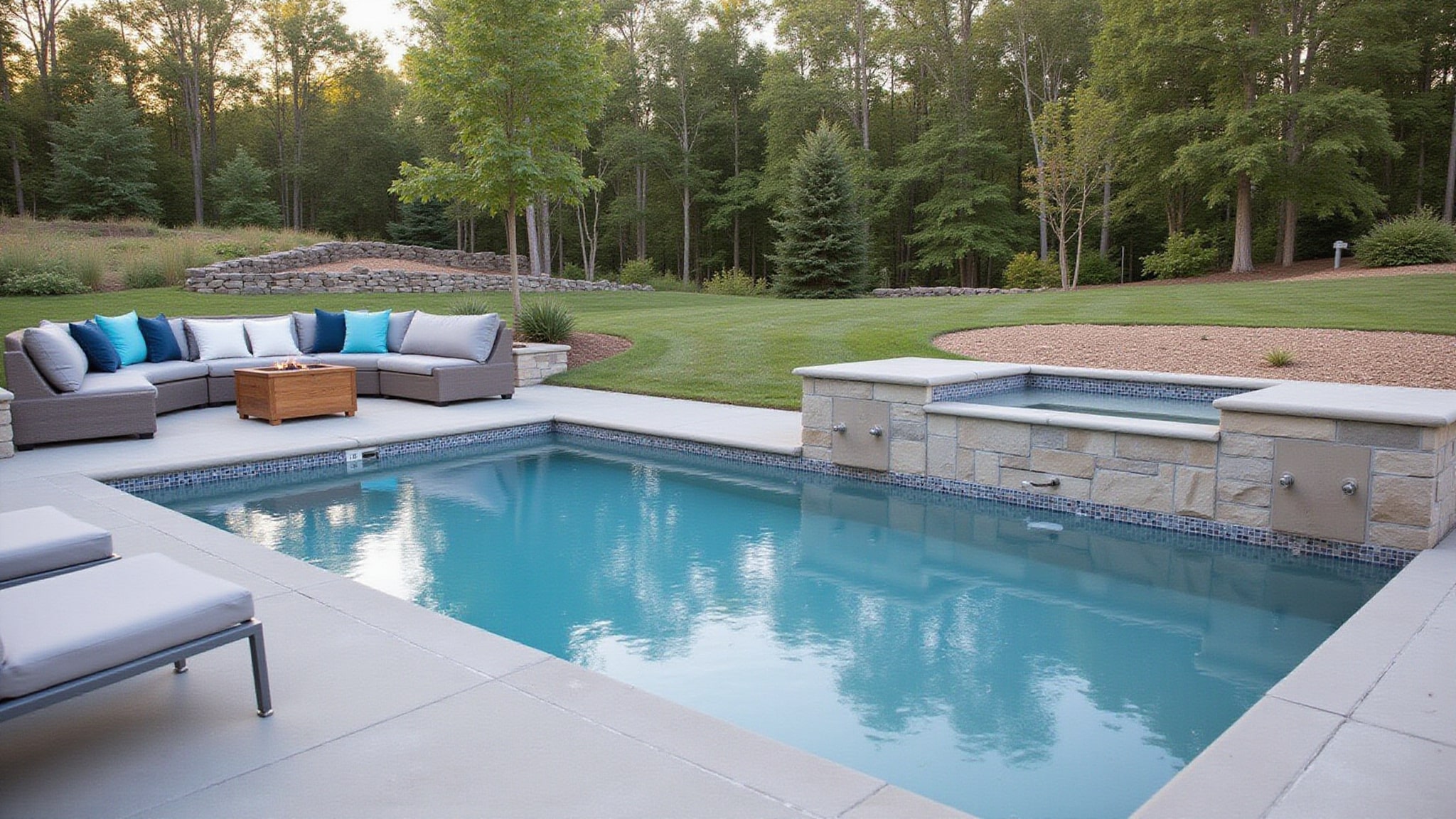
A resort-style pool deck balances visual appeal with practical usage and long-term durability. You start by selecting premium materials like travertine or slate pavers, which deliver a timeless, expensive feel while doubling as a slip resistant deck for wet inclines. You mix stone edges, concrete, and wood accents to define distinct zones, then layer in organic shapes rather than rigid rectangles. You integrate infinity edges, Baja shelves, and zero-edge perimeters that sit flush with surrounding surfaces for seamless connections. You design multi-level deck structures to add architectural sophistication. Finally, you prioritize integrated lighting as the wow factor, using a cohesive color palette across pavers, furniture, and plantings to unify the entire space with intention.
What materials are used for resort-style pool decks
Resort-style pool decks use slip-resistant natural stone that keeps wet inclines safe without sacrificing elegance. A travertine pool deck delivers that timeless, expensive feel, while slate offers deeper tones for contemporary schemes. You’ll mix materials strategically, pairing stone edges with poured concrete and wood accents to define distinct zones. Apply slip-resistant finishes across all wet areas to protect guests underfoot.
| Material | Primary Benefit | Best Application |
|---|---|---|
| Travertine | Timeless luxury feel | Main deck surfaces |
| Slate | Rich, durable tones | Border accents |
| Wood Decking | Warm, rustic texture | Lounging zones |
You’ll finish wet connections with glazed ceramics, durable porcelain, or shimmering glass tiles for subtle water-like effects.
How do the materials compare on heat and comfort
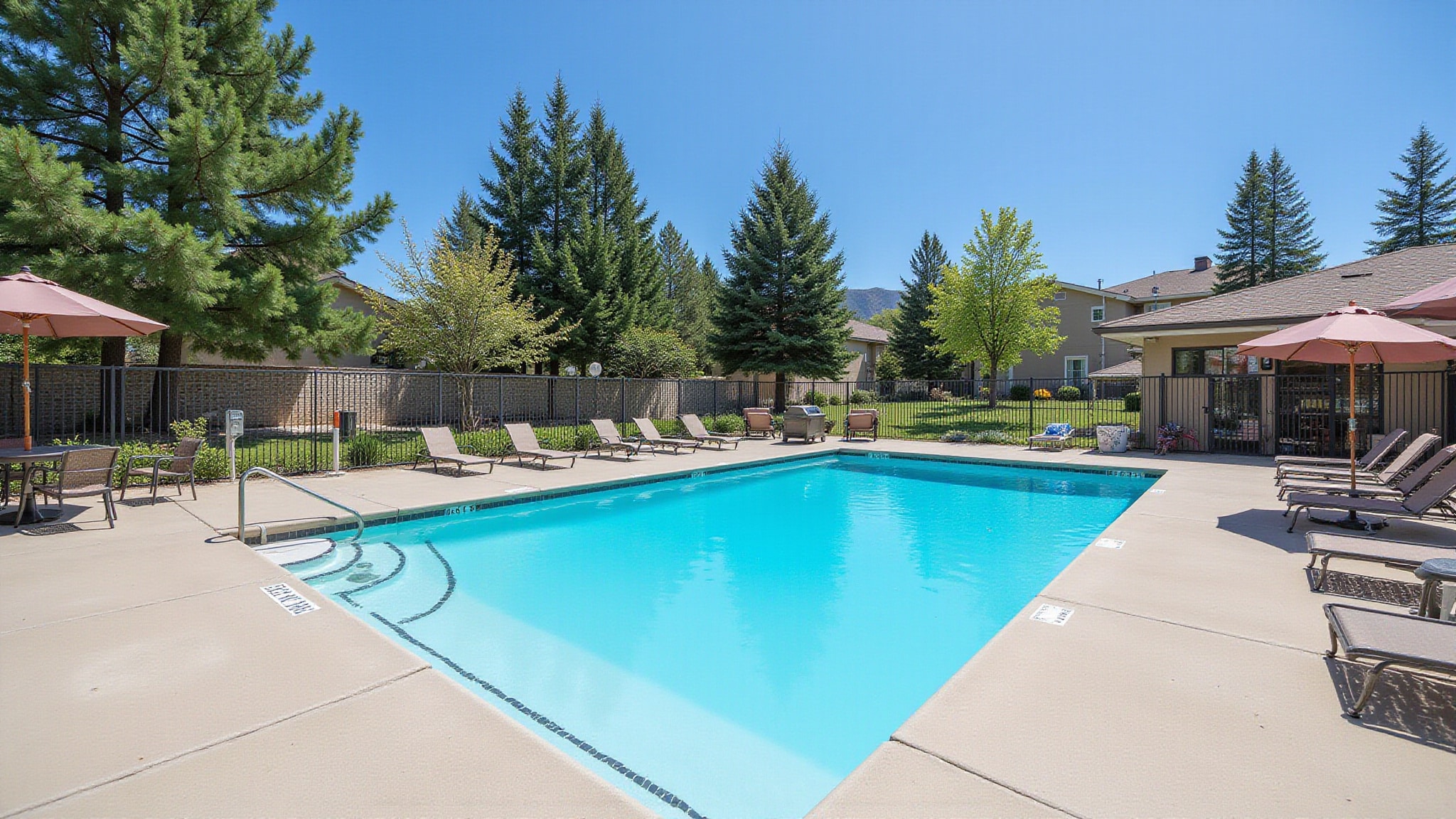
Materials differ noticeably in heat retention underfoot, which affects comfort. Natural stone like travertine stays remarkably cool, wicking heat away even under direct sun, making it ideal for high-traffic zones where you’ll walk barefoot. Slate absorbs more heat, so reserve it for shaded borders or accent edges. Concrete heats fast and holds it, but a cool deck coating reflects sunlight and drops surface temperatures considerably, keeping lounging areas comfortable. Wood accents feel warm and natural against bare skin, offering a comfortable transition near daybeds and dining zones. Pebble finishes stay moderate but add textured relief. When you’re mapping your layout, position the coolest, slip-resistant materials where feet meet ground most, and relegate heat-retaining surfaces to shaded, low-contact spaces for balanced comfort.
How do the materials compare on cost and maintenance
Pool deck materials vary in both upfront cost and ongoing maintenance demands. Factor both installation cost and recurring maintenance to protect your resort-style aesthetic over time.
Smart deck choices balance upfront cost with long-term upkeep, protecting both your resort-style aesthetic and your budget for years to come.
- Travertine: Mid-to-high upfront cost; you’ll seal it every two to three years to resist staining and etching.
- Slate: Higher material price; it demands minimal upkeep but occasional resealing preserves color depth.
- Concrete: Budget-friendly initially; you’ll reseal and patch cracks periodically to sustain a polished finish.
- Wood accents: Moderate cost; expect annual staining and sealing to fight moisture damage near wet zones.
Choose finishes that match your maintenance tolerance, and you’ll keep your deck looking pristine without draining your wallet.
How do you keep a pool deck safe and slip-resistant
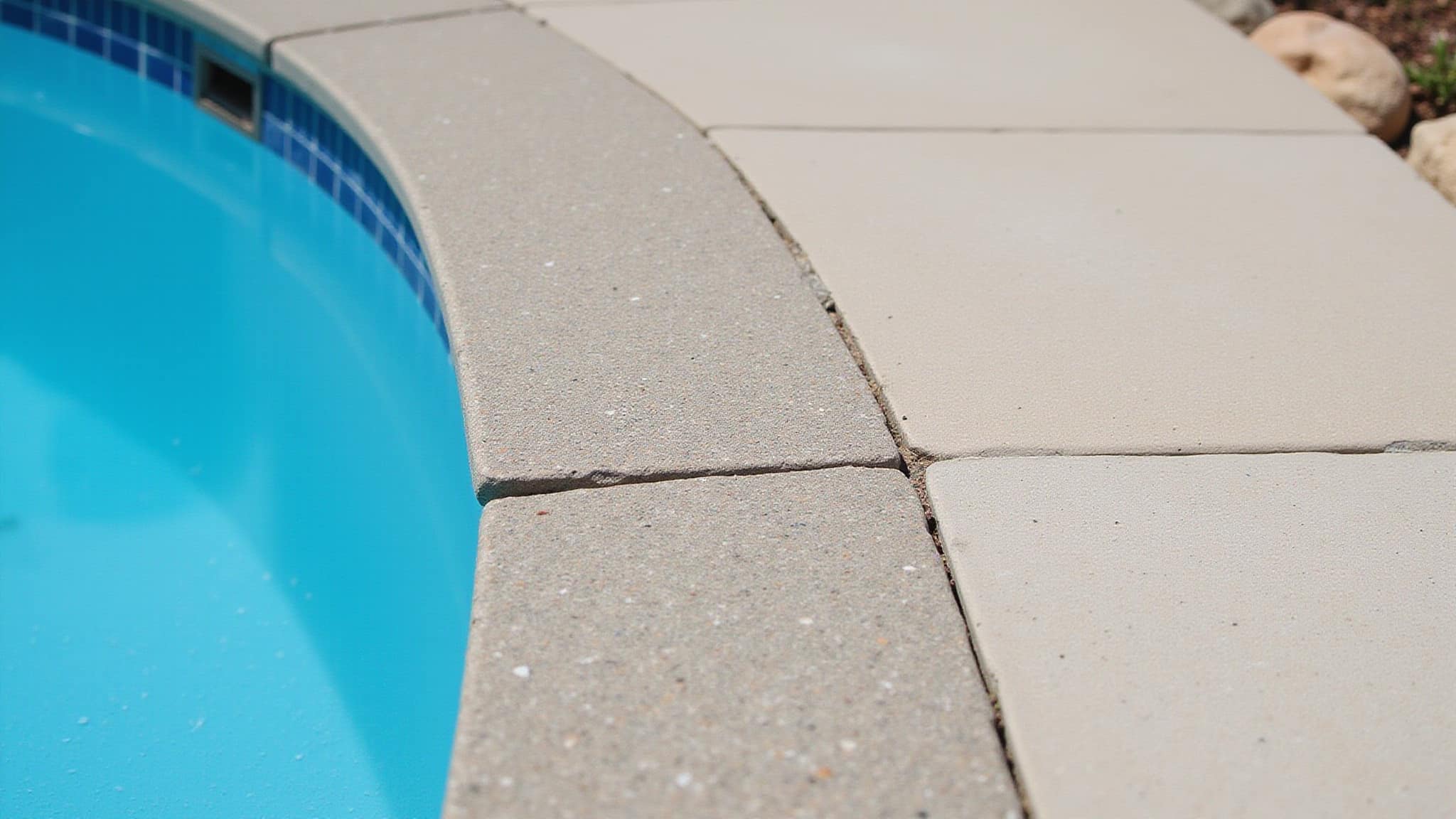
Keep a pool deck safe and slip-resistant by prioritizing slip resistance from the material phase onward. Start by selecting slip-resistant natural stone like travertine or slate, whose porous surfaces channel water and grip bare feet on wet inclines. Apply slip-resistant finishes to every wet zone, including steps, edges, and Baja shelves. Consider a textured concrete deck, where broom-finished or aggregate-exposed surfaces add traction without sacrificing your cohesive aesthetic. Pair smooth pebble finishes with rustic wooden decking, but reserve the roughest textures for high-traffic transitions. Maintain consistent grip across multi-level structures, since elevation changes multiply fall risk. Seal stone properly to prevent slick algae buildup, and check finishes seasonally. When you balance texture with elegance, safety reinforces your resort-style vision rather than compromising it.
How do you choose the right pool deck material
Choose the right pool deck material by prioritizing high-quality options that balance durability, safety, and aesthetics, sustaining elegance while withstanding constant moisture and foot traffic. Natural stone pavers like travertine or slate deliver a timeless, expensive feel and slip-resistant surfaces ideal for wet inclines. Consider these selections:
The right pool deck material blends durability, safety, and beauty, standing strong against moisture while preserving lasting elegance underfoot.
- Travertine pavers for cool, slip-resistant natural stone that stays comfortable underfoot.
- Slate for rich color depth and rustic, textured character.
- Durable porcelain for water-like effects and low-maintenance longevity.
- Wood accents paired with smooth pebble finishes for contrasting textures.
Mix these materials to define distinct zones, stone edges, concrete fields, and wood decking. Maintain a cohesive color palette across pavers, furniture, and plantings for seamless visual continuity.
Designing a Resort-Style Pool Deck
A resort-style deck is what turns a pool into a backyard people actually spend time in, so the surface, levels, lighting, and how it connects to the rest of the yard all deserve attention. These choices are best settled at the design stage, since running lighting or reworking levels after the surface is poured is costly. Planning the deck alongside the pool, rather than as an afterthought, gives the most cohesive and usable result.
Create a Resort-Style Backyard Retreat
Grottos, waterfalls, fire features, and negative-edge designs turn any pool into a luxury destination right at home. At Cristallo Pools in Palm Beach Gardens, FL, our experienced team provides trusted Design and Planning with craftsmanship, creativity, and a fully personalized approach. Call +1 (561) 766-0353 today and start designing your private oasis.
Frequently Asked Questions
Should the same builder handle the deck as well as the pool?
It usually helps. When one team specifies the deck alongside the pool, the levels, drainage, and finishes are coordinated from the start rather than handed to a separate contractor after the shell is done. That coordination tends to produce a cleaner, more unified result.
Can a tired deck be replaced without touching the pool?
Yes, and it is one of the quickest ways to refresh a backyard. A worn deck can be resurfaced or replaced while leaving the pool itself intact, which covers the surrounding surfaces without rebuilding the pool underneath. It is a popular update for older pools that still function well.
How do multi-level decks and elevation changes get worked out?
Levels have to be resolved on paper before anything is poured, since they affect drainage, steps, and how the space is used. Getting the design right up front prevents water pooling and awkward transitions later, which is why layout decisions are settled before construction starts.
Is deck lighting installed at the same time as the surface?
It should be. Running lighting later means cutting into finished work, so it belongs in the original plan. Installing it during construction is cleaner and cheaper, and good lighting makes the deck safer and far more usable after dark.
Are decking materials chosen before the project is priced?
Yes, because the material drives a large share of the cost. Options like concrete, pavers, and travertine vary widely in price and feel, so choosing the surface early lets the builder give an accurate quote and lets you balance look against budget.
How does a deck tie into the wider outdoor living space?
A good deck connects the pool to seating, dining, shade, and landscaping so the whole backyard works as one space. Thinking about those connections during design keeps the deck from feeling like an isolated slab and makes the area far more inviting to use.
Does it matter whether a builder works in my specific area?
It can. A builder familiar with your area knows the local permitting, soil, and code requirements, which keeps a project on track. It is worth confirming a builder’s service area and local experience before you start, so there are no surprises with approvals or scheduling.