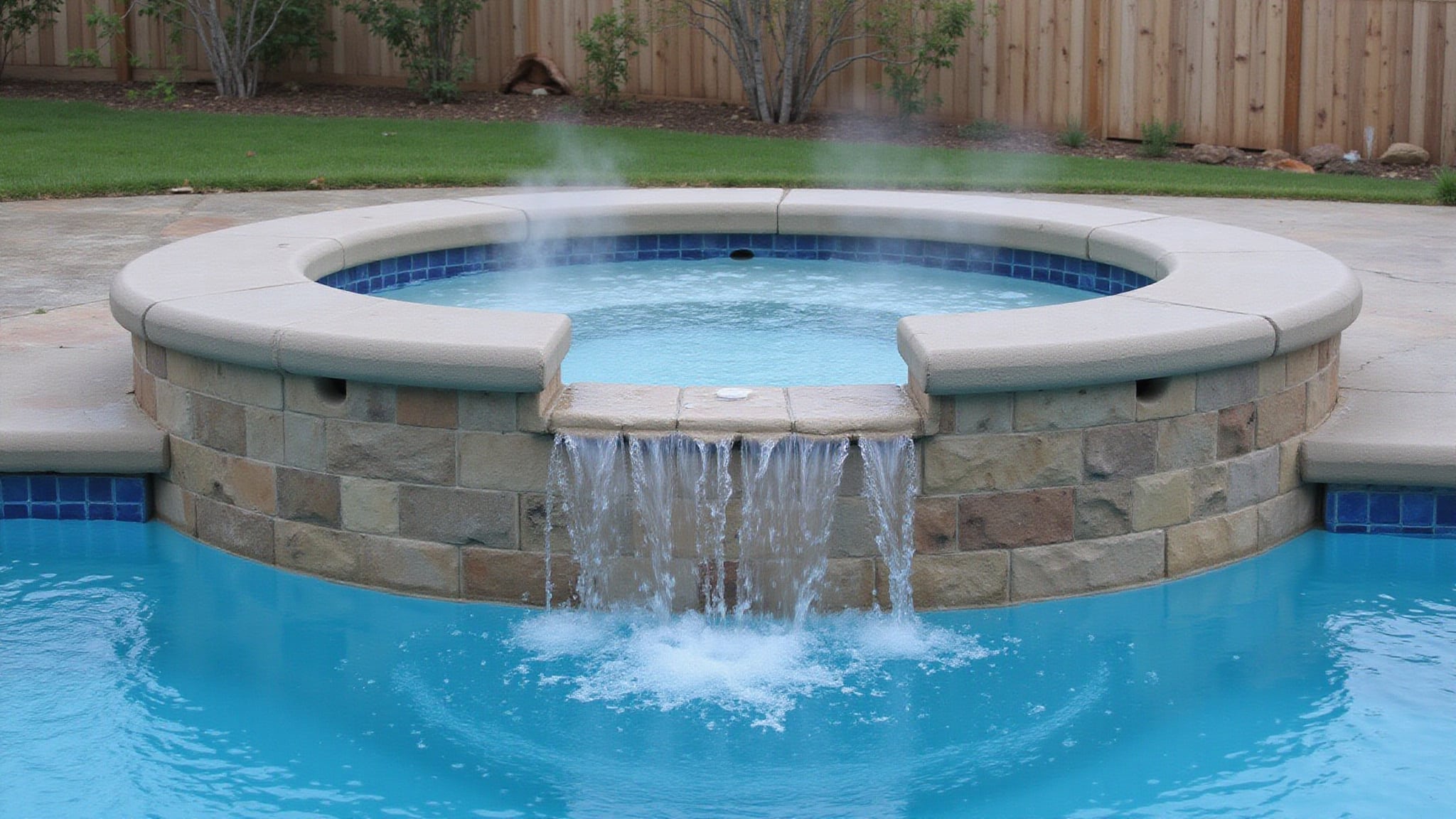
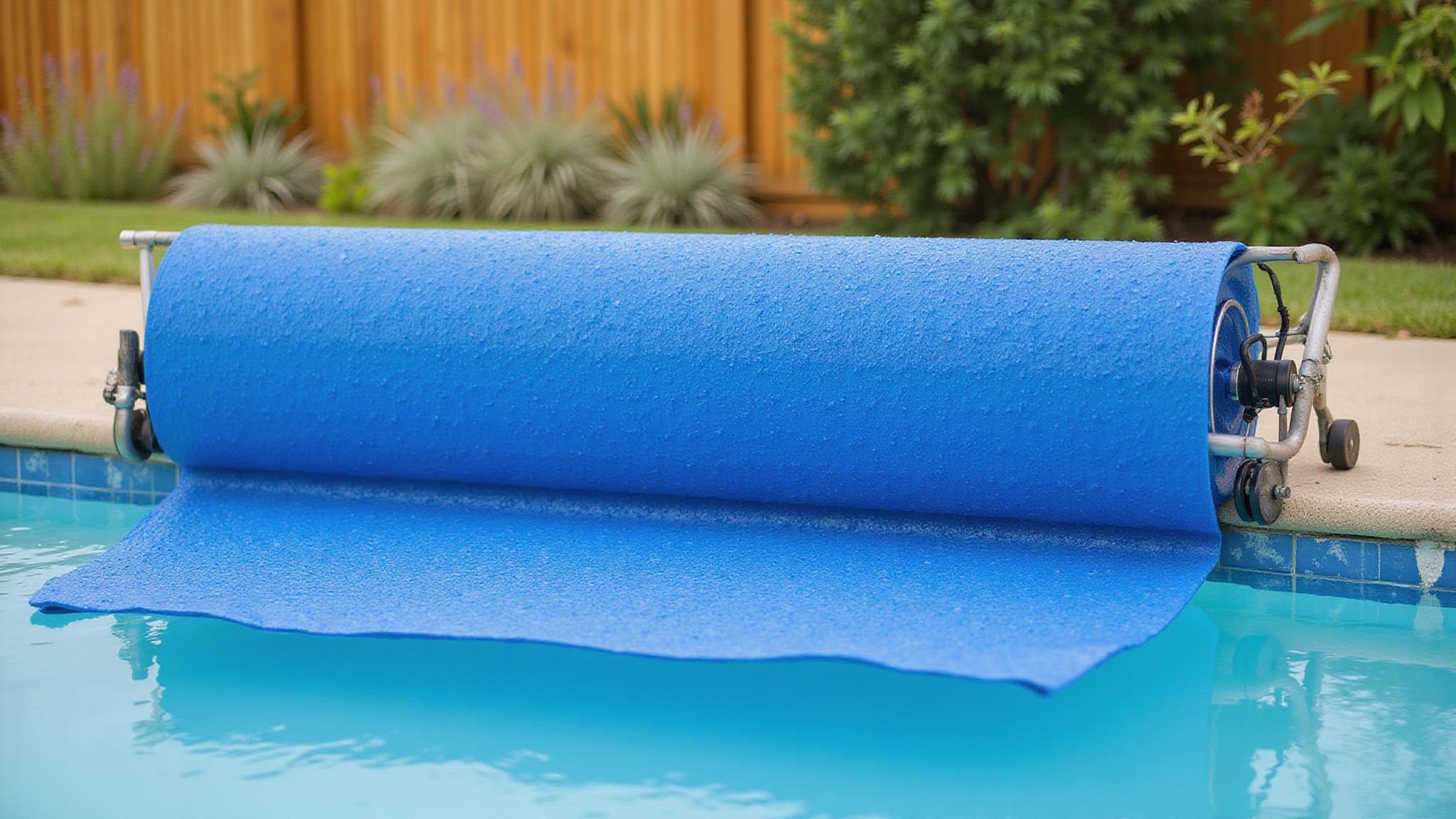
You can partially drain a pool safely if you keep enough water weight to hold the shell or liner in place. Generally, don’t remove more than half, and treat that as a ceiling, not a guarantee. Pick a dry, mild day. Check groundwater conditions and your hydrostatic relief valve first. Monitor the level constantly and stop if you spot seepage or liner movement. Refill promptly. Safe limits vary by pool type, and so do the risks.
Key Takeaways
- Drain no more than half the pool water at once, treating this as an upper limit rather than a guaranteed safe level.
- Choose a dry, mild period, avoiding hot weather and saturated ground, since groundwater pressure can lift or crack pools.
- Match drain depth to pool type: vinyl liners can shrink or tear, fiberglass can float, above-ground walls can buckle.
- Monitor draining continuously and stop immediately to refill if you notice seepage, liner movement, or shell shifting.
- Refill promptly to normal level, restore circulation, then test and rebalance chemistry before swimming.
How do you partially drain a pool without damaging it
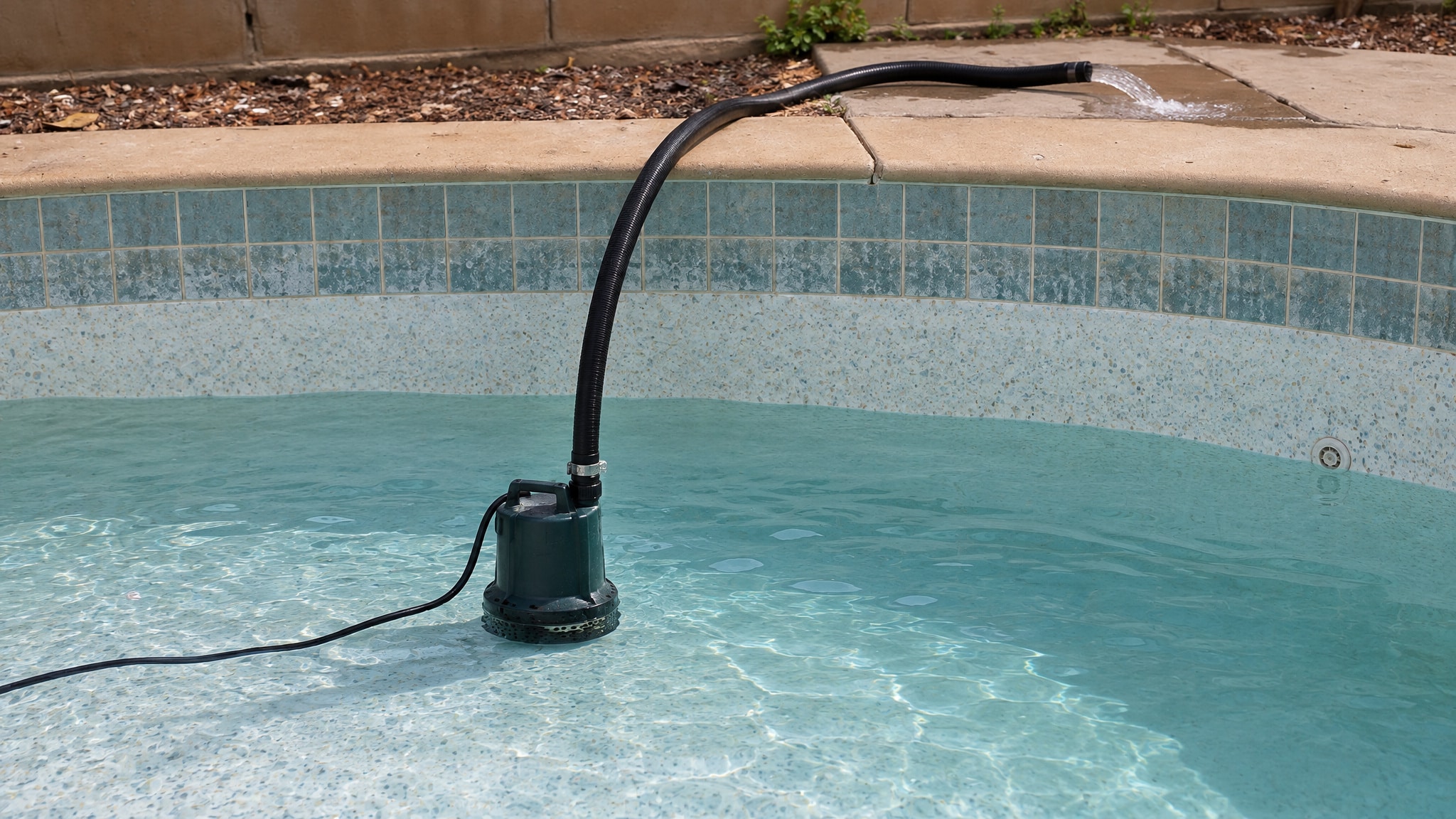
To partially drain a pool without damaging it, confirm why you’re draining and lower the water only as far as your pool’s construction and site conditions can tolerate. Groundwater can lift or crack a shell, vinyl liners can shrink or detach, and above-ground walls can buckle. Get a professional assessment if groundwater conditions are uncertain.
Choose a dry, mild period, not hot weather or saturated ground after heavy rain. Check local discharge rules, use an approved drainage location, and arrange your refill before starting. Don’t assume a universal safe percentage, a common rule of thumb is to remove no more than about half, and even that isn’t guaranteed for every pool.
Monitor the level continuously and protect your pump from running dry. Stop immediately if you see seepage, liner movement, or shell shifting. Refill promptly to normal operating level, restore circulation, then test and adjust your water chemistry.
Why taking the water too low can wreck the shell or liner
Pool water is the weight that holds your pool’s structure in place, so draining too much of it lets each construction type fail in its own way. Vinyl liners depend on water pressure to stay seated. Drain too far, and they can wrinkle, shrink, tear, or detach. Fiberglass shells can float or crack once groundwater pressure exceeds the shell’s weight. Concrete pools can lift or crack under the same pressure, especially after heavy rain or where the water table is high. Above-ground walls need the water inside for support and may buckle or shift if emptied.
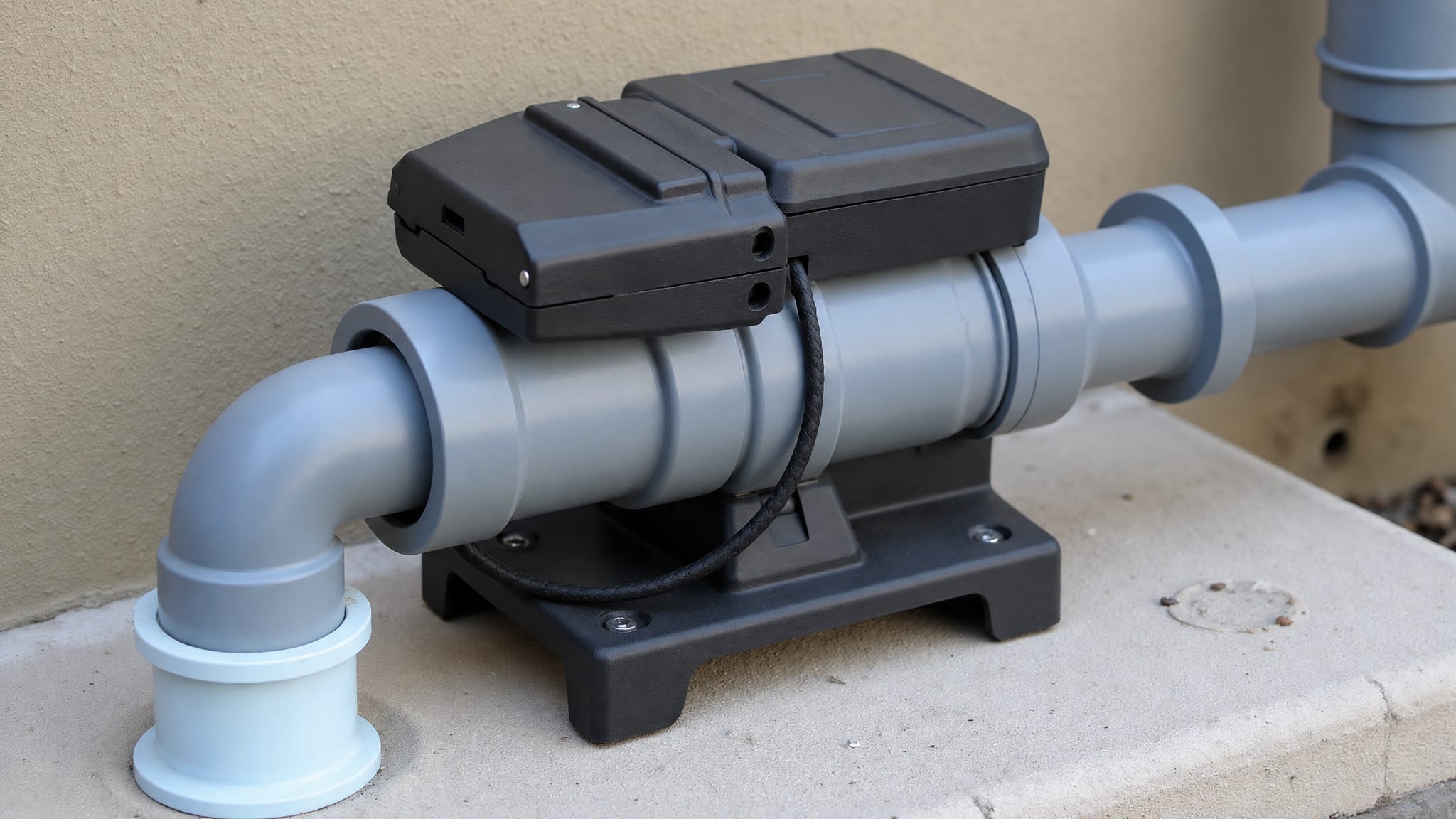
A hydrostatic relief valve can help manage groundwater pressure, but it doesn’t eliminate the risk. No single drain depth is safe for every pool, so get a professional’s assessment before any large drain.
How low you can safely go, by pool type
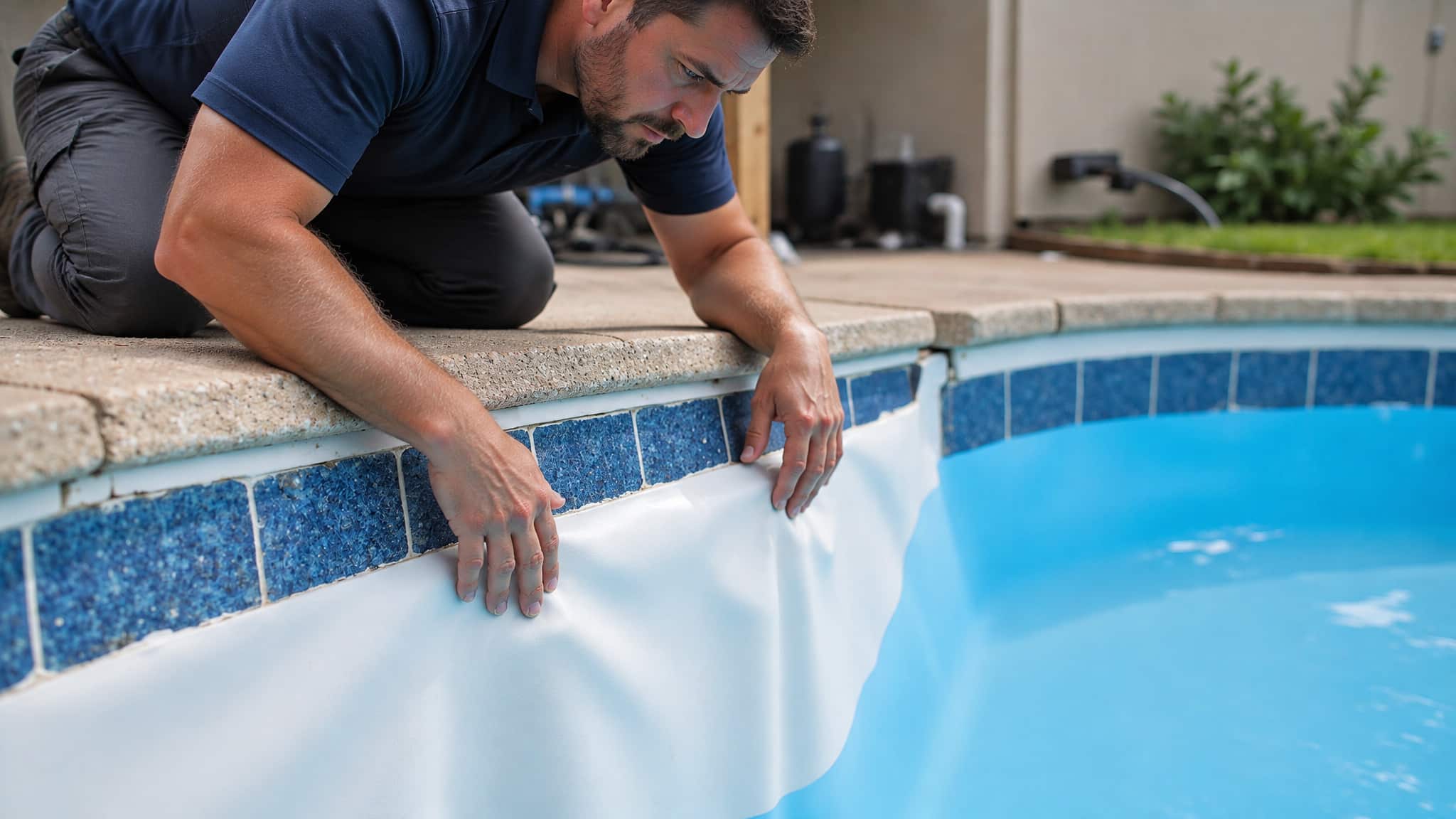
As a general benchmark, drain no more than half the water at once and refill promptly. Treat that as an upper limit, not a guarantee, because no universal number applies to every pool.
| Pool type | Key drain risk |
|---|---|
| Vinyl liner | Wrinkling, shrinkage, tearing, detachment |
| Fiberglass | Floating or cracking from groundwater |
| Concrete/plaster | Lifting, cracking, surface damage |
| Above-ground | Wall buckling or shifting |
Your pool’s construction, soil, groundwater, and condition determine the real limit. Keep the level above the skimmer line if your pump requires it. If the ground is saturated, the water table is high, or the drain is large, get a professional assessment first.
Which method to use, and what not to use
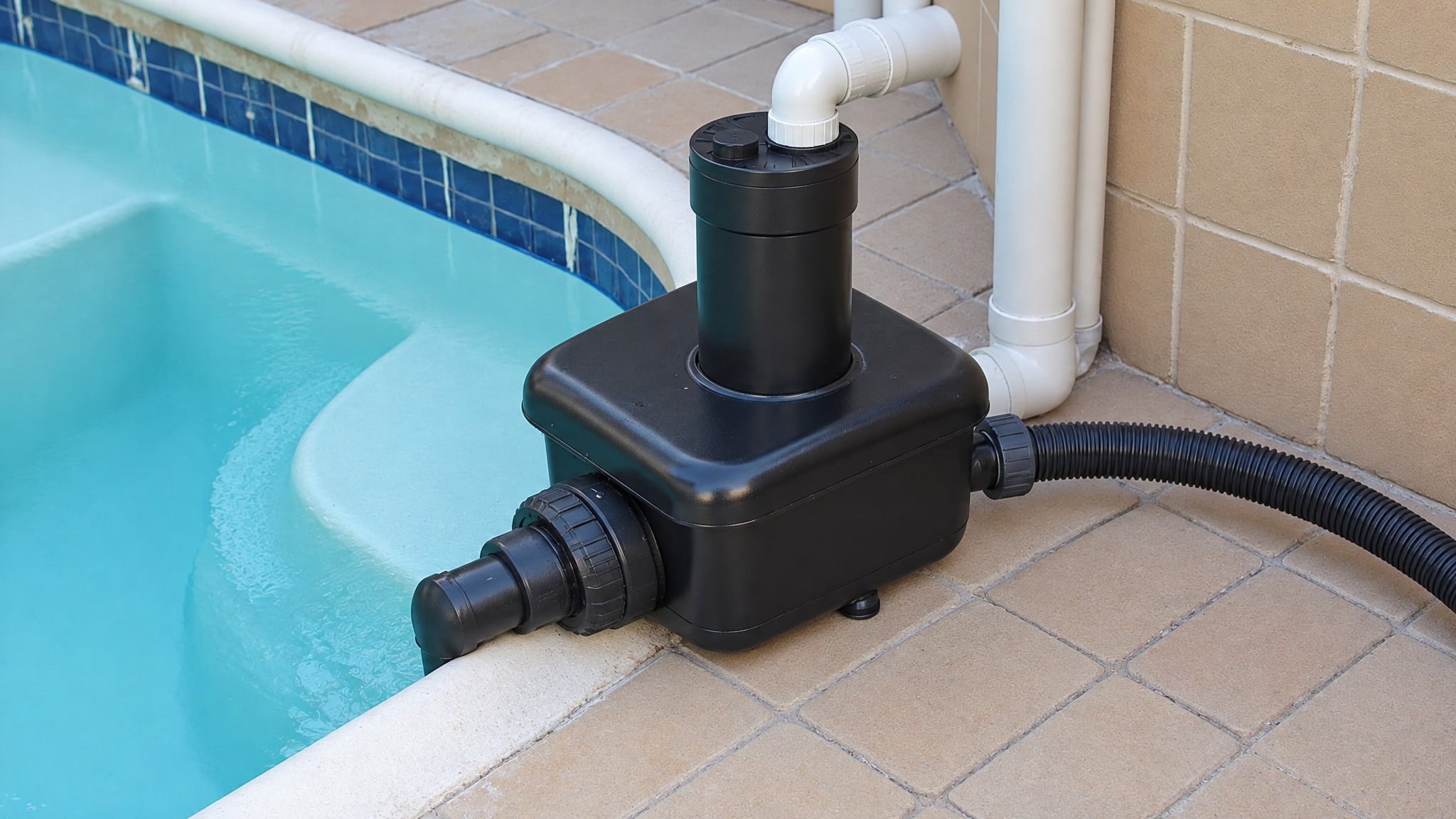
Use either a pump or a siphon to lower a pool’s water level, choosing based on your equipment, your drainage location, and how closely you can control the outflow.
For a pump, follow the pump and pool-equipment manufacturer’s instructions for shutdown and restart. Keep the water above the skimmer line where required, and turn off or protect equipment so the pump never runs without adequate water.
For a siphon, place the discharge end lower than the pool’s water surface and monitor the outflow throughout.
Watch the level continuously with either method, don’t leave the drain unattended, and don’t discharge into an unapproved drainage location. Check local rules before starting. Stop at your planned level and begin refilling the pool promptly.
How to check the groundwater and hydrostatic valve first
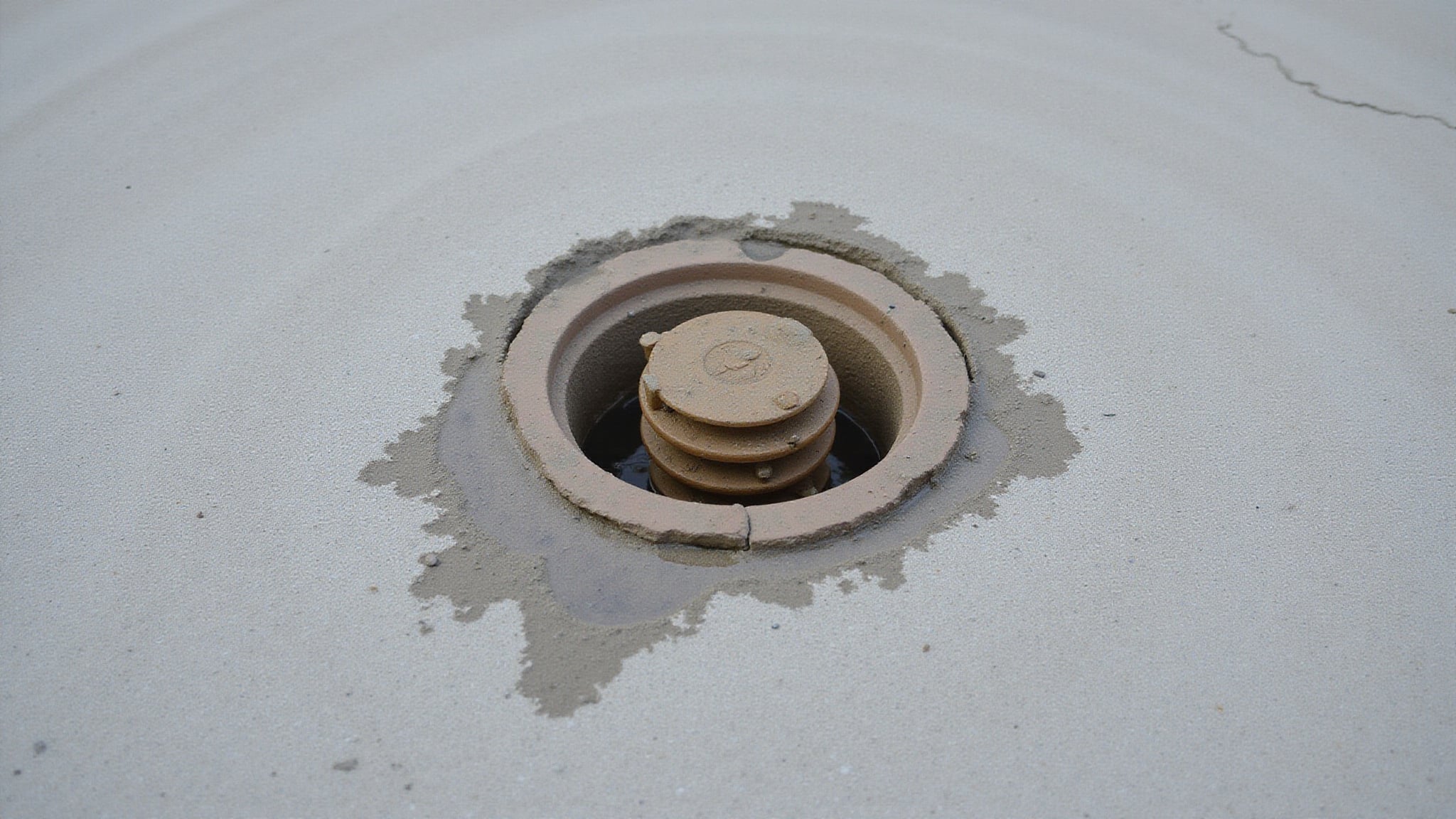
Check recent weather and confirm whether your pool has a hydrostatic relief valve. Groundwater pressure is often a pool’s greatest draining risk, and it sits outside the shell. When you remove water, saturated soil can push upward and lift or crack a concrete, fiberglass, or vinyl pool. Fiberglass shells can float if that pressure exceeds their weight, and vinyl liners can shift or detach.
Don’t start draining during or soon after heavy rain, when surrounding soil may be saturated. Wait for a dry period. In much of South Florida, where the water table sits high and the rainy season is intense, treat any drain as higher-risk and time it for a dry stretch.
A hydrostatic relief valve may help manage groundwater pressure, but it doesn’t eliminate draining risks. If you’re unsure about groundwater conditions or plan a large drain, get a pool professional’s assessment.
Where the water can legally go
Pool water can legally go only where your local rules for pool-water discharge allow. Check those rules before you start pumping. Requirements vary by location, so don’t assume what’s allowed in another town applies to yours. Contact your local authority if the rules aren’t clear, and confirm where you’re permitted to send the water before you drain anything.
Direct the hose only to an approved drainage location. Don’t improvise a discharge point because it’s convenient. Plan the route before you begin, so the outflow goes exactly where you intend and stays there.
Watch the discharge end as closely as you watch the pool level the entire time the water is moving. If you’re siphoning, keep the outlet lower than the pool’s water surface. Stop if the outflow leaves the approved area.
How to refill and rebalance after a partial drain
Refill the pool to its normal operating level, restore your equipment, then test and adjust the water chemistry after the fresh water has mixed thoroughly. Start refilling as soon as you reach your planned drain level so the pool doesn’t sit lower than necessary. Fill to the normal operating level, commonly around halfway up the skimmer opening, but follow your manufacturer’s guidance. Then restore your equipment to its normal operating settings and confirm the water is circulating before continued operation.
Fresh fill water can change pH, alkalinity, calcium hardness, and sanitizer levels, so let it mix thoroughly before you test. Adjust the chemistry based on your results, and retest before anyone swims. Don’t rely on pre-drain readings or assume the new water is balanced.
If you replaced a substantial amount of water or get unusual readings, get a thorough water test or consult a pool professional before making major chemical adjustments.
Conclusion
Partially draining a pool is safe when you respect what the water is actually doing, holding the shell or liner in place against the ground around it. Keep the drop to no more than about half as a ceiling, pick a dry stretch of weather, watch the level the entire time, and refill and rebalance as soon as you’re done. The real danger isn’t the draining itself but going too low, too fast, in the wrong conditions. When the water table is high or you’re unsure, stopping to get a professional’s read is far cheaper than a floated shell.
Tired of Draining to Fix the Water
Most partial drains trace back to one thing, calcium or stabilizer that climbed too high over time. Keep the chemistry in range from the start and you rarely reach the point of draining at all. That’s the routine Cristallo Pools keeps for you: regular water care that holds your levels steady and catches drift early. Questions about your pool? The contact page or +1 (561) 766-0353 reaches us.
Frequently Asked Questions
What Time of Year or Weather Is Best for Partially Draining a Pool?
The best time to partially drain a pool is during a dry, mild period with no heavy rain or hot, sunny weather. Saturated soil raises groundwater pressure, which can lift or crack your shell, so don’t drain during or soon after storms. Intense sun can dry and crack exposed plaster or shrink a vinyl liner. Plan your refill beforehand, monitor levels continuously, and consult a pool professional if you’re unsure about groundwater conditions at your site.
How Often Should Pool Water Be Partially Replaced?
Partially replace pool water only when testing or a specific problem shows you need to, not on a fixed calendar schedule. Identify the reason first, since some chemistry issues have in-water treatments. When you do drain, don’t remove more than about half at once, and refill promptly. Avoid hot sun and saturated ground, watch for structural changes, and retest chemistry after mixing. Consult a professional for uncertain groundwater conditions.
Can High Calcium or Cyanuric Acid Be Fixed Without Draining?
Usually not, since dilution with fresh water is the dependable way to lower high calcium hardness or cyanuric acid. Some in-water treatments can manage related symptoms. Get a thorough water test or consult a pool professional before choosing. If you do partially drain, generally don’t exceed half the pool, avoid hot weather or saturated ground, monitor levels continuously, refill promptly, then retest pH, alkalinity, calcium, and sanitizer levels.
What Warning Signs Mean I Should Stop Draining Immediately?
Stop draining immediately if you see unexpected groundwater seepage, liner wrinkling, shifting or detachment, or any shell movement, lifting or cracking. Also stop if the water drops toward the skimmer line while your pump’s running, since it can run dry. Don’t leave the drain unattended; watch the level continuously. If you spot structural changes, shut down equipment per the manufacturer’s instructions and contact a pool professional before you continue.
When Should I Hire a Pool Professional Instead of Draining Myself?
Hire a pool professional before a large drain, or whenever you’re unsure about groundwater conditions, especially after heavy rain or where the water table’s high. Call one if you see unexpected seepage, liner movement, shell movement, or other structural changes. You’ll also want expert help when testing shows unusual chemistry or you’re replacing substantial water. Don’t assume a hydrostatic relief valve or generic drain percentage guarantees your pool’s structural safety.