You can add a variable-speed pump to an older pool, but you’ll need to plan around your existing equipment. Start by recording your current pump’s horsepower, voltage, wattage, and daily run time. Then size the pump to your system’s flow needs, not horsepower alone, and match its maximum flow to your filter’s rated capacity. Have a qualified professional verify grounding, GFCI protection, and bonding. Next, you’ll see how sizing, costs, and rebates affect your payback.
Key Takeaways
- Record your existing pump’s model, horsepower, voltage, wattage, and daily run time to establish a baseline for energy-savings comparisons.
- Size the variable-speed pump to your pool’s flow needs and filter capacity, not horsepower alone, accounting for older plumbing limits.
- Check plumbing alignment, pipe size, and whether your filter, heater, chlorinator, cleaner, and automation work properly at lower speeds.
- Hire a qualified professional to verify voltage, circuit capacity, grounding, GFCI protection, and bonding against national, state, and local codes.
- ENERGY STAR certified variable-speed pumps use about 60% less energy than old single-speed models, and local rebates may shorten payback.
How do you add a variable speed pump to an old pool
To add a variable speed pump to an older pool, inventory your existing equipment, have an installer size the pump to your filter and plumbing, confirm fittings and controls, have a qualified professional handle the wiring, and program low-speed filtration. Start by recording the pump’s model, horsepower, and voltage, along with your plumbing size, filter type, valves, heater, cleaner, and any automation. Record the pump’s wattage and daily run time so you can compare energy use later. Next, have an installer inspect the site, calculate pool volume, and determine required circulation flow. Don’t size by horsepower alone. Match flow to your filter’s rated capacity and your older plumbing’s limits. Confirm inlet and outlet alignment, since you may need adaptors or pipe modifications. Check that your automation supports the pump’s control interface. A qualified professional should handle wiring, verifying voltage, circuit capacity, grounding, GFCI protection, and bonding against code. Finally, program low-speed filtration.
Why older pools often benefit most from the switch
Older pools benefit most because they often run on a single-speed pump that pushes water at full power every hour it operates, so a variable-speed upgrade offers the biggest gain. ENERGY STAR reports certified pumps use 60% less energy than old single-speed models, though your results depend on usage and local rates.
- Lower energy bills: You’ll run routine filtration at low speed and reserve higher speeds for vacuuming or water features.
- Less equipment strain: Reduced flow eases stress on aging filters, plumbing, and seals, which can lower leak risk.
- Safer flow limits: You can cap pump output to protect old or questionable equipment.
- Measurable payback: You can compare baseline wattage and run time with projected use.
Have an installer confirm sizing, compatibility, and electrical safety before you buy.
What the installation involves on existing plumbing and wiring
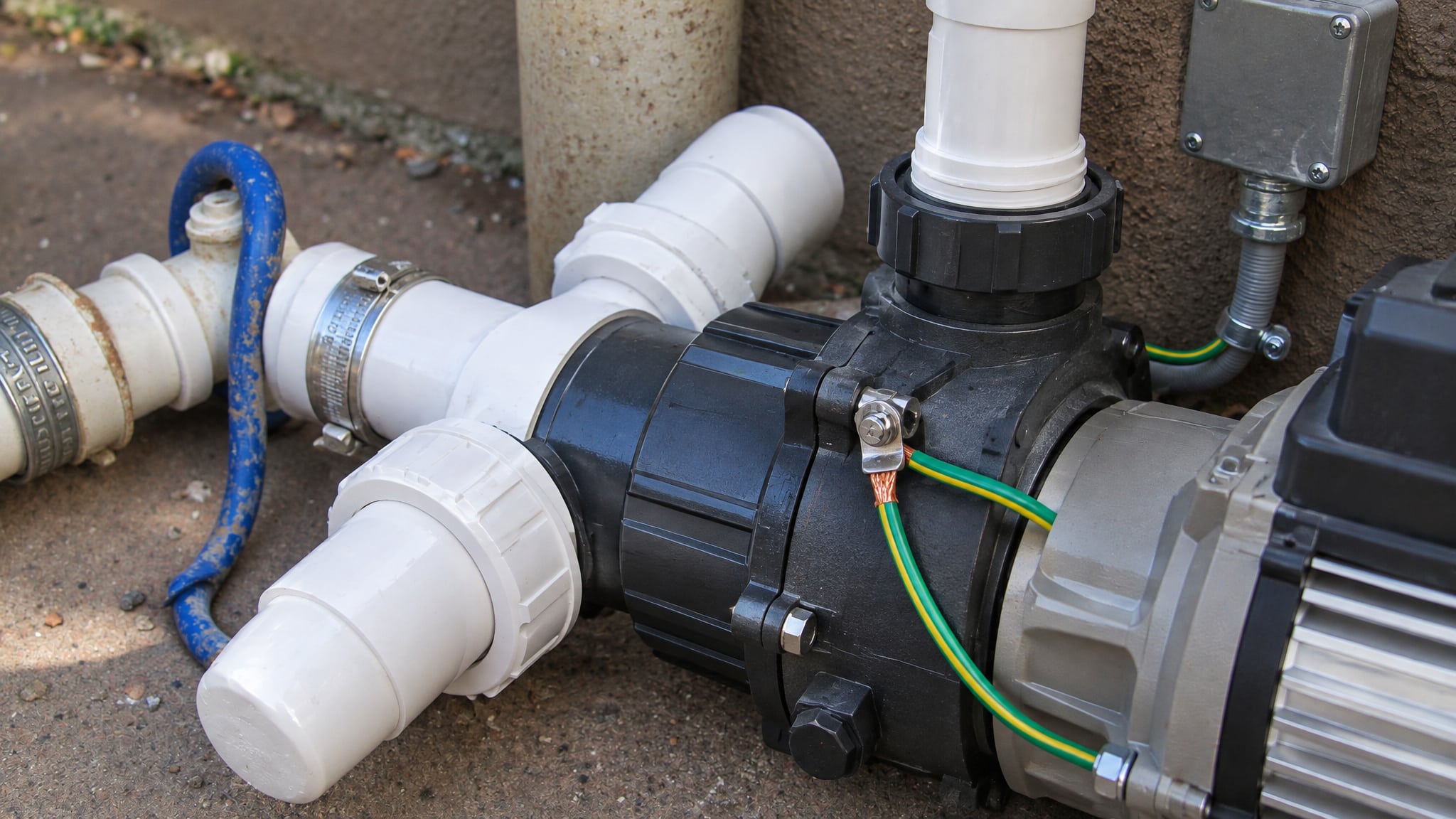
Installing a variable-speed pump on existing plumbing and wiring involves verifying pipe alignment, equipment compatibility, and electrical safety before startup, even though the new pump often fits the same pad as your old single-speed unit. Your installer should check the following:
| Area | What’s Checked | Why It Matters |
|---|---|---|
| Plumbing | Inlet/outlet alignment, pipe size | Adaptors or pipe changes may be needed |
| Equipment | Filter, heater, chlorinator, cleaner | Each must work at lower speeds |
| Electrical | Voltage, circuit, grounding, GFCI, bonding | Prevents shock hazards and code violations |
You’ll also want your automation confirmed compatible with the pump’s control interface, since some systems need configuration or firmware updates. If your filter or valves are aging, have the pump’s maximum flow limited. Leave all wiring to a qualified pool professional who follows national, state, and local codes.
Whether your current filter and plumbing can handle it
Your existing filter and plumbing can usually handle a variable-speed pump, but you’ll need to verify a few limits first. Size the pump for your system, not by horsepower alone, and have your installer calculate pool volume and required flow first.
Size your variable-speed pump to your system’s flow needs, not horsepower alone, and verify your filter and plumbing limits first.
- Match the pump’s maximum flow to your filter’s rated capacity so you don’t overload it.
- Check older pipes, valves, and heaters against manufacturer warnings about high flow, then cap pump performance where needed.
- Confirm inlet and outlet alignment; you may need adaptors or pipe modifications.
- Test that your heater, chlorinator, and cleaner still work properly at lower speeds.
Running your pump at lower flow also reduces strain on aging components, which can lessen leak risk and help you avoid premature replacement.
How to size the pump to a pool that was built for a single speed
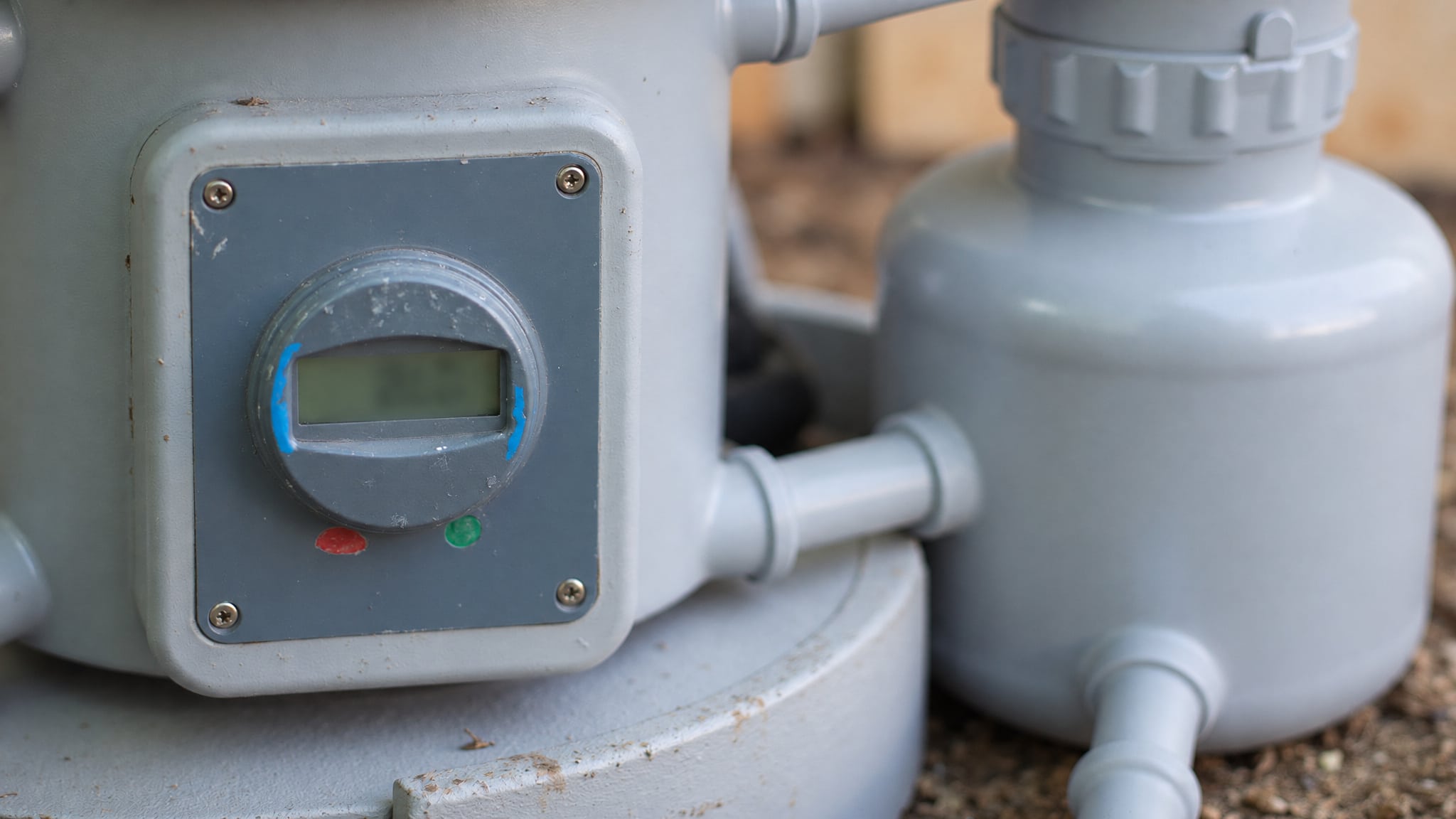
Size the new pump to your pool’s actual circulation needs rather than to the horsepower rating of your old single-speed pump, which was likely chosen by horsepower. Have your installer inspect the site, calculate your pool’s volume, and determine the circulation flow it actually needs. ENERGY STAR guidance cites a 12-hour turnover as a minimum-speed reference, but your local requirements and pool conditions may call for something different. Match the pump’s flow to your filter’s rated capacity and the limits of your older plumbing and attached equipment. Identify which tasks need higher flow, such as vacuuming, heating, or water features, and confirm the new pump can handle each one. Finally, have the installer calibrate flow so you get adequate circulation at the lowest practical motor speed, which reduces strain on aging components.
What it costs, and how quickly the energy saving pays it back
Payback depends more on your old pump’s wattage and daily run time than on any published estimate, so record those numbers before you weigh any savings claim. ENERGY STAR says certified pumps use 60% less energy than old single-speed models and may save up to $210 a year, but your rates and usage decide the real figure. To estimate payback:
- Multiply old wattage by daily hours and days of use for annual kWh.
- Repeat using the new pump’s programmed speeds and schedule.
- Multiply the kWh difference by your electricity rate.
- Divide installed cost, including adaptors, plumbing changes, and code-compliant electrical work, by annual savings.
One older ENERGY STAR example showed a 1.6-year payback, but treat that only as a scenario, not a promise.
Which rebates and efficiency rules apply where you live
The rebates and efficiency rules that apply to your new pump depend on your location, as set by your electric utility, state energy office, and local building department, so check local requirements before you buy rather than after installation.
Contact your electric utility and state energy office to ask whether they offer pool pump incentives, what models qualify, and whether a licensed installer must do the work. Many programs reference ENERGY STAR certification, so confirm your chosen model is listed.
Ask your local building department which permits, inspections, and electrical requirements apply, including GFCI protection, bonding, clearances, and pump location. Requirements vary by jurisdiction.
Keep your receipt, model number, installer invoice, and baseline wattage records. Programs often require documentation, and you’ll need actual figures to verify savings. Apply promptly; deadlines and funding can change.
Conclusion
Dropping a variable speed pump onto an older pool is one of the better returns in pool ownership, lower energy bills, quieter operation, and less strain on aging plumbing, but only when it’s sized and wired for your actual system rather than your old pump’s horsepower. Inventory what you have, let an installer calculate the flow your filter and pipes can handle, and keep the electrical work with a qualified pro. Record your old pump’s wattage and run time first, and the payback math becomes real instead of guesswork. Done right, it pays for itself and then keeps paying.
Want the Upgrade Done Right?
A variable speed pump pays off only when it’s sized to your system and wired to code, the kind of job worth handing to people who do it every week. Cristallo Pools handles pump and equipment upgrades on existing pools across Palm Beach County, from the flow calculation through final startup. Reach us on the contact page or at +1 (561) 766-0353.
Frequently Asked Questions
Will a Variable Speed Pump Run Quieter Than My Old Single-Speed Pump?
Yes, a variable speed pump usually runs quieter than your old single-speed pump. At low speeds for routine filtration, it’ll typically be noticeably quieter. It will get louder when you need higher flow for vacuuming or water features. Have your installer calibrate flow to the lowest practical speed. After startup, check for unusual noise, leaks, or overheating, since these can signal plumbing or compatibility problems you should resolve before normal operation.
How Long Does a Variable Speed Pump Typically Last Compared to Older Models?
A variable-speed pump generally lasts as long as or longer than an older single-speed model, because running at lower speeds reduces motor heat and wear. It also reduces equipment strain: low filtration speeds lessen stress on filters, plumbing, and components, which may cut leak risk and premature replacement. To protect longevity, have a qualified installer size the pump correctly, check for overheating, noise, and leaks after startup, and review run schedules seasonally.
Can I Keep Using My Existing Robotic or Suction Cleaner Afterward?
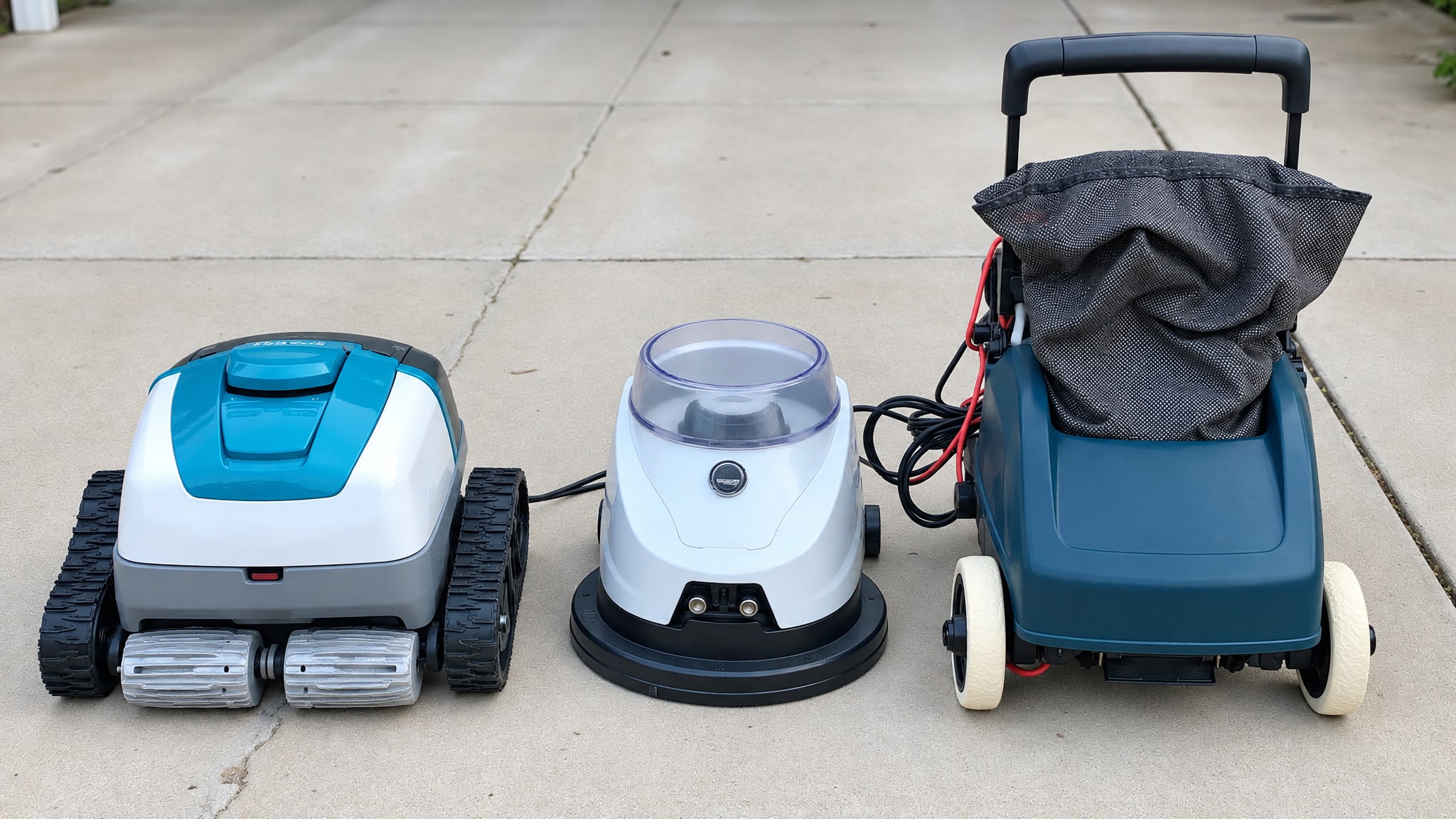
Yes, in most cases, though you should confirm it works with the new pump. A robotic cleaner runs on its own power supply, so the pump change rarely affects it. A suction cleaner depends on pump flow, so test it at your programmed speeds. If it stalls at low speed, set a separate higher-speed schedule for cleaning cycles. Have your installer confirm the flow suits your filter and older plumbing, and check for leaks after startup.
Does Running at Low Speed Affect Chlorine Levels or Water Clarity?
Yes, running at low speed can affect chlorine levels and water clarity if flow drops below what your system needs. Confirm your chlorinator, salt cell, or feeder operates correctly at the lower speed, since some require minimum flow. After startup, verify circulation and filtration keep water clear and sanitized. ENERGY STAR references a 12-hour turnover minimum. If clarity or chlorine readings slip, increase speed or run time, and have your installer recalibrate flow settings safely.
What Maintenance Does a Variable Speed Pump Need Each Season?
Each season, review and reprogram speed schedules, keeping low speeds for routine filtration and higher speeds only for vacuuming, heating, or water features. Check for leaks, unusual noise, and overheating, and confirm your filter, heater, chlorinator, and cleaner still work at the selected speeds. Verify circulation stays adequate, then recalculate energy use with actual run time and local electricity rates. Don’t open electrical components yourself, call a qualified pool professional.