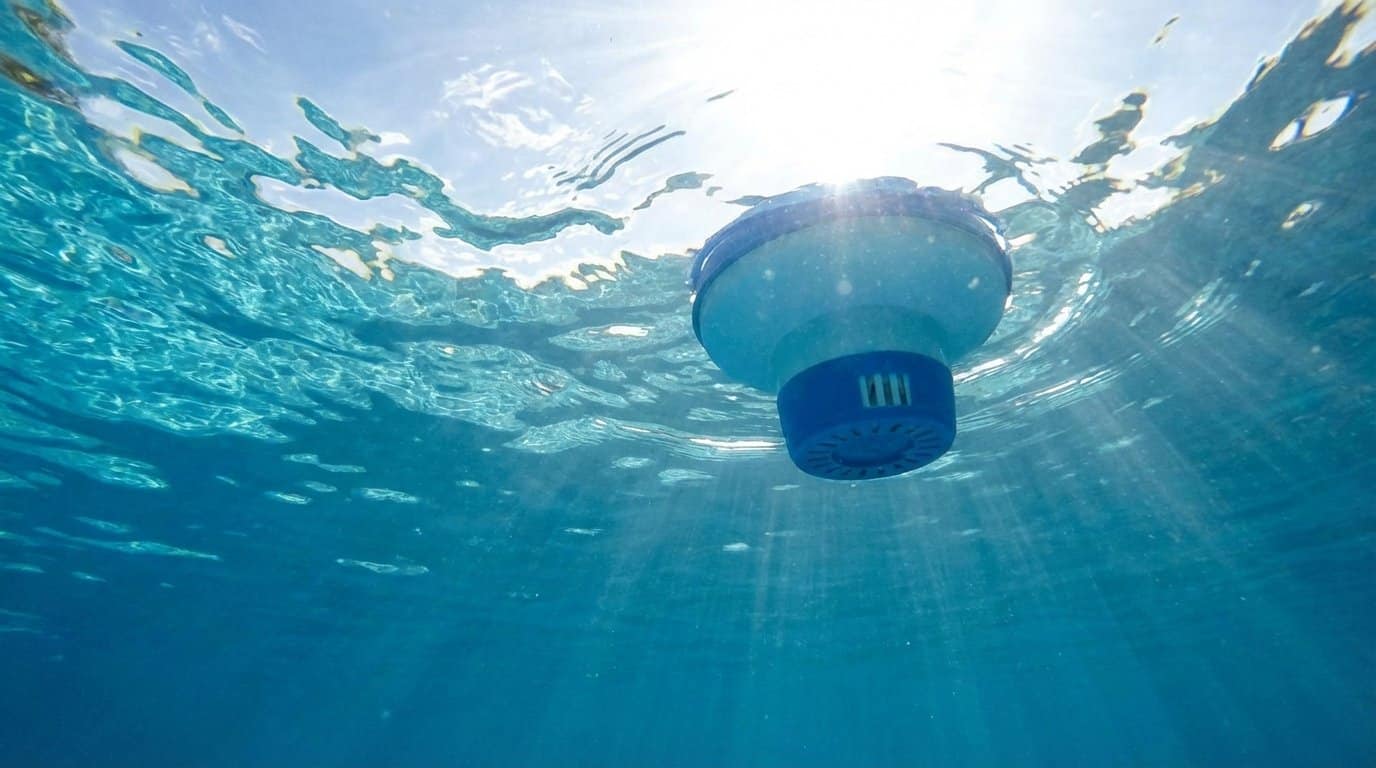
Chlorine oxidizes contaminants and works best for outdoor pools because cyanuric acid stabilizes it against UV degradation, without protection, sunlight destroys up to 90% within two hours. Bromine ionizes contaminants through polarity reversal and maintains effectiveness in hot tubs at 100-104°F where chlorine breaks down rapidly. You’ll pay less upfront for chlorine ($175-$750 annually), but bromine’s stable residuals mean fewer testing sessions. Each sanitizer’s performance varies considerably based on your specific setup.
Chlorine vs Bromine: How to Choose the Right Sanitizer
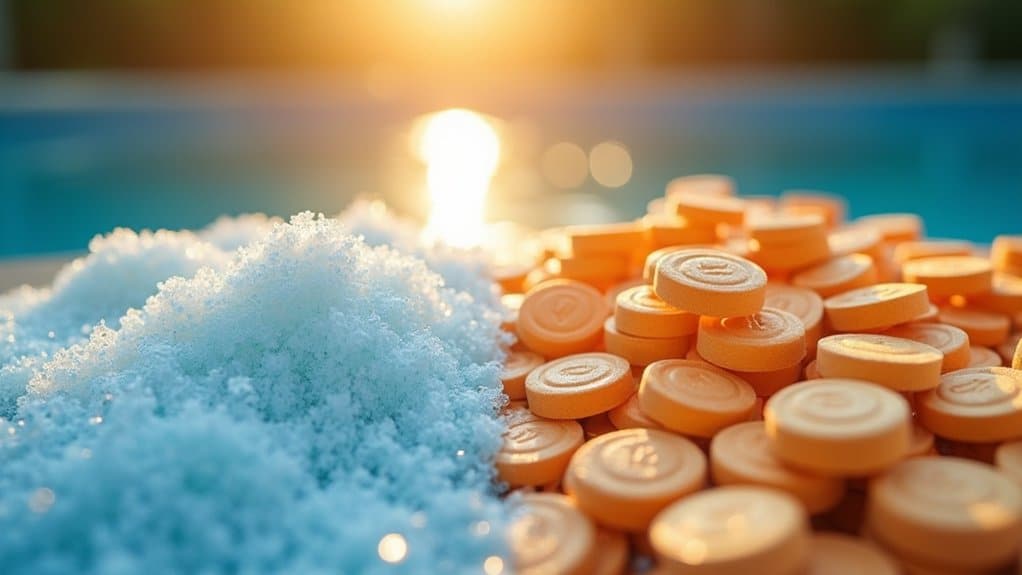
Choosing between chlorine and bromine for your pool or spa depends on how each sanitizer works at the molecular level. Chlorine oxidizes contaminants by destroying bacteria from inside cells outward, acting as both oxidizer and sanitizer. Bromine ionizes contaminants by reversing the polarity of chemical bonds, producing bromamines that continue sanitizing after initial contact.
When conducting a pool sanitizer comparison, you’ll find chlorine sanitizes faster and handles oxidation more effectively. However, sunlight degradation bromine experiences is significant, UV rays destroy half of it within 60-90 minutes. This makes the chlorine vs bromine pool decision straightforward for outdoor installations. Since chlorine products are slightly less expensive than bromine, the cost savings become particularly significant for commercial pool operations over time.
For your spa sanitizer comparison, bromine’s stability above 75°F and broader pH tolerance often outweigh chlorine’s speed advantage in heated, enclosed environments. Bromine is also gentler on skin and eyes than chlorine, making it a comfortable choice for frequent spa users.
Why Outdoor Pools Need Chlorine’s Sun Resistance
Outdoor pools face a relentless enemy that makes chlorine the only practical sanitizer choice: ultraviolet radiation. The UV degradation mechanism breaks down sanitizer molecules at the chemical level, destroying up to 90% of unprotected chlorine within two hours on bright days. Free hypochlorite ions fragment upon UV interaction, releasing gas into the atmosphere.
You can combat this through cyanuric acid stabilizer, which binds to chlorine molecules and shields them from sunlight. This protection enhances chlorine residual stability up to eight times, requiring minimum 30ppm concentrations for effectiveness.
The temperature effect sanitizer performance compounds UV losses. Above 82°F, you’ll need double the chlorine to maintain proper levels. Regular free chlorine testing becomes essential during summer months when combined heat and UV create peak consumption demands.
Why Hot Tubs and Spas Favor Bromine Instead
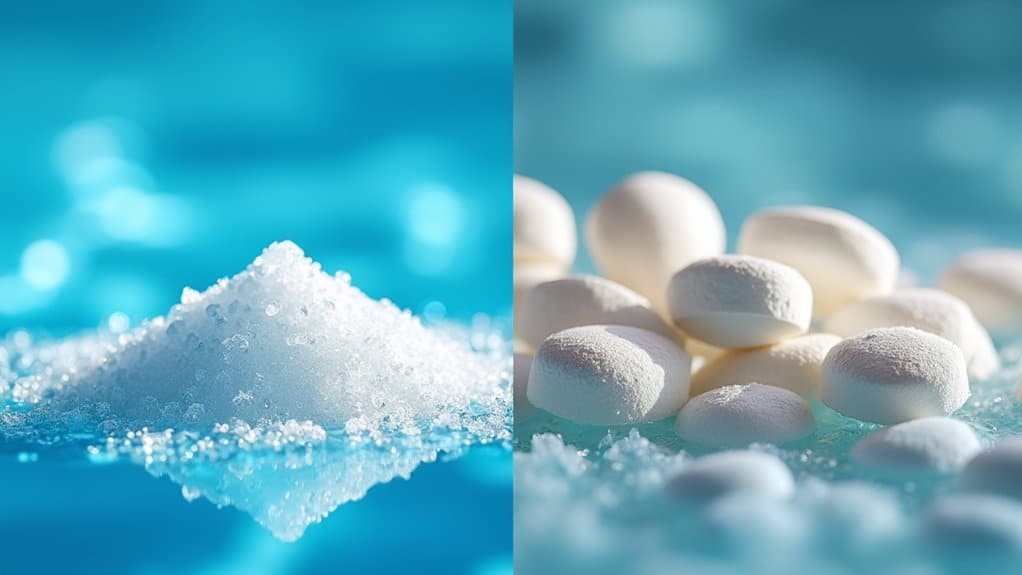
Hot tubs and spas operate at heightened temperatures that accelerate chlorine’s degradation, but bromine maintains its sanitizing effectiveness across the 100-104°F range typical of these environments. You’ll find bromine performs reliably within a broader pH range of 7.2-8.4, reducing the constant chemical adjustments chlorine demands in heated water. The compound’s gentler formulation also minimizes skin and eye irritation during the extended soaks that spa use typically involves.
Heat Stability Advantage
When water temperatures climb above 100°F, chlorine molecules break down at accelerated rates, losing their sanitizing power faster than most hot tub owners can replenish them. This rapid dissipation creates inconsistent sanitation and demands constant monitoring.
In the bromine vs chlorine comparison, bromine effectiveness warm water environments becomes immediately apparent. Bromine forms hypobromous acid (HOBr) through gradual oxidizer reactions, and HOBr stability spa conditions sustain prolonged sanitizing action despite heightened temperatures.
You’ll also notice pH influence sanitizer strength differs between these chemicals. Bromine remains effective across a wider pH range (7.2-8.4), while chlorine’s efficacy drops sharply outside narrow parameters. This characteristic directly impacts maintenance predictability, you’ll spend less time testing and adjusting chemicals when using bromine in your hot tub’s demanding thermal environment.
Gentler on Skin
Beyond temperature stability, bromine offers a distinct advantage for skin comfort, a factor that explains its dominance in hot tub applications. When comparing bromine vs chlorine, you’ll find chlorine irritation stems from chloramines, compounds that cause eye redness and skin discomfort. Bromamines, however, remain active sanitizers without producing harsh odors or irritation.
Here’s why bromine reduces skin irritation:
- Bromamines don’t off-gas irritating fumes like chloramines do
- Bromine operates effectively at pH 7.5, closer to your skin’s natural level
- Hypochlorous acid in chlorine systems causes dryness and cracked skin over time
- Bromine produces softer water that doesn’t strip natural skin oils
You should maintain bromine levels between 3-5 ppm. Excessive concentrations still cause redness, so proper testing remains essential for comfort.
Chlorine vs Bromine: Upfront Costs and Long-Term Value
Although both sanitizers effectively disinfect pool water, their cost structures differ substantially from the point of purchase through years of ongoing maintenance. When examining upfront costs chlorine presents clear advantages, a 50-pound bucket of chlorine tablets runs approximately $150, while upfront costs bromine exceed $300 for equivalent quantities. You’ll find bulk purchasing savings particularly significant with chlorine, where 3-inch tablets cost over 40% less than bromine equivalents.
Your annual chemical expenses chlorine typically range from $175 to $750 for traditional pools, depending on size and usage. In a long-term value comparison, chlorine proves more economical for outdoor installations since bromine requires frequent replenishment under sun exposure. However, indoor pools and spas show closer cost parity between these sanitizers over time.
How Testing and Maintenance Demands Compare
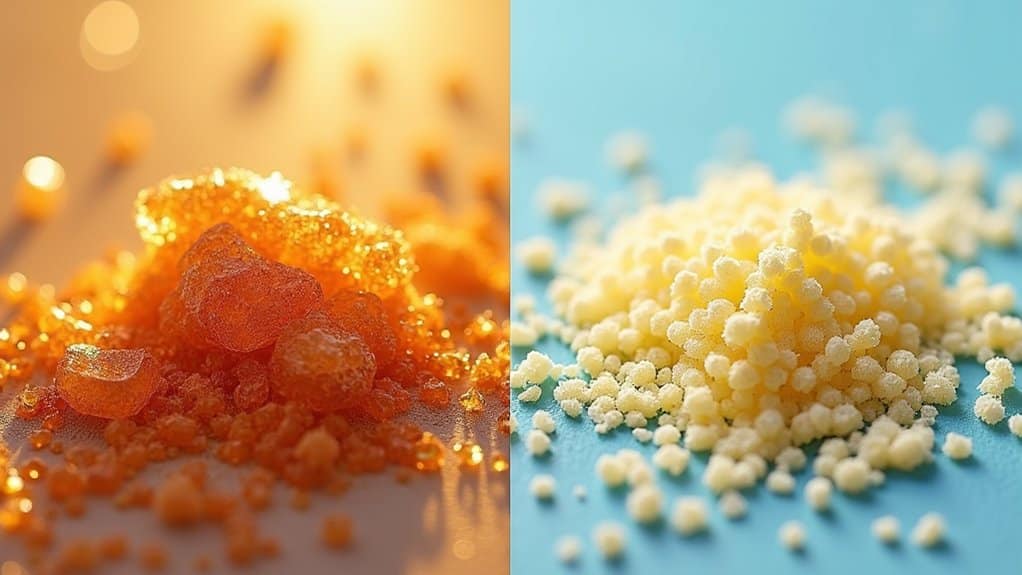
Cost differences between chlorine and bromine extend into the ongoing labor and attention each sanitizer demands. Chlorine’s rapid breakdown increases testing frequency, requiring daily or every-other-day monitoring in high-use pools. Bromine’s stable residuals reduce this burden considerably.
Your dosing requirements shift dramatically between systems. Chlorine dissipates quickly outdoors, demanding frequent replenishment. Bromine tablets provide sustained release and reactivate with shock treatment, extending intervals between additions.
Consider these pH monitoring demands and maintenance factors:
- Chlorine requires tight pH control between 7.2-7.6 to maintain efficacy
- Bromine performs effectively across broader pH ranges above 7.8
- Equipment and surface checks occur less frequently with bromine’s gentler residuals
- Overall maintenance effort decreases with bromine’s longer-lasting sanitation
Chlorine suits hands-on schedules, while bromine minimizes intervention needs.
Which Sanitizer Is Gentler on Skin and Eyes?
When chlorine reacts with organic compounds like sweat and body oils, it forms chloramines, byproducts responsible for the harsh chemical odor and irritation you associate with heavily used pools. Bromine undergoes a similar reaction but produces bromamines, which remain effective sanitizers without generating that distinctive smell or causing the same level of skin and eye discomfort. You’ll notice this difference most in enclosed spaces like indoor pools and hot tubs, where chloramine buildup intensifies irritation while bromamines maintain water quality with reduced sensory impact.
Bromamines vs Chloramines Effects
Bromamines and chloramines break down differently in pool and spa water, producing distinct effects on swimmers’ skin and eyes. When chlorine oxidizes contaminants, it forms chloramines that cause significant irritation to the eyes and skin. Bromamines retain their bromamines sanitizing power while demonstrating superior skin and eye gentleness.
Bromamine Stability In Water allows them to remain effective without gassing off the surface. You’ll find Ideal Levels and Reactivation easier to maintain with bromine systems.
Key differences between bromamines and chloramines:
- Bromamines continue disinfecting after formation; chloramines lose effectiveness immediately
- Chloramines require breakpoint chlorination for removal; bromamines reactivate with chlorine-free shock
- Bromamines stay stable in warmer temperatures and higher pH levels
- Bromamines produce fewer skin and eye side effects than their chlorine counterparts
You’ll experience noticeably gentler water with properly maintained bromine systems.
Odor and Irritation Levels
The chemical differences between bromamines and chloramines directly influence how each sanitizer affects your comfort during swimming or soaking. When comparing bromine vs chlorine, you’ll notice distinct odor perception bromamines produce, a considerably milder smell than chlorine’s pungent aroma. Chloramine formation pool environments generate that characteristic “pool smell” many find unpleasant.
In the eye irritation comparison between these sanitizers, bromine consistently demonstrates gentler properties. Studies show 23-33% of swimmers experience eye redness across various disinfection systems. When evaluating chlorine vs bromine pool options, bromine typically causes less skin irritation, particularly for sensitive individuals.
Your personal chemistry matters tremendously. While bromine suits most users better, some experience the opposite reaction. Maintaining proper chemical balance remains essential regardless of which sanitizer you select.
Frequently Asked Questions
Can You Switch From Bromine to Chlorine Without Draining Your Pool?
No, you can’t switch from bromine to chlorine without draining your pool. Residual bromine ions persist in your water even when levels test at zero. When you add chlorine, these ions convert it back to bromine, making your substitution ineffective. You’ll need to completely drain your pool and flush all plumbing lines. Partial draining won’t work, trace amounts will reactivate the conversion process, undermining your chlorine program.
Does Bromine Leave a Residue on Swimsuits or Pool Surfaces?
Bromine doesn’t typically leave noticeable residue on swimsuits. Its bromamines remain less irritating than chloramines, reducing fabric impact, and you won’t detect strong chemical odors on your suits after swimming.
On pool surfaces, you’ll encounter different issues. Bromine’s lower pH can contribute to cloudier water and sediment accumulation. You may also see organic debris buildup since bromine oxidizes contaminants less effectively than chlorine. Indoor pools risk bromate formation from over-oxidation, potentially contaminating surfaces.
How Long Should You Wait to Swim After Adding Each Sanitizer?
You should wait 4-8 hours after adding regular chlorine doses, allowing complete dispersion through your filtration system. Chlorine shock treatments require a 24-hour wait since they elevate levels substantially above safe limits. Bromine systems using potassium peroxymonosulfate oxidizer permit entry approximately 15 minutes after application. Always test your water before swimming, safe chlorine levels range from 1-3 ppm, with concentrations above 5 ppm causing skin and eye irritation.
Can Bromine and Chlorine Be Mixed Together Safely?
You shouldn’t mix bromine and chlorine in dry form, this creates a dangerous exothermic reaction that can cause fire or heat release. When dissolved in water, the mixture becomes less hazardous but still problematic. The chemicals form bromine chloride, which reduces sanitizer effectiveness. Additionally, chlorine reactivates bromine salts, permanently converting your pool to a bromine system. You’d need complete drainage to reverse this conversion.
Which Sanitizer Works Better in Saltwater Pool Systems?
Chlorine works better in saltwater pool systems. Your saltwater chlorinator generates chlorine through electrolysis, producing sanitizer on-demand without manual additions. You’ll benefit from lower ongoing costs, chlorine runs approximately $150 per 50-pound bucket versus bromine‘s $300. Standard saltwater systems don’t produce bromine directly, requiring separate additions. While chlorine degrades under UV exposure, it still outperforms bromine in outdoor saltwater pools, since bromine’s UV sensitivity creates greater instability in sun-exposed environments.