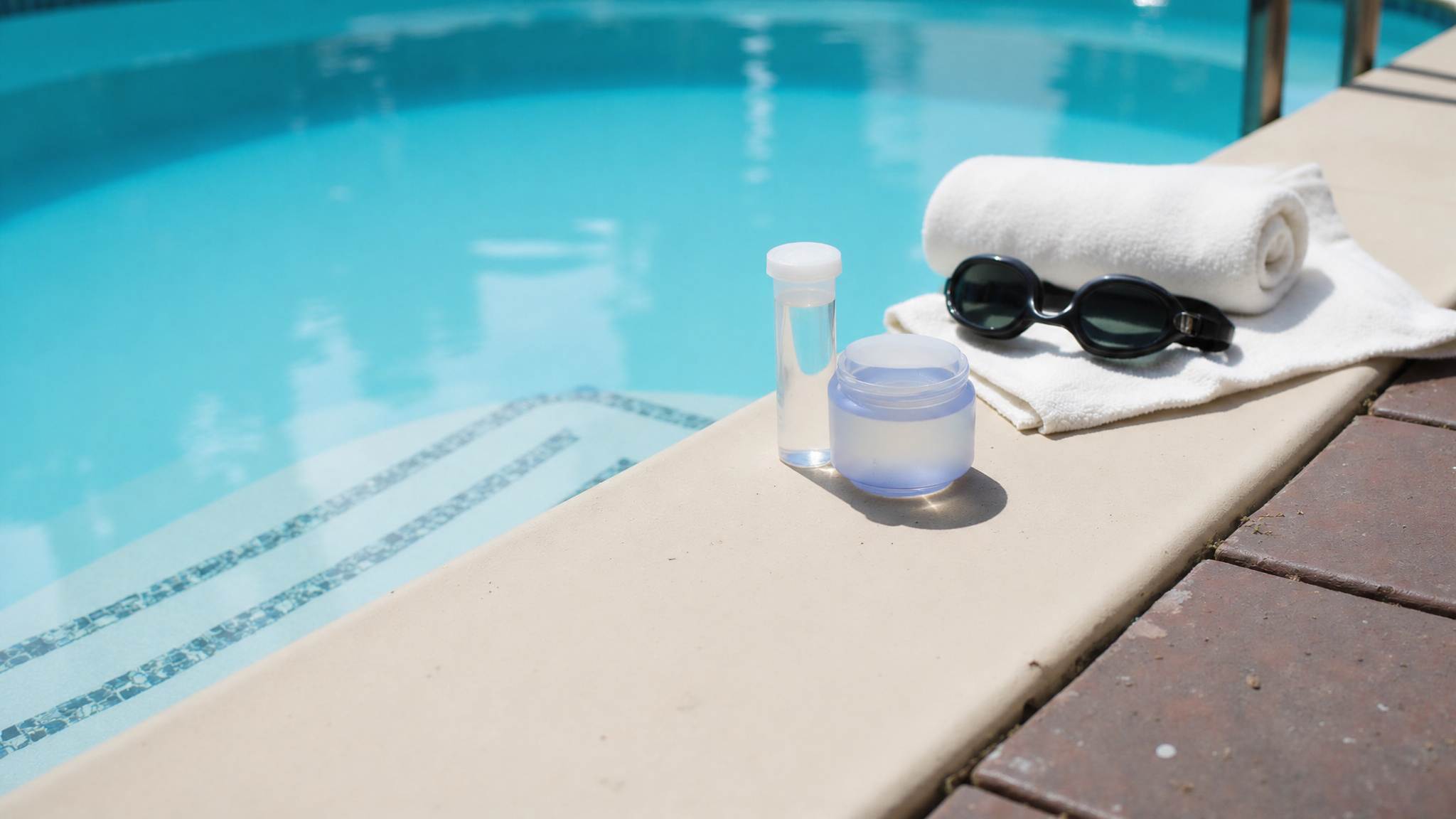
For your saltwater pool, you’ll need pool-grade salt (maintaining 2,700-3,400 ppm), muriatic acid or sodium bisulfate for pH control (7.2-7.6), and sodium bicarbonate for alkalinity adjustment (80-120 ppm). You’ll also require stabilizer (30-50 ppm) and non-chlorine shock treatments for chloramine removal. While saltwater systems generate their own chlorine, you’ll still need scale inhibitors and algaecides for maximum maintenance. Understanding these chemical requirements guarantees your pool’s long-term health and efficiency. Additionally, regular testing of your water chemistry is crucial to ensure that all levels remain within the ideal ranges. For further assistance, consider seeking out saltwater pool chemical balance tips to help you maintain optimal conditions.
Salt Requirements and Maintenance Levels
Maintaining proper salt levels in a saltwater pool system is critical for ideal chlorinator performance and swimmer comfort. You’ll need to keep your salt concentration between 2,700 and 3,400 ppm, with 3,200 ppm being most effective. For initial salt addition in a 10,000-gallon pool, you’ll require approximately 6-7 bags of 40-pound pool-grade salt. Water balance levels must be properly adjusted before transitioning to salt chlorination. Operating with salt levels below 2,900 ppm can cause board failures in your salt chlorinator. The softer water quality provided by saltwater pools results in less irritation to swimmers’ skin and eyes compared to traditional chlorine pools.
Your salt monitoring routine should include monthly testing using a digital refractometer, with additional checks after significant rainfall or water replacement. When adding salt, do so gradually and allow 24-48 hours for complete dissolution while running your circulation system. Remember that salt levels below 2,700 ppm will reduce chlorinator efficiency, while exceeding 3,400 ppm risks system shutdown. Unlike other pool chemicals, salt doesn’t degrade over time, requiring replacement only when water is lost.
Chlorine Generation and Testing Protocols
You’ll need to monitor your pool’s free chlorine levels daily using a reliable test kit while ensuring the generator maintains 1-3 ppm for proper sanitization. The salt concentration must stay between 2800-4200 ppm for residential systems to function correctly. To optimize your salt chlorinator’s performance, adjust the output percentage based on factors like bather load, weather conditions, and stabilizer levels until you achieve consistent chlorine readings. Your chlorine production efficiency depends on maintaining proper pH (7.2-7.8), stabilizer (30-50 ppm), and total alkalinity (80-120 ppm) levels through regular testing and chemical adjustments. The control board settings allow you to easily adjust chlorine generation levels to maintain proper sanitization in your pool. The generator’s titanium plates require periodic cleaning to remove calcium buildup that can reduce chlorine production.
Daily Testing Methods
Three essential parameters form the foundation of daily saltwater pool testing: free chlorine levels, pH balance, and salt concentration. You’ll need reliable daily test kits to monitor these vital values, guaranteeing your pool’s sanitization system operates efficiently. Testing frequency should occur at consistent times, preferably in the morning, to establish baseline readings and track changes accurately. The process of electrolytic chlorine generation maintains sanitization automatically once proper chemical levels are established. The system helps eliminate physical chlorine storage while providing consistent sanitization levels throughout the pool.
- Use DPD test kits to verify free chlorine levels remain sufficient for proper sanitization
- Check pH levels to maintain the 7.2-7.8 range for ideal chlorine effectiveness
- Monitor salt concentration between 3,000-3,500 ppm using digital meters for precise readings
Collect water samples from your pool’s deep end to guarantee representative results. Test strips provide quick initial readings, but digital meters offer greater accuracy for detailed analysis of these vital parameters.
Optimizing Generator Settings
How effectively your saltwater pool operates depends largely on enhancing your chlorine generator’s settings. You’ll need to maintain output percentages between 20-60%, adjusting based on your pool’s size and usage patterns. For peak generator efficiency, keep salt levels within 3200-3400 ppm while maintaining CYA at 30-50 ppm. Since cold temperatures can affect production, generators automatically stop producing chlorine at 52 degrees. Regular salt cell cleaning helps prevent calcium buildup and ensures optimal chlorine production. The reduced maintenance time compared to traditional chlorine pools makes saltwater systems increasingly appealing to pool owners.
Your pump’s runtime directly impacts chlorine production – longer runtimes and higher RPM settings increase output. Make seasonal adjustments to account for varying chlorine demands throughout the year. Monitor your chlorine levels daily, increasing the percentage when readings fall below 1-3 ppm and decreasing when they rise above this range. For precise control, utilize your system’s digital controls and auto-adjust features, always following manufacturer specifications for your specific model.
Chlorine Production Factors
While saltwater pools rely on electrolysis for sanitization, understanding the key factors affecting chlorine production guarantees peak system performance. The electrolysis process depends heavily on maintaining salt concentrations between 3,000-3,500 ppm to achieve ideal chlorine efficiency. You’ll need to monitor your generator’s electrolytic plates regularly, as their condition directly impacts production capacity.
- Test free chlorine levels daily to maintain 1-3 ppm, ensuring proper sanitization
- Monitor pH levels between 7.2-7.8 to maximize chlorine effectiveness
- Check cyanuric acid levels weekly, maintaining 30-50 ppm to prevent UV degradation
The success of your chlorine generation system relies on balancing these factors while managing sodium hydroxide buildup. Regular testing and adjustment of these parameters will maintain consistent sanitization levels and prevent equipment damage.
Essential Ph Balancing Chemicals
Maintaining proper pH balance stands as one of the most critical aspects of saltwater pool chemistry, with an ideal range of 7.2-7.6 ppm. You’ll need two primary pH adjustment methods: muriatic acid or dry acid (sodium bisulfate) to lower high pH, and sodium carbonate to raise low pH levels. The salt chlorine generator helps maintain more stable pH levels compared to traditional chlorine pools. It’s also important to regularly test the pH levels to ensure they remain within the ideal range, as fluctuations can lead to corrosion or scaling. Additionally, when comparing saltwater and chlorine pools, many owners find that saltwater systems tend to be gentler on the skin and eyes.
When applying these chemicals, you’ll need to follow specific chemical application techniques. Always dilute acids in a large bucket of water before adding them to your pool, and keep the circulation system running during application. Pool test strips offer a convenient way to monitor pH levels regularly. Test your water 1-2 hours after treatment, and avoid adding multiple chemicals at once. You’ll need to wait at least 24 hours between adjustments to accurately track the effects. Regular testing helps identify pH trends and prevents potential equipment damage from extreme fluctuations.
Total Alkalinity Management Solutions
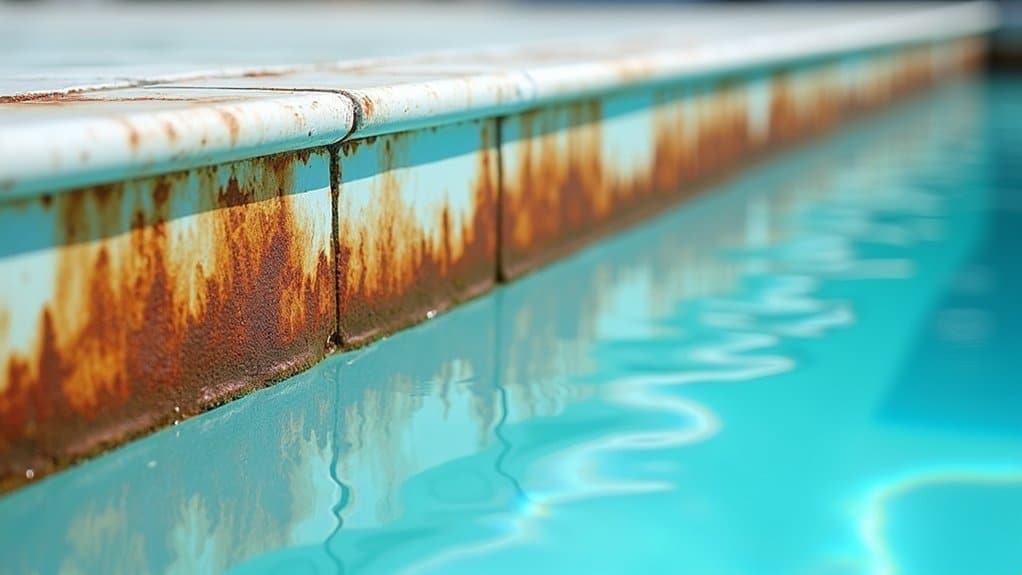
Regular testing of your saltwater pool’s total alkalinity requires accurate test strips or liquid kits to measure levels between 60-80 ppm. You’ll need to apply sodium bicarbonate (baking soda) methodically, adding 1.5 pounds per 10,000 gallons of water to raise alkalinity by 10 ppm when levels drop too low. Your pH stability depends directly on maintaining proper alkalinity levels, which act as a buffer against rapid pH fluctuations that can compromise your saltwater system’s effectiveness. Maintaining alkalinity within the recommended range helps prevent metal corrosion and staining. While electronic meters are available, drop test kits provide more reliable alkalinity readings. When levels are too high, using muriatic acid is the most effective solution to bring alkalinity back into the proper range.
Optimal Alkalinity Testing Methods
Testing your saltwater pool’s total alkalinity requires a precise approach to confirm accurate measurements and proper chemical balance. Among available testing methods, titration techniques offer the highest level of accuracy, consistently delivering readings within ±5 ppm. You’ll find that professional titration kits, while more expensive, provide laboratory-grade precision essential for maintaining ideal saltwater chemistry.
- Use sodium thiosulfate to neutralize chlorine before testing, confirming baseline chemical conditions for accurate measurements
- Implement dropwise titration with phenolphthalein indicator until achieving a stable color change
- Monitor readings between 80-120 ppm, adjusting chemicals accordingly based on testing accuracy
While test strips offer convenience, they’re less precise than liquid reagent kits or digital meters. For saltwater pools, investing in professional-grade testing equipment confirms you’ll maintain proper chemical balance with confidence.
Baking Soda Application Tips
When your saltwater pool’s total alkalinity drops below ideal levels, baking soda serves as a primary corrective agent for restoring proper chemical balance. For best baking soda benefits, you’ll need to follow precise dosing techniques and application timing.
| Factor | Recommendation |
|---|---|
| Dosage Rate | 1.5-2 lbs per 10k gallons |
| Application Time | Evening hours |
| Mixing Method | Pre-dissolve in warm water |
| Wait Period | 4-6 hours before retesting |
| Target Range | 80-100 ppm |
You’ll want to apply during filtration cycles and brush any undissolved granules from the pool floor. Remember to test TA levels weekly and maintain your stabilizer at 50 ppm for best chlorine efficiency. Don’t exceed the target range of 100 ppm, as this can lead to scaling and pH instability in your saltwater system.
Ph Stability Solutions
Maintaining stable pH levels in saltwater pools requires a systematic approach to total alkalinity management through carefully selected chemical solutions. You’ll need to implement proven pH management strategies using muriatic acid or sodium bisulfate to achieve ideal ranges of 7.2-7.6 pH and 60-80 ppm total alkalinity. Modern eco-friendly solutions like Clearwater’s stabilization systems offer chemical-reducing alternatives for long-term sustainability.
- Add muriatic acid gradually while the pump runs, starting with 1-2 cups per 10,000 gallons, then wait 24-48 hours before retesting and adjusting further
- Monitor pH rebounds after reaching 7.0, allowing levels to naturally rise to 7.2 before additional treatment
- Consider installing automated pH stabilization technology to minimize chemical usage and maintain consistent levels year-round
Stabilizer Types and Application Methods
Selecting the right stabilizer and applying it correctly are essential elements of saltwater pool maintenance. Cyanuric acid (CYA) is your primary stabilizer choice, offering vital UV protection and chlorine stability benefits. You’ll want to use granular CYA rather than liquid forms, as it dissolves more effectively and distributes evenly throughout your pool.
For initial CYA dosage, add 1 pound per 3,000 gallons of fresh water. When maintaining levels, use 1 pound per 4,000 gallons to raise CYA by 30 ppm. Always dissolve the granules in warm water before adding them to your pool, and introduce the solution through your skimmer. Keep CYA levels between 20-50 ppm to maximize chlorine efficiency while ensuring safe operation of your saltwater system.
Preventive Chemical Treatments
A proactive approach to saltwater pool chemistry involves several key preventive treatments that work alongside your stabilizer regimen. You’ll need to implement regular preventive treatments to maintain ideal water chemistry and protect your pool’s equipment. Essential preventive measures include using scale inhibitors like PEPPER® to extend your salt cell’s lifespan and applying weekly non-chlorine shock treatments to eliminate chloramines.
- Use HTH Algae Guard Series products specifically formulated for saltwater systems to prevent algae growth before it starts
- Monitor and maintain proper pH levels between 7.2-7.8 using muriatic acid and borates to prevent corrosion
- Apply debris oxidizers to enhance filtration efficiency while maintaining water clarity
These preventive treatments guarantee your saltwater pool stays balanced and clear while protecting your investment in saltwater chlorination equipment. Understanding how saltwater pools function is essential for maintaining their optimal performance. By continuously circulating and treating the water, these systems ensure that the chlorine levels remain stable, reducing the likelihood of algae growth and minimizing chemical imbalances.
Frequently Asked Questions
How Long Does a Salt Chlorine Generator Cell Typically Last Before Replacement?
Your salt cell lifespan typically ranges from 3-6 years, depending on how well you maintain your generator maintenance schedule. You’ll need to replace your cell sooner if you don’t regularly clean it or if you run it at high output levels. To maximize longevity, you should inspect your cell quarterly for calcium buildup and clean it monthly with mild acid solutions. Proper care can help extend its operational life.
Can Pool Salt Stain or Damage Nearby Landscaping and Deck Materials?
Yes, pool salt can cause significant damage to your surrounding landscape and hardscape materials. You’ll notice salt damage through brown spots on plants, corrosion on metal fixtures, and white staining on concrete or wood surfaces. Salt spray and runoff can harm your landscaping by disrupting soil chemistry and causing leaf burn. To minimize these effects, you’ll need to direct pool drainage away from vegetation and regularly rinse deck materials with fresh water.
What Happens if the Water Temperature Changes Dramatically in Saltwater Pools?
When your saltwater pool experiences dramatic temperature changes, it directly affects the chlorine generation system‘s performance. The most critical impact occurs below 60°F, when your chlorinator stops producing chlorine altogether. In warmer temperatures, you’ll need to monitor sanitization levels more closely as bacterial growth accelerates. Your pool’s stability depends on maintaining proper chemical balance and ensuring your salt chlorine generator functions efficiently across temperature fluctuations.
Are There Specific Chemicals That Should Never Mix With Saltwater Systems?
When managing your saltwater pool’s chemical interactions, you’ll need to avoid certain substances that can damage the system. Never add traditional chlorine products, as they’ll interfere with your salt chlorinator’s function. Don’t introduce metal-based algaecides, which can cause staining and scaling. Avoid using non-pool grade salt or calcium-based chemicals. For proper pool maintenance, steer clear of cyanuric acid levels above 80 ppm and strong acids except when cleaning the salt cell.
Do Saltwater Pools Require Different Winterization Chemicals Than Traditional Chlorine Pools?
Yes, you’ll need specific chemicals for saltwater pool winterization that differ from traditional pools. During the winterization process, you’ll require specialized stain inhibitors to prevent salt-induced metal discoloration, and you should maintain lower salt levels (2,800-3,000 ppm) before closing. You’ll also need to adjust your chemical balance differently, focusing on pH (7.2-7.8), alkalinity (80-120 ppm), and calcium hardness (200-400 ppm) levels specifically calibrated for saltwater systems.