Yes, pool chemicals can lose their effectiveness over time, with chlorine-based products generally having shorter usable lifespans than many dry pool balancers. Liquid chlorine is particularly time-sensitive, with an approximate 3, 6 month shelf life under ideal storage conditions, while granular pool shock is generally best used within 1 year. Other chemicals may remain usable longer when kept tightly sealed in a cool, dry, well-ventilated area away from sunlight and incompatible chemicals. Always check the product label, inspect older chemicals for changes such as discoloration or separation, and test your pool water after using an older product to confirm that the desired chemical level is reached.
Yes, Pool Chemicals Expire: And Using Them Wastes Money
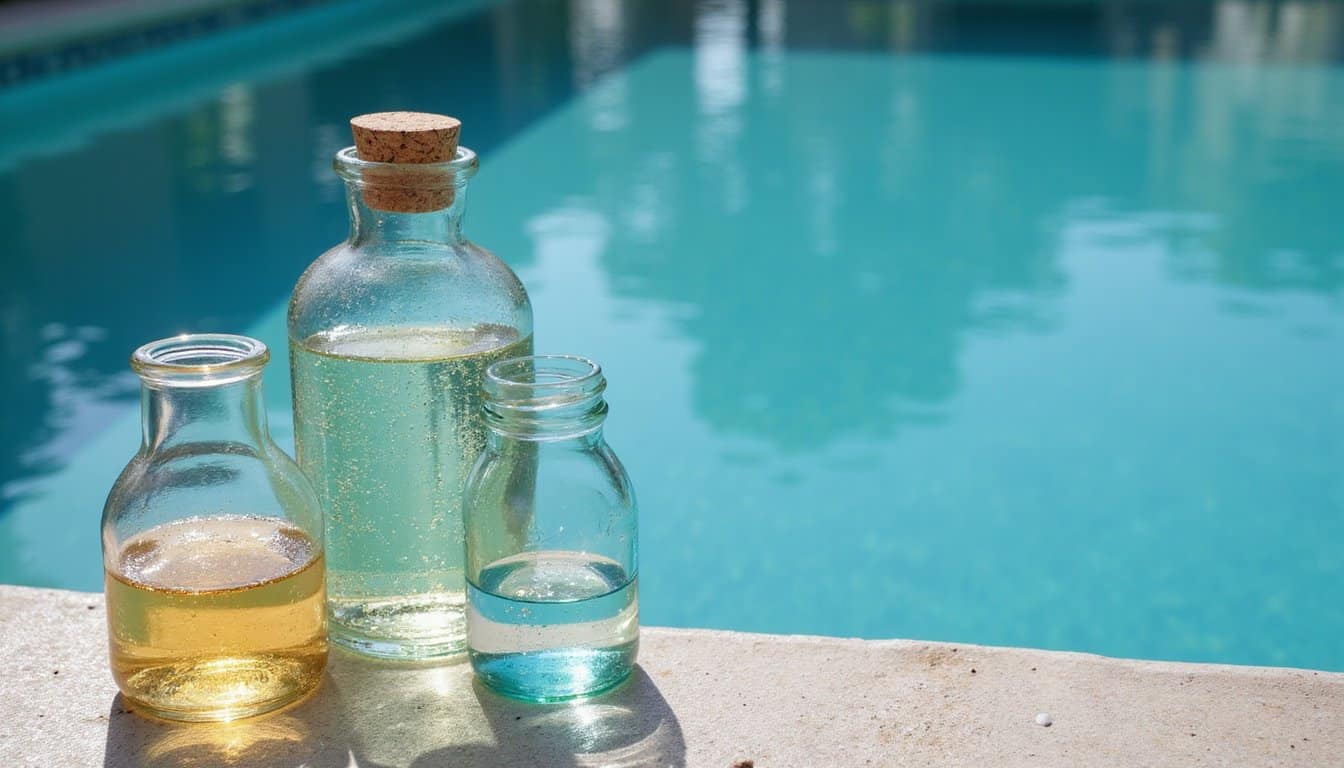
Following proper pool chemical storage guidelines, sealed containers, cool temperatures below 75°F, and zero sunlight exposure, directly extends product effectiveness. You should label purchase dates on every container and replace stock each season to avoid costly waste. For example, liquid chlorine loses 50% potency within just six months, making it especially important to buy only what you need for the current season. Improper storage doesn’t just shorten shelf life, it can also lead to dangerous chemical reactions, harmful fumes, or spills that put your family, pets, and property at risk.
How Long Does Liquid Chlorine Last?
Sodium hypochlorite stability depends entirely on your storage conditions. Heat, cold, and direct sunlight accelerate decomposition considerably. You should store liquid chlorine in airtight containers at consistent temperatures between 50-70°F in dark, dry, ventilated spaces.
Compared to granular chlorine lasting five-plus years or tablets retaining 98% potency at 36 months, liquid chlorine remains viable only briefly post-production. You should replace any supply exceeding six months and always verify remaining potency before dosing your pool. Mixing bromine and chlorine in hot tub environments can create potential hazards due to their chemical reactions. It is crucial to maintain the right balance of sanitizers to ensure safety and effective water treatment.
How Long Do Chlorine Tablets Last?
Tablet Potency Over Time
Although chlorine tablets rank among the most stable sanitizer forms available, their potency doesn’t last forever, and understanding their degradation timeline directly impacts your pool’s water safety. Trichlor chlorine tablets storage life extends up to five years under ideal conditions, with lab-tested chlorine tablets stability confirming 98% potency retention at 36 months.
Key degradation benchmarks you should monitor:
- 0, 36 months: Individually wrapped tablets retain 98% original chlorine concentration when stored at 50, 70°F
- 3, 5 years: Usability continues but peak efficiency gradually diminishes
- Heat exposure above 75°F: Accelerates chemical breakdown considerably
- Air exposure oxidation in chlorine products: Compromises tablet integrity when containers aren’t sealed tightly
You’ll maximize shelf life by maintaining closed lids and cool, dry storage environments. Replace stock exceeding three years for critical sanitization reliability.
Optimal Storage Conditions
| Storage Factor | Requirement | Risk if Ignored |
|---|---|---|
| Temperature-control | 50, 70°F, no direct sunlight | 50%+ potency loss within months |
| Container-selection | Original airtight, child-proof bucket | Moisture infiltration, contamination |
| Ventilation-humidity | Dry, well-ventilated space | Clumping, hardening, toxic vapor buildup |
You’ll also want to separate chlorine from acids and flammables. Store containers on ground level, never stack liquids above dry chemicals. Label each bucket with its purchase date for accurate age tracking. You’ll also want to separate chlorine from acids and flammables, which is crucial when understanding how to safely dispose of pool chemicals and prevent dangerous reactions. Store containers on ground level never stack liquids above dry chemicals. Label each bucket with its purchase date for accurate age tracking.
How Long Does Granular Chlorine Last?
When you store granular chlorine (calcium hypochlorite) in airtight white plastic buckets at 50, 70°F, you can expect it to retain near-complete potency for more than five years, far outlasting liquid chlorine, which loses 50% strength within six months. Moisture is granular chlorine’s primary enemy: even small tears in packaging allow humid air to infiltrate, transforming dry granules into a pasty, unusable consistency within weeks and dissolving standard bags entirely in 12, 24 months. To protect your investment, repack bulk purchases into single-dose freezer bags or sealed containers, store them in cool, dark indoor locations away from direct sunlight, and inspect for clumping or hardening before each use.
Shelf Life Expectations
Granular chlorine maintains its sanitizing power far longer than liquid formulations, provided you store it under the right conditions. Understanding pool chemicals shelf life helps you plan purchases and maintain effective water treatment.
When you follow proper swimming pool chemicals storage conditions, expect these benchmarks: Finding a local pool chemical supplier can help ensure you get the right products for your needs. Many suppliers offer a range of chemicals tailored for different pool types and sizes.
- Sealed, cool storage (50, 70°F): retains 98% available chlorine at 36 months
- Airtight plastic buckets: viable up to 5 years
- Opened containers without reseal: accelerated degradation within months
- Heat exposure above 75°F: significant potency loss within one year
Pool chemical potency retention depends entirely on environmental control. You’ll achieve peak efficiency within three years, but properly sealed granular chlorine remains viable beyond five years. Always check expiration dates and rotate stock to guarantee reliable sanitization throughout each swimming season. When using chemicals in your pool, it’s important to plan accordingly. Understanding how long after putting chemicals in pool can you swim will help you maintain safety for all swimmers.
Moisture Ruins Potency
You should store all granular chlorine indoors, away from humid air, with lids tightly sealed. This single precaution prevents the fastest degradation pathway these chemicals face.
Best Storage Methods
Because granular chlorine’s shelf life depends almost entirely on how you store it, mastering a few key practices can extend its usability well beyond five years. Effective pool maintenance chemical management starts with controlling environmental variables that accelerate degradation.
Follow these standards for sealed container chemical longevity:
- Store in airtight plastic buckets or drums, avoid 1 lb bags, which dissolve within 12, 24 months due to air absorption.
- Maintain a cool dry storage environment between 50, 70°F; temperatures exceeding 75°F reduce potency substantially.
- Repack bulk granules into sealed freezer bags for single-dose portions, minimizing repeated exposure to moisture and contaminants.
- Keep containers in dark, indoor locations away from direct sunlight, extreme heat, and incompatible chemicals.
Tightly closed lids and consistent cool temperatures preserve chlorine content reliably past the five-year threshold.
Do Algaecides and Clarifiers Expire?
Although algaecides and clarifiers rank among the more shelf-stable pool chemicals, they don’t last indefinitely. Algaecide pool chemical shelf life typically ranges from three to five years when you store containers sealed in cool, dry locations below 75°F. Copper based algaecide stability depends heavily on protecting formulations from heat, humidity, and direct sunlight, which accelerate degradation. Lower-concentration products (10% and 30%) deteriorate faster under increased temperatures.
Do pH and Alkalinity Balancers Expire?
How long do pH and alkalinity balancers actually last before losing their effectiveness? You’ll find these products among the most shelf-stable pool chemicals available. Sodium carbonate stability extends beyond five years in airtight storage, while sodium bicarbonate shelf life remains virtually indefinite when you keep it dry. Calcium hardness increaser calcium chloride stability holds strong for up to five years, even tolerating moderate temperature fluctuations.
Watch for these critical degradation indicators:
- Clumping or hardening from moisture absorption
- Caking into solid blocks that prevent accurate dosing
- Container corrosion from acidic pH products
- Reduced pH response when sodium carbonate converts to bicarbonate
Store these balancers at 50-70°F in sealed containers. You should mark purchase dates and replace improperly stored products within one to two years.
How Long Do pH Decreasers and Acids Last?
pH decreasers and acids rank among the most chemically stable pool products you’ll encounter, with sodium bisulfate and muriatic acid maintaining effective potency for up to five years under proper storage conditions. Sodium bisulfate stability remains exceptional when you store dry granules in airtight containers away from moisture. Muriatic acid shelf life extends three to five years in original sealed packaging, though you should routinely inspect containers for corrosion. Adding acid to pool water is essential for adjusting pH levels and ensuring water clarity. It is important to follow manufacturer instructions to avoid over-acidification, which can lead to damage to pool surfaces and equipment.
Hydrochloric acid stability depends entirely on container integrity. Prolonged acid contact degrades thin plastic bottles before the chemical itself expires, risking toxic fume release. Store acids on plastic or coated shelves in cool, well-ventilated areas separated from oxidizers. Despite their five-year potential, you should reorder fresh batches annually and dispose of degraded containers per local regulations.
Heat, Moisture, and Sunlight: Storage Mistakes That Shorten Shelf Life
Even when you purchase pool chemicals well within their manufacture date, improper storage conditions, heat, moisture, and sunlight, can slash their effective shelf life by half or more. Understanding heat and moisture effects on pool chemicals is essential for maintaining water treatment chemical stability throughout each season.
Improper storage can cut your pool chemicals’ shelf life in half, proper conditions are essential year-round.
Key storage mistakes that accelerate degradation:
- Heat exposure above 75°F reduces algaecide and chlorine potency, with liquid chlorine losing 50% strength within six months
- Moisture infiltration dissolves granular chlorine packaging in 12, 24 months and causes hardening in pH adjusters
- Direct sunlight drives up to 90% chlorine loss within one year
- Freezing temperatures permanently destroy algaecides and clarifier polyamide structures
Proper pool chemical safety practices require consistent 50, 70°F storage in sealed, dark, dry indoor locations to preserve maximum effectiveness. Proper pool chemical safety practices require consistent 50, 70°F storage in sealed, dark, dry indoor locations to preserve maximum effectiveness, especially when understanding how to do chemicals in pool correctly to ensure both safety and optimal water treatment results.
When to Toss Old Pool Chemicals and Replace Them
Effectiveness loss in old pool chemicals manifests through visual cues: discoloration, clumping, crystallization, or crumbly tablets. If treated water remains cloudy or green despite correct dosing, your chemicals have likely expired. Replace sanitizers each season and pH balancers every three to five years. Understanding residential pool care supplies lifespan prevents ineffective sanitization, bacterial contamination, and costly corrective treatments. Dispose of degraded products through local hazardous waste facilities, never add them to your pool.
Ready to Turn Your Backyard Into Something Extraordinary?
Your dream outdoor space deserves more than a standard pool, it deserves a design built around your lifestyle and vision. At Cristallo Pools, our award-winning team specializes in custom pool construction, spa additions, complete backyard makeovers, and concierge maintenance, delivering resort-style results that go far beyond what typical pool contractors offer. Call +1 (561) 766-0353 today and let us bring your vision to life.
Frequently Asked Questions
Can Expired Pool Chemicals Be Harmful to Swimmers if Used?
Yes, expired pool chemicals can harm you directly. When degraded sanitizers fail to maintain 1, 3 ppm chlorine levels, bacteria and pathogens thrive, putting you at risk for skin rashes, eye irritation, respiratory issues, and gastrointestinal illness. You’ll also face heightened disinfection by-products like trihalomethanes, which studies link to increased bladder cancer risk at concentrations above 49 μg/L. Always verify chemical potency before dosing to confirm safe, standards-compliant water quality.
Is It Safe to Mix Old and New Pool Chemicals Together?
You shouldn’t mix old and new pool chemicals directly in concentrated form, even if they’re the same type. Degraded chemicals have unpredictable potency, making accurate dosing difficult and increasing the risk of dangerous reactions. Instead, you’ll want to add each product separately to your pool water, waiting 4, 6 hours between additions. Always test your water’s chlorine and pH levels after each addition to guarantee safe, effective treatment.
How Should You Properly Dispose of Expired Pool Chemicals at Home?
You should never pour expired pool chemicals down drains or toss them in household trash. Instead, contact your local hazardous waste facility for specific acceptance guidelines and packaging instructions. Check for municipal household hazardous waste collection events in your area, and ask pool supply stores about take-back programs. Always wear protective gloves and safety glasses when handling degraded chemicals, keep them in sealed or leak-proof containers, and separate incompatible products during transport.
Does Cyanuric Acid Stabilizer Expire or Lose Effectiveness Over Time?
Cyanuric acid doesn’t expire or lose effectiveness under proper storage conditions. You’ll find it remains chemically stable for over five years when you store it in a cool, dry place using airtight containers. Unlike chlorine products, it won’t degrade over time. However, you should watch for moisture-induced clumping or contamination. To verify potency, apply one pound per 3,000 gallons and test CYA levels after 48, 72 hours of circulation.
Can Expired Chlorine Cause Damage to Pool Equipment or Liners?
Yes, expired chlorine can damage your pool equipment and liners. When chlorine loses up to 50% of its potency, you’ll struggle to maintain proper water chemistry, creating corrosive imbalances that attack metal components, pump seals, and vinyl liners. You’ll also face accelerated scaling and staining from unbalanced pH levels. Degraded chlorine promotes algae and biofilm growth, which deteriorates liner surfaces. You should replace expired products immediately to protect your equipment investment.
Do Pool Chemicals Expire Faster After Opening?
Yes. Once opened, pool chemicals are exposed to air, moisture, and temperature changes, which can accelerate degradation. Liquid chlorine may lose significant strength within 3 to 6 months, while properly sealed dry chemicals can often remain effective for 1 to 3 years or longer.
Do Pool Chlorine Tablets Expire Once the Bucket Seal Is Broken?
Yes, but not immediately. Chlorine tablets can remain effective for about 2 to 3 years after opening when stored tightly sealed in a cool, dry location. Moisture entering the container can cause tablets to soften, crumble, and lose potency much faster.
Does Pool Clarifier Go Bad After the Bottle Is Opened?
Yes. Opened pool clarifier can gradually lose effectiveness, especially if exposed to heat, freezing, or contamination. Most liquid clarifiers are best used within about 1 to 2 years after opening, although the manufacturer’s expiration date should take priority.
Do Hot Tub Chemicals Expire on the Same Schedule as Pool Chemicals?
Generally, yes, because many hot tub and pool chemicals use similar active ingredients. Liquid sanitizers may last only 3 to 6 months, while dry chlorine, bromine, and balancing chemicals can often last 1 to 3 years when stored dry, sealed, and away from heat.