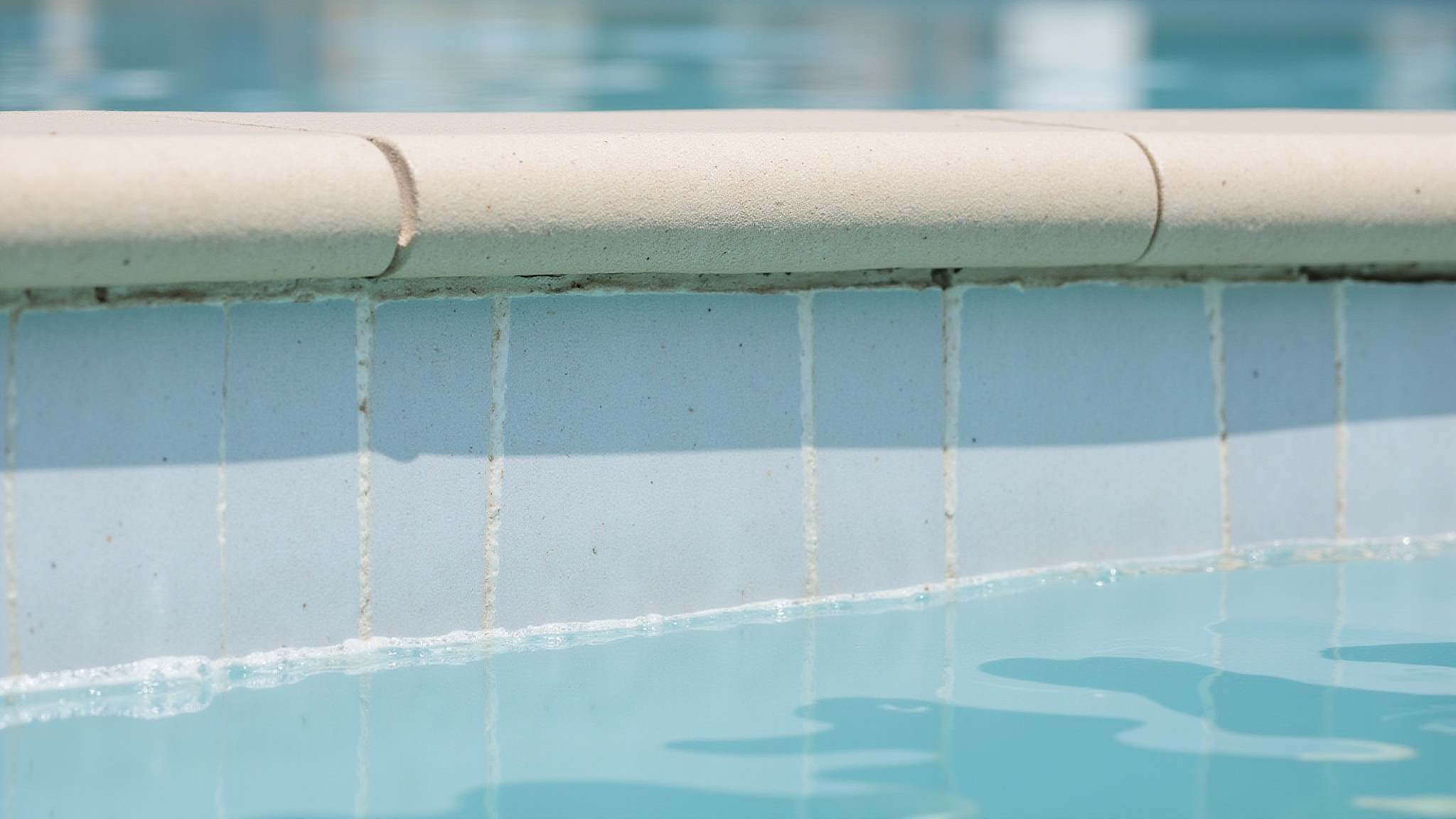
Brown stains along your salt water pool wall usually come from metals like iron, copper, or manganese. These metals enter through fill water, well water, or corroded equipment, then oxidize when they contact chlorine. Galvanic corrosion in salt pools speeds up metal release, and high pH pushes metals out of solution onto your surfaces. Organic debris can mimic these marks too. Keep going to learn how to identify, remove, and prevent them.
Key Takeaways
- Metals like iron, copper, or manganese enter the water and oxidize on pool surfaces, forming rust-colored stains.
- Metals arrive through fill water, well water, or corroded equipment such as heaters, fittings, and plumbing.
- Galvanic corrosion in salt pools accelerates metal release, worsening brown staining over time.
- High pH pushes metals out of solution, speeding their oxidation and binding to walls.
- Organic debris from leaves and dirt can also cause brown stains that mimic metal marks.
What do brown stains in a salt water pool look like
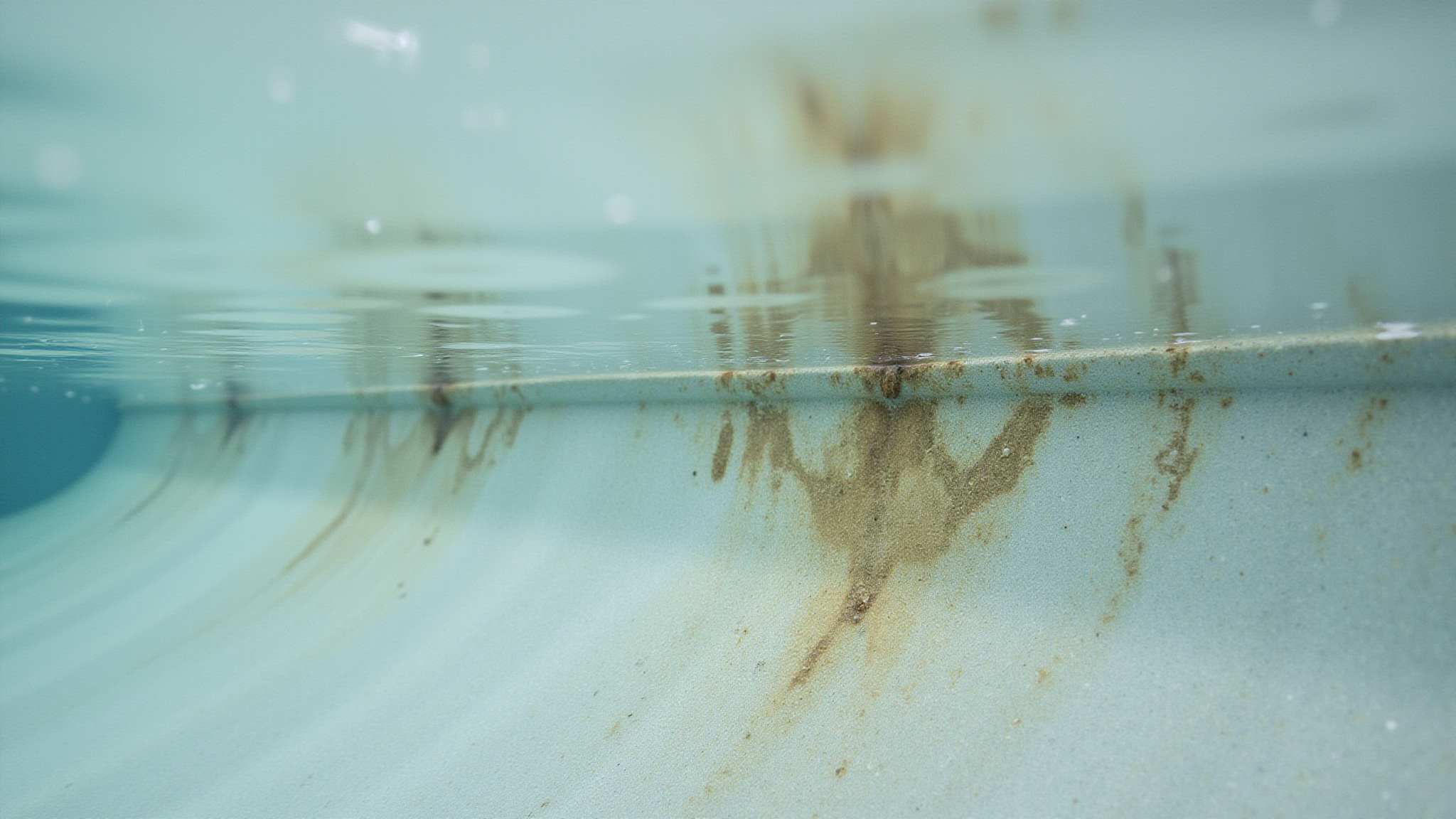
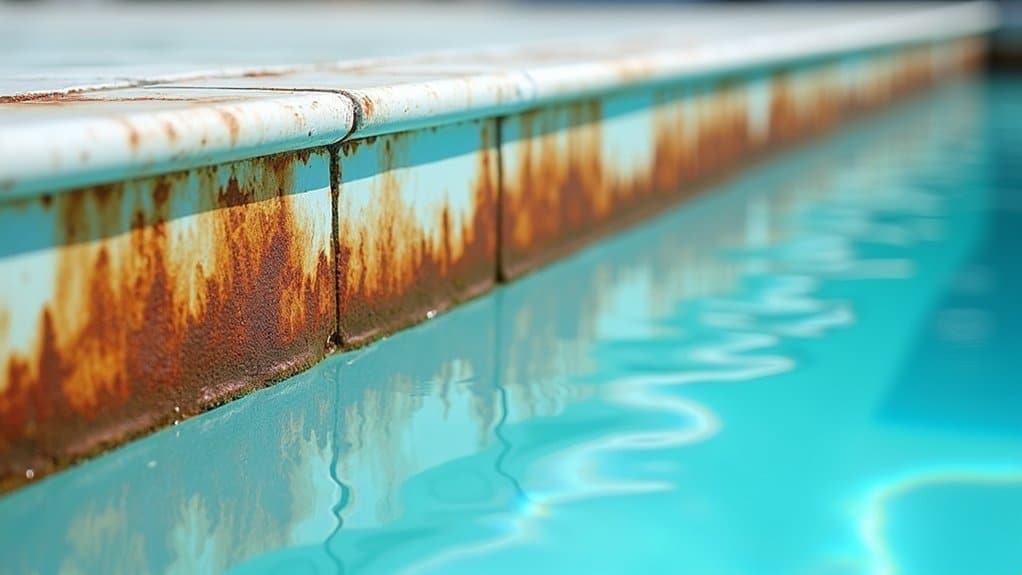
Brown stains in a saltwater pool typically appear as rust-colored or red-brown marks spreading across the walls, floor, or waterline. Iron staining most often produces this brown or red-brown color, so the shade itself gives you a strong diagnostic clue. You might see localized marks near screws, heater parts, or fittings, which points to metal corrosion at those spots. In other cases, staining collects along the waterline or in low-circulation areas, where debris and deposits settle.
Pay attention to texture too. Smooth discoloration usually signals metal staining, while rougher or crustier patches suggest scale mixed with metals or dirt. Because organic stains can mimic iron marks in a saltwater pool, you’ll want to identify the stain’s appearance before choosing any treatment.
Why does my salt water pool have brown stains
Your saltwater pool has brown stains because metals like iron, copper, or manganese entered the water and oxidized against the walls. These metals often arrive through your fill water, well water, or corroded equipment. In a salt pool, galvanic corrosion accelerates the problem, releasing copper and iron from heaters and plumbing directly into the water. Your water chemistry drives the rest. High pH pushes metals out of solution, and imbalanced chlorine or high total dissolved solids make them bind to surfaces faster. Organic debris, like decaying leaves, can add brown stains too, sometimes mimicking metal marks. Calcium scale complicates things further by trapping metals and dirt. Identify whether metals, organics, or scale drives your staining before you treat it.
How do metals like iron cause brown staining
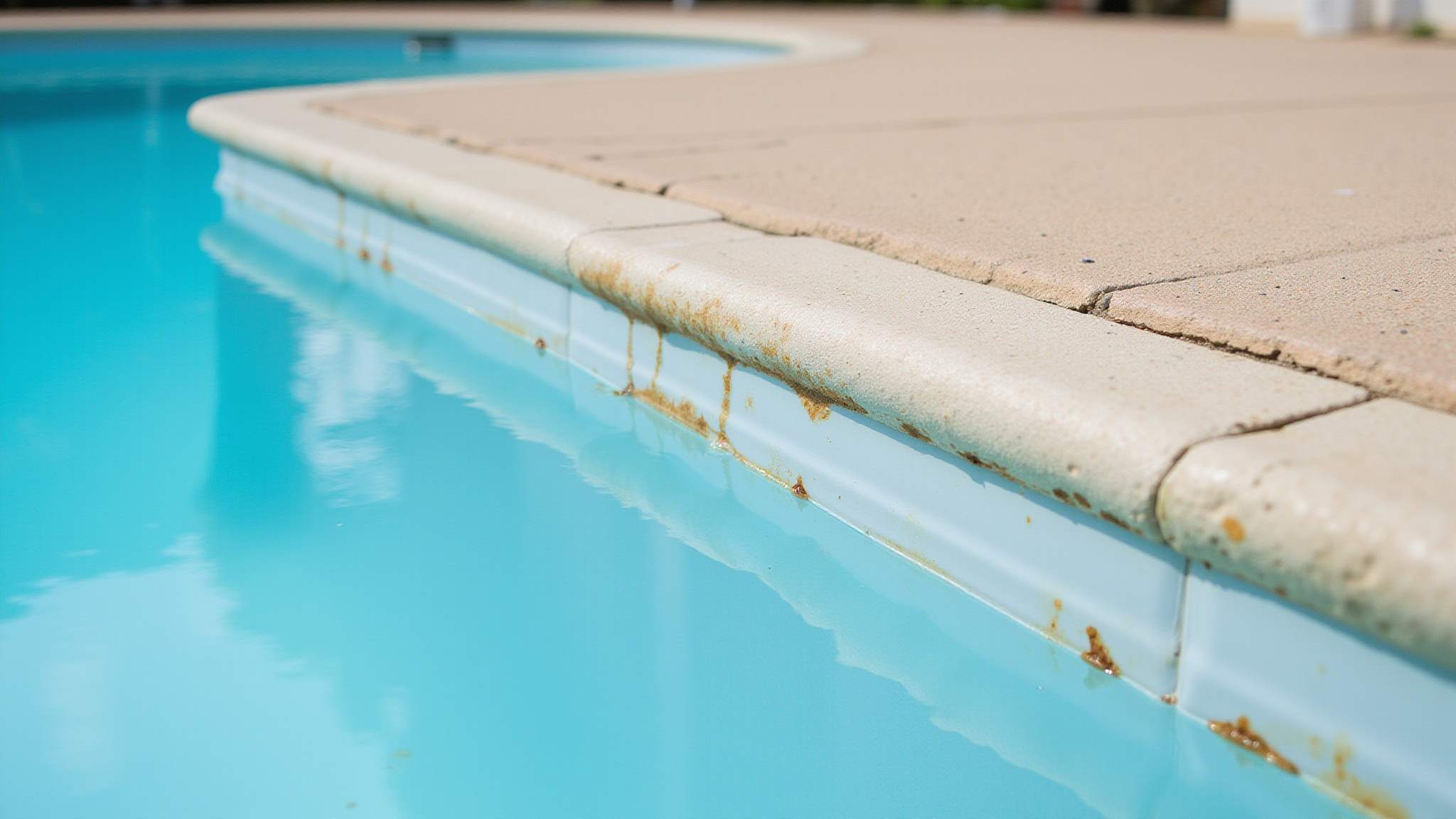
Metals like iron cause brown staining through a straightforward oxidation process. When iron enters your pool through fill water, well water, or corroded equipment, it dissolves into the water in a soluble form. Once it contacts the chlorine in your saltwater system, it oxidizes, converting to an insoluble state that precipitates onto your pool walls. This produces the rust-colored, brown, or red-brown marks you’ll typically see near screws, heater parts, and metal fittings.
High pH accelerates this reaction, pushing metals out of solution faster and binding them to surfaces. Saltwater systems increase the risk because chlorinated water readily drives oxidation. To confirm iron’s involvement, apply vitamin C or ascorbic acid to a stain. If it lightens quickly, you’re dealing with a metal problem requiring metal-specific treatment.
How do organic materials create brown stains
Organic materials create brown stains when leaves, dirt, and other debris settle on your pool surfaces, decay, and leave brown discoloration behind. You’ll typically find these stains where debris collects, along the waterline or in low-circulation areas where water movement can’t sweep material away. Algae and mixed organic buildup can also produce brown marks that closely resemble metal staining, which makes correct identification critical before you treat.
To confirm you’re dealing with organic staining, test the stain’s response to chlorine. If the discoloration fades when you apply chlorine, organics are the likely cause rather than metals. From there, regular brushing and consistent debris removal keep these stains from returning. Keeping circulation strong also reduces buildup in problem areas.
How do you remove brown stains from a salt water pool
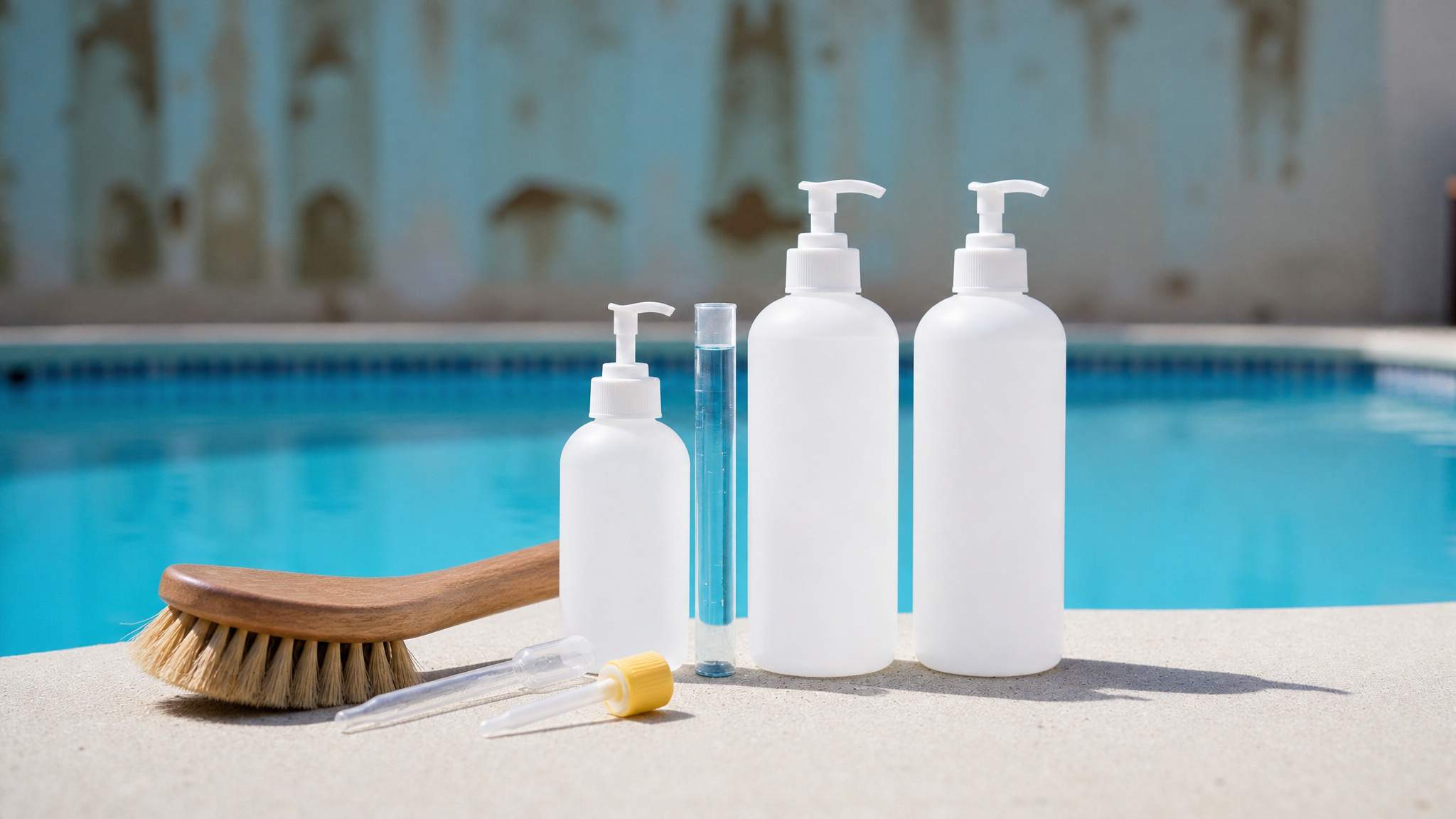
Remove brown stains from a salt water pool by identifying what’s causing them, because metal stains, organic stains, and scale each require a different fix. Test your water first, then run a spot test: if the stain fades with vitamin C or ascorbic acid, metals are involved; if it responds to chlorine, it’s organic. Match your treatment to the diagnosis below.
| Stain Type | Treatment Approach |
|---|---|
| Iron/metal | Apply ascorbic acid, then use a metal sequestrant |
| Copper | Sequester metals, correct pH, address corroded equipment |
| Organic/algae | Shock with chlorine, brush affected areas |
| Calcium scale | Lower pH, scrub or use scale remover |
| Mixed deposits | Combine acid and chlorine treatments sequentially |
After treating, balance your water and remove the corrosion source to prevent recurrence.
How do you prevent brown stains in your salt water pool
Prevent brown stains by controlling two things: the metals entering your water and the chemistry that lets them deposit. Test your fill water for iron, copper, and manganese before it reaches the pool, and use a pre-filter or sequestering agent if metals show up. Balance your water before adding salt, keeping pH in the normal range so metals stay dissolved instead of precipitating onto walls. Watch your total dissolved solids, since high TDS in salt pools raises staining risk. Inspect heaters, screws, and fittings regularly for corrosion, and address galvanic issues early to stop metals releasing into circulation. Brush walls often and remove organic debris promptly, especially along the waterline and in low-circulation zones. Consistent testing keeps small problems from becoming permanent stains.
Conclusion
Brown stains along a salt water pool wall usually come from metals like iron or copper in the water, or from organic debris that has settled and set in. Testing your water to pinpoint the cause is the first step, followed by the right stain treatment and steady maintenance to keep them from returning. Balanced water and routine care protect your surfaces and keep the pool looking its best. When you are ready for a pool built for lasting beauty and easy care, Cristallo Pools builds custom inground gunite pools crafted for quality.
Call Today and Enjoy Clean, Safe Pool Water
From stains to smells to skin irritation, most pool problems trace back to construction quality, and expert building changes everything. At Cristallo Pools in Palm Beach Gardens, FL, our skilled team delivers dependable New Pool Construction built for clean, easy-care water. Call +1 (561) 766-0353 today and turn your backyard into a private retreat.
Frequently Asked Questions
Can Brown Stains Permanently Damage My Pool’s Surface if Untreated?
Yes, untreated brown stains can permanently damage your pool’s surface. When metals, scale, and organic material bind and sit too long, they penetrate plaster or vinyl, etching and discoloring it beyond simple cleaning. Mixed deposits, especially scale trapping metals, can roughen and pit the surface. You’ll want to identify the stain type quickly, using vitamin C or chlorine tests, and treat it before it sets, protecting your walls from lasting harm.
How Much Does Professional Brown Stain Removal Typically Cost?
The cost of professional brown stain removal depends on what is causing the stains, usually metals like iron or copper or organic debris, and how deeply they have set into the surface. Minor stains may be handled with a simple treatment and service call, while widespread or stubborn staining that needs acid washing or resurfacing costs more. Testing the water to identify the cause helps target the right fix. For a precise figure, have a local pool professional assess your pool and the staining.
Are Brown Stains Harmful to Swimmers’ Health or Skin?
The brown stains themselves aren’t typically a direct health hazard to your skin or swimmers. They’re mostly cosmetic deposits from iron, copper, manganese, organic debris, or calcium scale bound to your pool surfaces. However, the underlying causes, imbalanced water chemistry, high pH, or elevated metals, can irritate skin and eyes. So you’ll want to test and correct your water chemistry, addressing both the staining and any potential comfort issues affecting swimmers.
How Often Should I Test My Salt Water Pool?
You should test your salt water pool at least once or twice a week to catch chemistry shifts early. Check pH and chlorine levels regularly, since imbalances outside the normal range can worsen staining and surface deposits. If you’re seeing brown marks appear, test immediately, water testing’s a key diagnostic step. After adding salt, heavy rain, or high bather loads, test again. Consistent monitoring keeps metals dissolved and prevents deposition on your walls.
Can I Still Swim While Treating Brown Pool Stains?
It depends on your treatment method. If you’re using ascorbic acid or vitamin C to lift metal stains, you’ll typically wait until the process finishes, since you’ll drop chlorine and adjust chemistry first. Don’t swim while chlorine’s imbalanced or during acid treatments. Once you’ve rebalanced pH, chlorine, and other levels back to safe ranges and confirmed the water’s clear, you’re good to swim again. Always test before re-entering.