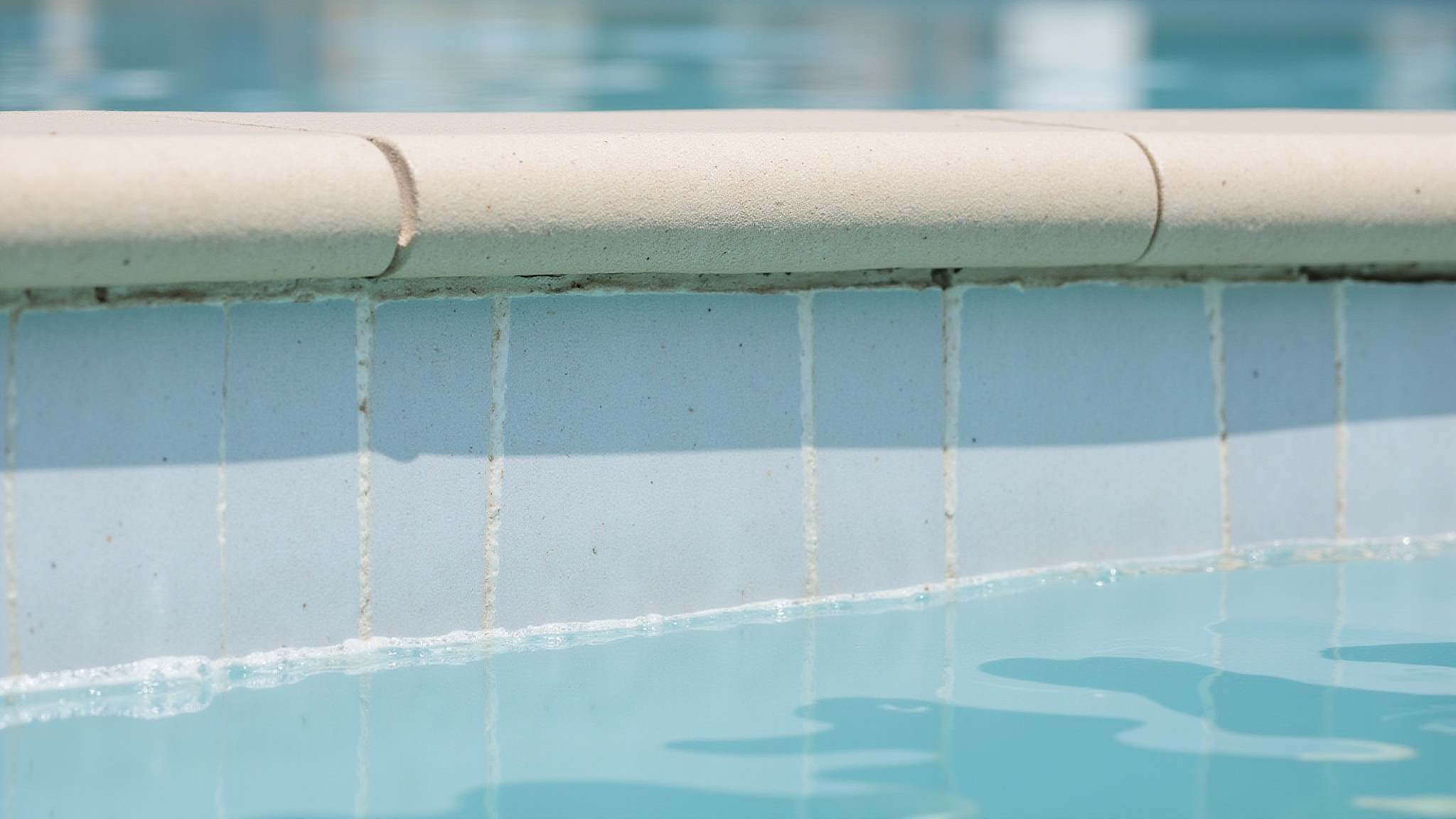
Hard water floods your pool with dissolved calcium and magnesium that precipitate into stubborn scale. You’ll see calcium carbonate deposits form along your waterline, heater, lights, and salt cell, especially where water heats or evaporates. This scale reduces heat transfer, lowers chlorine production, clogs filters and plumbing, and roughens plaster. High calcium also clouds your water and dulls its appearance. Understanding how hardness progresses, and how to control it, will protect every part of your system.
Key Takeaways
- Hard water forms calcium carbonate scale on tile, plaster, and waterline surfaces where water evaporates or heats.
- Scale reduces heat transfer in heaters, raising energy consumption and lowering efficiency.
- Salt cells accumulate scale, decreasing chlorine production and system performance.
- Deposits clog filters, valves, and plumbing, increasing resistance and restricting water flow.
- Excess calcium precipitates as fine particles, causing cloudy, dull water and white residue on decks and ladders.
What is hard water and how is it measured
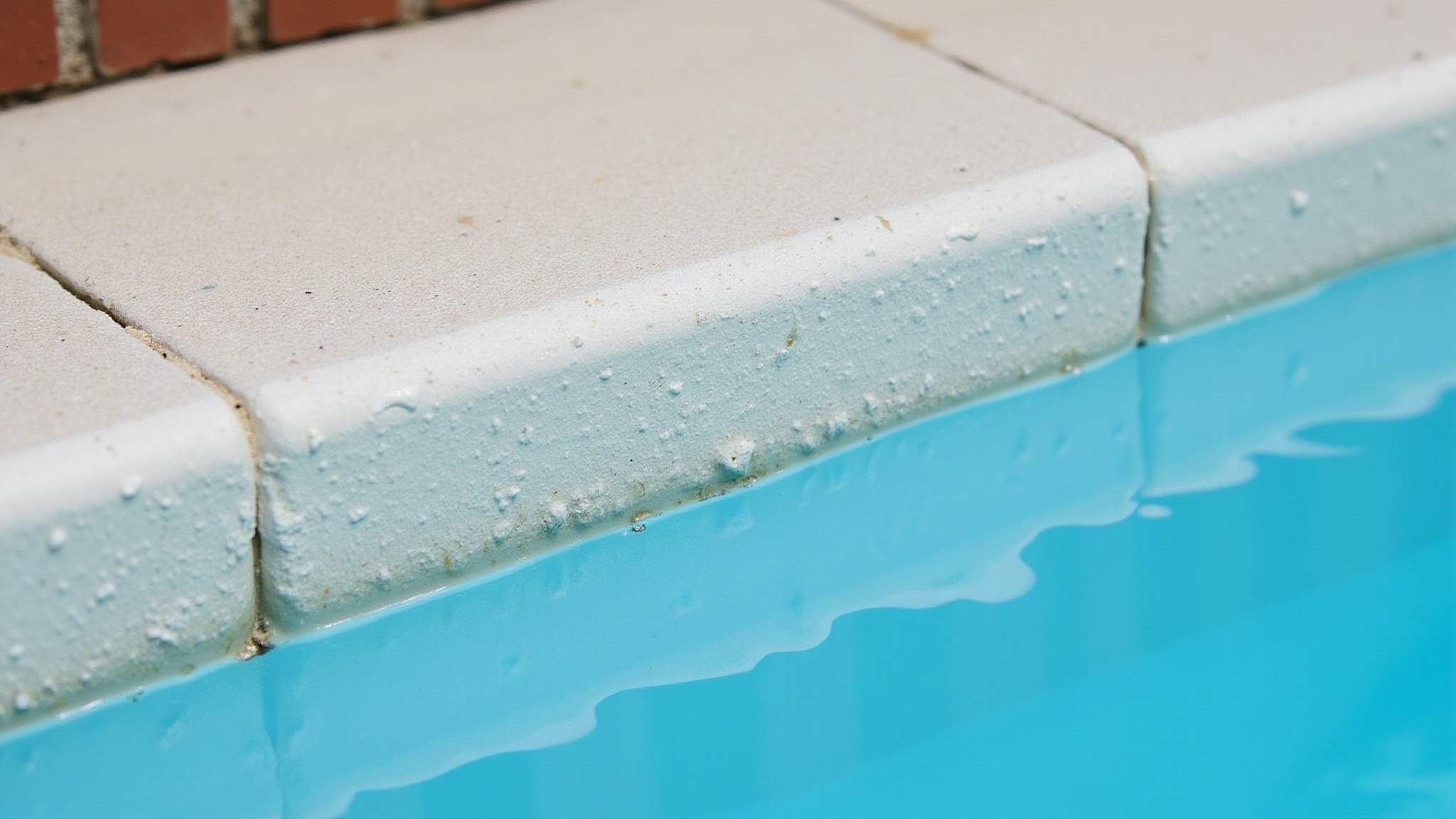
Your pool water qualifies as hard when it contains elevated levels of dissolved minerals, primarily calcium and magnesium, that react with carbonates and form scale. You measure this concentration through calcium hardness, expressed in parts per million (ppm). Most pool professionals recommend keeping calcium hardness between 200 and 400 ppm, though ideal ranges vary by surface type. When readings climb above that threshold, your water shifts toward scale formation, depositing chalky buildup on tile, plaster, and equipment.
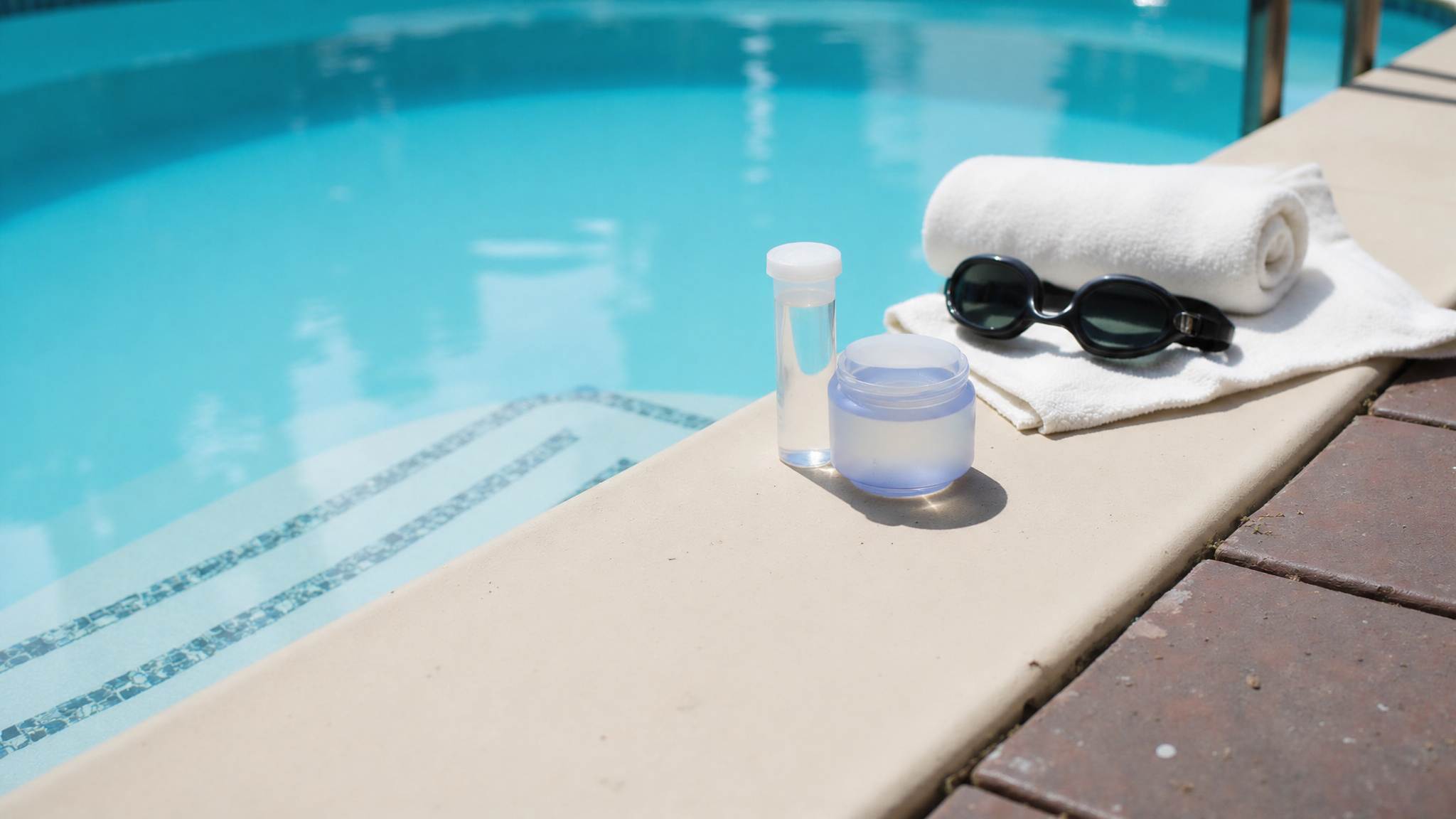
You can test calcium hardness using titration test kits, test strips, or digital meters. Titration kits deliver the most accurate results, while strips offer quick estimates. Regular testing lets you track hardness trends and correct imbalances before scale damages your pool’s surfaces and components.
How does hard water affect a pool
Hard water damages nearly every part of your pool once calcium hardness climbs past the recommended range. As calcium reacts with carbonates, scaling forms on waterlines, tile, plaster, lights, and fittings, leaving white, chalky deposits. Excess calcium also precipitates out of solution, turning your water cloudy, dull, and uninviting. When your water balance shifts toward scale formation, problems compound quickly across surfaces and equipment.
Here’s how the damage typically progresses:
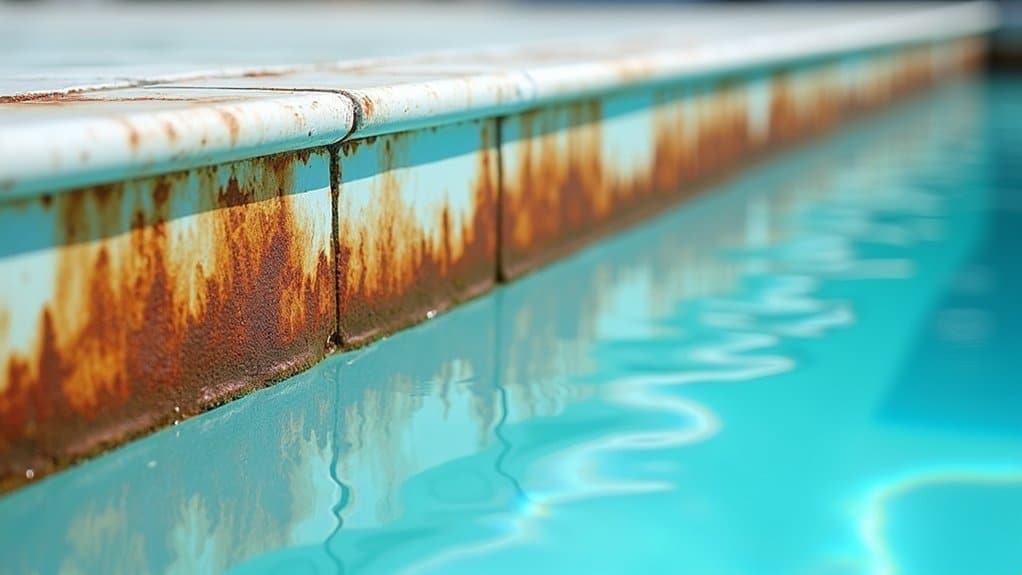
- Visible surfaces develop rough, crusty buildup on tile lines, ladders, and heaters.
- Internal components collect deposits in heat exchangers, pumps, filters, and plumbing.
- Salt cells accumulate scale on metallic plates, cutting chlorine production.
Left unchecked, poor water balance strains multiple parts at once, driving up maintenance.
How does calcium buildup and scaling occur
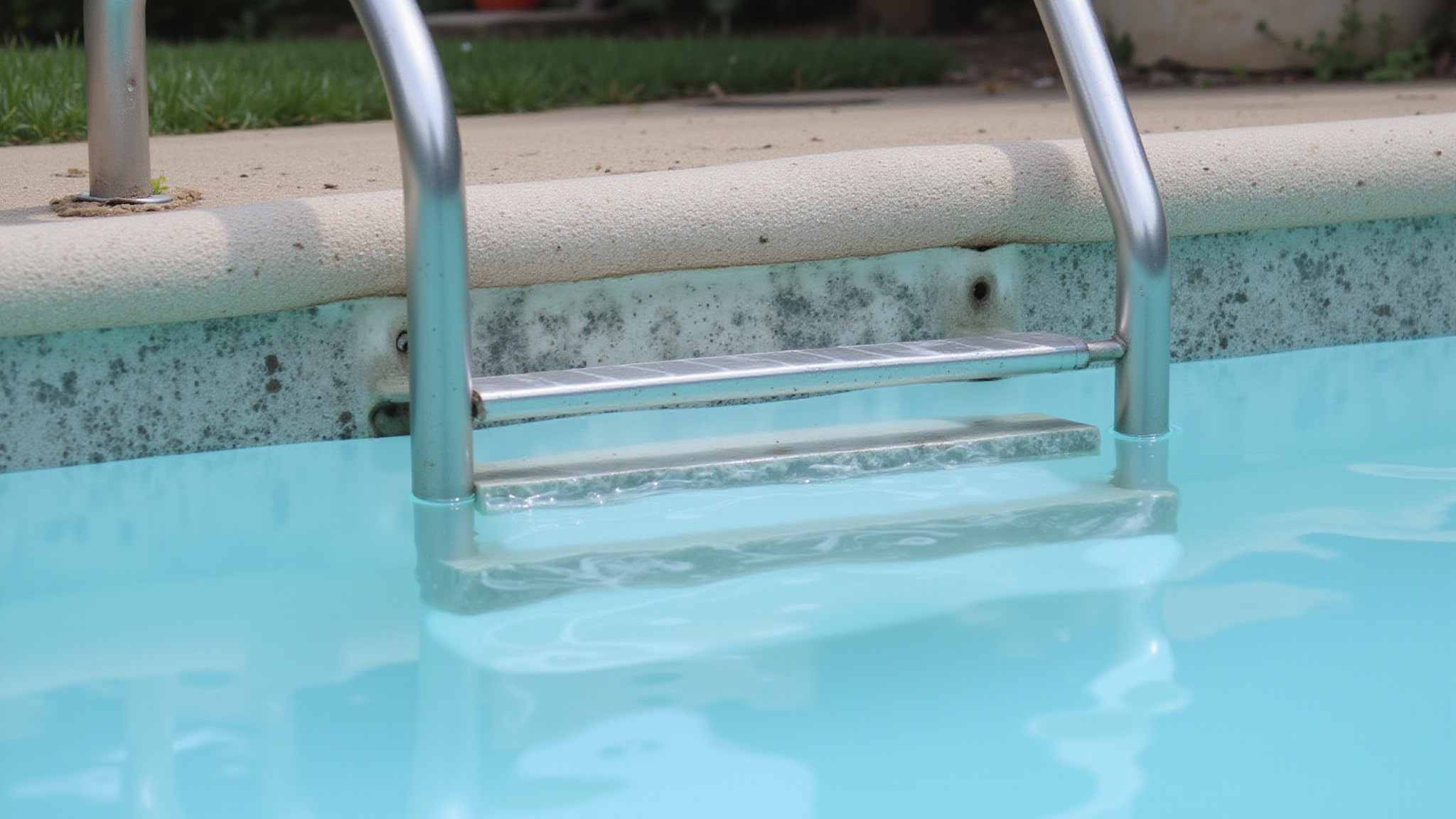
Calcium buildup and scaling occur when hard water raises calcium and magnesium levels beyond what your water can hold in solution. Once you exceed that threshold, calcium reacts with carbonates and precipitates as calcium carbonate scale. You’ll see this white, chalky deposit form fastest where water evaporates or heats up, such as your waterline, heater surfaces, and lights. High pH and alkalinity accelerate the process by pushing your water balance toward scale formation. As temperatures climb, calcium bonds more readily to metal surfaces, internal tubes, and salt cell plates. The result is rough, crusty buildup on tile, plaster, ladders, and fittings. You’ll also notice cloudy or dull water when fine mineral particles stay suspended, signaling your water chemistry has shifted into active scaling conditions.
How does hard water impact equipment and surfaces
Hard water damages equipment internally, and the effects compound quickly. Scale builds inside heat exchangers, reducing heat transfer and forcing your heater to consume more energy. Calcium coats salt cell plates, cutting chlorine production and demanding frequent cleaning. Deposits clog filters, valves, and plumbing, raising resistance and weakening circulation.
- Heaters and heat exchangers foul internally, wearing components faster and inflating energy costs.
- Salt cells crust over, lowering sanitation output and shortening system lifespan.
- Pumps, filters, and plumbing collect mineral buildup, restricting flow and complicating water balance.
On surfaces, you’ll notice white residue on decks, ladders, and tile. Scale roughens plaster, traps debris, and promotes pitting, driving up cleaning, acid washing, and replacement expenses.
How do you lower hardness in pool water
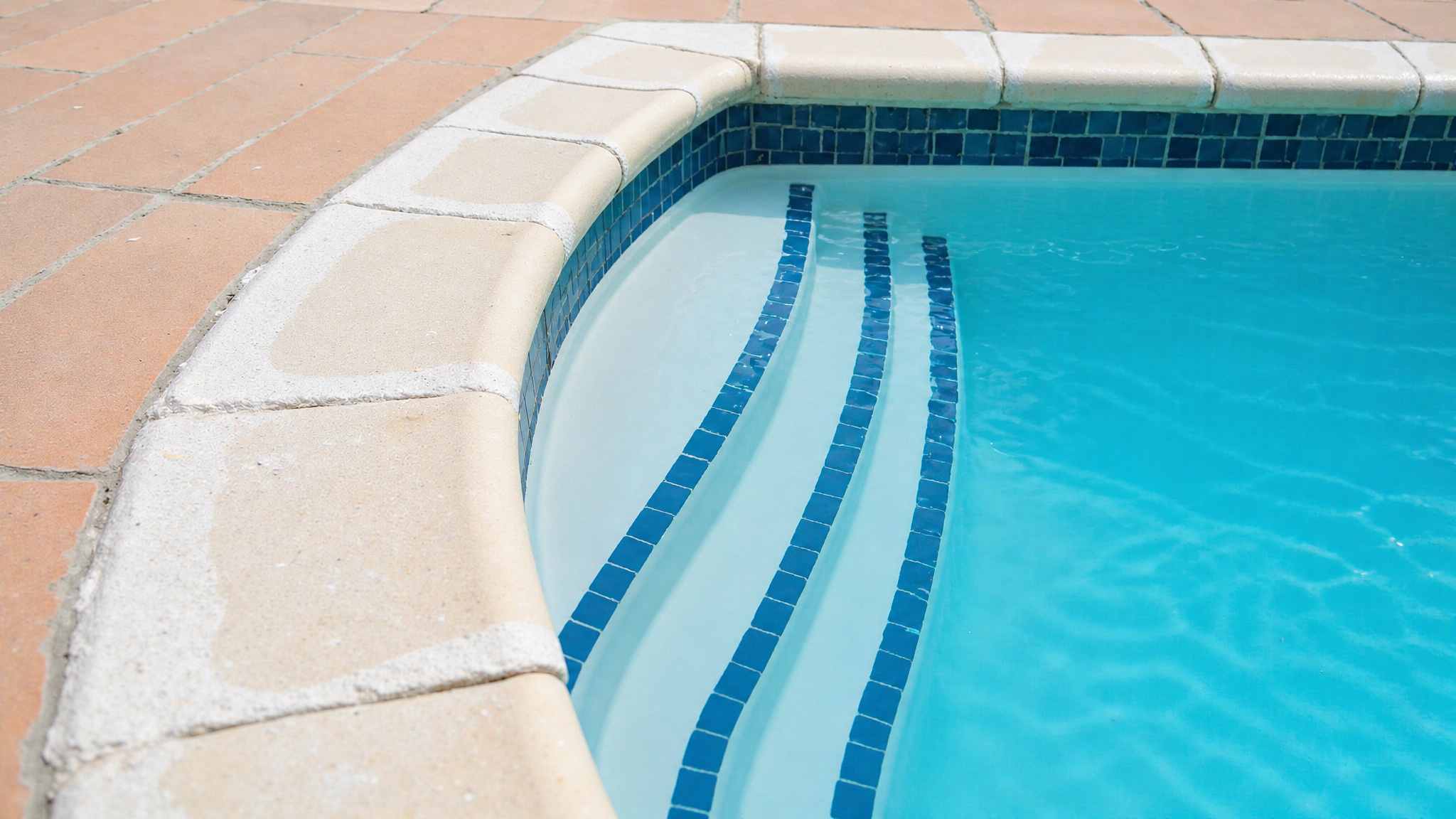
Lower hardness in pool water by partially draining the pool and refilling with softer water, which dilutes dissolved calcium directly. If your fill water is also hard, treat it through a pre-filter or use reverse osmosis service, which strips minerals without draining. You can also balance pH and alkalinity to keep calcium in solution and prevent immediate scaling.
| Method | Action | Best For |
|---|---|---|
| Partial drain | Replace water | Moderate hardness |
| Reverse osmosis | Filter minerals | Severe hardness |
| pH/alkalinity control | Balance chemistry | Prevention |
| Soft fill water | Pre-filter source | Hard supply |
Test regularly, target 200 to 400 ppm, and correct promptly before scale forms.
How do you manage hard water in your pool
You manage hard water in your pool through consistent balancing and vigilant monitoring. You can’t always lower hardness overnight, so keep pH and total alkalinity in range, since high readings push water toward scale formation. Test calcium hardness regularly and act before deposits harden on surfaces or equipment.
- Balance chemistry first, Hold pH between 7.2 and 7.6 and alkalinity around 80 to 120 ppm to suppress scaling tendencies.
- Inspect vulnerable parts, Check salt cells, heaters, and filters routinely for crusty buildup, then clean them promptly.
- Use scale inhibitors, Apply sequestrants to bind excess calcium and keep minerals suspended rather than depositing.
Stay proactive, and you’ll protect every component.
Conclusion
Hard water, with its high mineral content, can quietly take a toll on your pool, leaving scale on surfaces and tile, cloudy water, and buildup that strains your equipment and plumbing over time. Testing and managing calcium hardness, along with regular maintenance, keeps these problems in check and protects your investment. Balanced water is easier on both your pool and your wallet. When you are ready for a pool built for easy, reliable care, Cristallo Pools designs and builds custom inground gunite pools crafted for lasting quality.
Build a Pool Made for Perfect Water Chemistry
Water chemistry challenges are far easier to manage with a professionally built pool designed for balanced systems. At Cristallo Pools in Palm Beach Gardens, FL, our experienced team provides trusted New Pool Construction with expert equipment and lasting craftsmanship. Call +1 (561) 766-0353 today and start building your backyard escape.
Frequently Asked Questions
What Is the Ideal Calcium Hardness Level for a Swimming Pool?
You’ll want to keep your calcium hardness between 200 and 400 parts per million (ppm), with 300 ppm serving as the ideal target for most pools. Staying within this range prevents scale formation on your surfaces and equipment while avoiding corrosive, aggressive water that damages plaster and metal components. If you exceed 400 ppm, you’re risking cloudy water and calcium buildup. Below 200 ppm, you’ll invite etching and finish deterioration.
Can I Swim in a Pool With Hard Water?
Yes, you can swim in a pool with hard water. It won’t harm you directly, but you’ll notice cloudy or milky water and rough, scaly surfaces on tiles, ladders, and fittings. These abrasive deposits can make surfaces feel unpleasant and look dirty even when the water’s sanitized. While swimming remains safe, high calcium hardness damages your equipment and finishes over time, so you’ll want to correct the imbalance promptly.
Does Hard Water Affect Chlorine or Other Pool Chemicals?
Yes, hard water directly affects your chlorine and chemical balance. When calcium builds up on your salt cell’s metallic plates, it reduces chlorine production and forces you to clean the cell more often. That scale inside treatment cells cuts sanitation performance and creates water quality swings. You’ll also find that high calcium interacts with elevated pH and alkalinity, pushing your water toward scale formation and making balancing harder overall.
How Often Should I Test My Pool’s Calcium Hardness?
You should test your pool’s calcium hardness at least once a month to catch imbalances before scale forms. If you’re running a salt chlorinator or dealing with hard water, test every two weeks, since deposits build faster on metallic plates and heaters. After heavy rain, refills, or chemical corrections, retest promptly. Frequent monitoring keeps water balanced, protects your equipment, and reduces the cloudy water and crusty buildup that hardness swings cause.
Is Hard Water in Pools Harmful to Skin or Hair?
Hard water isn’t typically harmful to your skin or hair, but it can leave you feeling dry or itchy. The elevated calcium and magnesium can strip natural oils, leaving your skin tight and your hair dull, brittle, or rough. You might notice mineral residue after swimming, especially if the water’s also high in pH or alkalinity. Rinsing off promptly with fresh water helps you minimize these uncomfortable, drying effects.