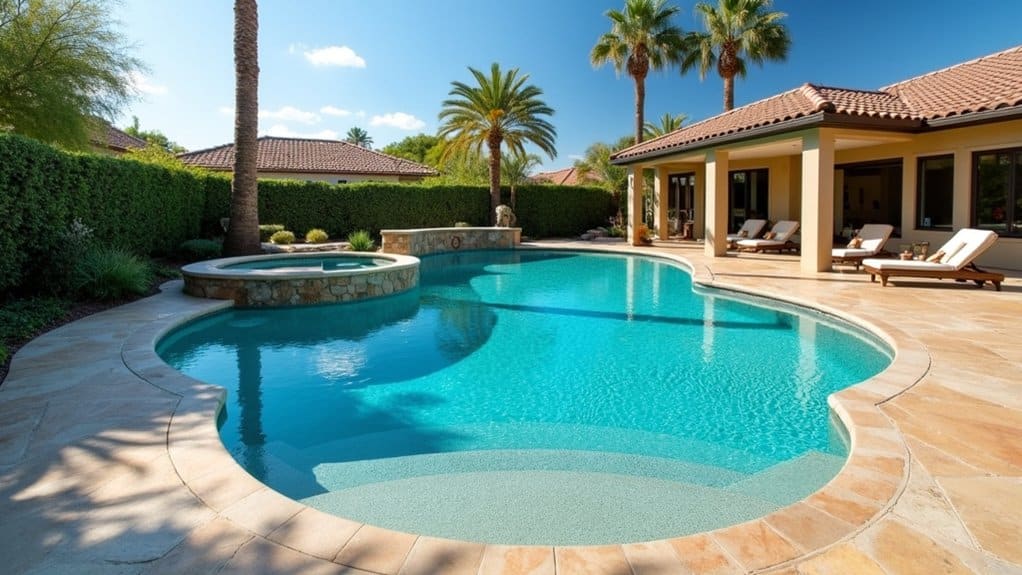
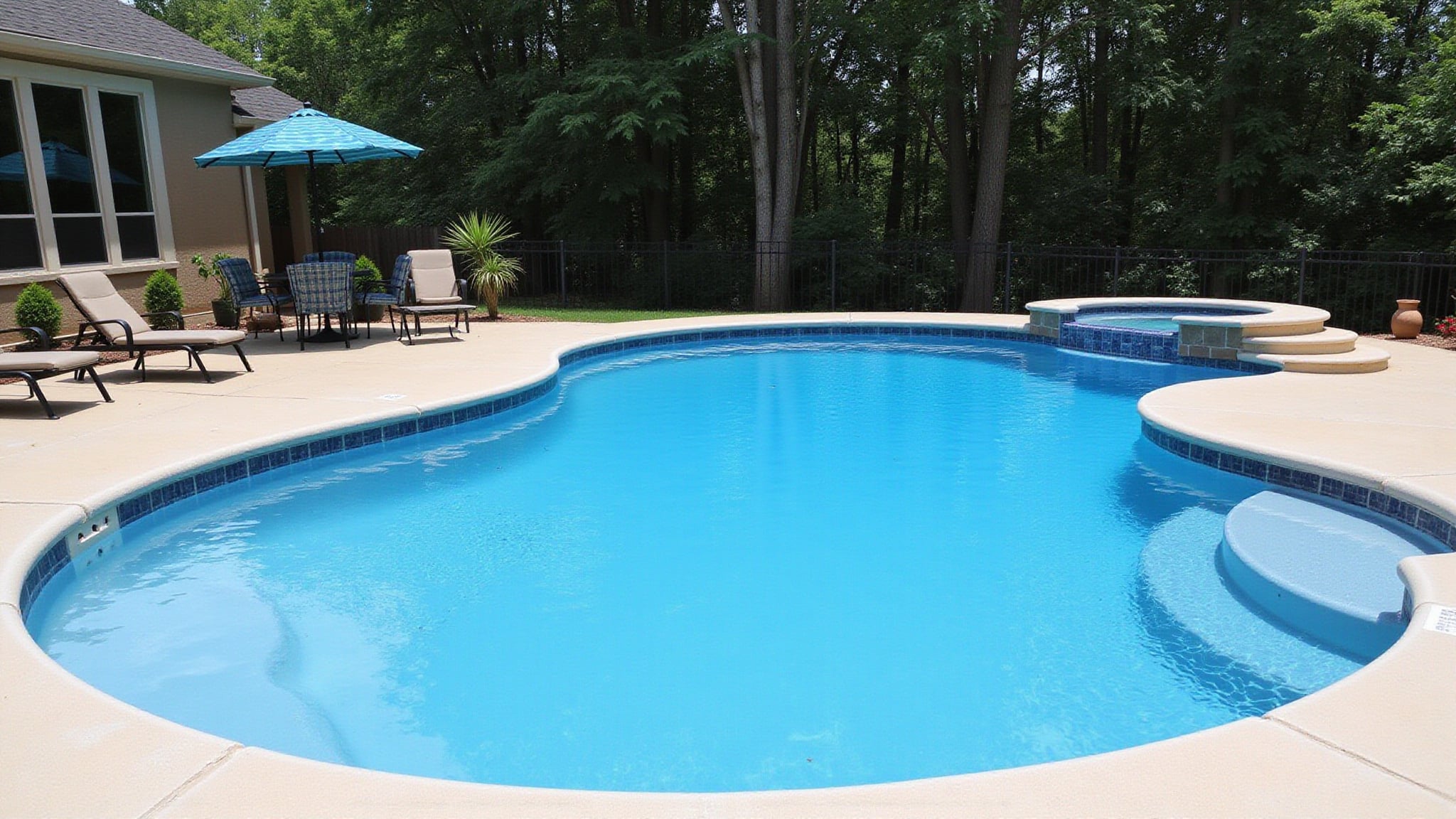
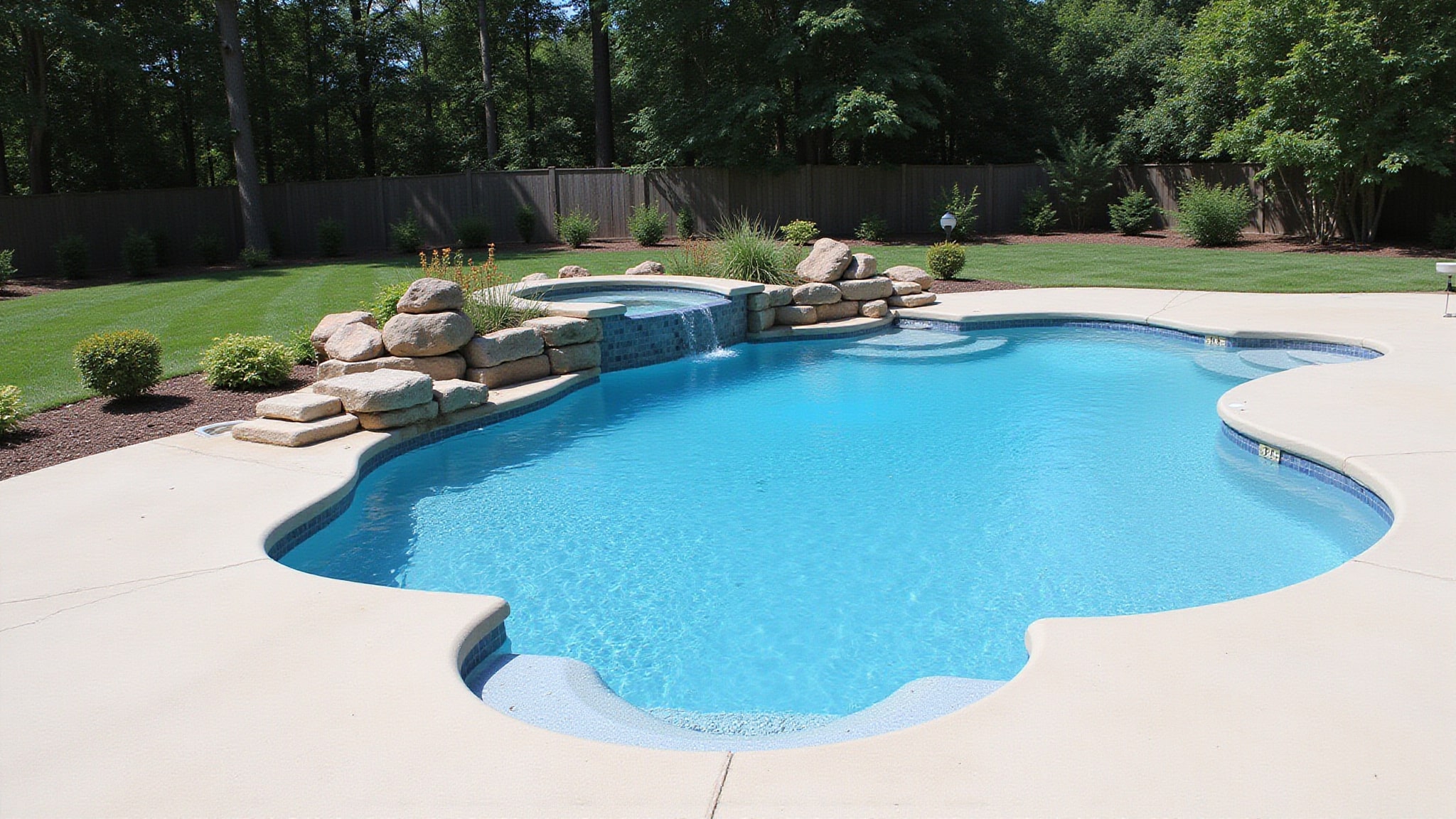
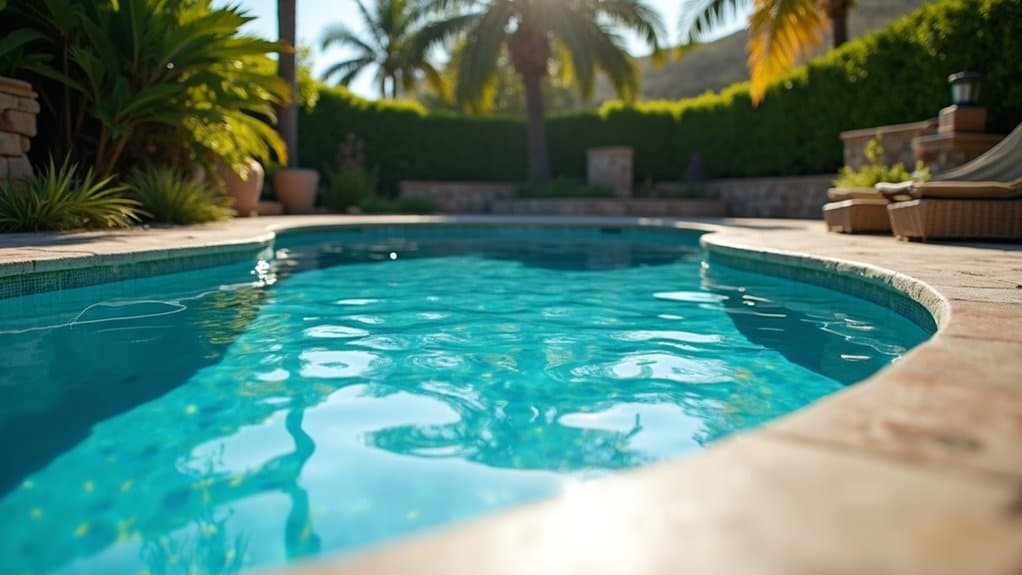
Transform your pool area into a sustainable haven with simple DIY upgrades that optimize both beauty and efficiency. You’ll slash energy costs by up to 80% with smart LED lighting systems and variable-speed pumps. Create visual interest through vertical gardens using repurposed materials, and amplify ambiance with upcycled water features. Strategic placement of drought-tolerant plants and custom seating areas will uplift your outdoor space. Explore how these thoughtful improvements can revolutionize your poolside experience.
Smart LED Lighting Installation for Enhanced Ambiance
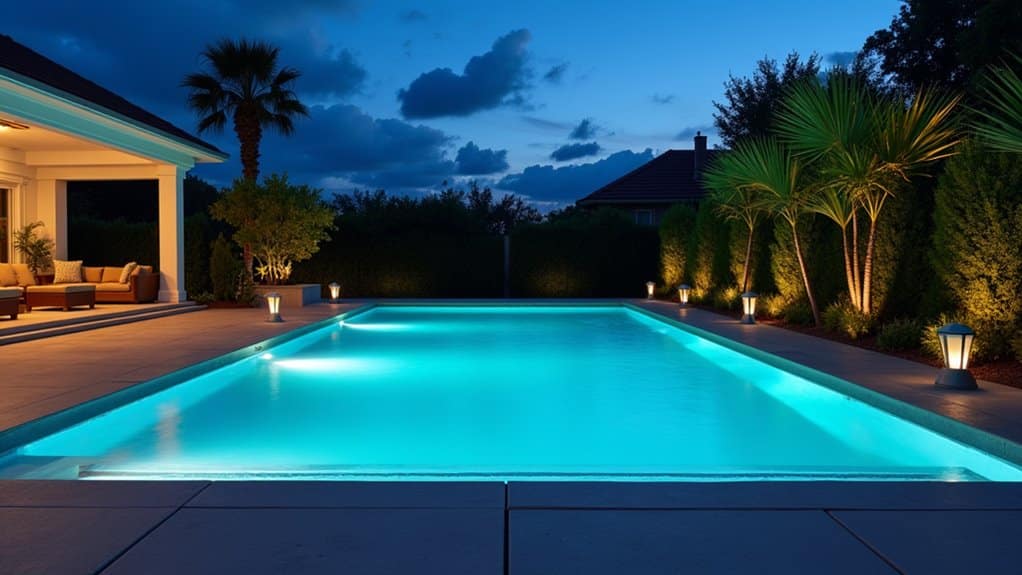
Modern LED pool lighting revolutionizes your backyard’s nighttime appeal while delivering substantial energy savings and smart control options. With energy consumption reduced by 80-90%, you’ll see immediate benefits in your utility bills while enjoying sophisticated smart pool lighting effects. The latest RGBW technology creates immersive visual experiences with dynamic color transitions. Ultra-thin fixtures make installation simpler than ever before without compromising aesthetics.
Installing surface-mounted, nicheless LED fixtures provides an easy upgrade path without major construction. Your lighting package includes a remote control system for convenient operation and customization of lighting effects. Position your lights strategically to highlight architectural features like steps and fountains, enhancing both safety and aesthetics. Connect your system to Wi-Fi or Bluetooth for seamless control through smartphone apps, allowing you to activate customizable lighting presets instantly.
Remember to maintain proper waterproofing by using IP68-rated fixtures and sealing all connections with waterproof silicone. With up to 50,000 hours of lifespan and integration capabilities with home automation systems, your investment will transform your pool into a dynamic entertainment space for years to come.
Creating a Budget-Friendly Plant Paradise
Transform your pool area into a lush retreat by choosing native, drought-resistant plants that thrive with minimal care and water consumption. You’ll optimize your investment by incorporating vertical garden walls using repurposed materials like wooden pallets, which create stunning green backdrops while saving precious ground space. Your plant selection should focus on hardy perennials and succulents that maintain their beauty year-round, reducing both maintenance time and replacement costs. Consider adding evergreen and seasonal plants to ensure your pool area remains visually appealing throughout all four seasons. For a tropical paradise ambiance, incorporate banana plants and palms strategically placed around the pool edge. Installing a pergola structure overhead creates an additional opportunity to grow climbing vines while providing essential poolside shade.
Low-Maintenance Plant Selection
Creating a serene poolside haven doesn’t require endless hours of maintenance or a hefty budget when you select the right plants. Focus on drought-tolerant groundcover options like succulents and ornamental grasses that naturally resist pool splash and minimize debris. You’ll find success with strategic container plant arrangement ideas using hardy species like Bird of Paradise and Jade Plants. Smart irrigation systems can automatically maintain optimal moisture levels while reducing your maintenance workload. For vibrant pops of color that thrive in Florida’s climate, consider adding resilient hibiscus flowers that bloom frequently throughout the season. Position plants in weighted plastic pots to prevent cracking from heat and ensure durability around the pool area.
| Plant Type | Water Needs | Maintenance Level |
|---|---|---|
| Succulents | Minimal | Very Low |
| Native Plants | Low | Low |
| Ornamental Grasses | Moderate | Low |
| Evergreen Shrubs | Moderate | Medium |
| Bamboo Palm | Regular | Medium |
Consider grouping plants with similar water requirements together and utilize mulch to retain moisture. By incorporating these low-maintenance varieties, you’ll create a sustainable environment that thrives with minimal intervention while providing year-round visual interest and privacy around your pool area.
Creating Vertical Garden Walls
While maximizing your pool area’s aesthetic appeal, vertical garden walls offer an ingenious solution for space-conscious homeowners seeking a lush, eco-friendly environment. You’ll want to focus on south-facing walls for ideal plant growth and create attractive plant arrangements that complement your waterfall feature designs. This project can be completed in two full days with proper planning and preparation. Consider planting herbs and ferns that thrive in vertical setups while requiring minimal maintenance.
Start with pressure-treated pine for your framework, using 1×6 rails and 1×4 uprights to build a sturdy structure. Consider cascading planters that naturally direct water flow downward, reducing irrigation needs while creating stunning visual layers. The automated irrigation system can help ensure even water distribution across all tiers of your garden. For budget-friendly options, repurpose wooden pallets or install multi-tiered container systems that allow for flexible arrangements.
Remember to incorporate proper drainage and spacing with PVC standoffs, ensuring your vertical garden maintains healthy separation from the wall while maximizing your poolside paradise’s natural charm.
DIY Water Features Using Repurposed Materials
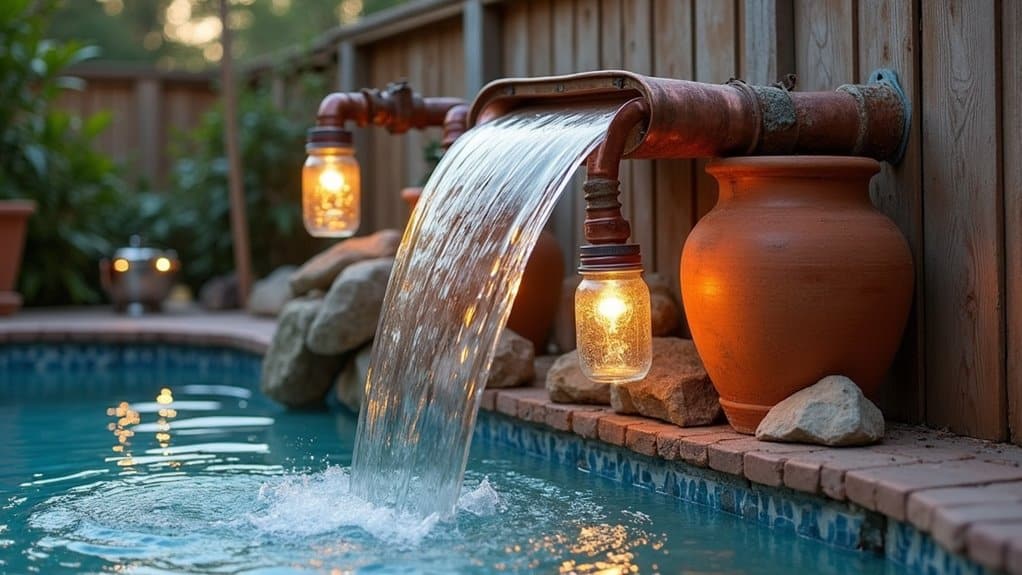
You’ll encounter endless possibilities for creating sustainable water features by repurposing salvaged urns, containers, and glass panels into striking fountains. These eco-conscious transformations require minimal construction skills while adding visual intrigue and soothing sounds to your pool space. Position your upcycled water features strategically to create harmonious sight lines and improve the natural flow between your pool area and surrounding terrain. A cascade design can be easily achieved by stacking recycled containers at varying heights. Consider incorporating LED strip lighting behind your repurposed glass panels to create enchanting nighttime displays that transform your DIY water features after dark. Installing a submersible pump in your salvaged urn fountain ensures proper water circulation and creates an eye-catching display.
Budget-Friendly Fountain Ideas
Transform your poolside ambiance with budget-conscious fountain features that merge sustainability and style. DIY bamboo fountains offer an eco-friendly zen aesthetic, utilizing traditional sōzu designs that create gentle water sounds while requiring minimal materials and assembly skills. You’ll need only bamboo poles, a small pump, and basic tools to craft this Eastern-inspired feature.
For a fanciful touch, DIY watering can fountains provide endless creative possibilities. Route clear tubing through vintage cans to create an endless pouring effect that adds visual interest to your pool area. You can arrange them in single or tiered configurations, depending on your space. Both options optimize sustainability through repurposed materials while maintaining aesthetic harmony with your existing scenery. Plus, you’ll find these projects fit nearly any budget, as they rely primarily on upcycled materials and simple pump systems.
Upcycled Container Water Walls
Taking sustainable pool features to the next stage, upcycled container water walls offer a novel way to improve your poolside space while minimizing environmental impact. By repurposing plastic bottles, milk jugs, and pool hoses, you’ll create an engaging water feature that integrates advanced water monitoring systems while reducing landfill waste.
Mount your containers on a flat vertical surface, incorporating user customization options through adjustable flow rates and strategic placement. You’ll achieve the perfect cascade effect by varying container positions and hole sizes. Add a collection basin at the base to create a closed-loop system that conserves water. The result is a visually striking feature that provides calming sounds and educational opportunities, teaching STEM concepts through hands-on interaction. Best of all, you can build this eco-friendly upgrade using nearly zero-cost materials from your household.
Installing Energy-Efficient Pool Equipment
Modern pool equipment upgrades offer substantial energy savings while enhancing your pool’s performance and sustainability. By installing variable speed pumps and energy-efficient heating solutions, you’ll reduce utility costs while meeting upcoming 2025 efficiency standards. Your investment pays off through lower monthly bills and potential utility rebates.
Upgrade your pool equipment to save energy and money while future-proofing your system for upcoming efficiency requirements.
- Replace your single-speed pump with a variable speed model that runs at lower RPMs, cutting energy use by up to 80% while maintaining ideal circulation
- Upgrade to a heat pump system in moderate climates, or consider solar heating panels for maximum efficiency and minimal operating costs
- Install larger cartridge filters to decrease pump workload and eliminate wasteful backwashing cycles
- Switch to LED pool lights with smart controls to reduce lighting energy consumption by 80% while extending bulb life tenfold
Building Custom Pool-Side Seating Areas
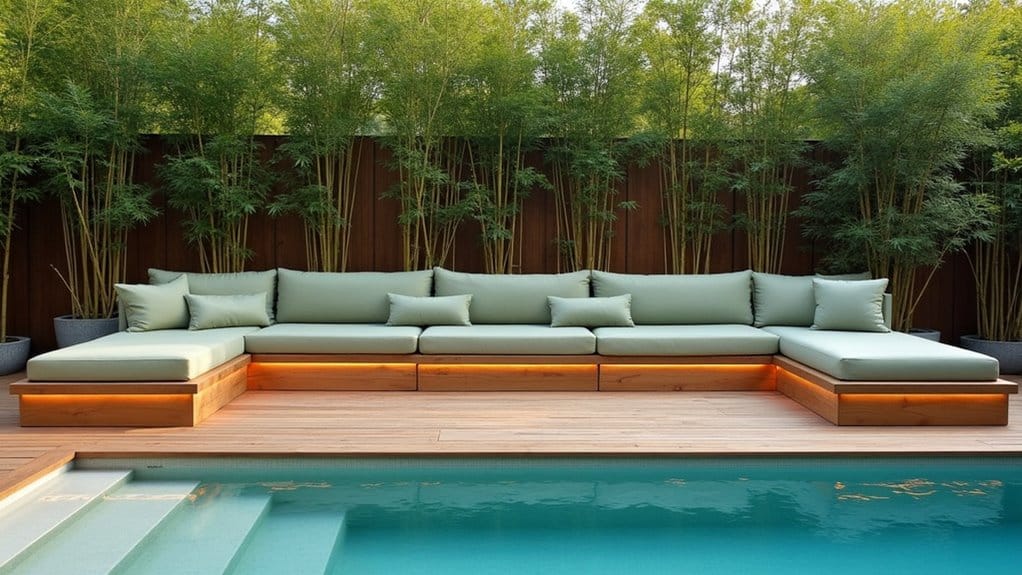
Creating inviting poolside seating areas doesn’t just bolster your outdoor living space, it fundamentally reshapes how you’ll interact with your pool environment. You’ll optimize your deck’s potential by installing built-in benches along the edges, which seamlessly blend wood, stone, or composite materials with your existing design.
Consider incorporating modular furniture arrangements that you can easily reconfigure for different occasions. Add integrated lighting designs beneath benches and along pathways to extend your pool’s usability into evening hours. For a resort-style touch, install a pergola or pavilion equipped with weather-resistant sectional seating. Don’t forget to include multi-functional elements like storage benches or foldable options that adapt to your changing needs.
For in-pool relaxation, add a Baja shelf with waterproof loungers, creating a perfect spot for partial immersion while socializing.
Sustainable Pool Cover Solutions
While traditional pool covers have served their purpose for decades, sustainable alternatives now offer eco-conscious homeowners groundbreaking solutions that protect both their pools and the planet. Bio-based insulating liners made from hemp, jute, and flax are revolutionizing pool maintenance while meeting renewable material certifications. You’ll find these earth-friendly options deliver impressive performance while naturally decomposing after their useful life.
- Choose hemp-based covers with natural resins for water-resistant protection that biodegrades within 2-3 years
- Install solar-powered covers to reduce heating costs by 70% while extending your swim season
- Opt for recycled mesh safety covers to decrease chemical usage by 40% and block 97% of evaporation
- Select dark-colored thermal covers to boost heat retention and elevate your pool’s aesthetic appeal
Modern Gravel Surround Design
Three key design principles have transformed traditional pool surrounds into sophisticated gravel environments that merge form and function. Initially, you’ll want to select contrasting gravel color combinations, like white and gray, to define distinct zones around your pool. Secondly, consider how your gravel versus other materials can create visual interest, integrating natural stone or concrete elements adds depth while maintaining clean lines. Ultimately, focus on proper layering with 2-4 inches of fine pea gravel over compacted base materials.
You’ll save 50-70% compared to conventional decking while gaining better drainage and reduced heat retention. For best results, install steel edging to contain your gravel and use landscape fabric underneath to prevent weed growth. This sustainable approach creates an elegant, low-maintenance pool surround that’s perfect for 2025’s biophilic design trends.
Smart Pool Maintenance System Setup
Since modern pool ownership demands seamless operation, installing a smart maintenance system transforms your backyard haven into an efficiently managed ecosystem. With smart water chemistry monitoring and automated pool cleaning routines, you’ll spend less time on maintenance and more time enjoying your pool’s crystal-clear waters.
Smart pool systems automate maintenance and monitoring, letting you focus on what matters most, enjoying your pristine swimming paradise.
- Mount your centralized control hub in a weather-protected area near your pool equipment, ensuring strong WiFi connectivity for remote management.
- Install variable-speed pumps and automated chemical feeders, connecting them to your smart hub for ideal circulation and water balance.
- Position water quality sensors strategically throughout your pool to monitor pH, chlorine, and alkalinity levels in real-time.
- Program your robotic cleaner’s schedule through the smart hub, coordinating with filtration cycles for maximum efficiency and minimal energy consumption.
Vertical Garden Integration for Pool Privacy
A thoughtfully designed vertical garden transforms your pool area into a private sanctuary while maximizing available space. You’ll find versatile options ranging from modular planter designs to artificial green wall panels, each offering unique benefits for your specific needs.
Start by measuring your intended privacy zones and consider a layered approach. Install trellis system integration for climbing plants like jasmine or install ready-made artificial panels for instant coverage. You’ll need to secure panels every 10-15 inches for stability, using appropriate anchors for your wall type.
For living walls, select plants strategically; evergreens provide year-round privacy, while flowering climbers add seasonal interest. If you’re eco-conscious, drought-tolerant species work well in sunny pool areas. The system you choose will determine maintenance needs, from simple occasional cleaning for artificial walls to regular irrigation for living gardens.
Frequently Asked Questions
What Permits Do I Need Before Starting Any Pool Area Modifications?
You’ll need to obtain building permits required by your local authority before starting any pool modifications. Check your local zoning regulations, as requirements vary by jurisdiction. For structural changes, electrical work, or plumbing alterations, you’ll need specific permits. Guarantee your planned modifications align with spatial requirements and maintain aesthetic harmony with your property. Consider sustainable materials and design choices that complement your existing scenery while meeting safety standards.
How Do Pool Upgrades Affect Home Insurance Rates and Coverage?
Your pool upgrades will directly impact your insurance policy considerations, potentially raising premiums by $50-$75 annually. You’ll need to meet local building codes impact requirements and may face higher liability limits. It’s critical you inform your insurer about any modifications, as undisclosed changes could void coverage. Safety features like fencing and self-latching gates are often mandatory, but they’ll help minimize rate increases and guarantee your coverage remains valid.
Can Pool Upgrades Be Done During Winter Months?
Yes, you can tackle many pool upgrades during winter months, making off-season planning an ideal strategy. While equipment installations like variable-speed pumps, automation systems, and LED lighting can proceed year-round, certain projects face seasonal weather impact limitations. You’ll need to postpone temperature-sensitive work like resurfacing or deck installations until conditions improve. Consider focusing on indoor planning aspects and non-weather dependent enhancements during colder months to optimize your renovation timeline.
What’s the Impact of Saltwater Conversion on Existing Pool Materials?
When you convert to saltwater, you’ll notice varying impacts on your pool materials. Metal components like ladder bolts and light fixtures face increased saltwater corrosion effects, while pool liner compatibility depends on your existing materials. You’ll need to monitor your vinyl liner and metal walls closely, as they may deteriorate faster. Consider installing sacrificial anodes to protect metal fixtures, and maintain proper chemical balance to preserve your pool’s plaster or concrete surfaces.
How Long Should I Wait After Upgrades Before Hosting Pool Parties?
You’ll need to wait at least 24-48 hours after minor upgrades and up to two weeks for major renovations before hosting pool parties. For proper timeline for hosting events, guarantee all chemicals are balanced, equipment is fully tested, and new installations have properly cured. Consider pool area safety considerations by conducting thorough inspections of upgrades, checking water clarity, and confirming all safety equipment is in place. Don’t rush the process, your guests’ safety depends on it.