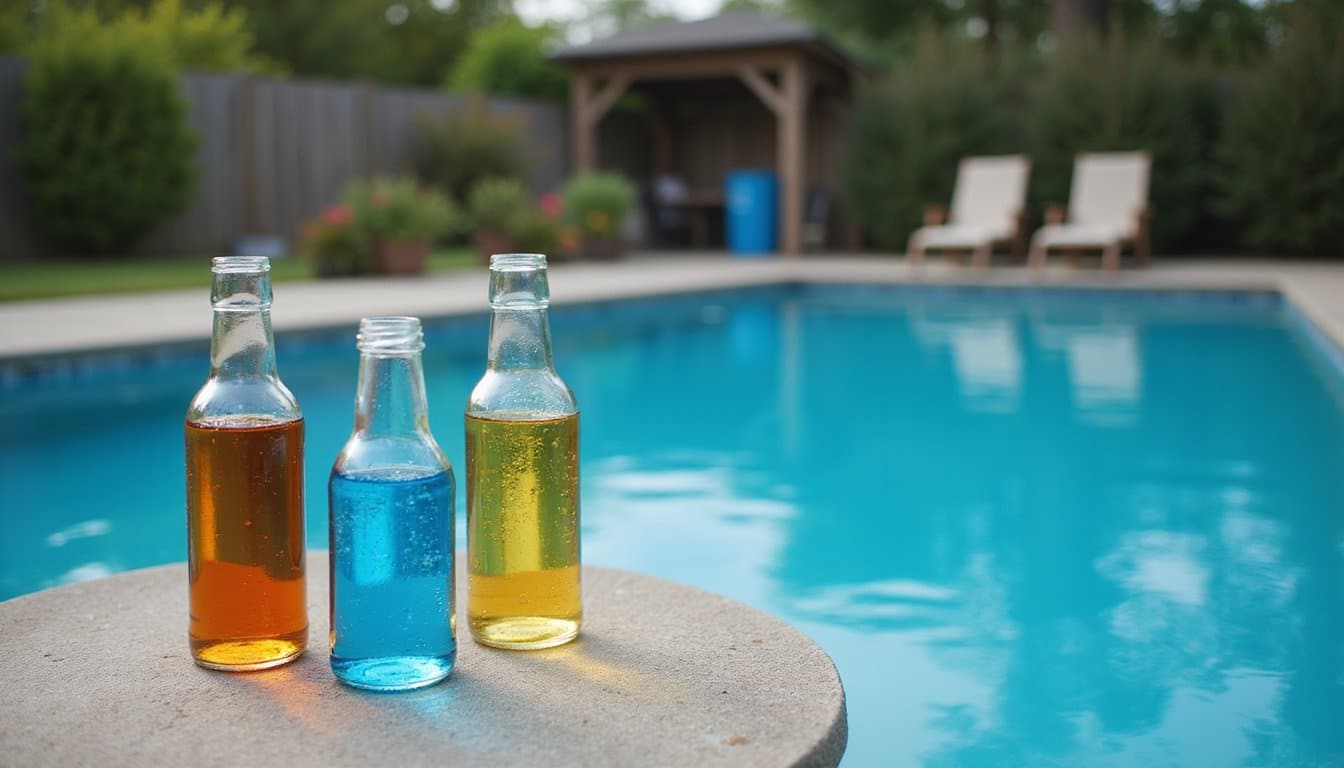
The three best fiberglass repair resins for swimming pools in 2026 are Aquaguard 5000 Polyester Resin for professional-grade refinishing with exceptional chlorine resistance, J-B Weld Fiberglass Resin for fast-setting versatile repairs that cure in just two hours, and Bondo Liquid Resin for heavy-duty surface restoration on larger damaged areas. Each product offers 100% waterproof protection and bonds permanently to fiberglass surfaces. Below, you’ll find detailed application techniques and specifications for each resin.
Aquaguard 5000 Polyester Resin for Professional Pool Refinishing
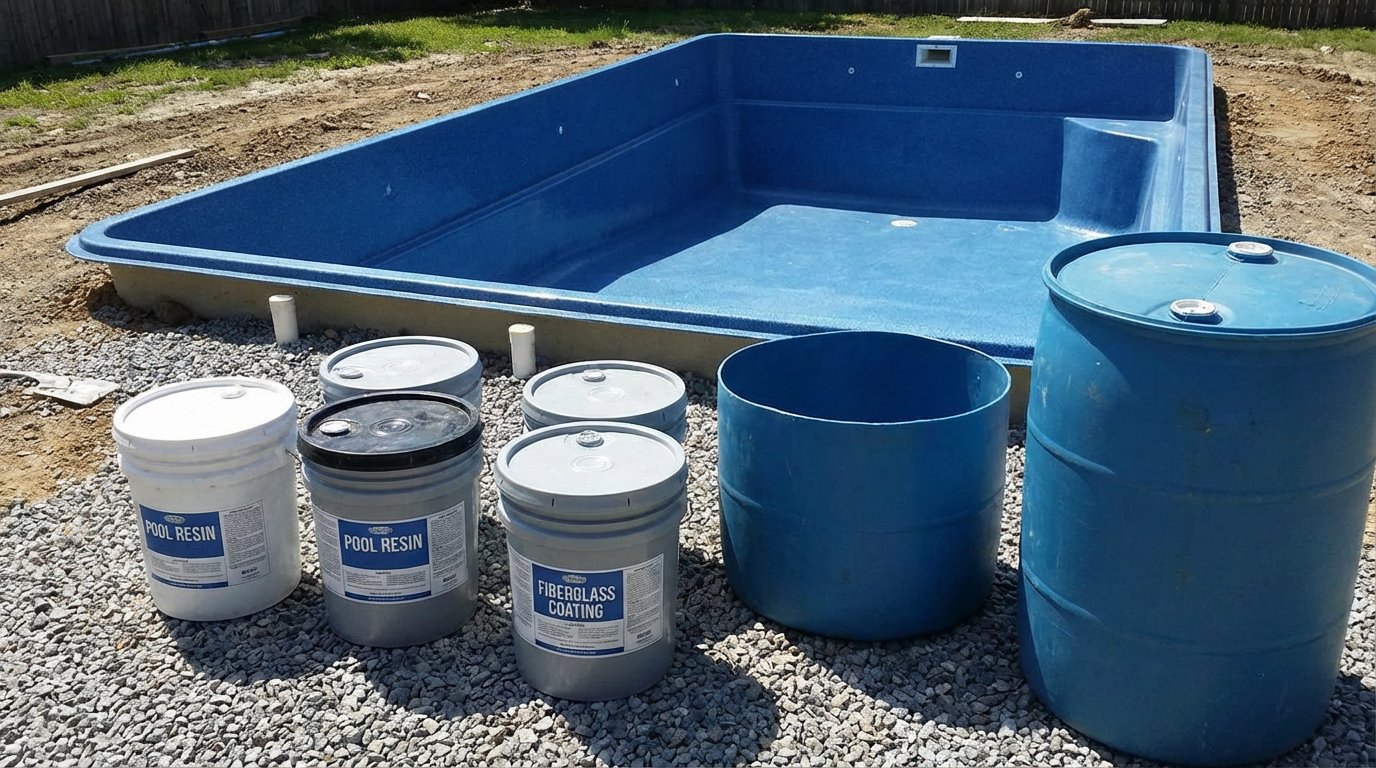
When you’re tackling a professional pool refinishing project, Aquaguard 5000 delivers the performance characteristics that separate lasting repairs from callbacks. This 100% solids epoxy phenolic system achieves compressive strength of 12-14,000 psi and bond strength exceeding 2,000 psi, ensuring your repairs withstand years of use.
For effective surface preparation on fiberglass, grind the substrate with a coarse grain emery disc to create proper anchor pattern. Ensure the surface is completely free from grease, oil, or debris before beginning application. Apply at 40-60 mils DFT for spray applications or 20-30 mils for roll-on methods. The system is reinforced with proprietary additives that enhance physical strength for demanding aquatic environments.
You’ll appreciate the outstanding chemical resistance to chlorine, acids, salt water, and gasoline. The non-porous finish prevents algae growth and staining while meeting FDA compliance for potable water applications. Full cure occurs within 24 hours at 77°F. For polyester resin alternatives, remember that catalyst is sold separately and must be purchased to ensure proper curing.
J-B Weld Fiberglass Resin for Versatile Waterproof Repairs
J-B Weld’s two-component polyester resin system handles a broad range of waterproof repairs across pools, boats, tubs, and showers with its fast-setting formula. You’ll achieve excellent results by cleaning surfaces with degreaser, sanding with 80-grit or lower, and wiping with acetone before application. The resin sets in 8-12 minutes and fully cures in two hours, becoming paintable and sandable.
For enhanced product durability on larger gaps or holes, pair this translucent yellow resin with fiberglass cloth or mat reinforcement. It bonds effectively to fiberglass, rigid plastics, metal, concrete, and aluminum surfaces. Note that this resin may not adhere well to low-surface-energy plastics like polyethylene and polypropylene. User reviews confirm strong performance on vehicle interiors and gelcoat chip repairs, though some report issues with product shelf life and accelerated curing in hot conditions. Measure hardener precisely using a scale to prevent premature setting. This J-B Weld product is available at a regular price of $72.99 with free shipping included. The retailer backs this product with a 100% satisfaction guarantee and warranty program for added peace of mind.
Bondo Liquid Resin for Heavy-Duty Pool Surface Restoration
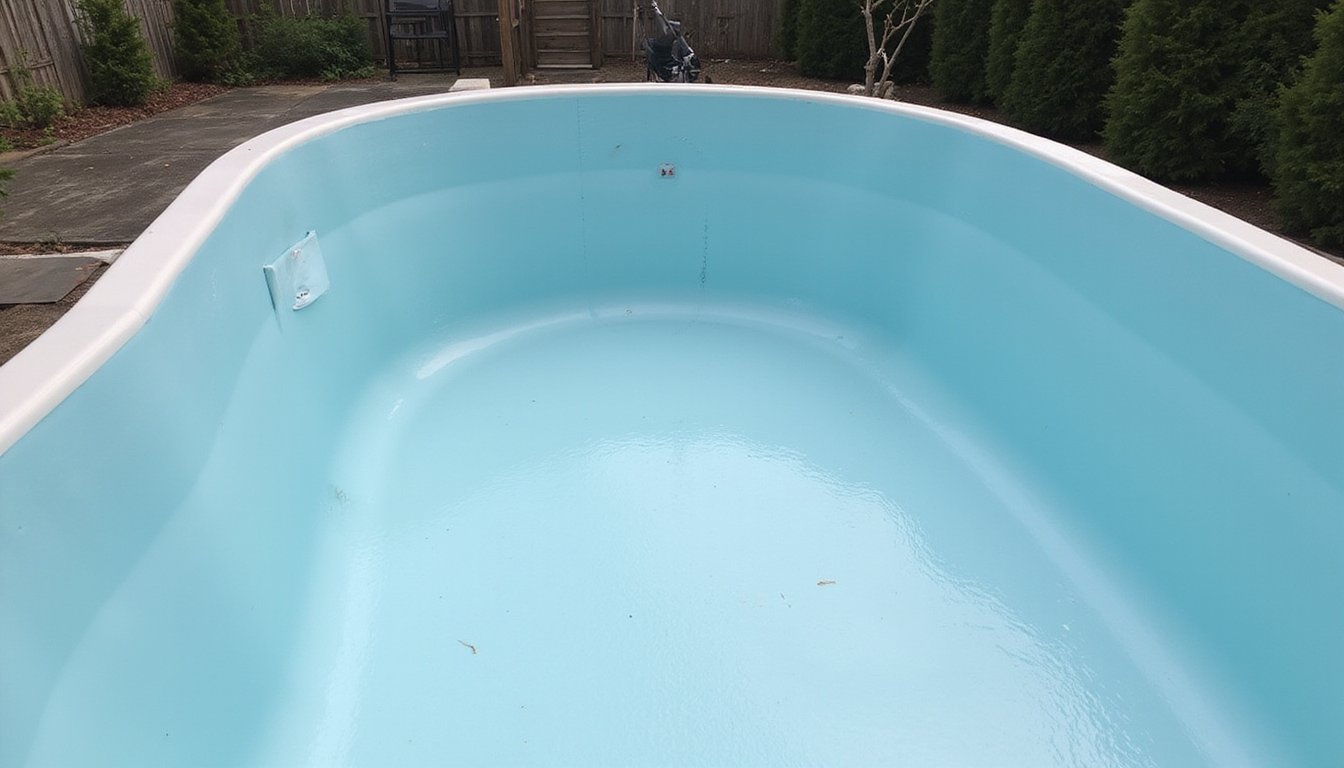
Bondo’s polyester resin stands out as a heavy-duty solution for tackling extensive pool surface damage that requires structural reinforcement. You’ll mix the high-strength polyester resin with the included clear liquid hardener, creating a translucent light brown compound that remains workable for 8-12 minutes.
This durable weather resistant formula delivers 100% waterproof protection across fiberglass, masonry, and concrete pool surfaces. When combined with fiberglass cloth or mat, you’ll achieve long-term structural strength that withstands constant water exposure. Beyond repairs, this versatile resin also functions as a wood or concrete sealer for pool deck areas.
The easy DIY application process allows you to sand the repair within 2 hours and apply most paints or gel coats afterward. Expect a pungent organic odor during application, so guarantee proper ventilation. Available sizes range from 15 oz liquid form to 1-gallon containers, accommodating both spot repairs and complete surface restoration projects. This product is ideal for auto, boat, and home applications, making it a versatile addition to your repair toolkit.
Frequently Asked Questions
Can I Apply Fiberglass Resin Underwater Without Draining My Pool First?
You can’t apply standard fiberglass resin underwater, polyester and vinyl ester resins require dry surfaces for proper curing. However, you’ve got hydrophilic resin options like underwater epoxy that’ll bond directly to submerged fiberglass. These underwater curing techniques let you knead the epoxy, apply it to cracks or holes, and reinforce with fiberglass cloth without draining. You’ll achieve durable, sandable repairs while keeping your pool filled and operational.
How Long Should I Wait Before Refilling My Pool After Resin Repairs?
You’ll need to wait 24 to 48 hours before refilling your pool after resin repairs. Your curing time requirements depend heavily on weather conditions, hot temperatures allow refilling within 24 hours, while cooler or humid conditions may extend this to four days. When using proper resin application techniques with multiple layers, guarantee each coat dries for several hours before adding the next. Always verify the surface feels hard and tack-free before adding water.
Is Epoxy or Polyester Resin Better for Swimming Pool Crack Repairs?
For swimming pool crack repairs, you’ll get better results with epoxy resin. It delivers superior flexural strength, resists hydrolysis during prolonged water immersion, and won’t shrink like polyester. When evaluating resin viscosity considerations, epoxy penetrates structural cracks more effectively. Regarding curing time comparisons, polyester cures faster at 20-40 minutes, but epoxy’s longer working time lets you properly address complex damage. You’ll sacrifice gelcoat compatibility, but gain maximum durability.
What Safety Equipment Do I Need When Working With MEKP Hardener?
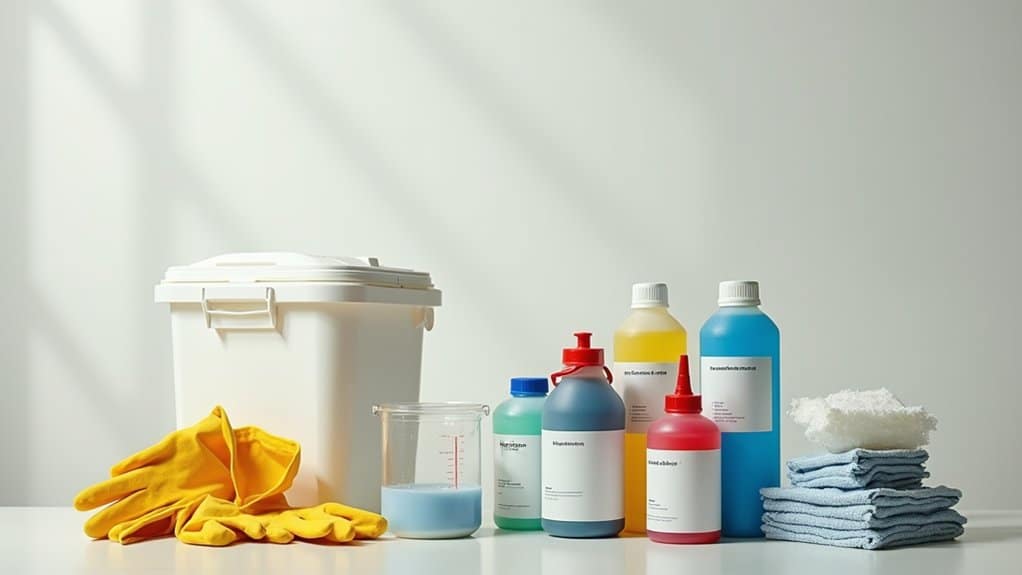
You’ll need extensive protective gear recommendations when handling MEKP hardener. Wear tight-sealing safety goggles with a face shield, chemical-resistant gloves (butyl rubber or nitrile), and impervious clothing. Proper ventilation requirements include explosion-proof local exhaust with 10 air changes per hour, MEKP vapors are dangerous. Keep a NIOSH-approved respirator with organic vapor cartridge ready if concentrations exceed 1 ppm. Always have an eyewash station and emergency shower accessible before you start.
How Do I Prepare a Pool Surface Before Applying Fiberglass Resin?
You’ll need to focus on surface cleaning techniques and proper substrate preparation before applying fiberglass resin. Start by draining the pool and pressure washing at 3500 psi to remove debris. Sand with 60-80 grit paper to create adhesion texture, then degrease using acetone or MEK. Vacuum all dust, wipe with TSP solution, and perform a condensation test. Maintain temperatures between 65°F-85°F with humidity below 50% for ideal results.