
To breathe correctly while swimming, master bilateral breathing to develop balanced strength and stroke symmetry. Perfect underwater exhalation with a continuous stream of bubbles rather than holding your breath. Time your breathing with your stroke rotation for maximum efficiency. Practice controlled breathing drills like “bubble-bubble-breathe” to establish rhythm. Build lung capacity through progressive training to improve oxygen efficiency. These foundational techniques will transform your swimming experience and enhance your performance in the water.
Master the Bilateral Breathing Pattern
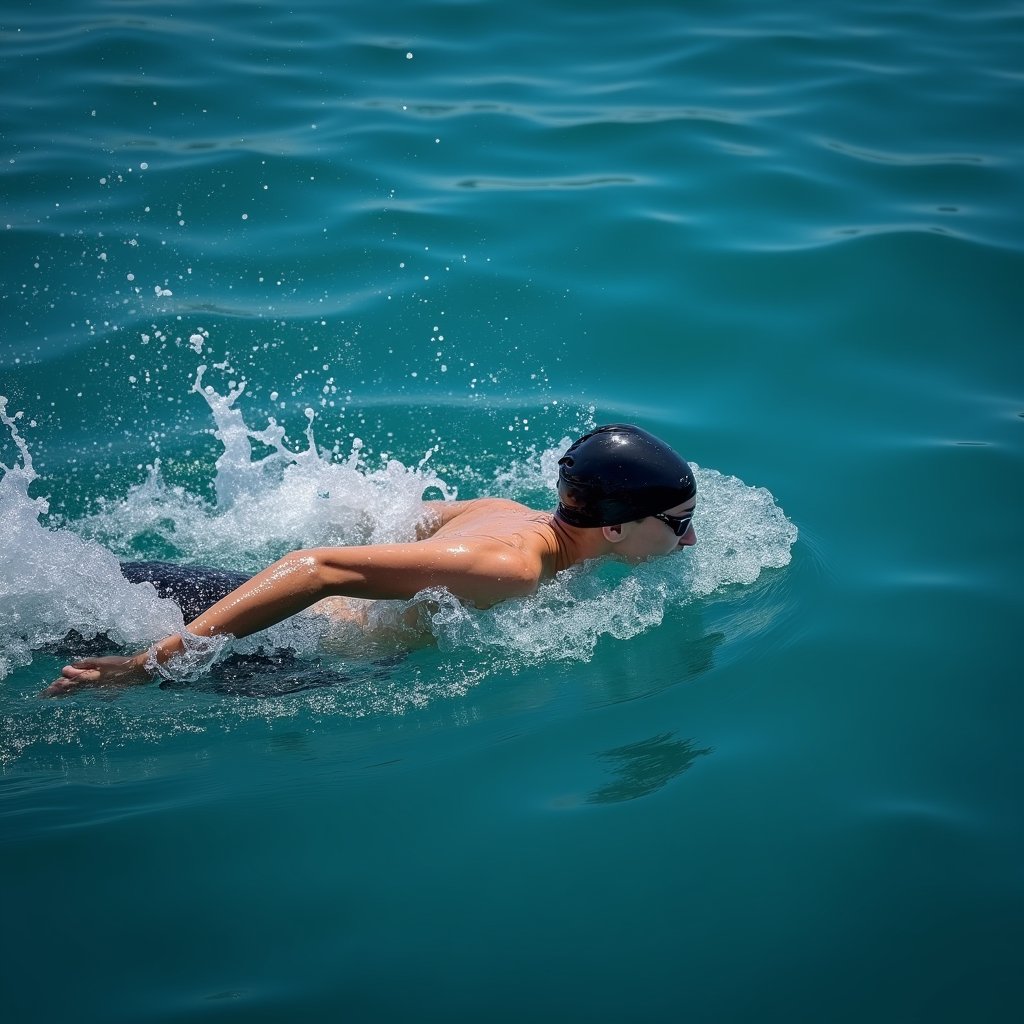
Three key benefits make bilateral breathing an essential technique for every serious swimmer. Initially, it develops balanced muscle strength on both sides of your body, preventing the one-sided development common in unilateral breathers. Second, it gives you tactical flexibility during races, allowing you to breathe away from splashing competitors or glaring sun. Third, it improves your comprehensive stroke symmetry and efficiency.
To develop this skill, start by practicing a 3-stroke bilateral breathing rhythm during training sessions. Inhale quickly when your face exits the water, then exhale steadily underwater through your nose and mouth. If you’re struggling, begin with shorter distances at moderate pace. Gradually increase intensity as your breathing rhythm becomes more natural. Remember, mastering bilateral breathing takes time, your body must adapt to new oxygen patterns.
Perfect Your Exhalation Underwater
Many swimmers mistakenly focus solely on their inhalation timing while neglecting proper underwater exhalation technique, which is actually the foundation of effective swimming breathing.
To master underwater exhalation, begin exhaling immediately when your face enters the water. Release air steadily through your nose or mouth, or both simultaneously creating a continuous stream of bubbles. This exhalation timing prevents water from entering your nasal passages and reduces the urge to gasp during your next breath.
Practice underwater relaxation by consciously releasing tension in your neck and shoulders while exhaling. You’ll need to exhale about 70-80% of your breath underwater, saving the final portion for just before you turn to breathe. This prevents the common mistake of holding your breath, which increases carbon dioxide levels and creates unnecessary anxiety.
Time Your Breath With Stroke Rotation
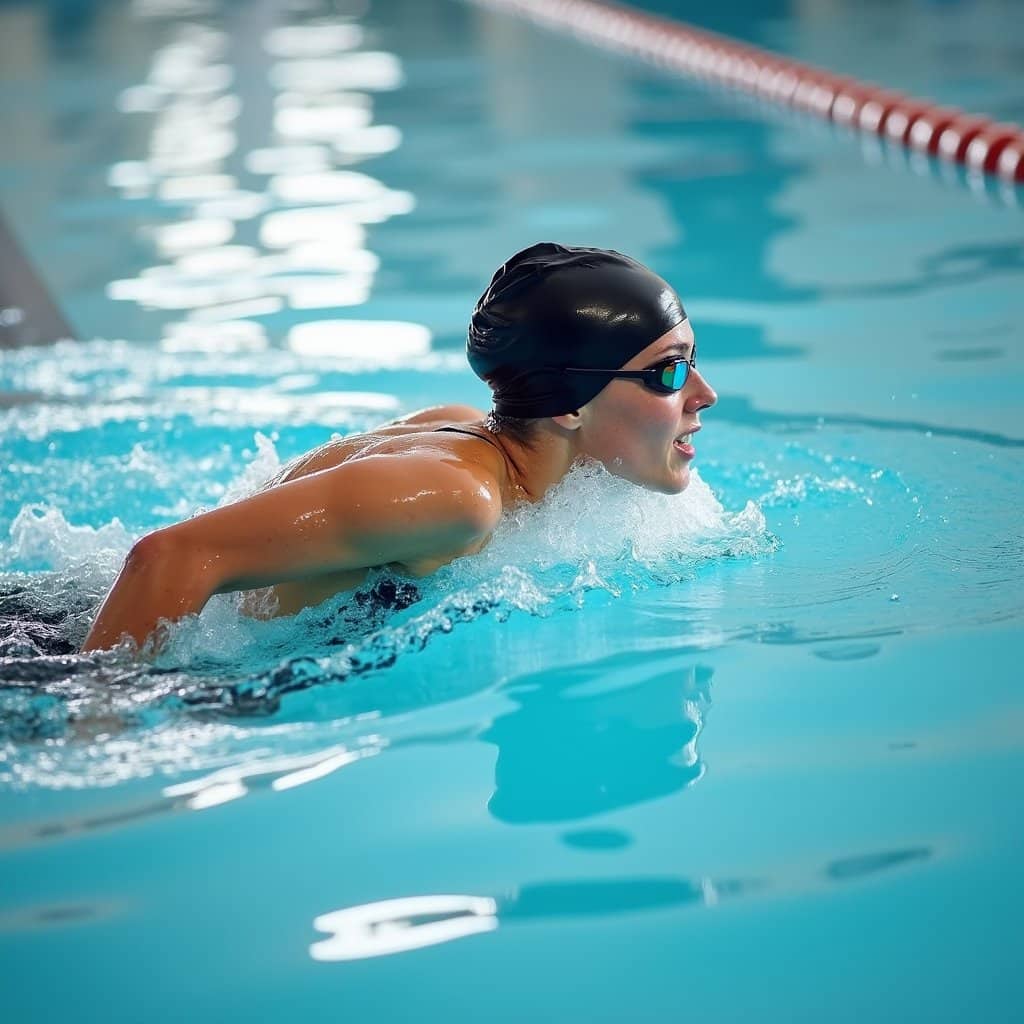
Synchronizing your breathing with your stroke rotation creates the foundation for efficient swimming technique. As you roll your body during freestyle, turn your head to breathe when your recovery arm enters the forward position. This natural rotation minimizes the need to lift your head, reducing drag and conserving energy.
For proper breath timing, inhale quickly when your mouth clears the water, then begin exhaling immediately upon returning your face to the water. Don’t hold your breath between cycles. Instead, establish a consistent breathing rhythm; every second or third stroke works well for most swimmers.
Stroke synchronization improves when you practice bilateral breathing. This balanced approach prevents muscle imbalances and improves your comprehensive technique. Remember, your breathing pattern should complement your stroke rate, not disrupt it. Master this timing, and you’ll swim longer with less fatigue.
Practice Controlled Breathing Drills
Regular practice with specialized breathing drills can dramatically improve your respiratory control in the water. Start with the “bubble-bubble-breathe” drill; exhale steadily underwater for two counts, then rotate to inhale on the third. This establishes a consistent breathing rhythm that syncs naturally with your stroke pattern.
Try progressive breath-holding exercises where you swim one length while taking breaths every 3 strokes, then every 5, and ultimately every 7. Always prioritize form over duration. Incorporate relaxation techniques like focused exhalation. Exhaling fully underwater reduces tension and prevents the common mistake of breath-holding.
Practice bilateral breathing (alternating sides) even if it feels uncomfortable initially. This balanced approach prevents muscle imbalances and gives you tactical advantages during open-water competitions when sun glare or waves become factors.
Build Lung Capacity Through Progressive Training
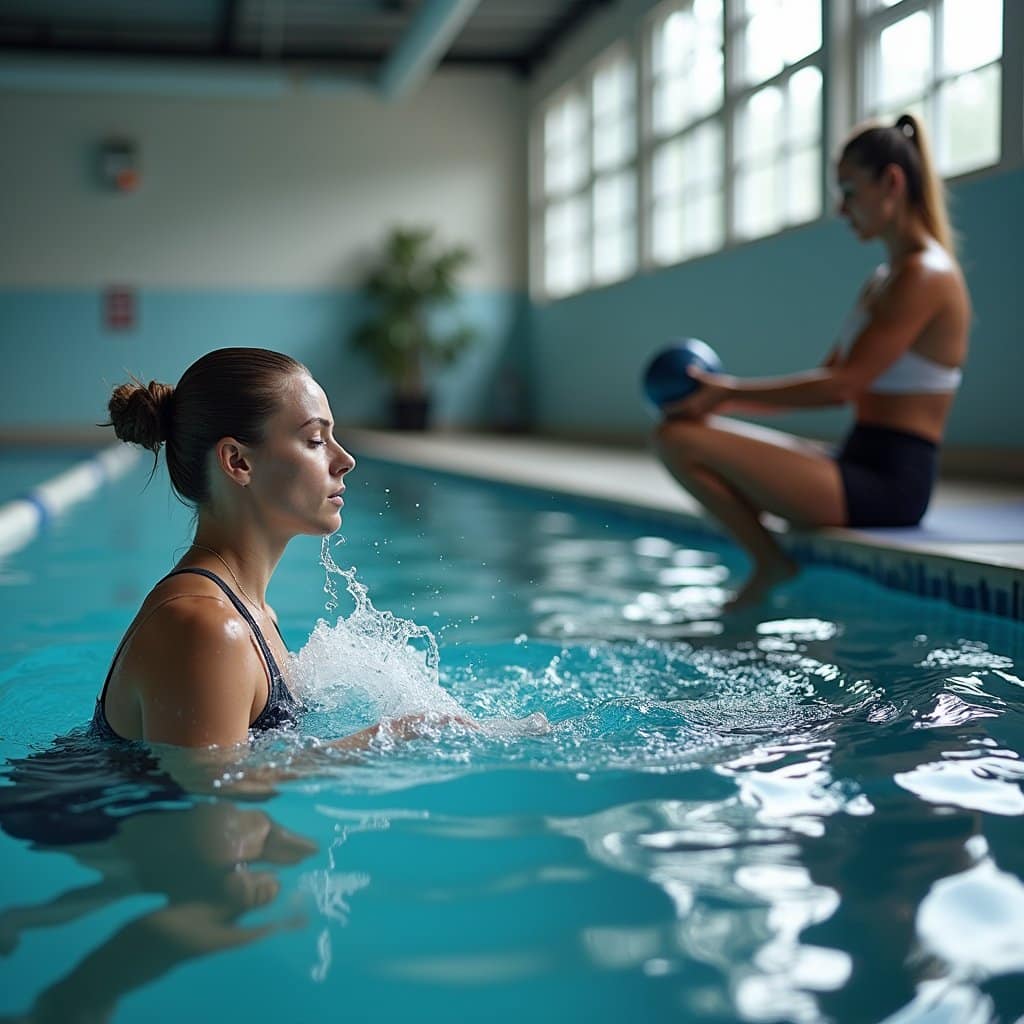
Developing substantial lung capacity represents a cornerstone of swimming proficiency, requiring systematic and progressive training approaches. You’ll need dedicated lung exercises and consistent aerobic conditioning to achieve meaningful results.
| Week | Pool Training | Dry Land Exercises |
|---|---|---|
| 1-2 | 25m underwater with 30s rest | Breath holds: 3x30s |
| 3-4 | 25m breathing every 5 strokes | Balloon inflations: 3×10 |
| 5-6 | 50m breathing every 7 strokes | Diaphragmatic breathing: 5 min |
| 7-8 | 75m with hypoxic sets | Pursed-lip exercises: 4×1 min |
| 9-10 | 100m with varied breathing patterns | Inspiratory muscle training: 10 min |
Start with manageable goals and gradually increase intensity. You’ll notice improvements within weeks as your oxygen efficiency improves. This progressive approach prevents oxygen debt while building sustainable capacity for competition-level swimming.
Frequently Asked Questions
Can I Breathe Through My Mouth or Nose While Swimming?
You can breathe through both your mouth and nose while swimming, but mouth breathing is generally more effective. When you’re in the water, your mouth allows for quicker air intake and exhale than nose breathing does. You’ll find that most swimmers primarily use mouth breathing during strokes, though some combine techniques. Try keeping your nose relaxed but focus on inhaling and exhaling deliberately through your mouth for the most efficient oxygen exchange during your swim.
How Do I Prevent Water From Entering My Nose?
To prevent water from entering your nose, you can use nose clips that pinch your nostrils closed while swimming. They’re especially helpful for beginners or when practicing new breathing techniques. Alternatively, try exhaling gently through your nose when your face is in water, this creates pressure that keeps water out. You can also practice timing your breathing with your strokes. Remember, mastering this skill takes practice, but you’ll develop better control with consistent effort.
Is It Normal to Feel Out of Breath During Swim Practice?
Yes, feeling out of breath during swim practice is completely normal, especially when you’re building swim endurance. Your body works harder in water than on land. Focus on developing proper breathing techniques by exhaling fully underwater and taking quick, deep inhalations during your breathing window. Time your breaths with your stroke rhythm and practice bilateral breathing. As you train consistently, your cardiovascular system will adapt, making breathing feel more natural and comfortable.
Should Breathing Patterns Change for Different Swimming Strokes?
Yes, your breathing patterns should definitely change for different swimming strokes. Each stroke demands unique breathing synchronization with your body movements. For freestyle, breathe every 2-3 strokes; for backstroke, maintain a steady rhythm; breaststroke requires breathing with each stroke cycle; and butterfly demands precise timing with arm recovery. These stroke-specific techniques optimize your oxygen intake and performance. Don’t worry if mastering these patterns takes time, your body will adapt as you practice consistently.
How Can I Overcome Anxiety About Breathing Underwater?
Start by practicing breath control in shallow water where you can stand. Take slow, controlled breaths above water, then gradually submerge your face while exhaling. For anxiety management, try progressive exposure, begin with just your mouth underwater, then nose, then eyes. Count during each breath to maintain rhythm. Remember, it’s normal to feel anxious initially. Practice consistently in comfortable environments before advancing. Your confidence will build with each successful attempt, transforming fear into mechanical skill through repetition.