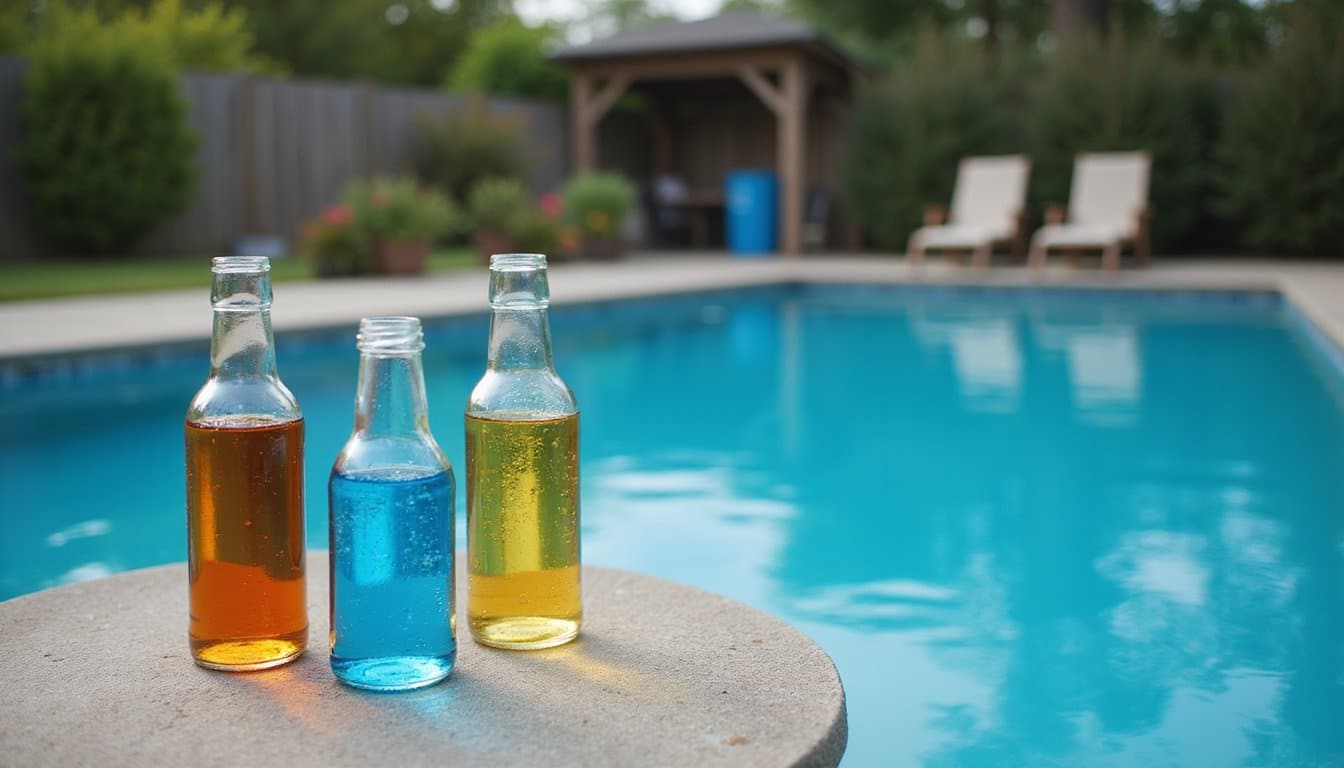
For ideal gunite pool maintenance, you’ll need a thorough chemical toolkit including pH balancers (muriatic acid and sodium carbonate), alkalinity adjusters (sodium bicarbonate), and automated chlorine management systems with ORP sensors. Modern solutions like WaterGuru Sense enable precise monitoring, while professional-grade shock treatments using calcium hypochlorite maintain sanitization. Don’t forget metal sequestering agents like BioGuard Pool Magnet for stain prevention. Discover how these advanced chemical solutions work together to protect your investment.
Essential Ph and Alkalinity Balancers for Gunite Surfaces
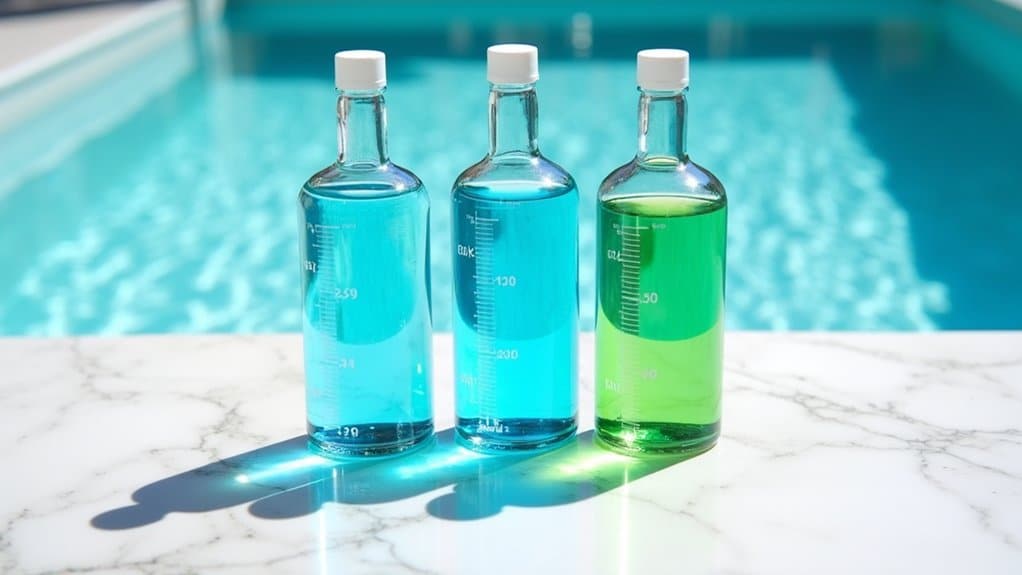
Chemical balance lies at the heart of gunite pool maintenance, with pH and alkalinity serving as the foundational parameters you’ll need to monitor. You’ll want to maintain pH levels between 7.4-7.6 ppm and alkalinity between 80-120 ppm to protect your gunite surfaces. Regular testing 2-3 times weekly will help prevent chemical imbalances that could damage your pool. Proper chemical maintenance helps prevent costly repairs and extends the life of your pool equipment.
Total alkalinity acts as a crucial buffer that helps prevent rapid pH swings in your pool water. Your pH testing techniques should include weekly checks using liquid reagents or test strips. When adjustments are needed, you’ll use muriatic acid to lower pH or sodium carbonate to raise it. For alkalinity adjustment methods, apply sodium bicarbonate to increase levels or muriatic acid to decrease them, using roughly 1 pound per 10,000 gallons. Always correct alkalinity before addressing pH issues, and wait 24 hours after any adjustments before retesting. This systematic approach guarantees your gunite pool maintains ideal chemical balance while preventing surface degradation.
Advanced Chlorine Management Solutions
Advanced chlorine management for your gunite pool requires integrating automated feed systems that precisely monitor and adjust sanitizer levels through real-time ORP sensors and remote-control capabilities. You’ll need to incorporate UV protection strategies, including enzyme-based treatments and mineral purifiers, to reduce chlorine demand while maintaining ideal sanitization levels. By implementing smart shock treatment protocols that leverage automated dosing systems, you can prevent over-chlorination while ensuring effective oxidation of contaminants based on actual pool usage patterns. Integrating chemical-free alternatives like ultrasonic systems can help reduce chemical usage by up to 70% while maintaining optimal pool sanitation. The WaterGuru Sense sensor mounted in your skimmer provides continuous monitoring of chlorine and pH levels for more accurate chemical maintenance. Modern variable-speed pumps operate silently while maintaining consistent chemical distribution throughout your pool water.
Automated Chlorine Feed Systems
Modern automated chlorine feed systems revolutionize pool sanitation by providing precise, hands-free chemical management for Gunite pools. With automated dosing technology and universal chlorine compatibility, you’ll find options ranging from residential 5lb units to commercial-grade 40lb systems. These systems can effectively operate at maximum 50 PSI without any risk of gas escape. Popular manufacturers like Pentair and Dohenys offer reliable models designed for both inground and above-ground applications.
Key features you’ll want to evaluate:
- Programmable release intervals that match your pool’s usage patterns
- Sensor-driven adjustments that auto-correct chlorine levels in real-time
- Hydraulic flow control ensuring proportional chemical distribution
Your system’s efficiency depends on proper maintenance and integration with other sanitization methods. The addition of digital ORP controllers can provide exact monitoring of sanitization levels. You can enhance performance by combining your automated feeder with mineral systems or ionizers, reducing overall chlorine dependency. Whether you choose Pentair’s heavy-duty models or Hayward’s easy-clean designs, today’s automated systems deliver consistent sanitization while minimizing manual intervention.
UV Protection Strategies
Ultraviolet (UV) protection systems represent a sophisticated approach to chlorine management in Gunite pools, integrating seamlessly with existing sanitization methods. You’ll achieve ideal UV effectiveness when installing these systems post-filtration, where they’ll target persistent pathogens while reducing your chlorine dependency by up to 50%. Modern systems can be controlled through integrated smart technology for precise monitoring and adjustment of UV intensity levels. The addition of natural filtration plants around the pool area can complement UV systems by providing an extra layer of water purification. Water passing through the system reaches near drinking quality standards of cleanliness.
UV systems excel at breaking down chloramines before they cause irritation, allowing you to maintain lower chlorine levels while ensuring proper sanitation. You’ll need to replace UV lamps every 8,000-12,000 hours for consistent performance. These systems work synergistically with your pool’s filtration, requiring specific flow rates through the UV chamber for maximum effectiveness. While initial costs run higher than traditional chlorine systems, you’ll benefit from reduced chemical usage and improved water quality, particularly beneficial for sensitive swimmers.
Shock Treatment Optimization
Successful shock treatment enhancement requires a strategic balance of product selection and application timing to maintain proper sanitization levels in your Gunite pool. For ideal algae resistance, you’ll need to adjust your shock frequency based on pool usage and seasonal factors, particularly during warmer months when UV exposure is highest. Weekly treatments are recommended during peak swimming season to maintain optimal water quality. A strong chlorine smell indicates your pool needs immediate shock treatment, as this odor reveals the presence of combined chlorine buildup. If you encounter any access restrictions while researching pool maintenance information online, consider reaching out to local pool supply stores for guidance.
- Cal-hypo remains your most effective choice for severe contamination, delivering fast-acting results without raising CYA levels
- Pre-dissolve your shock treatment in warm water before application, walking the perimeter for even distribution
- Run your pump at full speed for 8-12 hours post-treatment to guarantee thorough chemical circulation
Always test your water 12-24 hours after shocking and wait until chlorine levels drop below 3 ppm before swimming. For daytime treatments, don’t forget to add CYA stabilizer to protect against UV degradation.
Professional-Grade Pool Shock Products
Your pool’s shock treatment program requires a strategic combination of application methods, from fast-acting calcium hypochlorite for rapid sanitization to gentler non-chlorine alternatives like potassium monopersulfate for maintenance treatments. You’ll need to establish a consistent shocking schedule, typically applying treatments weekly or after heavy pool use, while monitoring water chemistry to maintain ideal sanitization levels. Whether you’re using traditional chlorine-based products or exploring chlorine-free options, you must follow manufacturer-specified dosing guidelines and allow proper dissipation time before swimming resumes. Leading brands like Dohenys and DryTec offer specialized shock treatments formulated specifically for gunite pools, with options ranging from standard chlorine shock to non-chlorine oxidizers.
Shock Treatment Application Methods
Professional-grade pool shock treatments require specific application methods based on their chemical composition and formulation type. Your shock application techniques will vary depending on whether you’re using granular or liquid products, with each requiring precise shock dosage calculations for ideal results.
- For cal-hypo products like HTH 52037 or DryTec, pre-dissolve the granules in a bucket of water before broadcasting around the pool’s perimeter to prevent clouding and guarantee even distribution.
- When using liquid sodium hypochlorite solutions, you’ll need to meter the product directly into your circulation system using an automated pump for precise dosing.
- With stabilized di-chlor options, broadcast the granules across the pool surface during evening hours to prevent UV degradation and maintain maximum effectiveness.
Remember to maintain proper circulation for at least 6 hours after application for thorough distribution.
Non-Chlorine Shock Alternatives
While chlorine-based shocks remain popular, non-chlorine oxidizers like potassium monopersulfate offer compelling advantages for gunite pool maintenance. You’ll find these professional-grade products provide faster oxidation and enhanced surface protection for your concrete pool surfaces.
| Feature | Non Chlorine Benefits |
|---|---|
| Safety | Swim-ready in 15 minutes vs. hours with chlorine |
| Surface Impact | No concrete etching or calcium scaling |
| Maintenance | Minimal pH adjustment needed post-treatment |
The potassium monopersulfate usage protocol is straightforward: directly add 1 pound per 10,000 gallons of water. You won’t need premixing, and it’s compatible with all sanitizer systems. These shock alternatives prevent stabilizer buildup while effectively targeting bacteria, algae, and organic contaminants. For gunite pools specifically, you’ll appreciate the neutral pH formulation that protects your investment while maintaining ideal water clarity.
Shocking Schedule Best Practices
Maintaining an effective shocking schedule requires precise timing and product selection to maximize sanitization results. You’ll need to adjust shocking frequency based on pool usage, weather conditions, and contamination levels while selecting appropriate shock chemicals for your gunite surface.
For best results, implement these critical practices:
- Apply 1-2 pounds of calcium hypochlorite per 10,000 gallons during weekly maintenance shocks
- Increase shock chemical selection to 10-20 pounds per 10,000 gallons when treating severe algae outbreaks
- Test pH levels before application, maintaining 7.2-7.6 for maximum effectiveness
Monitor your pool’s response to treatment by testing chlorine levels 24-48 hours post-shock. During peak season or extended heat periods, you’ll need to make shocking frequency adjustments, potentially increasing to bi-weekly applications while maintaining consistent testing protocols.
Metal Stain Prevention and Treatment Options
Metal stains in gunite pools require both proactive prevention and targeted treatment strategies to maintain an aesthetically pleasing surface. You’ll need to implement metal stain prevention by using sequestering agents like BioGuard Pool Magnet or Jack’s Magic products, especially when filling your pool with well water. Keep chlorine levels at or below 1.5 ppm during treatment to prevent metal redeposition.
For stain treatment options, you’ve got several effective choices. Apply BioGuard Pool Magnet at 1 quart per 10,000 gallons for light stains, or use Jack’s Magic Blue Stuff for heavier discoloration. For immediate results, try Abscorb-X directly on affected areas. Don’t forget to maintain proper pH and chemical balance before treatment, and clean your filters regularly to remove sequestered metals afterward.
Modern Pool Stabilization Chemicals
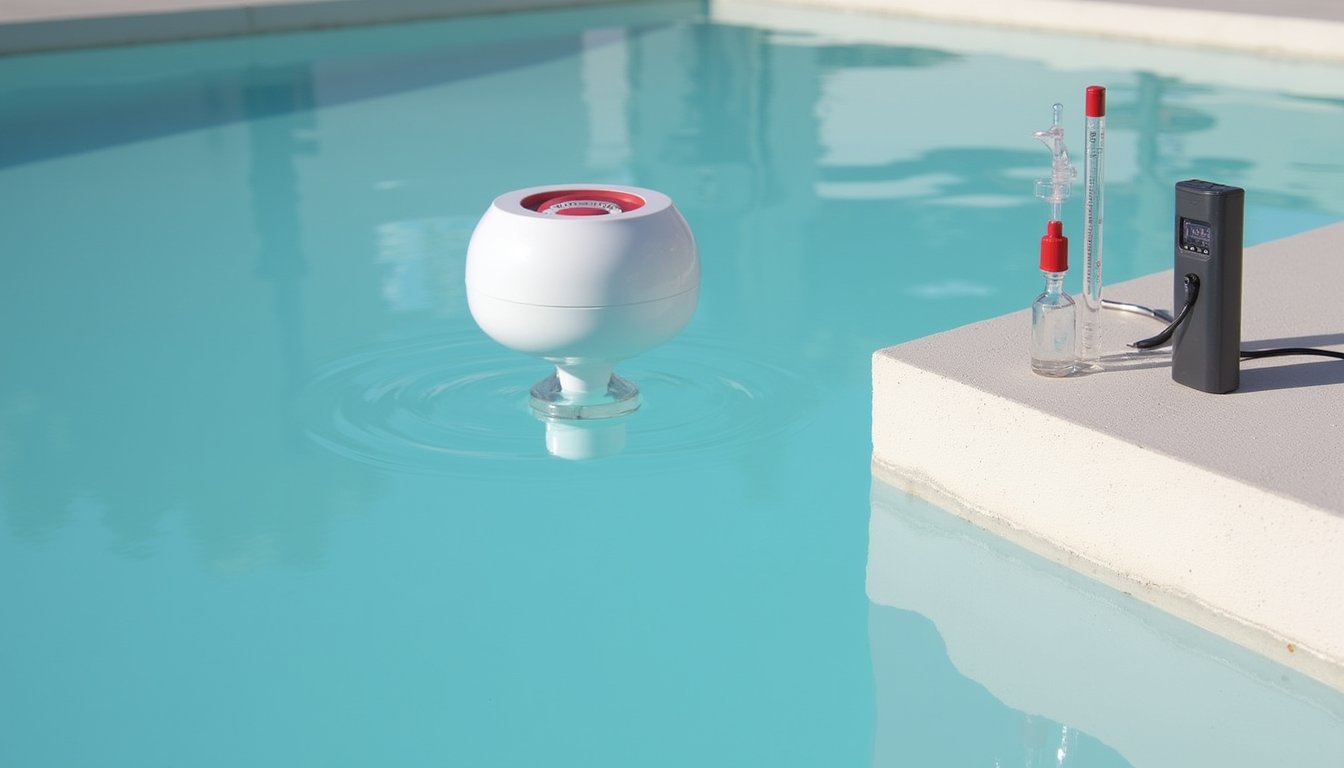
Because modern pool stabilization demands precise chemical balance, you’ll need to maintain four critical parameters: pH, alkalinity, calcium hardness, and chlorine levels. Today’s chemical innovations make this process more manageable through smart controllers and automated systems that monitor your pool health in real-time.
Key stabilization factors for your Gunite pool include:
- Maintaining cyanuric acid levels between 30-50 ppm to protect chlorine from UV degradation
- Keeping calcium hardness at 200-250 ppm to prevent surface etching and scaling
- Using integrated chemical systems that automatically adjust multiple parameters simultaneously
With 2025’s advanced monitoring systems, you’ll benefit from cloud-based analytics that track chemical trends and predict maintenance needs. These smart controllers optimize sanitizer effectiveness while protecting your Gunite surface, ensuring balanced water chemistry through automated adjustments and real-time parameter monitoring.
Testing Equipment and Chemical Analysis Tools
Accurate chemical analysis requires sophisticated testing equipment to validate your pool’s water chemistry parameters. You’ll need to choose between several testing methods, from basic test strips to advanced photometric systems. The Taylor K-2006 kit offers precise DPD/FAS-DPD testing for chlorine and cyanuric acid, while the WaterLink SpinTouch Lab delivers rapid results for multiple parameters in just 60 seconds.
For professional-grade chemical analysis, consider digital multi-testers with LCD displays or portable photometers that use calibrated light sensors. You’ll want to maintain proper reagent storage and follow manufacturer guidelines for accurate readings. Remember to regularly replace DPD tablets and FAS-DPD solutions to prevent false low readings. Modern innovations like SpeedStir magnetic stirrers and prefilled reagent disks have greatly reduced testing time while improving accuracy.
Frequently Asked Questions
How Long Should I Wait Between Adding Different Pool Chemicals?
You’ll need to follow specific chemical interaction timing to maintain your pool safely. Wait 15-30 minutes after adding chlorine before testing pH, and allow 4-6 hours between pH adjusters. Space your shock treatments 7-10 days apart, and wait 24 hours before adding algaecides. For dosage recommendations, never mix chemicals directly, and allow clarifiers 24-48 hours to work before backwashing. Always follow manufacturer’s specific timing guidelines.
Can I Use Expired Pool Chemicals if They Still Look Good?
You shouldn’t use expired pool chemicals, even if they appear intact. Expired chemical efficacy notably decreases over time, making treatments less reliable and potentially requiring higher doses to achieve desired results. Safety concerns include inadequate sanitization, harmful byproduct formation, and possible damage to your pool’s gunite surface. Instead, you’ll want to properly dispose of expired chemicals following local regulations and replace them with fresh products to guarantee ideal pool maintenance.
What Chemicals Should I Add First After Heavy Rainfall?
After heavy rainfall, you’ll need to address chemical balance immediately, starting with chlorine to counteract rainwater impact. Add liquid or granular chlorine first to reach 1-3 ppm, as rainfall dilutes your pool’s sanitizer levels. Once you’ve restored chlorine, test and adjust your pH levels to 7.4-7.6. Don’t skip this order – proper sanitization must come before other chemical adjustments to guarantee safe swimming conditions.
How Do Different Weather Conditions Affect Chemical Consumption in Gunite Pools?
Weather impacts greatly affect your pool’s chemical balance and consumption rates. You’ll notice that sunlight accelerates chlorine depletion, requiring higher stabilizer levels. During rainfall, you’ll need more chemicals as water dilutes existing levels. Hot temperatures increase your chlorine demand due to faster bacterial growth. In humid conditions, you’ll use fewer chemicals due to reduced evaporation, while windy conditions require more frequent treatments to counter debris contamination.
Should Chemical Dosages Change Based on Pool Usage Frequency?
You’ll need to adjust your chemical dosages based on usage patterns. Higher pool activity demands more frequent chlorine additions to combat increased contaminants, typically maintaining 1-3 ppm. You should test chlorine levels daily for high-usage pools versus weekly for low usage. While you’ll modify sanitizer dosage frequently, keep stabilizer levels constant at 30-50 ppm regardless of activity. Monitor alkalinity twice weekly during heavy use to maintain proper pH buffering.