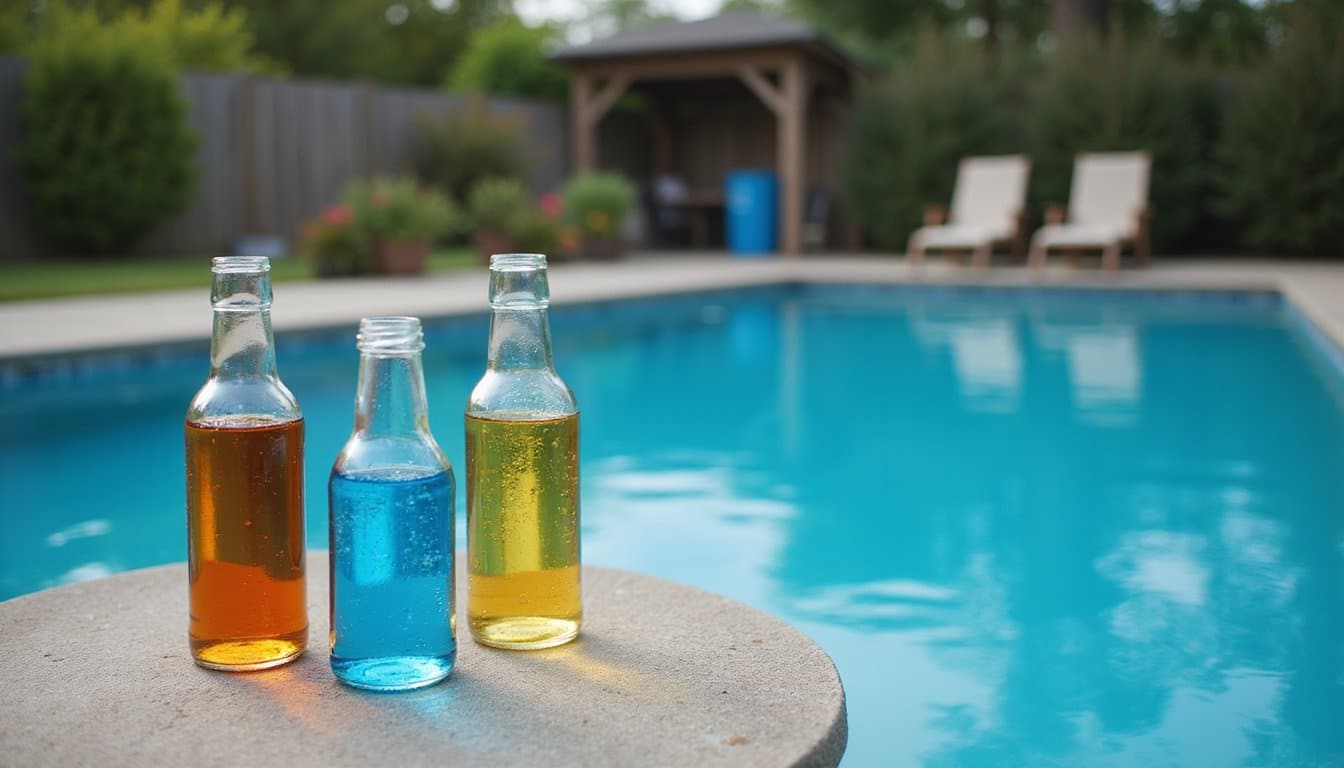
To optimize your indoor Olympic pool climate, you’ll need precise control over key parameters. Maintain water temperature at 25-28°C (77-82°F) while keeping air temperature 1-3°C higher to minimize evaporation. Install fabric ducts strategically above swimming lanes for even, draft-free airflow, and target 50-60% relative humidity. Implement 4-6 air changes per hour through corrosion-resistant components, and use automated controls for energy efficiency. These foundational elements set the stage for an all-encompassing climate management strategy.
Optimizing Temperature and Humidity Parameters
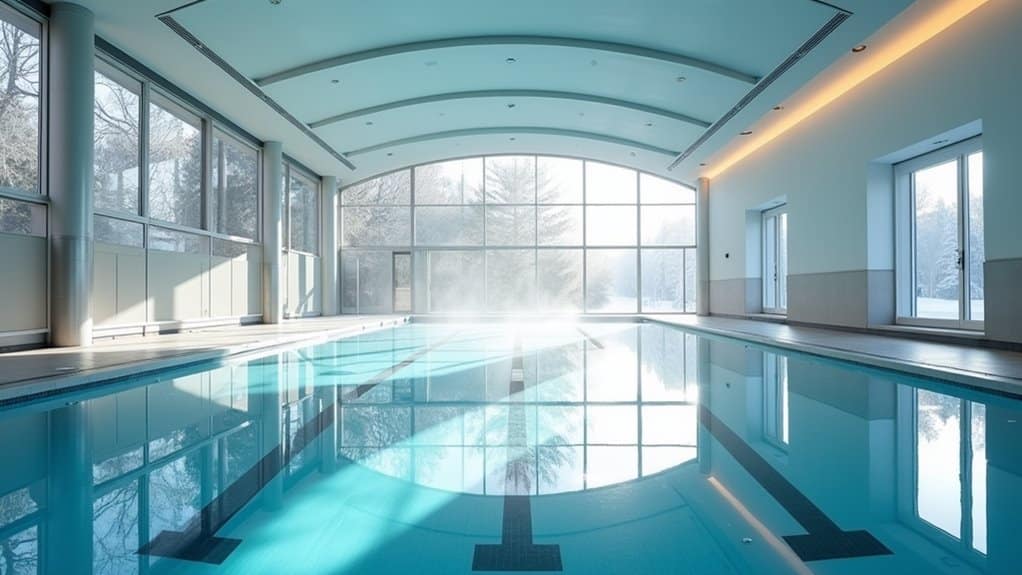
While maintaining ideal conditions for an indoor Olympic pool requires careful balance, the key parameters center on water temperature, air temperature, and relative humidity control. You’ll need to keep pool water temperature monitoring systems calibrated for 25-28°C (77-82°F), while maintaining air temperature just 1-3°C above water levels to minimize evaporation and swimmer discomfort. Vapor pressure differences between the pool water and surrounding air significantly impact overall moisture load. Competitive swimmers generally prefer cooler temperatures for optimal training and racing performance. Your efficient dehumidification systems should target 50-60% relative humidity, as exceeding these levels risks structural damage and microbial growth. For perfect/excellent performance and safety, you must prevent air temperature from rising above 86°F (30°C), which would reduce comfort and energy efficiency. Following ASHRAE Standard 62.1 requirements is essential for maintaining proper ventilation rates throughout the facility. By maintaining these precise environmental conditions, you’ll create an ideal training and competition environment while protecting your facility’s infrastructure and minimizing operational costs.
Strategic Air Distribution and Ventilation Methods
Fabric duct systems offer superior air distribution for Olympic pools by providing even, draft-free airflow across large spaces while eliminating condensation risks common with metal ductwork. You’ll achieve ideal results by positioning these fabric ducts strategically above swimming lanes and deck areas, ensuring uniform air movement at diverse heights through precision-engineered linear vents. To minimize cold spots and maintain comfort for both athletes and spectators, you can integrate multiple zones of fabric ducting with customized perforation patterns that respond to varying load requirements across different pool area sections. The corrosion-resistant components make these systems particularly well-suited for the harsh pool environment. The recommended 4-6 air changes per hour through these fabric ducts helps maintain optimal dehumidification performance. The system’s negative air pressure capabilities prevent chlorinated air from migrating to surrounding facility spaces, protecting adjacent areas from moisture and chemical exposure.
Fabric Duct Performance Benefits
The strategic implementation of fabric duct systems delivers superior air distribution and ventilation performance in indoor Olympic pool environments. You’ll find these systems combine exceptional functionality with aesthetic appeal and heightened acoustical performance, while providing efficient climate control for both athletes and spectators. The combination of NozzFlow and PerfoFlow systems ensures optimal air distribution throughout the facility. The advanced capabilities help maintain safe chemical levels in the pool environment, protecting the health of swimmers and staff. Antimicrobial properties can be incorporated into the fabric duct specification to further enhance air quality and safety.
Key performance benefits include:
- Precision-engineered orifice placement guarantees uniform airflow distribution, eliminating temperature stratification and stagnant zones
- Permeable surfaces facilitate ideal humidity control and chemical dispersal, reducing condensation risks and maintaining air quality
- High-capacity, low-pressure operation decreases energy consumption while improving overall ventilation efficiency
- Corrosion-resistant materials extend system longevity, requiring minimal maintenance and offering significant cost savings compared to traditional metal ducts
These benefits make fabric ducts an ideal solution for maintaining optimal indoor Olympic pool conditions year-round.
Minimizing Cold Air Zones
Successfully minimizing cold air zones in Olympic pool environments demands strategic air distribution and precise ventilation control methods. You’ll need to implement overhead and low-level diffusers for thermal stratification prevention, ensuring temperatures remain uniform throughout the space. Maintain air velocities below 30-40 feet per minute across the pool surface while targeting both water and deck zones.
Position supply diffusers along exterior walls and introduce under deck air circulation to combat cold spots near windows. You’ll achieve ideal results by setting air temperature 2-3°C above water temperature and maintaining 50-60% relative humidity. During cold seasons, supply air at 40-50°C near perimeter diffusers. For comprehensive comfort, establish 4-6 air changes per hour and isolate spectator zones with dedicated ventilation systems to prevent cross-contamination and maintain consistent temperatures throughout the facility.
Material Selection for Long-Term System Performance
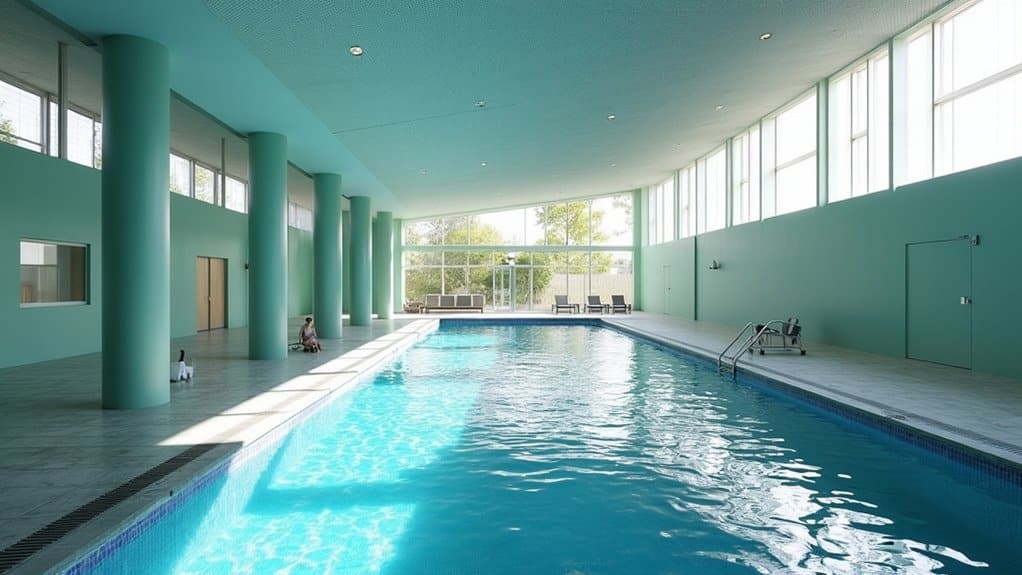
Strategic material selection forms the foundation of any long-lasting indoor Olympic pool facility, impacting both performance and maintenance costs over its operational lifetime. You’ll need to prioritize water resistance considerations and algae resistant surfaces while ensuring your chosen materials meet international competition standards. Using high-grade stainless steel for pool construction can provide decades of reliable service with minimal maintenance requirements. Modern lightweight panels install quickly with minimal labor compared to traditional materials, reducing overall construction time and costs. Concrete pools offer exceptional durability for Olympic facilities despite higher upfront costs.
- Select shell materials based on your facility’s specific needs – stainless steel excels in Olympic settings with low maintenance, while concrete offers custom design flexibility
- Install non-slip coatings on critical zones and choose surface finishes that resist biofilm accumulation
- Opt for PVC or FRP wall and ceiling panels to create a complete moisture barrier, protecting your structure from pool humidity
- Implement corrosion-resistant materials like 316L grade stainless steel or epoxy-coated components to withstand aggressive pool chemicals and prevent deterioration
Energy-Efficient Climate Management Solutions
Beyond selecting durable materials, implementing energy-efficient climate management solutions can dramatically reduce operational costs while maintaining ideal conditions for Olympic swimmers. You’ll achieve excellent results by integrating heat pump dehumidifiers that recover latent heat for both air and water heating. These low carbon heating solutions can provide up to 80% of your facility’s heating needs. Fresh air introduction through ventilation systems helps maintain optimal air quality for athletes and spectators. Mold and mildew prevention requires consistent humidity control to protect the facility’s structural integrity.
For maximum efficiency, you’ll want to maintain air temperature 2-3°C above water temperature while using dehumidification system upgrades like modulating hot gas reheat systems and variable capacity controls. Install ceiling extraction paired with perimeter supply systems, and implement zone-specific conditioning for stands and pool areas. Connect these systems to your BMS for automated control based on real-time demand, ensuring precise humidity and temperature management while minimizing energy waste.
Health and Safety Through Environmental Control
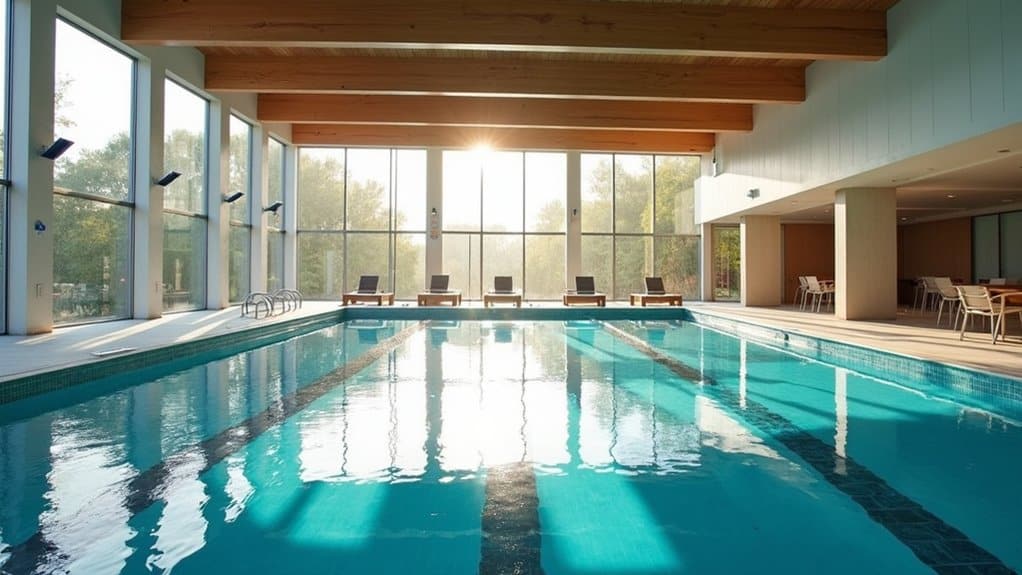
Maintaining strict humidity control between 55-65% in your Olympic pool facility directly prevents respiratory illnesses and inhibits the growth of harmful microorganisms. You’ll need automated humidistats and dehumidification systems to continuously extract excess moisture, which helps eliminate the risk of airborne pathogens and mold formation. Your HVAC system must incorporate chloramine control and proper air pressure management to meet competitive pool air quality standards while protecting both athletes and spectators from respiratory irritants. Desert Aire’s ExpertAire systems provide integrated solutions for maintaining optimal natatorium conditions.
Humidity Control Prevents Illness
Indoor pool facilities that fail to control humidity levels face significant health risks for swimmers, staff, and spectators. You’ll see improved indoor air quality and reduced transmission risk when maintaining relative humidity between 50-60%. Proper dehumidification prevents mold growth, suppresses bacterial proliferation, and reduces VOC formation from pool chemicals.
- HVAC systems must maintain air temperature 2°F above the pool water to minimize evaporation
- Continuous monitoring enables quick correction of unsafe humidity conditions
- Modern climate control reduces airborne pollutants, allergens, and chemical byproducts
- Effective dehumidification prevents structural degradation that can compromise air systems
Pool Air Quality Standards
Three critical components define Olympic pool air quality standards: ventilation rates, chemical limits, and airflow control. You’ll need to maintain strict chemical concentration limits while monitoring air quality through exhaustive ventilation and airflow management.
| Parameter | Requirement | Purpose |
|---|---|---|
| Ventilation | 0.48 CFM/ft² pool area | Remove contaminants |
| Chemical Limits | 0.5 mg/m³ NCl₃ max | Prevent irritation |
| Air Changes | 4-6 per hour | Maintain quality |
Your ventilation system must deliver fresh air across the pool surface while maintaining negative pressure (0.05-0.15″ WC). To meet WHO standards, keep trichloramine levels below 0.5 mg/m³, though stricter facilities aim for 0.3 mg/m³. Calculate your air changes using room volume and accommodate your system for peak usage periods for consistent contaminant removal.
Maximizing Comfort for Athletes and Spectators
Successful comfort optimization in Olympic pool facilities requires carefully balanced conditions for both athletes and spectators. You’ll need to maintain water temperatures at 24-28°C with air temperatures 2-3°C higher to prevent post-swim chilling. Strategic airflow design and envelope performance are critical for eliminating cold spots and guaranteeing consistent comfort throughout the space.
- Implement dedicated air conditioning zones for spectator areas to prevent temperature stratification and sustain 50-60% relative humidity
- Install fabric ducts for noise mitigation and even air distribution, handling up to 25,010 m³/h
- Utilize negative air pressure systems to prevent chlorine-laden air from reaching spectator zones
- Deploy variable capacity compressors and energy recovery wheels to optimize efficiency while maintaining comfort levels
These measures guarantee optimal conditions for both athletes during competition and spectators throughout events.
Frequently Asked Questions
How Often Should Pool Facility Air Quality Testing Be Conducted?
You’ll need to conduct scheduled air quality audits at least quarterly, with more frequent testing if you have high bather loads or air quality complaints. Plan periodic air quality inspections monthly for facilities with dome structures or poor ventilation. It’s essential you supplement these assessments with weekly water testing. You should increase testing frequency to monthly if you’re operating a high-traffic facility or experiencing recurring air quality issues.
What Emergency Protocols Exist for Sudden Climate Control System Failures?
You’ll need to activate your facility’s emergency response plan immediately when climate control fails. Initial, shut down affected HVAC systems and activate emergency backup generators for essential ventilation. Notify all occupants using internal alert systems and begin evacuation procedures if conditions become unsafe. Contact emergency services if needed, especially during extreme temperature situations. Document all actions taken and maintain communication with facility management throughout the incident.
Can Natural Ventilation Complement Mechanical Systems in Indoor Olympic Pools?
Yes, you’ll find natural ventilation strategies can effectively complement mechanical systems when properly integrated. You can reduce energy costs by using operable windows and louvers during favorable weather conditions, especially for varying pool occupancy patterns. You’ll want to coordinate automated controls to balance natural and mechanical ventilation, maintaining suitable humidity levels while capturing up to 84% of sensible heat through heat exchangers. Just verify you’re monitoring condensation risks carefully.
How Do Different Swimming Activities Affect Optimal Temperature and Humidity Settings?
You’ll need to adjust your pool’s climate settings based on activity intensity, as water evaporation rates vary tremendously with different uses. For competitive swimming, keep temperatures cooler (77-82°F) to support peak performance. You’ll want warmer settings (84-89°F) for instruction and therapy to maintain ideal thermal comfort zones. Monitor humidity closely at 50-60% across all activities, but expect to make more frequent adjustments during high-intensity competitive events due to increased evaporation.
What Impact Does Pool Water Chemistry Have on HVAC System Performance?
Your pool water mineral content and chemical treatments directly impact HVAC performance in several critical ways. You’ll notice accelerated corrosion of system components when exposed to chloramine off-gassing, requiring more frequent maintenance. You’ll also experience reduced efficiency as chemical buildup affects heat exchangers and filtration systems. To protect your HVAC investment, you’ll need corrosion-resistant materials and improved filtration, plus regular chemical balance monitoring to minimize these negative impacts.