
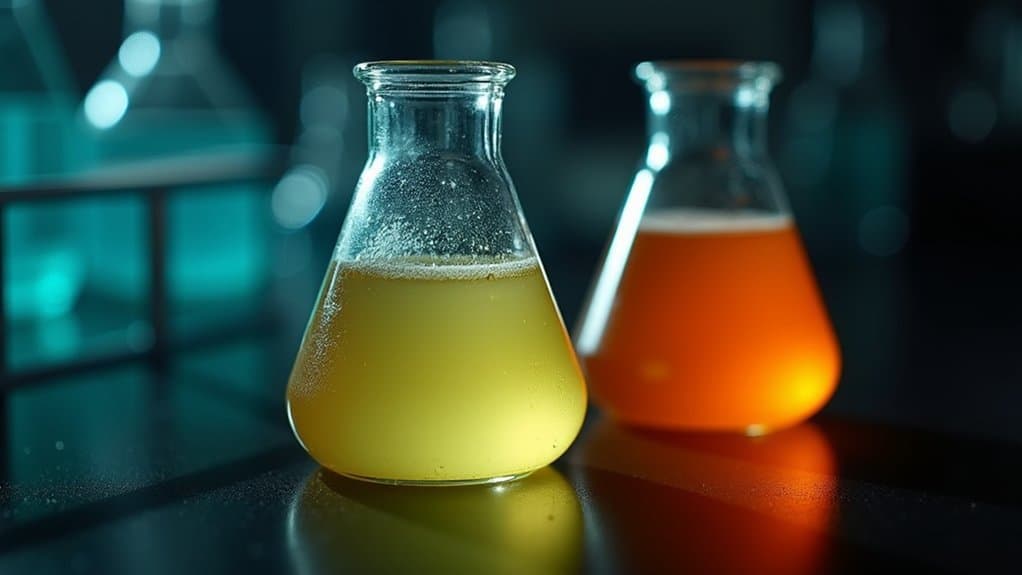

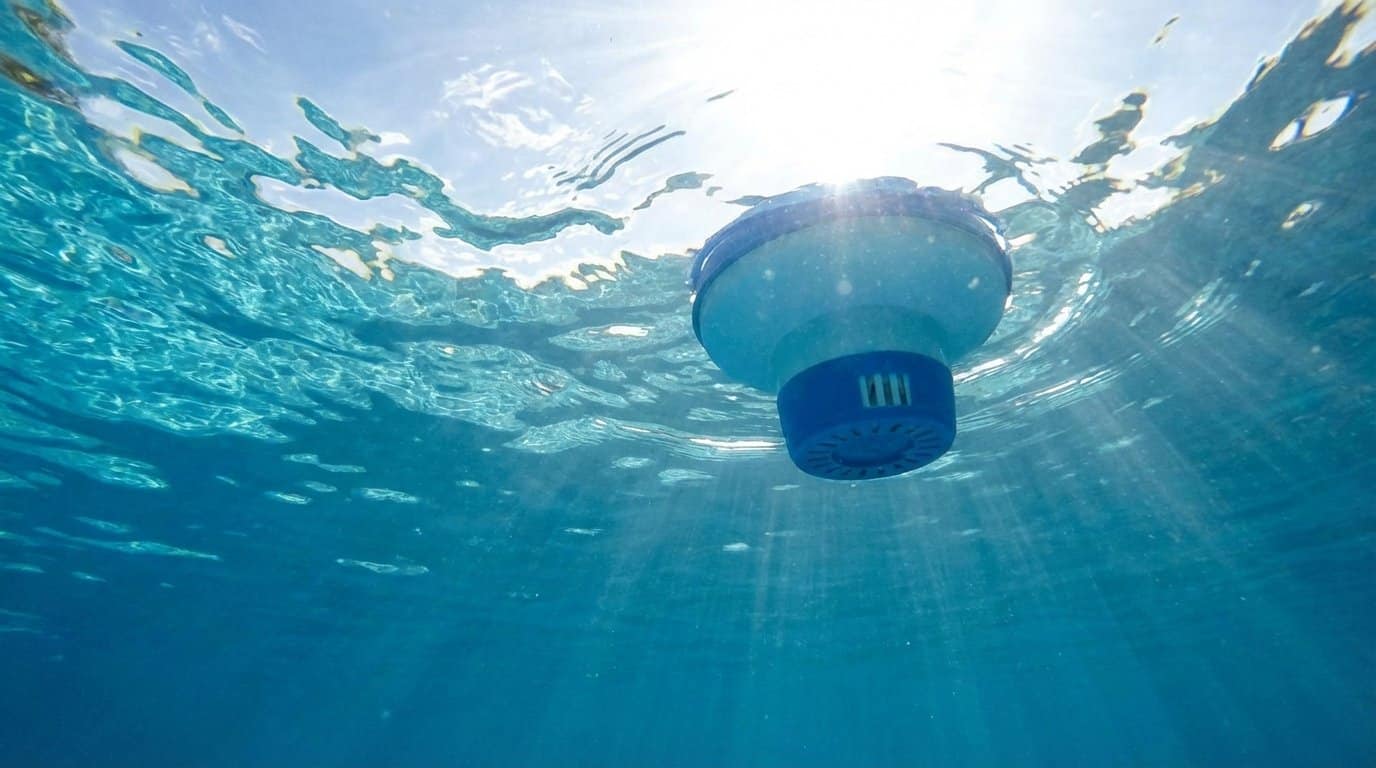
Mixing chlorine and bromine is dangerous because direct contact triggers a hazardous reaction that releases bromine chloride, a reddish-yellow toxic gas that reacts with moisture to produce corrosive hydrogen chloride. You’ll face immediate respiratory risks, including throat burning, chest tightness, and potential pulmonary edema that can develop hours after exposure. Even low concentrations cause eye irritation and tissue damage. Understanding proper storage protocols and emergency response steps can help you prevent serious chemical accidents. Mixing chlorine and bromine is dangerous because direct contact can trigger a hazardous reaction that releases bromine chloride, a reddish-yellow toxic gas that reacts with moisture to form corrosive hydrogen chloride, creating immediate respiratory risks such as throat irritation, chest tightness, and delayed pulmonary complications. While pool professionals may reference the bromine to chlorine conversion factor pool when calculating sanitizer equivalencies in properly diluted water, concentrated product-to-product contact is never safe, and strict storage separation along with clear emergency response procedures are essential to prevent serious chemical accidents.
What Happens When You Mix Chlorine and Bromine?
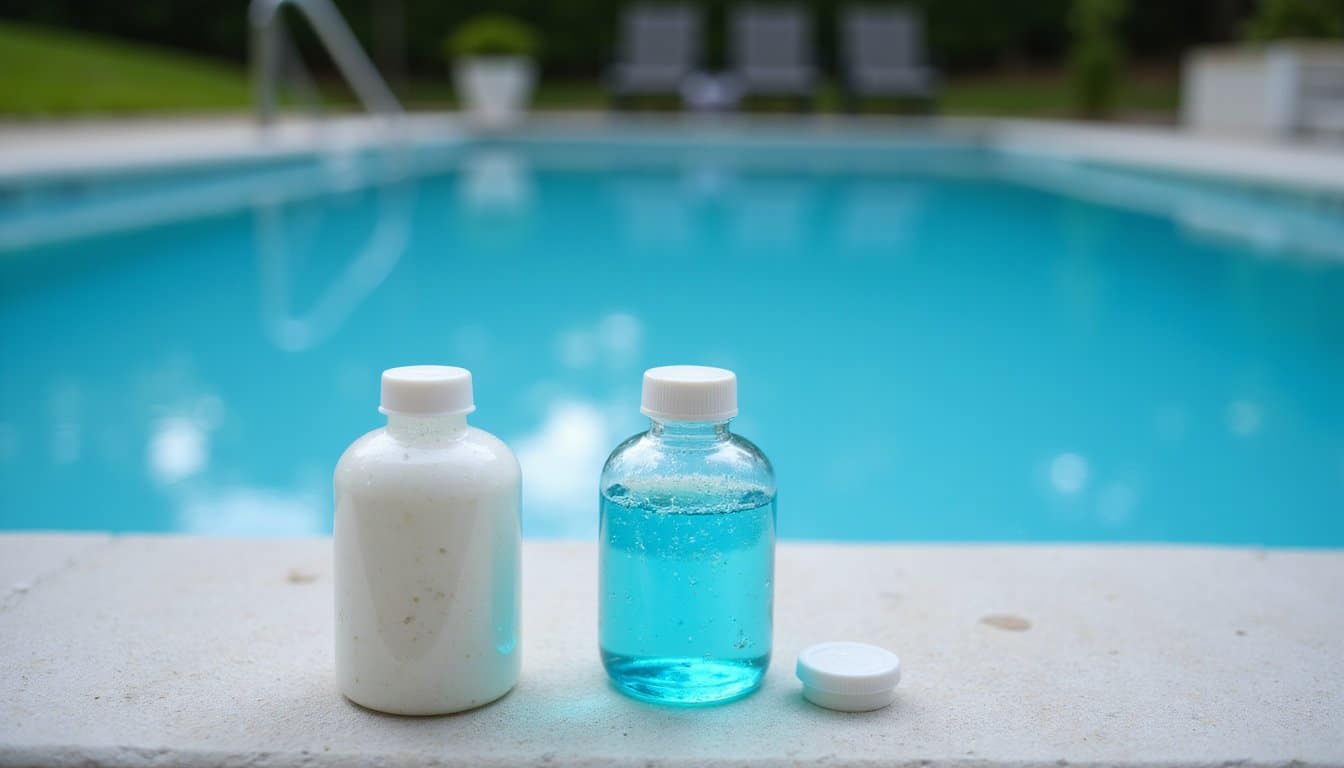
When chlorine and bromine come into direct contact outside a diluted water system, they trigger a hazardous chemical reaction that produces toxic gases and unstable compounds. You’re dealing with two reactive halogens that form trihalomethanes and bromochloromethane, gases heavier than air that accumulate in poorly ventilated spaces.
The chlorine gas risk pool operators face intensifies when concentrated sanitizers cross-contaminate. Bromine gas exposure occurs rapidly, causing severe respiratory damage and potential blindness. The mixing pool chemicals danger extends beyond immediate reactions; unstable compounds like chlorine trichloride decompose unpredictably. Notably, reactions drop in violence as you move from fluorine to chlorine to bromine on the halogen scale, though all remain hazardous. This difference in reactivity explains why chlorine radicals are more reactive than bromine radicals during halogenation processes.
Chemical off-gassing spa environments present heightened concerns due to enclosed spaces. You’ll notice steamy fumes and organic mists as warning signs. These reactions cancel disinfectant effectiveness while generating toxic byproducts. When halogens interact with organic compounds in pool water, the reaction proceeds through cyclic halonium ion intermediates that influence the formation of harmful byproducts. Store products separately and maintain proper ventilation protocols.
Immediate Steps If You’ve Already Mixed Them
If you’ve already mixed chlorine and bromine chemicals and notice gas release, heat, or discoloration, evacuate everyone from the area immediately and move upwind to fresh air. Open windows and doors to ventilate the space, but don’t re-enter until the air has cleared completely. Seek medical attention right away if anyone experiences coughing, shortness of breath, eye irritation, or chest tightness, as symptoms can worsen or appear delayed up to 48 hours after exposure.
Evacuate and Ventilate Immediately
Should you accidentally mix chlorine and bromine chemicals, you’ll need to act within seconds, not minutes. The chlorine gas risk pool handlers face intensifies when incompatible oxidizers pool together, releasing toxic vapors heavier than air. These gases accumulate in low-lying areas, making immediate evacuation critical.
- Move upwind and uphill away from the contamination zone
- Activate ventilation pump room systems to disperse accumulated gases
- Assist non-ambulatory victims using backboards while avoiding physical exertion that worsens pulmonary stress
- Don respiratory protection before re-entering affected areas
Respiratory irritation pool chemicals cause can progress to pulmonary edema hours after exposure. Don’t delay, transfer exposed individuals to fresh air immediately. Provide oxygen if available and maintain airway patency. Speed determines outcomes; treatment begins simultaneously with removal from the hazard zone.
Seek Medical Attention
Recognizing chlorine-bromine exposure symptoms allows you to gauge severity and determine appropriate medical response. You’ll experience burning sensations in your eyes, nose, and throat first. Eye irritation fumes trigger watery discharge and mucous membrane inflammation. Coughing, wheezing, and dyspnea follow as the chlorine gas risk pool chemicals affect your respiratory tract.
Seek immediate care when you notice violent coughing, chest tightness, or lightheadedness. Contact emergency services immediately for respiratory distress signs. Report your estimated exposure concentration and duration to medical personnel.
Recognize symptoms may escalate over 36 hours, pulmonary edema often presents in a delayed manner. Medical teams will administer oxygen therapy, bronchodilators for bronchospasm, and monitor for acute lung injury. Pre-existing asthma or COPD increases complication risks considerably.
Toxic Gases This Mixture Releases
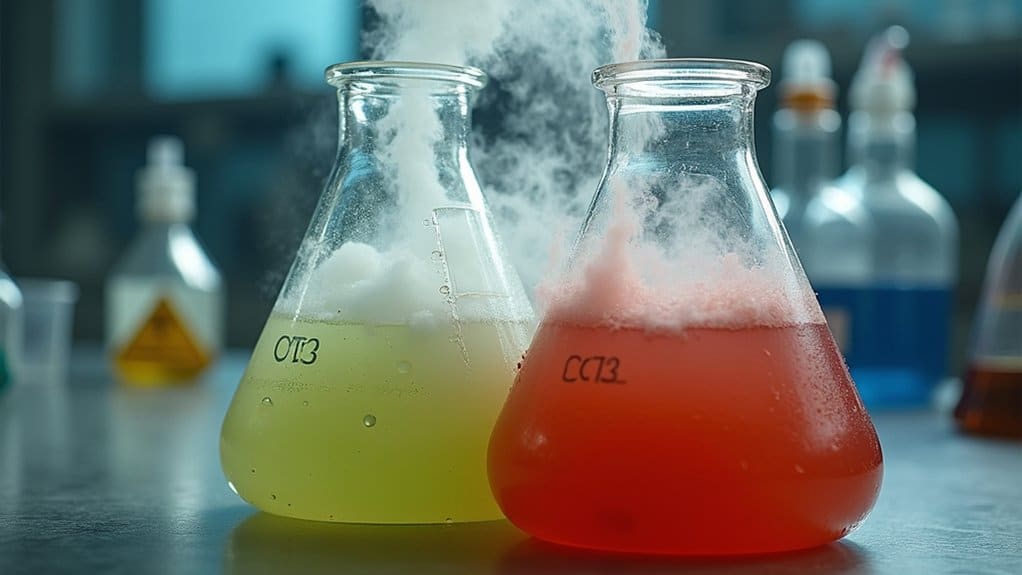
When chlorine and bromine chemicals contact each other directly, they produce bromine chloride (BrCl), a reddish-yellow toxic compound classified as a poisonous gas under DOT UN 2901. This halogen gas release creates immediate chemical fumes hazard in enclosed spaces. BrCl reacts with moisture to generate corrosive hydrogen chloride gas, intensifying respiratory risks.
The chlorine gas risk pool operators face includes:
- Eye and mucous membrane irritation at concentrations as low as 1-3 ppm
- Pulmonary symptoms triggering at 15 ppm exposure
- Fatal outcomes possible at 430 ppm within 30 minutes
- Corrosive tissue damage from bromine’s heavier-than-air accumulation in low areas
You must heed every incompatible storage warning. Both gases produce intermediate water-soluble pulmonary irritants that damage respiratory tissue rapidly.
Symptoms of Chlorine and Bromine Gas Exposure
When you’re exposed to chlorine or bromine gas, your respiratory system responds first with coughing, throat burning, and chest tightness that can progress to difficulty breathing and wheezing at higher concentrations. Your eyes and skin will show immediate reactions including redness, burning pain, and watering, with potential for chemical burns during prolonged contact. You should treat any combination of these symptoms as a medical emergency requiring immediate evacuation to fresh air and professional evaluation.
Respiratory System Warning Signs
Both chlorine and bromine gases produce dose-dependent respiratory symptoms that escalate rapidly without intervention. You’ll recognize acute respiratory symptoms through immediate coughing, difficulty breathing, and burning sensations in your throat. At concentrations of 30 ppm, you’ll experience chest pain and shortness of breath, while 40, 60 ppm triggers toxic pneumonitis.
Respiratory System Warning Signs:
- Crackles during lung auscultation indicate developing pulmonary involvement
- Choking, wheezing, and laryngeal spasm signal severe bronchoconstriction
- Hypoxaemia and metabolic acidosis develop from prolonged exposure
- Chronic cough with phlegm production persists in affected individuals
Understanding chlorine gas risk pool scenarios helps you identify long-term respiratory complications early. Reactive airways dysfunction syndrome and chemical-induced asthma can emerge as delayed conditions. Your respiratory issues may continue indefinitely despite initial recovery from serious exposure events.
Skin and Eye Irritation
Beyond respiratory damage, chlorine and bromine gases attack your skin and eyes with equal intensity. When you’re exposed to hazardous vapor risk from improper chemical mixing, chlorine dissolves on moist surfaces, forming hydrochloric and hypochlorous acids. This chemical burn risk pool operators face causes immediate burning, redness, and blistering on exposed skin.
Your eyes are particularly vulnerable to chlorine gas risk pool environments create. Even low concentrations (3-6 ppm) trigger burning, tearing, and blepharospasm. Higher exposures cause corneal ulcers and permanent scarring.
To minimize exposure, implement chemical splash prevention protocols: wear chemical-resistant gloves, safety goggles, and face shields when handling sanitizers. Store chlorine and bromine products separately, and never mix concentrated chemicals directly. Proper ventilation reduces vapor accumulation during handling.
Why Pool and Hot Tub Owners Face Higher Risk
Although public pools and hot tubs operate under professional supervision, residential settings present heightened hazards, CDC data reveals 56.3% of pool chemical injuries occur at homes, with an estimated 7,601 emergency department cases between 2015-2017.
More than half of pool chemical injuries happen at home, not public facilities, making residential pool safety your responsibility.
You’re managing chemicals without trained oversight, increasing improper chemical mixing incidents. When chlorine and bromine gas release occurs from cross-contamination, you face immediate respiratory and skin damage risks. chlorine and bromine chemical reactions can further complicate safety procedures in your facility. Understanding the potential for these reactions is crucial in preventing hazardous situations. Proper training and protocol adherence will help mitigate the risks associated with these volatile substances.
Critical risk factors you must address:
- Strong oxidizer warning: Never store chlorine and bromine products together
- Pool chemical storage safety: Maintain separate, ventilated containers for each sanitizer type
- Seasonal exposure: Two-thirds of injuries happen between Memorial Day and Labor Day
- Child vulnerability: 36.4% of injuries affect individuals under 18 years
How to Recognize Accidental Chemical Mixing
Recognizing the warning signs of accidental chlorine-bromine mixing allows you to respond before exposure escalates into a medical emergency. mixing bromine and chlorine can produce toxic gases that are harmful to respiratory health. It is essential to follow safety protocols when handling these chemicals to avoid dangerous interactions. Always ensure proper ventilation and use appropriate personal protective equipment when working with these substances.
Watch for color changes in solution, which indicate reactive transformation between the halogens. Gas production becomes apparent through visible fumes or vapor clouds rising from the container. You’ll notice heat radiating from the mixture as exothermic reactions progress.
Chlorine and bromine gas release creates a respiratory irritant concentration that builds rapidly in enclosed spaces. Purple or reddish vapors signal active halogen release requiring immediate evacuation. You may observe foam, fizzing, or white powder precipitation during active reactions.
Container anomalies also indicate mixing incidents. Monitor for unexpected pressure buildup, wall discoloration, or seepage from seams. Temperature elevation beyond normal storage conditions confirms chemical incompatibility and demands immediate intervention.
Safe Storage to Prevent Mixing Accidents
Proper chemical storage cabinets serve as your first line of defense against accidental chlorine-bromine mixing incidents. You must follow strict segregation requirements by storing chlorine and bromine in separate, approved storage cabinets and containers away from acids and oxidizers.
Critical Storage Protocols:
- Store bromine in corrosion-resistant containers within cool, dry, ventilated areas
- Maintain environmental conditions that prevent vapor buildup and chemical degradation
- Implement container management by sealing lids tightly and labeling with hazard warnings
- Position chemicals off floors in drip trays sized for full spill containment
You’ll reduce cross-contamination risks by keeping oxidizers isolated from combustibles and reducing agents. Always return chemicals to designated storage locations immediately after use. Secure cabinets prevent unauthorized access while maintaining proper separation between incompatible sanitizer types.
Frequently Asked Questions
Can I Switch From Chlorine to Bromine Without Draining My Pool First?
Yes, you can switch from chlorine to bromine without draining your pool. Stop adding chlorine tablets immediately and replace your chlorinator with a brominator to prevent residue cross-contamination. Once you introduce bromine, chlorine acts as an oxidizer that activates bromine salts, permanently converting your pool to a bromine system. You’ll need to test water frequently during the conversion and use non-chlorine shock to avoid complications.
How Long Should I Wait Between Adding Chlorine and Bromine to Water?
You shouldn’t add both chlorine and bromine to the same water system as primary sanitizers, they’re not meant to work together this way. If you’re using bromine and need to add a small chlorine shock for reactivation purposes only, wait at least 30 minutes with the circulation pump running continuously. Never mix concentrated forms directly. Always consult product labels, as specific formulations may require longer waiting periods.
Is Bromine Chloride Gas More Dangerous Than Pure Chlorine or Bromine Gas?
Bromine chloride gas presents comparable or heightened dangers versus pure chlorine or bromine alone. You’re dealing with a chemically unstable compound that releases both halogen gases simultaneously, amplifying respiratory hazards. BrCl exposure can cause severe lung damage, blindness, and chemical burns. The mixed vapors are heavier than air, collecting in low-lying areas where they’re difficult to dissipate. You must maintain strict chemical separation protocols and guarantee proper ventilation during any handling procedures.
Do Chlorine and Bromine Tablets React if Stored in the Same Shed?
You shouldn’t store chlorine and bromine tablets in the same shed due to potential dangerous chemical reactions. Even without direct contact, vapor cross-contamination in poorly ventilated spaces creates hazards. You’ll need to keep these chemicals in separate, locked storage areas with adequate ventilation. If you must use the same structure, maintain physical separation in distinct chemical-resistant containers, guarantee proper airflow, and never stack them together to prevent accidental mixing.
Are Saltwater Pool Systems Safer Than Traditional Chlorine or Bromine Sanitizers?
Saltwater systems reduce your chemical handling risks since they generate chlorine on-site, eliminating storage of concentrated sanitizers. You won’t handle tablets or granules that could cross-contaminate. Traditional chlorine and bromine require careful separation during storage to prevent hazardous gas release. However, saltwater pools still need supplemental chemicals like algaecide. You’ll minimize exposure incidents with saltwater’s automated dosing, but you must maintain proper ventilation and labeled storage for any supplemental products.