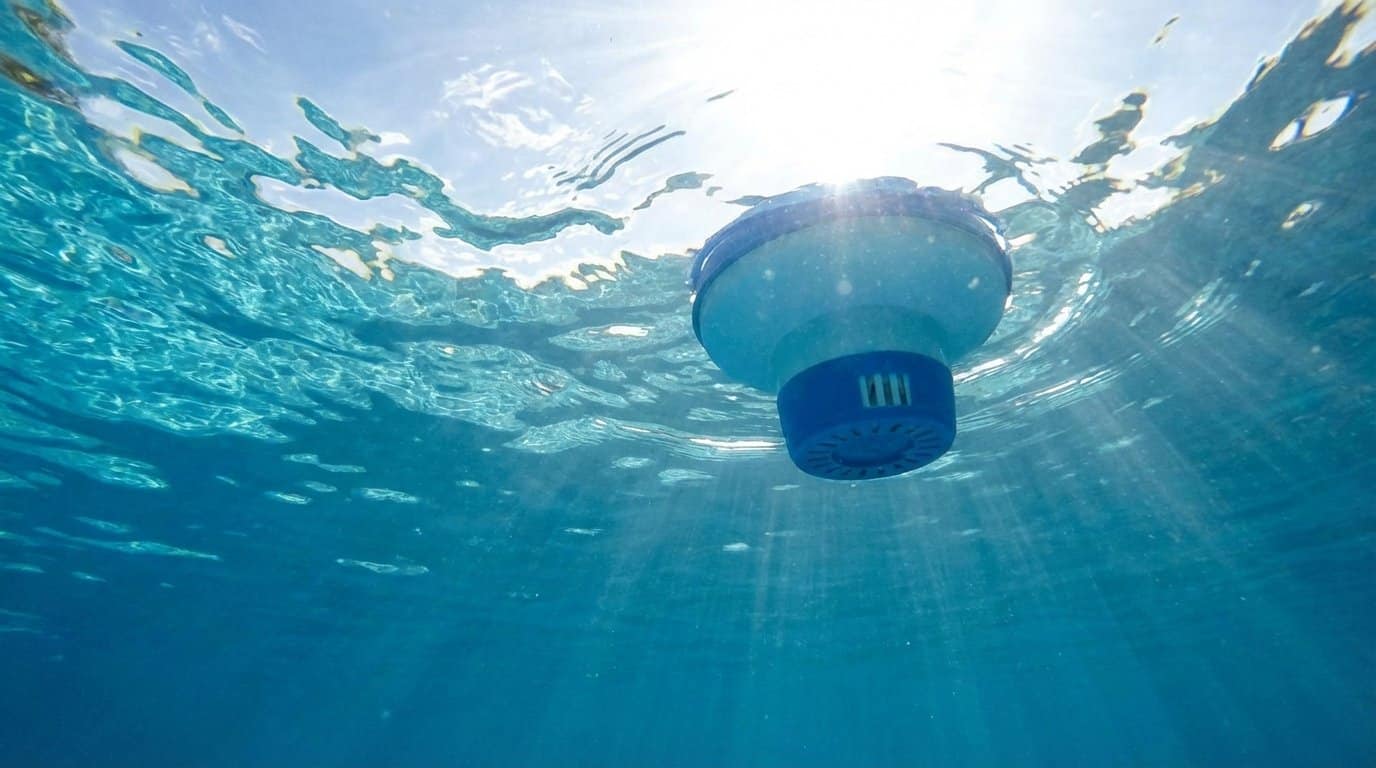
To maintain an Olympic pool in peak condition, you’ll need to monitor pH levels between 7.4-7.6 and maintain free chlorine at 2.0-4.0 ppm. You must guarantee proper filtration rates of 625 m³/h for a 2,500 m³ pool with a 4-hour turnover. It’s critical to implement automated chemical dosing, UV sanitization, and daily inspections of strainers and pumps. Regular water quality audits and strict adherence to temperature ranges of 25-28°C will secure competition-ready performance standards.
Essential Water Chemistry Standards for Olympic Excellence
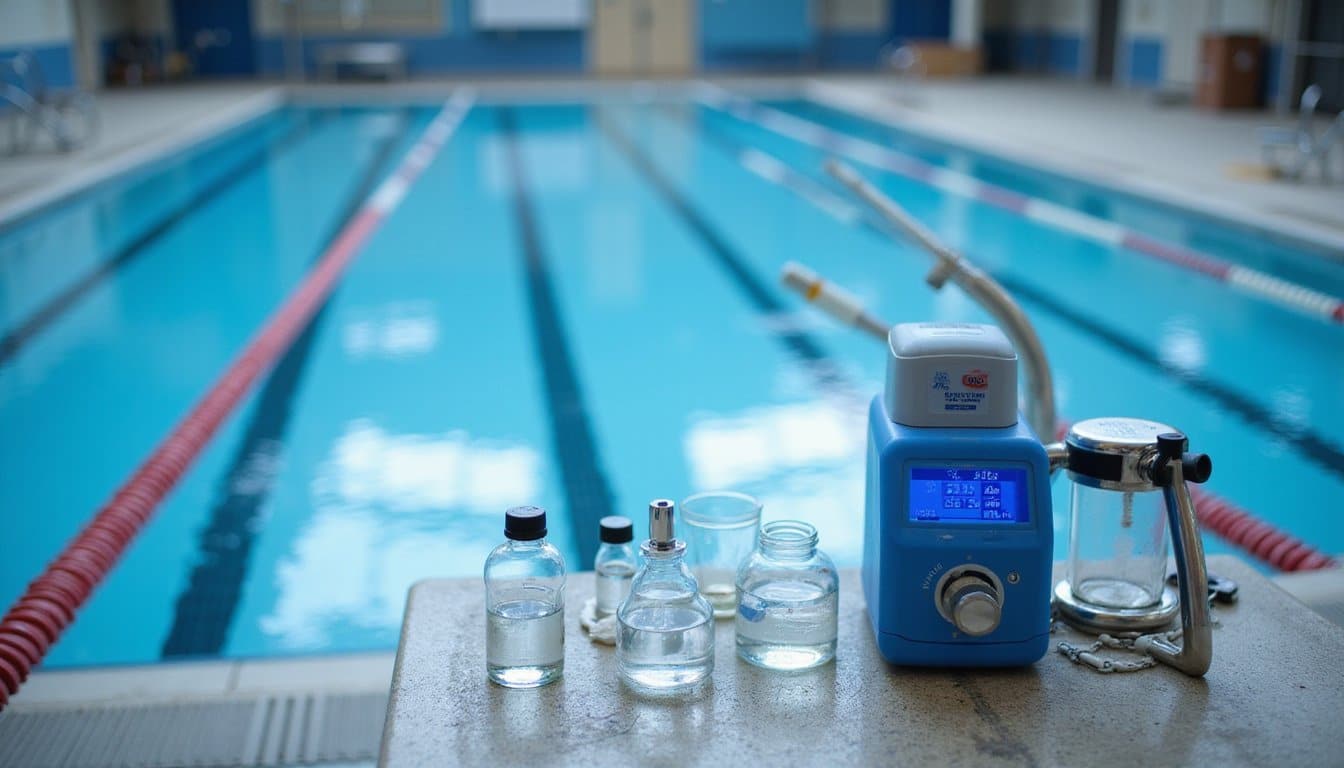
Maintaining pristine water chemistry stands as the cornerstone of Olympic pool excellence. You’ll need to keep pH levels between 7.4-7.6, while ensuring total alkalinity remains at 80-120 ppm to stabilize these critical parameters. For ideal swimmer hydration monitoring, your free chlorine must stay within 2.0-4.0 ppm, working alongside supplemental oxygenation systems. Regular testing ensures sodium hypochlorite maintains proper sanitization levels in the pool water. To adjust high pH readings between 8.5 and 7.5, experts recommend using pH Reducer treatment. A strong chemical odor indicates chloramines have formed, requiring immediate adjustment of sanitizer levels.
Calcium hardness requires strict control between 200-400 ppm to protect pool infrastructure, while cyanuric acid levels of 30-50 ppm shield outdoor pools from UV degradation. You’ll want to conduct manual testing three times daily, supported by automated monitoring systems. This precise chemical balance prevents common issues like the 2016 Rio green pool incident, where improper hydrogen peroxide levels compromised water quality and jeopardized competition standards.
High-Performance Filtration System Requirements
To maintain Olympic-level pool performance, you’ll need filtration systems capable of processing 625 m³/h for a standard 2,500 m³ pool, ensuring complete water turnover every 4 hours. Your flow rate control systems must consistently maintain 220-250 m³/h in 50-meter pools while integrating with automated chemical dosing and UV sanitization equipment. Daily maintenance requires systematic inspection of pump strainers, regular backwashing cycles, and precise monitoring of filter media integrity, especially during high-bather-load competitive events. The pool’s water temperature range of 25-28°C must be strictly maintained through efficient heating and cooling systems integrated with the filtration network. For optimal filtration efficiency during high-bather-load events, the system should operate at medium-rate filtration speeds not exceeding 25m3/m2/h. Manual water testing must be performed three times daily to ensure proper chemical balance and system performance.
Filter Sizing and Capacity
Because Olympic pools demand exceptional water quality, their filtration systems must achieve complete water turnover every 4 hours. For a standard 2,500 m³ Olympic pool, you’ll need a filtration rate of 625 m³/h to meet these requirements. Your system’s redundancy design should include multiple parallel filters to guarantee uninterrupted operation during maintenance periods. With an Olympic pool containing 300,000 gallons of water, proper sizing of pumps and filters is essential for maintaining water quality standards.
When sizing your filtration system, you’ll need to account for FINA’s mandated flow rates of 220-250 m³/h for water inlets and outlets in 50-metre pools. Your pre-filtration mechanisms must handle peak swimmer loads and intense water movement. To maintain proper sanitation, integrate UV systems and automated chemical dosing equipment alongside traditional filters. This combination ensures ideal water chemistry while reducing chloramine buildup during high-intensity usage periods.
Flow Rate Control Systems
While Olympic pools demand precise water movement control, effective flow rate management systems form the cornerstone of high-performance filtration. You’ll need variable-speed drives and digital controls to optimize recirculation optimization, ensuring proper chemical dispersion and efficient backwash monitoring. A well-designed system maintains proper turnover rates to effectively distribute pH-adjusting chemicals throughout the pool. During nighttime operation, systems should be configured to allow for reduced flow rates to maximize energy efficiency. Modern systems like PoolCop Genesis offer intelligent control features for optimal performance monitoring.
Your system should incorporate advanced flow meters, either mechanical or magnetic, to maintain accurate water clarity standards. Magnetic flow meters offer superior precision for high-volume settings, though they’re costlier than mechanical alternatives. You’ll want to integrate these with automated management platforms that can adjust flow rates based on real-time data.
To meet Olympic standards, your system must support turnover rates every 6-8 hours, with flow capabilities up to 30 m³/h. Don’t make abrupt flow adjustments, as they can compromise filter media effectiveness and particulate removal.
Daily Maintenance Requirements
Maintaining Olympic-level filtration systems requires diligent daily attention to multiple operational parameters. You’ll need to perform systematic water quality audits and thorough safety assessments to guarantee peak performance of your facility’s filtration infrastructure.
- Check and clean strainer baskets and pump strainers every 24 hours to maintain the required 625 m³/h turnover rate for a 2,500 m³ pool
- Test chemical levels (pH 7.2-7.6, free chlorine 0.5-2.0 mg/L) at 2-3 hour intervals and adjust automated feed systems accordingly
- Inspect all chemical dosing pumps for proper calibration and potential leaks while verifying emergency chlorine reserves
- Monitor water temperature (25-28°C), transparency, and recirculation flow rates (220-250 m³/h) to maintain competition standards
Temperature Control and Management Protocols
Since Olympic swimming demands peak athletic performance, precise temperature control stands as a critical operational requirement for competition pools. You’ll need to maintain water temperatures between 77-82°F (25-28°C), with effective performance achieved at 78-80°F (26-27°C). Regular sensor calibration processes and backup cooling system protocols guarantee uninterrupted temperature management. The facility’s waste heat recovery from two 390kW chillers helps optimize pool heating efficiency while reducing overall energy demands. The system’s patented technology eliminates the need for Freon, heat exchange, or gas components. Elite swimmers often train in different temperatures as warmer pools enhance endurance capabilities.
| System Component | Primary Function | Maintenance Requirement |
|---|---|---|
| GPC280 Chiller | Temperature Reduction | Weekly Performance Check |
| Digital Sensors | Continuous Monitoring | Monthly Calibration |
| Heat Exchangers | Climate Control | Quarterly Inspection |
You’ll want to implement variable-speed pumping systems and double-pass plate heat exchangers to achieve 84% heat recovery efficiency. The GPC280’s electric fan system offers superior energy efficiency compared to traditional heat pump chillers, while maintaining strict temperature control for competition-ready conditions.
Advanced Structural Safety Measures

Because Olympic pools operate under intense physical demands, thorough structural safety measures form the foundation of reliable facility management. Regular structural stability assessments and rigorous inspection processes guarantee your facility maintains Olympic-caliber standards while preventing potential failures. Maintaining a precise depth of 2 meters ensures standardized competition conditions across all Olympic venues.
Strategic placement of non-slip porcelain tiles along entry points and high-traffic areas provides essential safety measures for athletes and staff. To maintain advanced structural integrity, you’ll need to implement these critical measures:
- Install hydrostatic relief valves and comprehensive underdrain systems to protect against pressure-related damage during both full and empty conditions
- Verify proper foundation compaction before construction to prevent uneven settling that could compromise the pool shell
- Utilize reinforced concrete or steel construction with certified architectural oversight for maximum structural resilience
- Maintain detailed documentation of structural inspections, focusing on shell integrity, valve performance, and foundation stability
Stainless Steel Pool Construction Benefits
While traditional pool materials have served the industry well, stainless steel construction represents a revolutionary advancement in Olympic pool engineering. You’ll find remarkable corrosion resistance advantages with 304L and 316L grades, vastly reducing maintenance costs and extending operational life. The material’s fabrication and customization options allow for unlimited design possibilities, from infinity edges to complex water features.
| Feature | Benefit | Impact |
|---|---|---|
| Non-porous surface | Prevents bacteria growth | Lower chemical usage |
| Welded construction | Eliminates leak points | Reduced maintenance |
| Lightweight structure | Rapid installation | Faster project completion |
You’ll appreciate the streamlined maintenance schedule, as stainless steel’s smooth surface prevents biofilm adherence and simplifies cleaning procedures. The material’s inherent strength withstands seismic activity and extreme temperatures, ensuring your Olympic facility maintains structural integrity throughout its extended lifespan.
Daily Testing and Documentation Procedures
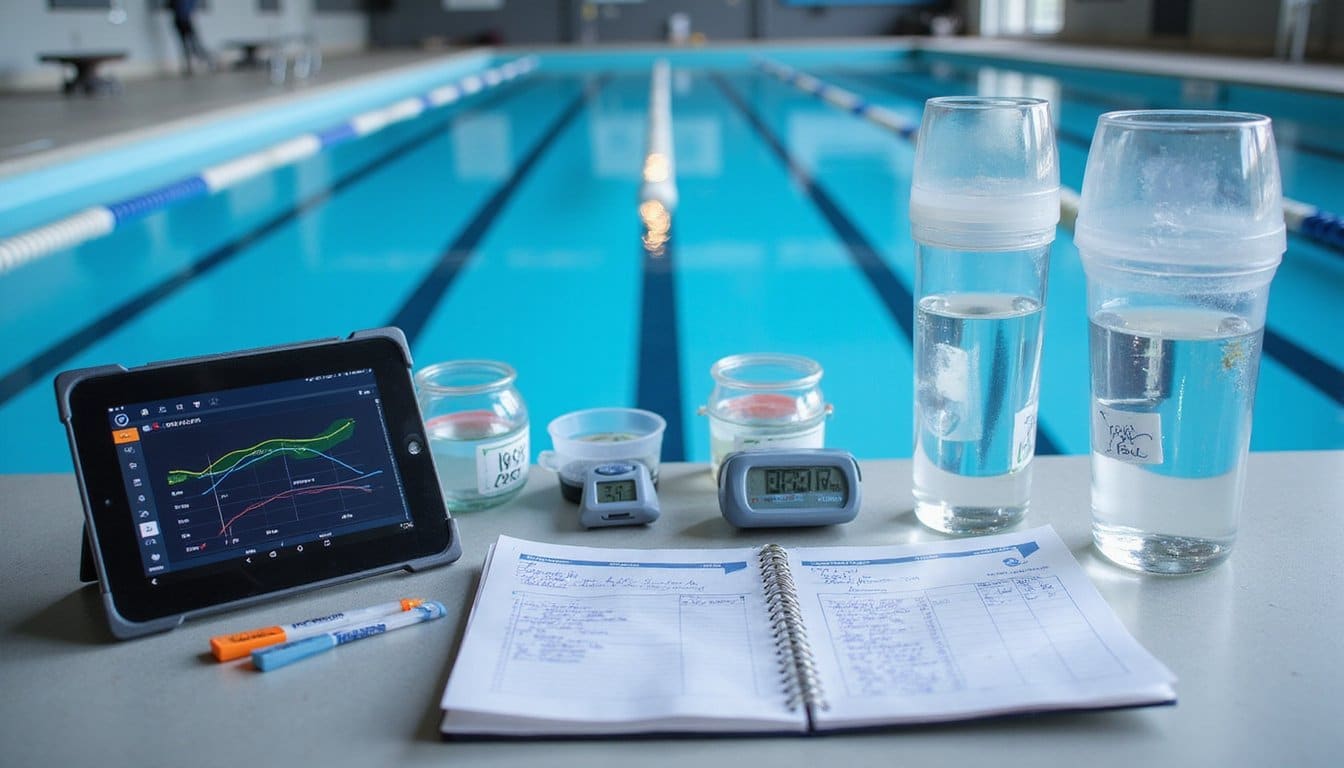
To maintain Olympic pool safety and compliance, you’ll need to implement a rigorous daily testing protocol that encompasses multiple water quality parameters. Proper sample collection techniques and consistent water quality monitoring trends are essential for accurate measurements and regulatory adherence.
Rigorous daily water testing and proper sampling methods are critical foundations for maintaining safe, compliant Olympic pool operations.
- Begin daily testing by running circulation systems for 10-60 minutes, then collect samples from 12-18 inches below the surface using clean, dedicated containers
- Test pH and free chlorine levels daily, while monitoring calcium hardness, alkalinity, and cyanuric acid weekly
- Document all readings in both digital and paper formats, including weather conditions and bather loads that may impact chemistry
- Utilize appropriate testing methods, from rapid-response test strips for quick screenings to precise digital meters for detailed analysis
Professional Certification and Training Standards
Professional certification stands as a cornerstone requirement for Olympic pool operators, with the Certified Pool/Spa Operator (CPO)® program representing the industry’s gold standard. You’ll need to complete a standardized curriculum covering essential water chemistry, equipment maintenance, and safety protocols to obtain your certification accreditation.
The certification process demands successful completion of either a two-day in-person course or an approved virtual program, followed by a proctored exam. Under strict regulatory oversight, you must maintain detailed knowledge of pH balance, disinfection methods, and filtration systems. Your CPO® certification remains valid for five years and demonstrates your competency in managing complex aquatic facilities. Local health departments often mandate this credential, ensuring Olympic pools operate under qualified supervision that meets both national and international standards.
Preventative Maintenance Scheduling
You’ll need to implement rigorous daily inspection protocols that include checking pump operations, monitoring chemical levels, and examining filtration systems to guarantee Olympic pool standards. Your long-term equipment care must follow strict schedules for cleaning pump strainers, maintaining salt cells, and servicing automated systems on weekly and monthly rotations. Maintaining detailed logs of all preventative actions will help you track completed tasks, identify maintenance patterns, and verify consistent performance of critical pool systems.
Daily Inspection Protocols
Successful Olympic pool maintenance hinges on five essential daily inspection protocols that must be systematically performed and documented. You’ll need to implement thorough record-keeping protocols while conducting these critical inspections:
- Test water chemistry multiple times daily, monitoring chlorine, pH, and clarity levels while documenting each reading in your maintenance log
- Inspect the filtration system’s performance metrics, including pressure readings, flow rates, and pump operation, applying preventive surface treatments when needed
- Examine structural components like tiles, drains, and deck surfaces for any signs of wear, damage, or potential safety hazards
- Verify all safety equipment functionality, including alarms, rescue gear, and emergency systems, ensuring compliance with Olympic facility standards
Each inspection must be precisely documented, time-stamped, and verified by authorized personnel to maintain Olympic-caliber conditions.
Long-Term Equipment Care
Maintaining Olympic pool equipment for peak performance requires a systematic, year-round approach to preventative maintenance scheduling. You’ll need to establish thorough annual inspections of all major equipment while implementing monthly monitoring routines for pumps, filters, and automation systems.
To guarantee component longevity, you’ll want to document all service dates, repairs, and upgrades in a digital log for trend analysis. System automation requires regular calibration of sensors and water chemistry controllers, with salt cells needing replacement every 3-7 years. You must run circulation pumps 8-12 hours daily, inspect pump baskets monthly, and monitor filter pressure weekly for ideal performance. Don’t forget to schedule preventative replacements of worn seals, bearings, and impellers identified during your routine equipment assessments.
Emergency Response and Risk Management
Three essential components form the foundation of Olympic pool emergency response and risk management: standardized communication protocols, clear incident assessment procedures, and detailed hazard response plans. Your disaster preparedness planning must incorporate facility security protocols that align with Olympic standards.
Key emergency response elements include:
- Implement standardized whistle signals: one long blast for pool clearing, two short for injuries, and three short for life-threatening situations
- Establish clear chains of command with primary rescuers leading incident assessment while secondary staff maintain pool surveillance
- Guarantee immediate response to environmental hazards, including 30-minute thunderstorm protocols and chemical emergency procedures
- Maintain rescue equipment readiness through regular inspections and post-incident restoration
Regular staff drills and equipment checks strengthen your facility’s emergency preparedness, guaranteeing swift response during critical situations.
Frequently Asked Questions
How Often Are Olympic Pools Completely Drained and Refilled?
You’ll find that Olympic pools are completely drained and refilled only every 5-7 years, if not longer. Instead of frequent draining, you’ll rely on sophisticated water filtration systems and daily chemical treatment schedules to maintain water quality. You’ll need to drain the pool only for major structural repairs, resurfacing, or when facing severe contamination issues. Regular maintenance focuses on continuous filtration and chemical balancing rather than full water replacement.
What Happens to Olympic Pools After the Games End?
You’ll find that Olympic pools typically follow one of several post-event facility repurposing paths. They’re often converted into public recreational centers or training facilities for elite athletes. The pool decommissioning process varies; some venues maintain competition-level standards for international events, while others adjust to regular public health guidelines. You’ll notice that temporary pools may be dismantled completely, with their materials redistributed to other locations or repurposed for different uses.
How Many Lifeguards Are Required for Olympic Swimming Events?
You’ll typically find around 75 lifeguards at Olympic swimming events, as demonstrated at the Rio 2016 Games. While there’s no strict international standard for proper lifeguard staffing levels, organizers exceed basic public pool requirements due to event complexity. All lifeguards must hold initial aid and resuscitation certifications, with lifeguard training requirements emphasizing medical response beyond drowning prevention. They’re strategically positioned across competition pools, warmup areas, and spectator zones to guarantee inclusive coverage.
What Backup Power Systems Are Used for Olympic Pool Facilities?
You’ll find Olympic pools equipped with expansive backup generator systems, including primary diesel generators capable of powering the entire facility. They’re supported by UPS systems for critical timing equipment and emergency lighting solutions. You’ll see automatic transfer switches enabling smooth power shifts, while redundant electrical feeds provide extra resilience. Battery banks integrate with UPS systems, offering instant power during the pivotal seconds before generators activate.
How Do Underwater Cameras Affect Pool Maintenance and Cleaning Procedures?
You’ll need to adapt your pool maintenance routines substantially when dealing with underwater cameras. They create dead spots that affect underwater lighting considerations and water circulation, requiring adjustments to your specialized pool filtration systems. You must clean camera lenses frequently to prevent calcium buildup, while being careful not to snag cleaning equipment on camera wiring. Moreover, you’ll need to coordinate maintenance schedules to guarantee cameras don’t interfere with automated cleaning systems.