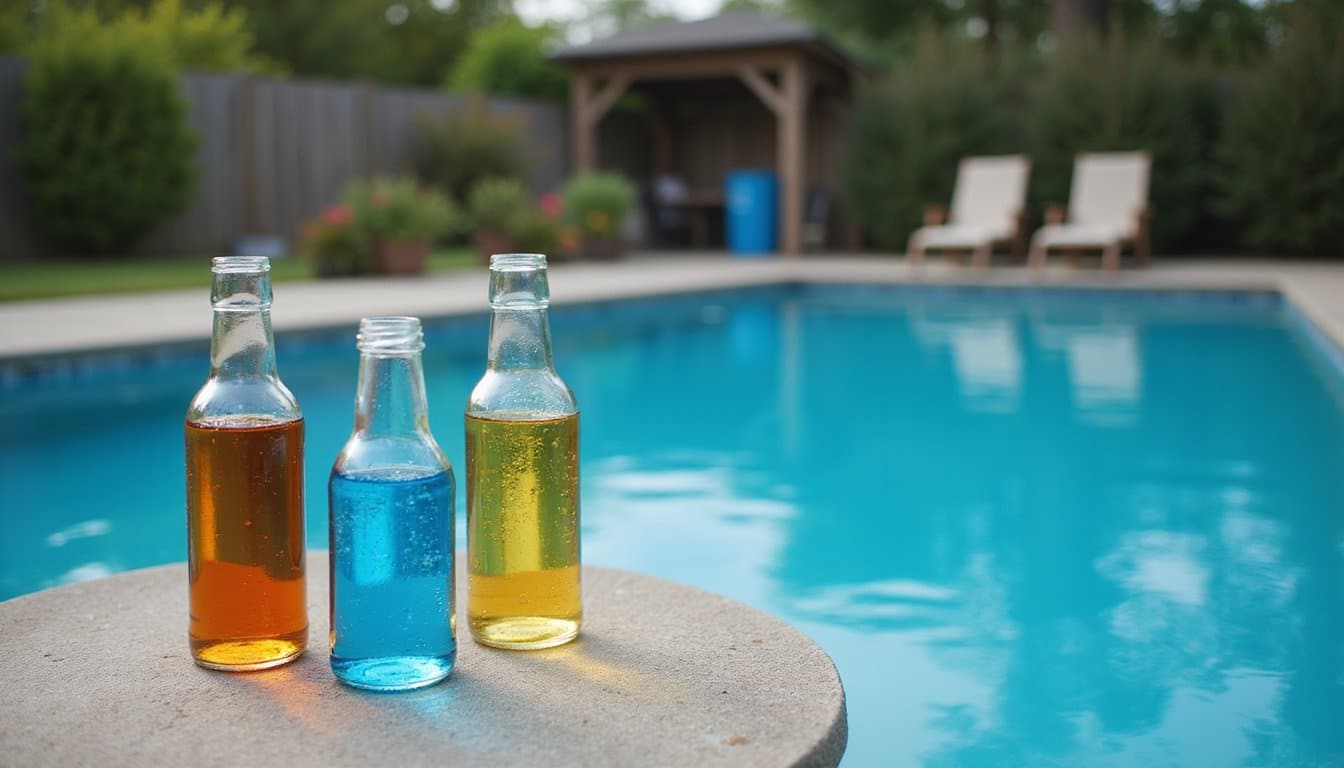
You shouldn’t use spa chemicals in your pool, as they’re specifically formulated for smaller water volumes and higher temperatures. These concentrated chemicals can damage your pool’s equipment, create dangerous chemical imbalances, and void warranties. The improper mixing can release harmful chlorine gas and cause serious health risks like respiratory issues and chemical burns. Using the right pool-specific chemicals and maintaining proper chemical levels will help you avoid costly repairs and safety hazards, with expert guidance providing essential insights.
Understanding Chemical Differences Between Pools and Spas
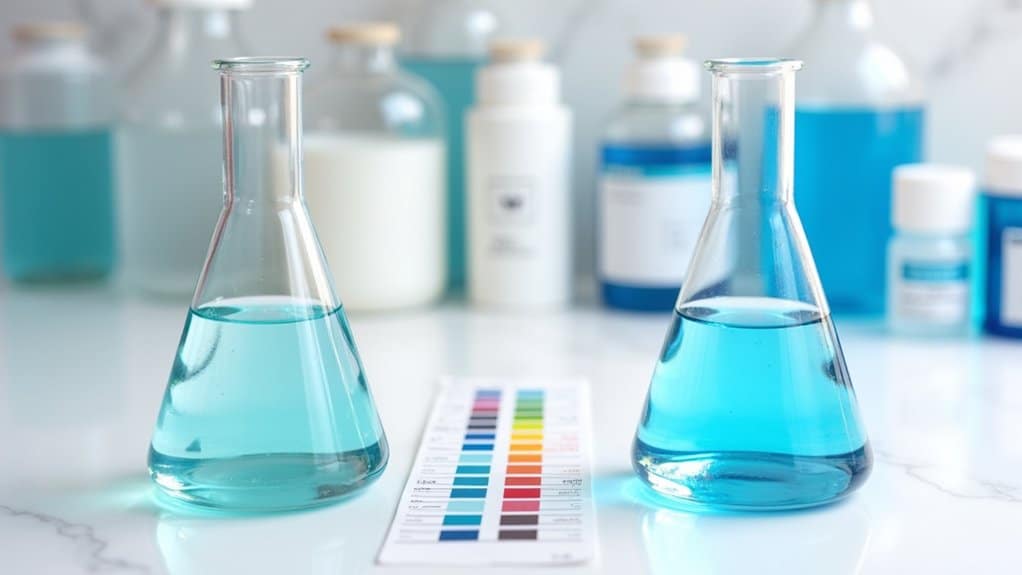
While pools and spas may seem similar at first glance, they require distinctly different chemical treatments due to their unique operating conditions. Your pool’s larger volume naturally dilutes contaminants, whereas spas concentrate them due to limited water capacity and higher user density. Proper chemical selection is vital to avoid damaging spa components and causing user irritation. As discussed extensively in water care solutions, maintaining proper chemical levels requires regular testing and adjustment. Total alkalinity helps maintain stable pH levels in both systems.
Temperature plays an essential role in chemical formulations and sanitizer stability. At 80-104°F, spa water accelerates chemical reactions and sanitizer depletion, unlike cooler pool temperatures of 70-85°F. This heat difference notably impacts how chemicals behave just two spa users create the equivalent chemical demand of 200 pool users. You’ll need higher sanitizer levels in spas (3-5 ppm chlorine) compared to pools (1-3 ppm), and more precise dosing methods to maintain proper chemical balance. Understanding these fundamental differences helps prevent chemical treatment errors.
Safety Risks of Using Spa Chemicals in Pools
Using spa chemicals in pools creates significant hazards due to their higher concentrations, which can overwhelm standard pool circulation systems and cause dangerous chemical imbalances. You’ll find that spa products are formulated for smaller water volumes and higher temperatures, making them potentially harmful when introduced to larger pool environments. The increased temperatures in spas accelerate chemical reactions differently than in pools, so using spa chemicals in pool water can lead to unexpected reactions and potentially harmful chemical buildups. Clean scoops and tools must always be used when handling any pool or spa chemicals to prevent cross-contamination. Improper mixing of these chemicals can release irritating chlorine gas that poses serious health risks to swimmers and pool maintenance staff. For safety compliance, trained personnel only should handle and monitor pool chemical additions to prevent accidents and ensure proper water chemistry.
Chemical Concentration Dangers
Because spa chemicals can pose severe health risks when improperly concentrated, understanding safe dosage levels remains critical for pool maintenance. Incorrect chemical reactions from overdosing can trigger severe respiratory issues, skin burns, and eye damage. You’ll need to maintain precise dosage accuracy to prevent dangerous chloramine formation when chlorine mixes with organic contaminants. With chemical-related injuries affecting over one-third of children and teens annually, proper handling is essential for family safety. Local regulations require free chlorine levels between 1-3 ppm for proper disinfection and safety. Taking a shower before swimming helps reduce organic impurities that create harmful disinfection byproducts.
Watch for pH imbalances between 7 and 8, as incorrect levels can neutralize disinfectant effectiveness and damage pool equipment. You shouldn’t use spa-specific chemicals in pools without verifying EPA approval, as these products may introduce unexpected toxicological risks. Remember that smaller water volumes, like those in wading pools, require extra attention to maintain proper chemical concentrations. Always store chemicals separately to prevent hazardous mixing and follow manufacturer guidelines strictly when handling these substances.
Temperature-Related Hazard Risks
Temperature control stands as a critical factor in preventing hazardous chemical reactions when managing pool chemicals. Temperature fluctuations can greatly impact chemical stability and create dangerous reaction hazards, particularly when storing or mixing spa chemicals in pool environments. Human error accounts for most chemical-related incidents in pools and spas, making proper temperature management essential.
To minimize temperature-related risks, you’ll need to:
- Store chemicals below 95°F (35°C) in a dedicated, locked area away from direct sunlight and humidity
- Monitor indoor heating systems, as they can amplify chloramine formation and create corrosive conditions
- Guarantee proper ventilation to dissipate hazardous vapors, especially in enclosed spaces
- Follow strict mixing procedures regardless of ambient temperature, using appropriate PPE
Remember that high temperatures accelerate chemical degradation, reducing efficacy and potentially compromising safety standards. You’ll need more frequent oxidizing treatments in warmer conditions to maintain proper chemical balance. Always use clean and dry devices when measuring chemicals to prevent contamination that could lead to unexpected reactions.
Impact on Water Balance and Equipment

When spa chemicals are introduced into pool environments, they can considerably disrupt water balance and damage essential equipment. You’ll find that spa-formulated products can destabilize your pool’s water chemistry through improper pH and alkalinity levels, leading to sanitization issues and equipment deterioration. Since hot tub water requires higher TDS levels, using spa chemicals in pools can create significant maintenance challenges. Chemical reactions occur at twice the normal rate in hot tubs compared to pools, making spa chemicals too aggressive for pool environments. Regular pump operation is crucial for maintaining proper chemical distribution throughout the pool water.
| Component | Spa Chemical Impact | Risk to Pools |
|---|---|---|
| pH Balance | Rapid fluctuation | Under-sanitization |
| Alkalinity | Unstable levels | Chemical inefficiency |
| Calcium | High concentration | Equipment scaling |
| Sanitizers | Temperature mismatch | Reduced effectiveness |
| Inhibitors | Inadequate protection | Metal corrosion |
To protect your equipment longevity, avoid using spa chemicals in your pool. These products lack vital components for managing pool-specific contaminants and can void equipment warranties. Their concentrated formulations may accelerate mineral scaling in pumps, filters, and heater cores, potentially causing irreversible damage to your pool system.
Cost Considerations and Economic Factors
The financial commitment of pool maintenance encompasses both predictable and variable chemical costs that pool owners must carefully consider. When evaluating cost benefits of using spa chemicals in pools, you’ll need to factor in both immediate expenses and long-term implications.
Key economic considerations include:
Smart pool maintenance requires balancing both direct chemical expenses and long-term cost implications to maximize value and efficiency.
- Monthly chemical costs ranging from $100-$200, varying with pool size
- Potential savings through bulk purchasing strategies, especially for frequently used chemicals
- Higher upfront costs for concentrated formulations that may offer better value per application
- Seasonal cost fluctuations, with winter expenses typically 1/4 of summer costs
You’ll find that spa chemicals often carry premium pricing due to their specialized formulations. However, their concentrated nature might deliver superior cost-effectiveness when properly diluted for pool use, particularly during peak swimming months when chemical demands are highest. DIY maintenance using proper chemical treatments can help homeowners save up to $1,200 annually compared to professional services. Families who are frequent pool hosts should anticipate higher monthly chemical expenses due to increased maintenance requirements.
Proper Chemical Storage and Handling Guidelines
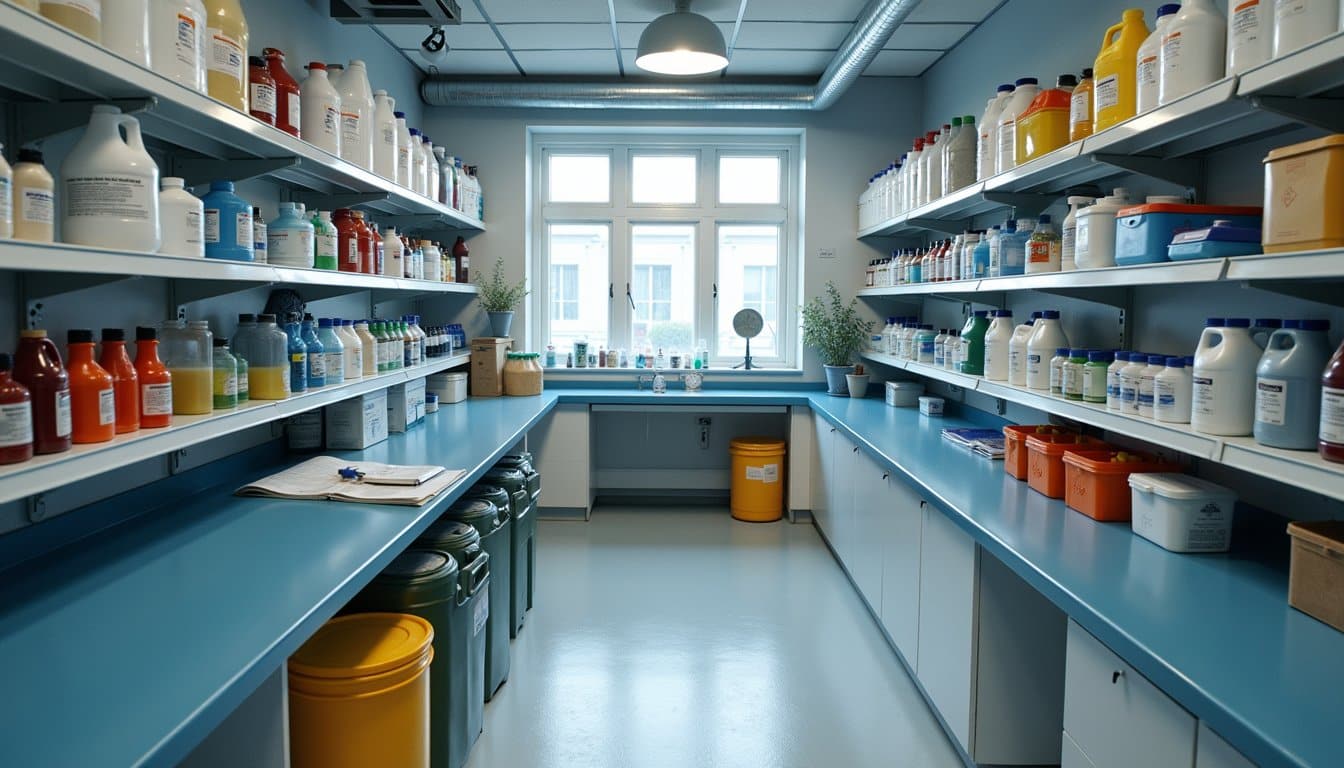
You’ll need dedicated storage spaces to keep your pool chemicals physically separated and prevent dangerous chemical reactions. Your storage area must maintain temperatures below 95°F/35°C while protecting chemicals from direct sunlight and extreme humidity. When handling pool chemicals, you must wear appropriate protective equipment and follow manufacturer guidelines for safe measurement and mixing procedures.
Separate Storage Locations Essential
Proper chemical storage demands dedicated, separate locations for each type of pool and spa chemical to prevent dangerous reactions and cross-contamination. Chemical segregation requires careful planning and appropriate storage solutions that protect both handlers and the environment.
Follow these essential guidelines for separate storage locations:
- Store liquid chemicals below dry products on non-absorbent shelving to prevent contamination from potential spills
- Maintain physical barriers between incompatible substances, particularly acids and bases, to eliminate reaction risks
- Keep oxidizers like chlorine tablets isolated from reducing agents such as algaecides in distinct storage zones
- Use original, clearly labeled containers exclusively, ensuring they’re stored in well-ventilated areas away from heat sources
Remember to consult manufacturer compatibility lists and Safety Data Sheets when organizing your chemical storage layout. Proper segregation isn’t optional it’s vital for safety.
Temperature Control Guidelines
Maintaining precise temperature control stands as a critical factor in safe pool chemical storage. You’ll need to keep chemicals below 35°C (95°F) to prevent chemical degradation and potentially dangerous reactions. Monitor temperature fluctuations regularly, especially in outdoor storage areas or garages where conditions can change dramatically.
Store your chemicals in climate-controlled spaces away from direct sunlight and heat sources like heaters or appliances. You’ll also want to protect them from freezing temperatures below 0°C to prevent container damage. If you’re using an outdoor shed, position it in a shaded area and consider bringing chemicals indoors during extreme weather. Always keep chemicals in their original labeled containers and use non-reactive shelving materials to maintain stability and prevent unwanted chemical interactions.
Safe Handling Procedures
When establishing safe handling procedures for pool chemicals, prioritize a well-ventilated storage area away from living spaces and potential ignition sources. You’ll need to maintain strict protocols for chemical storage and handling to guarantee safety and efficiency.
- Always wear appropriate protective gear, including gloves and goggles, when handling any pool chemicals
- Store chemicals in their original containers on designated shelves, with liquids below and dry chemicals above
- Keep detailed records of chemical usage, storage locations, and maintain current safety data sheets
- Establish a chemical spill response plan that includes proper neutralization methods and evacuation procedures
Remember to train all personnel on proper handling techniques and emergency protocols. You’ll need to regularly inspect storage areas for proper ventilation, temperature control, and organization to prevent potentially dangerous chemical reactions or accidents.
Environmental Effects and Regulations
Federal regulations strictly govern pool and spa chemicals due to their potential environmental impacts and safety risks. You must guarantee all chemicals you’re using have proper EPA registration under FIFRA, particularly those that kill algae or bacteria. Without EPA-approved labels, these products are illegal and haven’t undergone safety assessments.
Environmental regulations require careful handling and disposal to prevent water contamination and protect aquatic ecosystems. You’ll need to follow chemical safety protocols, including proper storage, spill prevention, and disposal methods that comply with the Clean Water Act and RCRA guidelines. Never use unregistered products, as they pose risks to both human health and the environment. Remember that non-compliance with these regulations can result in significant penalties and environmental violations.
Professional Recommendations and Best Practices
Professional pool and spa maintenance demands precise adherence to established chemical parameters for ideal safety and performance. When considering chemical compatibility and dosage guidelines, you’ll need to maintain specific ranges for best results.
- Maintain chlorine levels between 1.0-3.0 ppm, using appropriate stabilizers like cyanuric acid (30-50 ppm) to prevent UV degradation
- Keep pH balanced at 7.2-7.8, with alkalinity at 80-120 ppm using muriatic acid or sodium bicarbonate as needed
- Monitor calcium hardness above 200 ppm to protect surfaces, adding calcium chloride when necessary
- Test water parameters regularly using DPD strips for chlorine/pH and titration kits for alkalinity/hardness
Always allow 24-48 hours between major chemical adjustments to prevent overcorrection, and handle chemicals in well-ventilated areas while wearing appropriate safety gear.
Frequently Asked Questions
Can Spa Chemicals Affect Pool Liner Colors or Patterns Over Time?
Yes, spa chemicals can greatly affect your pool liner’s appearance over time. You’ll notice liner discoloration particularly from concentrated sanitizers like trichlorisocyanurate, which causes bleaching. Chemical compatibility is essential, as spa-strength products are formulated for smaller water volumes and can be too harsh for pool liners. When used improperly, these concentrated chemicals can fade colors, create bleach spots, and deteriorate printed patterns on your vinyl liner.
How Do Spa Chemicals Interact With Pool Toys and Inflatable Equipment?
You’ll need to be cautious about spa toy compatibility, as strong chemicals can degrade inflatable equipment over time. Your pool’s sanitizers will accelerate the breakdown of PVC materials, causing them to soften and potentially release harmful compounds like phthalates and VOCs into the water. For inflatable safety, you should regularly inspect toys for signs of deterioration, limit their exposure time to chemicals, and replace them if you notice excessive softening or discoloration.
Do Spa Chemicals Change the Effectiveness of Pool Cover Materials?
Yes, spa chemicals can considerably impact your pool cover’s effectiveness and chemical compatibility. You’ll notice accelerated degradation when using concentrated spa sanitizers, as they’re formulated for smaller volumes. These chemicals can weaken your cover’s material, reduce its lifespan, and compromise its protective properties. To protect your investment, you should remove the cover during chemical application, allow proper circulation time, and rinse it regularly to prevent residue buildup.
Will Using Spa Chemicals Affect Pool Water Evaporation Rates?
No, the type of chemicals you use won’t directly affect your pool’s evaporation rates. Evaporation is primarily influenced by environmental factors like temperature, humidity, wind, and surface area not chemical balance. While spa chemicals might create other issues in your pool, they don’t change how quickly water evaporates. What matters most for evaporation control is maintaining proper water temperature and using appropriate pool covers.
Can Spa Chemicals Interfere With Pool Lighting Systems or Decorative Features?
Yes, you’ll need to take into account spa chemical compatibility when using them around pool lighting systems. These chemicals can increase water conductivity and accelerate corrosion of metal components in underwater lights. You should be especially careful with LED and halogen fixtures, as chemical exposure can degrade their housing and wiring. For best safety, contemplate fiberoptic lighting systems, which keep electrical components separate from chemically-treated water.