You’ll find several effective natural alternatives to harsh pool chemicals that maintain crystal clear water. Bioactive filtration systems with aquatic plants like cattails and water lilies can purify water naturally, while copper-silver ionization provides powerful sanitization without irritation. UV-ozone combinations eliminate 99.9% of bacteria and reduce chemical usage by 90%. Advanced hydroxyl-based systems offer efficient sanitization at lower costs. These novel solutions represent just the beginning of chemical-free pool maintenance possibilities.
Understanding the Shift Away From Traditional Pool Chemicals
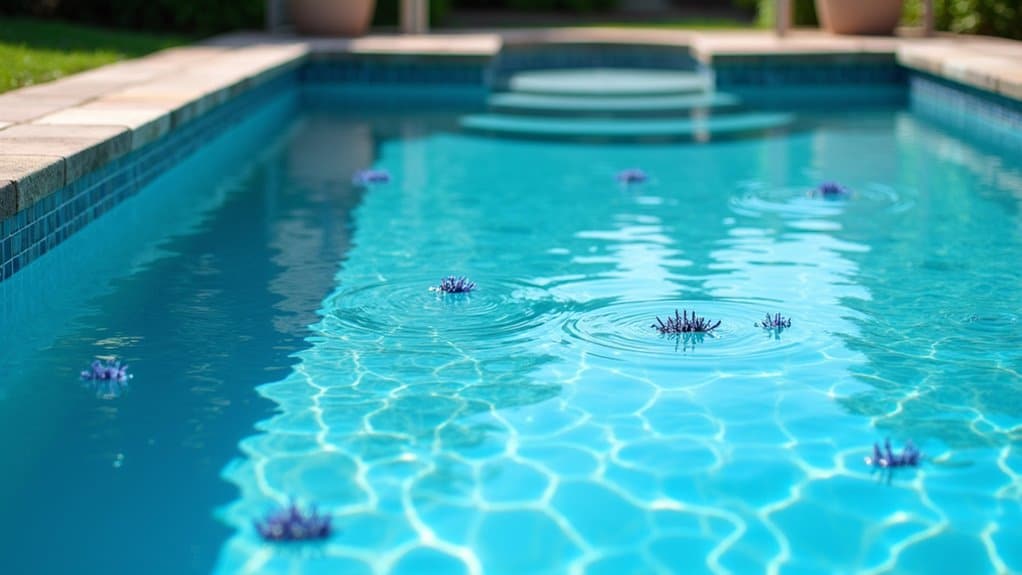
As health and environmental concerns surrounding traditional pool chemicals continue mounting, pool owners are increasingly seeking safer alternatives to maintain their water. Since 2020, 75% of pool owners have moved away from traditional chlorine due to its association with eye irritation, skin dryness, and respiratory issues. Bioactive filtration systems create a crystal clear water environment while being exceptionally gentle on skin and eyes. The World Health Organization recommends no cyanuric acid in indoor pools due to potential health risks. The efficacy of natural alternatives has become evident through advanced systems like UV-ozone, which eliminates 99.9% of bacteria while reducing chemical usage by 90%. Hydroxyl-based systems offer a more efficient process compared to complex UV and ozone combinations. Despite regulatory oversight challenges that vary by region, these alternatives comply with safety standards while addressing growing demands for eco-friendly solutions. With traditional chlorine pools costing approximately $900 more annually than alternatives, the shift to natural systems offers both health and financial benefits, particularly when considering the reduced exposure to harmful disinfection byproducts and chemical fumes.
Natural Pool Systems: The Power of Plant-Based Filtration
Natural swimming pools integrate regeneration zones where aquatic plants like cattails, reeds, and water lilies work alongside beneficial bacteria to filter water naturally. You’ll find that these plant-based systems require dedicating 50% or more of your total pool area to the regeneration zone, ensuring adequate filtration capacity through gravel beds and strategically placed vegetation. The system creates a silent biological workforce that continuously purifies the water without human intervention. Regular pruning and maintenance of the regeneration zone prevents nitrogen buildup that could feed unwanted algae growth. While this spatial requirement may seem substantial, the benefits of chemical-free water, reduced maintenance costs, and bolstered biodiversity make the investment in a plant-based system worthwhile. This design approach, which originated in early 1980s Europe, has proven successful in creating self-sustaining aquatic environments that maintain pristine water quality without harsh chemicals.
Regeneration Zones Explained
What makes regeneration zones the cornerstone of chemical-free pool filtration? These sophisticated biological systems combine engineered filter media with aquatic plants to create a self-sustaining ecosystem that purifies your pool water naturally. The zone’s specialized wall units separate it from the swimming area, allowing for effective filtration performance. Regular maintenance keeps the biofilter system running smoothly throughout the swimming season. Unlike traditional chlorinated pools, these natural systems create a mountain lake feel while maintaining pristine water quality.
With a recommended 1:1 ratio between swimming and regeneration zones, optimal purification is achieved. Your regeneration zone works through multiple purification layers. The gravel substrate hosts beneficial bacteria that break down organic matter, while aquatic vegetation absorbs nutrients and impurities. Advanced systems may incorporate carbonation system integration to regulate pH levels and support plant growth. The continuous water circulation guarantees thorough filtration as heterotrophic bacteria convert waste into plant nutrients. This creates a closed-loop system where nature does the cleaning, eliminating the need for harsh chemicals while maintaining crystal-clear water.
Plants That Filter Best
When designing a chemical-free pool system, selecting the right combination of aquatic plants becomes essential for establishing effective biological filtration. To guarantee nutrient absorption rates, incorporate submerged oxygenators like Hornwort and Elodea, which efficiently remove excess nutrients while producing oxygen. These work synergistically with floating plants such as Water Lilies and Duckweed, which shade the surface and prevent algal growth. The regeneration zone process helps create a self-sustaining ecosystem that naturally purifies the water without chemicals. Sweet flag perennials provide natural insect control while thriving in wet conditions. The micro-organisms work together with plants to create an environmentally-friendly filtering system.
For sediment stabilization, utilize marginal plants like Bulrushes and Cattails around your pool’s perimeter. They’ll create a sturdy root system that filters water and prevents erosion. Include a mix of grasses and rushes, such as Juncus effusus, in shallow areas to boost filtration efficiency. This multi-layered approach guarantees comprehensive water purification while maintaining ecological balance in your natural pool system.
Space Requirements Worth It
The significant space requirements for plant-based pool filtration systems initially appear formidable, with regeneration zones demanding 50-70% of the total surface area. However, efficient space layouts can transform this limitation into an advantage by creating a dual-purpose feature that serves as both a swimming area and wildlife habitat integration zone. Incorporating native aquatic plants helps establish a resilient ecosystem that naturally maintains water clarity.
You’ll need to allocate at least 30×30 feet for a functional natural pool, with thoughtful zoning between swim and plant areas. The pH balance naturally stays between 6.5-7.0, which helps prevent algae growth without chemicals. While traditional chemical pools offer more compact designs, they lack the ecological benefits and sustainable filtration of natural systems. A separate processing section can provide better control over the filtration process while making it easier to measure and maintain proper ratios. The additional space investment delivers value through reduced chemical costs, augmented biodiversity, and the creation of a living water garden. Creative layouts, such as L-shaped designs or parallel regeneration cells, can help you optimize limited property space while maintaining filtration efficiency.
Mineral and Ion-Based Water Treatment Methods
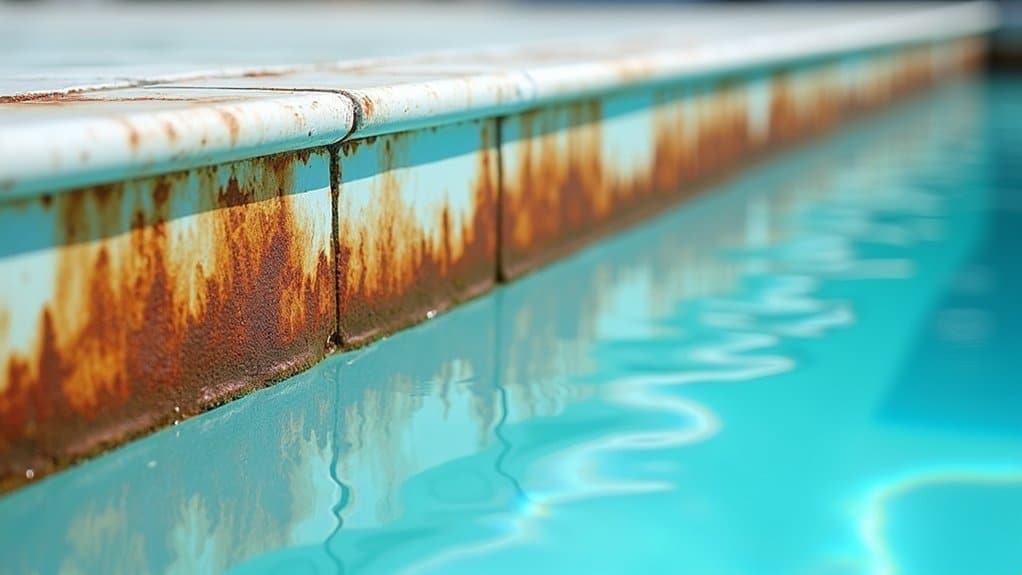
Modern mineral and ion-based pool treatments offer you a scientifically proven alternative to traditional chlorine systems, with copper-silver ionization providing exceptional algae control while minimizing skin and eye irritation. You’ll find that mineral cartridge systems, which combine elements like zinc, copper, and silver, can reduce your chlorine usage by up to 50% while maintaining superior water clarity. Proper monitoring of ion balance levels becomes critical for these systems, as maintaining the correct copper concentration (around 0.5 ppm) prevents staining while ensuring ideal sanitization effectiveness.
Copper-Silver Ion Benefits
As swimming pool owners seek sustainable alternatives to traditional sanitization methods, copper-silver ionization stands out as a highly effective water treatment solution. You’ll benefit from its powerful residual disinfection capabilities, which provide continuous protection against harmful microorganisms while reducing microbial resistance over time.
This eco-friendly system delivers multiple advantages over conventional chlorine treatments. You won’t experience the typical eye and skin irritation associated with chemical sanitizers, and you’ll notice greatly improved water quality. The synergistic action of copper and silver ions disrupts bacterial cell structures while preventing algae growth, ensuring all-encompassing protection. The system’s pH-neutral operation means you’ll spend less time balancing water chemistry. In addition, you’ll save money through reduced chemical usage and decreased maintenance requirements, while enjoying a more natural swimming environment.
Understanding Mineral Cartridge Systems
While traditional pool sanitization relies heavily on chemicals, mineral cartridge systems offer a hybrid approach that substantially reduces chlorine dependency through controlled-release technology. These systems utilize silver, copper, and zinc ions to combat bacteria and algae, allowing you to maintain lower chlorine levels of 0.5-1.0 ppm versus the standard 3.0 ppm.
You’ll need to follow a maintenance schedule requirement of replacing cartridges every 4-6 months, depending on your pool size and system type. The cartridge disposal process is straightforward; simply remove the spent cartridge and install a new one. Whether you choose in-skimmer, floating, or in-line systems, you’ll benefit from easier pH balance maintenance and fewer skin irritations. Remember to inspect regularly for mineral scaling and guarantee proper system function to prevent copper staining on surfaces.
Maintaining Ion Balance Levels
Successful mineral and ion-based pool treatment depends on precise monitoring and adjustment of multiple water parameters. You’ll need to sustain ideal ion concentration ratios and monitor ion concentration trends regularly to prevent potential issues like staining or ineffective sanitization.
| Parameter | Optimal Range |
|---|---|
| Copper Ion | 0.2-0.5 ppm |
| pH Level | 7.2-7.8 |
| Total Alkalinity | 80-120 ppm |
| Calcium Hardness | 180-220 ppm |
To optimize system effectiveness, test water parameters weekly using reliable test kits designed specifically for mineral systems. When copper levels approach 0.5 ppm, reduce ionizer output to prevent staining. Maintain pH and alkalinity within their ranges to guarantee ions remain properly dissolved and active. Understand that ion systems work best as supplements to low-level chlorine or UV treatment, as they don’t rapidly oxidize organic contaminants.
Ozone and UV Technology for Chemical-Free Sanitization
Pool owners looking to break away from traditional chemicals can turn to ozone and UV technology for effective sanitization. Ozone systems kill 99.9% of pathogens 3,500 times faster than chlorine, delivering superior water quality without harmful disinfection byproducts. You’ll notice immediately that there’s no residual taste, smell, or irritating chloramines.
UV systems complement ozone by disabling chlorine-resistant microorganisms through nucleic acid damage. When combined in an Advanced Oxidation Process (AOP), these technologies create a powerful sanitization method that eliminates bacteria, viruses, and organic compounds more effectively than either system alone. You’ll benefit from softer-feeling water, improved clarity, and reduced chemical consumption. While initial investment is higher, you’ll save long-term through decreased chemical costs and maintenance needs.
Simple Household Products as Pool Treatment Solutions
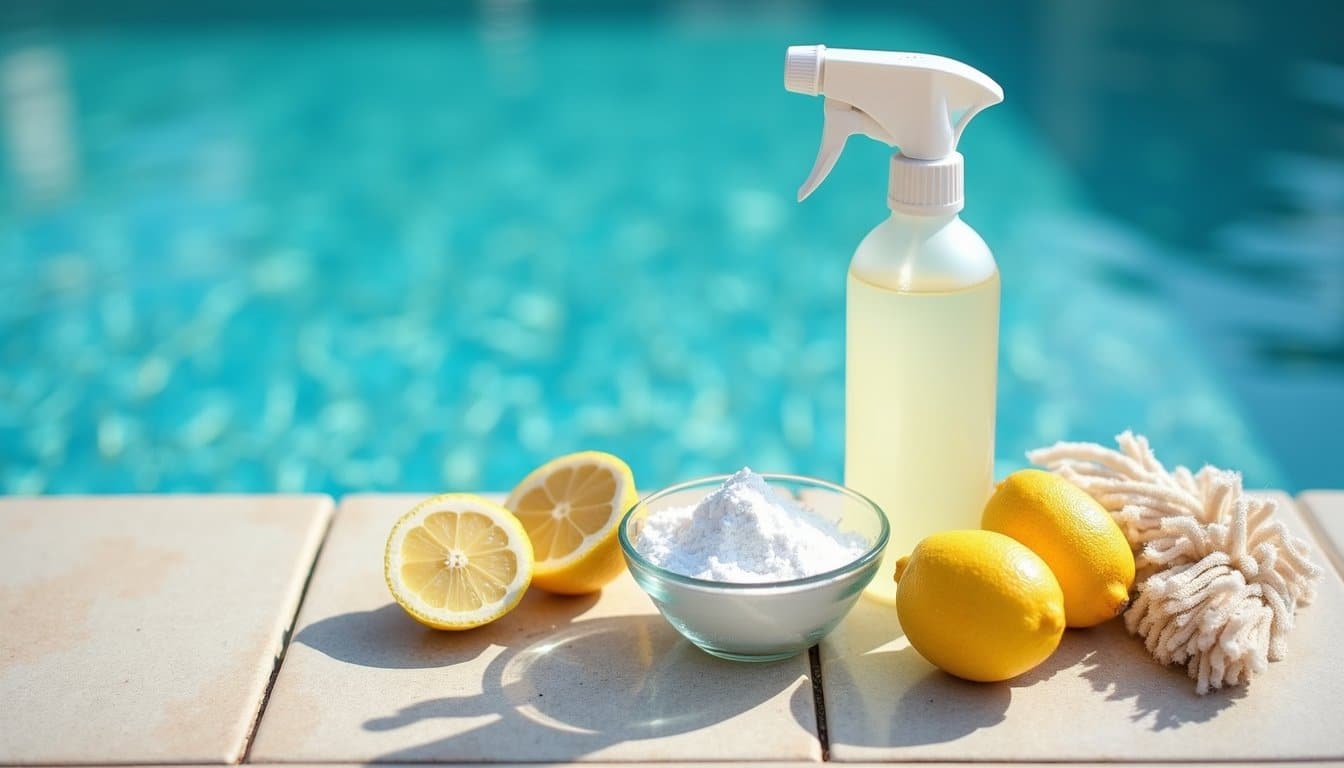
Many common household products can effectively maintain pool chemistry while reducing reliance on harsh chemicals. When implementing DIY pool maintenance strategies, you’ll find baking soda particularly versatile, it raises alkalinity, balances pH levels, and creates a non-abrasive cleaning paste for surfaces. For natural algae prevention methods, combine borax with tea tree oil to maintain clarity while controlling microorganism growth.
You can use sea salt to soften water and eliminate bacteria, while lemon juice tackles calcium deposits and rust around your pool’s perimeter. For surface maintenance, consider creating a cleaning solution with rubbing alcohol to dissolve oils, or apply olive oil to protect metal components from corrosion. These alternatives offer cost-effective, environmentally conscious options for maintaining your pool’s chemical balance and cleanliness.
Essential Maintenance Tips for Natural Pool Care Success
While natural alternatives offer chemical-free solutions, maintaining a balanced ecosystem in your natural pool requires systematic care and vigilant monitoring. You’ll need to follow specific seasonal adjustment schedules, starting with spring cleanup of plant debris and beneficial bacteria supplement, followed by summer’s monthly aquatic plant fertilization and wall brushing.
Empty skimmer baskets daily and remove surface debris before decomposition occurs, especially during fall leaf drop. You’ll need to perform an annual clean out of the biological filtration system, but avoid frequent vacuuming that could disturb the natural balance. For water top-offs, only use filtered water to prevent phosphorus-driven algae blooms. When water clarity diminishes, apply natural shock treatments using bacterial or enzyme enhancers. Every five years, plan for a complete drain and deep cleaning of your pool’s components.
Frequently Asked Questions
How Long Does It Take to Convert a Chlorine Pool to Natural?
You’ll need to plan for a slow conversion process that typically takes 2-12 weeks from start to finish. The gradual shift period includes several phases: chlorine breakdown (1-2 weeks), system installation (1-2 weeks), and ecosystem stabilization (4-8 weeks). Your timeline will depend on your pool’s size, existing equipment compatibility, and climate conditions. Spring and summer conversions progress faster due to favorable temperatures for bacterial and plant growth.
What Happens to Natural Pools During Winter Months in Cold Climates?
You’ll need to focus on winterization requirements and key maintenance tasks during cold months. Your natural pool can freeze solid, requiring you to lower water levels, remove sensitive plants, and protect plumbing systems. You should maintain minimal circulation to prevent complete freezing, clear debris regularly, and consider using pond netting to catch falling leaves. If you’re in severe climates, you’ll need to blow out pipes and disconnect pumps entirely.
Can Natural Pool Systems Handle Heavy Rainfall and Flooding Effectively?
Natural pool systems can handle heavy rainfall effectively if properly designed, but they require specific adaptations. You’ll need sturdy overflow systems, bio-retention swales, and proper grading to manage flooding. The main challenges you’ll face are pH imbalances, mineral dilution, and increased debris load. To maintain effective flood management, guarantee your filtration system can handle the extra strain and monitor water chemistry closely after storms. Routine maintenance becomes essential during rainy seasons.
Are Natural Pools Safe for People With Specific Skin Conditions?
If you have skin conditions requiring specific pH levels, natural pools can be safer than chemically-treated ones, but you’ll need to exercise caution. While they eliminate harsh chemical exposure, you must monitor potential aquatic plant sensitivities and guarantee proper filtration. You’ll find natural pools particularly beneficial if you have eczema or chemical sensitivities, but should consult your dermatologist initially and maintain vigilant water quality testing to prevent microbial complications.
What’s the Lifespan of Different Natural Filtration Systems Compared to Traditional?
You’ll find natural filtration systems drastically outlast traditional ones, with properly designed natural pools functioning for decades compared to 5-10 years for conventional systems. While your traditional sand, cartridge, or DE filters require frequent maintenance and replacements, natural systems’ longevity comes from their self-sustaining ecosystem. Your maintenance requirements focus primarily on occasional pump checks and plant zone upkeep, rather than the intensive chemical balancing and part replacements of traditional systems.