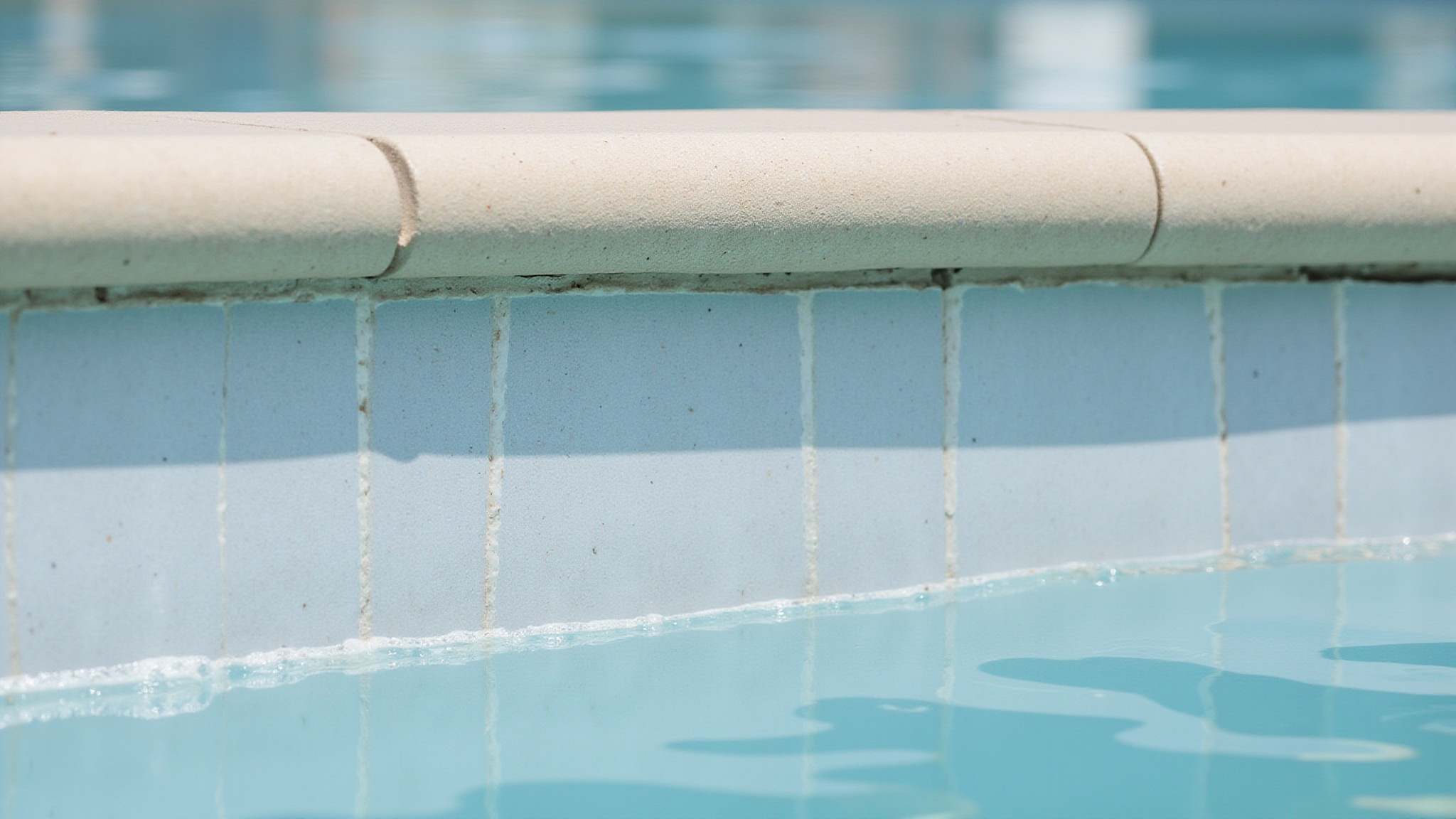
You cannot safely waterproof a fresh tattoo for swimming because no bandage, balm, or waterproof spray eliminates the risks of soaking healing skin in pool water. Instead, keep the tattoo clean and dry while it heals, following your tattoo artist’s aftercare instructions. Dermatologists recommend avoiding immersion in pools, hot tubs, and baths until the tattoo is fully healed. The first 2, 4 weeks commonly involve itching, flaking, and scabbing, while deeper layers of skin can take longer to heal. If swimming is unavoidable, wait until the tattoo has completely healed rather than relying on a waterproof covering. All the gold in the world swimming pool can symbolize the value of maintaining your tattoo’s beauty. Just as gold attracts attention, a well-cared-for tattoo can be a stunning part of your overall look.
Apply a Medical-Grade Waterproof Bandage

When protecting your fresh tattoo before swimming, a medical-grade waterproof bandage provides the most reliable defense against water exposure. Products like Tegaderm, Saniderm, or Aquaphor bandages offer superior skin protection while creating a waterproof barrier.
For proper bandage application, initially clean and completely dry your tattoo area. Remove the backing from the bandage and position it to extend at least one inch beyond all edges of your tattoo. Press firmly from the center outward to eliminate air bubbles that could trap moisture. Smooth the adhesive edges to create a watertight seal.
Test the bandage’s security by gently pressing the edges before swimming. You’ll need to replace it after 3-4 hours of water exposure, as extended soaking may compromise the adhesive. Always inspect the seal frequently while swimming to guarantee continued protection. How often do pools get struck by lightning can be an important consideration for safety. Swimming during a storm can pose significant risks, not just from lightning strikes but also from strong winds and heavy rain.
Create a Protective Barrier With Specialized Tattoo Balm
Although waterproof bandages offer superior protection, specialized tattoo balms can provide an alternative for creating a water-resistant barrier over healing ink. If you’re wondering does Tegaderm protect tattoo from water, Tegaderm is designed to provide a waterproof barrier when properly applied. For balm use, apply a thin, even layer of high-quality tattoo balm and follow the product’s instructions before swimming to help protect the area from moisture.
Among the tattoo balm benefits is their ability to simultaneously moisturize and shield your tattoo from chlorine and saltwater. For ideal tattoo care, reapply immediately after exiting the water and thoroughly pat dry. Choose balms specifically formulated for tattoo protection rather than standard moisturizers. Keep in mind that while balms create an effective barrier, they don’t provide complete waterproofing, so limit your water exposure to preserve your artwork’s integrity.
Shield Your Ink With Waterproof Spray and Proper Aftercare

Waterproof sprays represent another valuable option in your tattoo protection arsenal. These specialized products create an invisible barrier that prevents water penetration while still allowing your skin to breathe. When incorporating swimming precautions into your tattoo maintenance routine, apply the spray evenly across the tattoo and allow it to dry completely before exposure to water.
| Product Type | Protection Duration | Application Frequency |
|---|---|---|
| Silicone-Based | 4-6 hours | Once before swimming |
| Polymer Shield | 2-3 hours | Every 2 hours |
| Medical Grade | 5-8 hours | Once daily |
| Natural Formula | 1-2 hours | Before each swim |
| Zinc Oxide | 3-4 hours | Every 3 hours |
After swimming, immediately rinse your tattoo with clean, fresh water and pat dry with a clean towel. Reapply your regular tattoo moisturizer to prevent drying and maintain vibrant colors.
Frequently Asked Questions
How Long Should I Wait After Getting a Tattoo Before Swimming?
Wait at least 2-4 weeks before swimming after getting a tattoo. Your tattoo healing process requires this time to guarantee the skin barrier completely reforms. Most artists recommend avoiding submerging your new ink for a minimum of two weeks in pools and up to four weeks for ocean swimming. This swimming timeline varies based on the tattoo’s size, placement, and how quickly you heal. Always follow your specific artist’s aftercare instructions.
Can Chlorine Permanently Damage a Healed Tattoo?
Chlorine won’t permanently damage your healed tattoo from a single exposure, but repeated chlorine exposure can contribute to tattoo fading over time. The chemical breaks down ink particles gradually, particularly affecting colored inks. You’ll notice this effect more if you’re a frequent swimmer or hot tub user. To minimize damage, rinse thoroughly with fresh water immediately after swimming and apply moisturizer to counteract chlorine’s drying effects. Sunscreen before pool time provides extra protection against combined chlorine and UV damage.
Are Natural Bodies of Water Safer Than Pools for Tattoos?
Natural water vs. pools each present different risks to your tattoo. While pools contain chlorine that can fade ink over time, natural bodies of water harbor bacteria that might infect a healing tattoo. During the tattoo healing process, you’ll want to avoid both environments entirely. Once healed, natural water is slightly less damaging than chlorinated pools, but you’re still exposing your artwork to elements that can gradually diminish its vibrancy and clarity.
Should I Reapply Waterproofing Products During Extended Water Activities?
Yes, you absolutely should reapply waterproof products during extended water activities. Most waterproof barriers break down after 1-2 hours of continuous exposure. For proper swimming precautions, exit the water every 60-90 minutes to dry your tattoo and apply a fresh layer. Watch for signs of product degradation like edges peeling or a slick feeling. Don’t wait until the protection fails completely, maintaining consistent coverage is essential for protecting your investment during long swimming sessions.
Will Sunscreen Interfere With Tattoo Waterproofing Products?
Sunscreen can interfere with tattoo waterproofing products if applied incorrectly. You’ll want to apply your waterproofing product initially and let it dry completely. Then, carefully apply sunscreen over it, avoiding rubbing too vigorously. Some sunscreen ingredients may break down waterproof barriers, especially chemical filters. For tattoo healing, this interaction becomes even more critical; always use mineral-based sunscreens on healing tattoos and wait until your artist confirms it’s safe to use waterproofing products.
Does Tegaderm Protect Tattoo From Water if the Edges Start Lifting?
No. Once Tegaderm edges lift, the waterproof seal is compromised and water can reach the tattoo. Replace the bandage if possible and avoid swimming until the tattoo has healed, which commonly takes about 2 to 4 weeks.
Tattoo Waterproof Cover Work Over Large Tattoo Areas?
Yes, but large tattoos are harder to seal completely because more edges and skin movement increase the chance of leaks. The cover should extend at least 1 inch beyond the tattoo on all sides and remain fully sealed before any water exposure.
How to Protect a New Tattoo When Swimming if the Bandage Seal Breaks?
Exit the water as soon as possible, remove the compromised bandage, gently wash the tattoo with clean water and mild soap, and pat it dry. Avoid putting the tattoo back underwater until it has healed, typically for at least 2 to 4 weeks.
How to Protect Tattoo in Pool From Friction Under Swimwear?
Choose loose, soft swimwear that does not rub directly against the tattoo and avoid tight seams over the area. Friction can irritate healing skin, especially during the first 7 to 14 days, so swimming should ideally wait until the tattoo is fully healed.