




Swimming is one of the most effective cardiovascular exercises available. It raises your heart rate to 70-90% of maximum capacity while engaging 70% of your skeletal muscles simultaneously. The water’s hydrostatic pressure improves venous return and cardiac efficiency, while its density intensifies muscular recruitment compared to land exercises. You’ll burn 200-700 calories hourly depending on stroke choice, with minimal joint stress. Uncover how different strokes and training approaches can optimize your swimming-based cardio routine. Using different strokes keeps workouts engaging and works multiple muscle groups. The benefits of swimming for weight loss are strong, thanks to its calorie-burning mix of resistance and cardio. It’s also low-impact, making it suitable for those recovering from injuries.
The Cardiovascular Benefits of Swimming Compared to Land Exercises
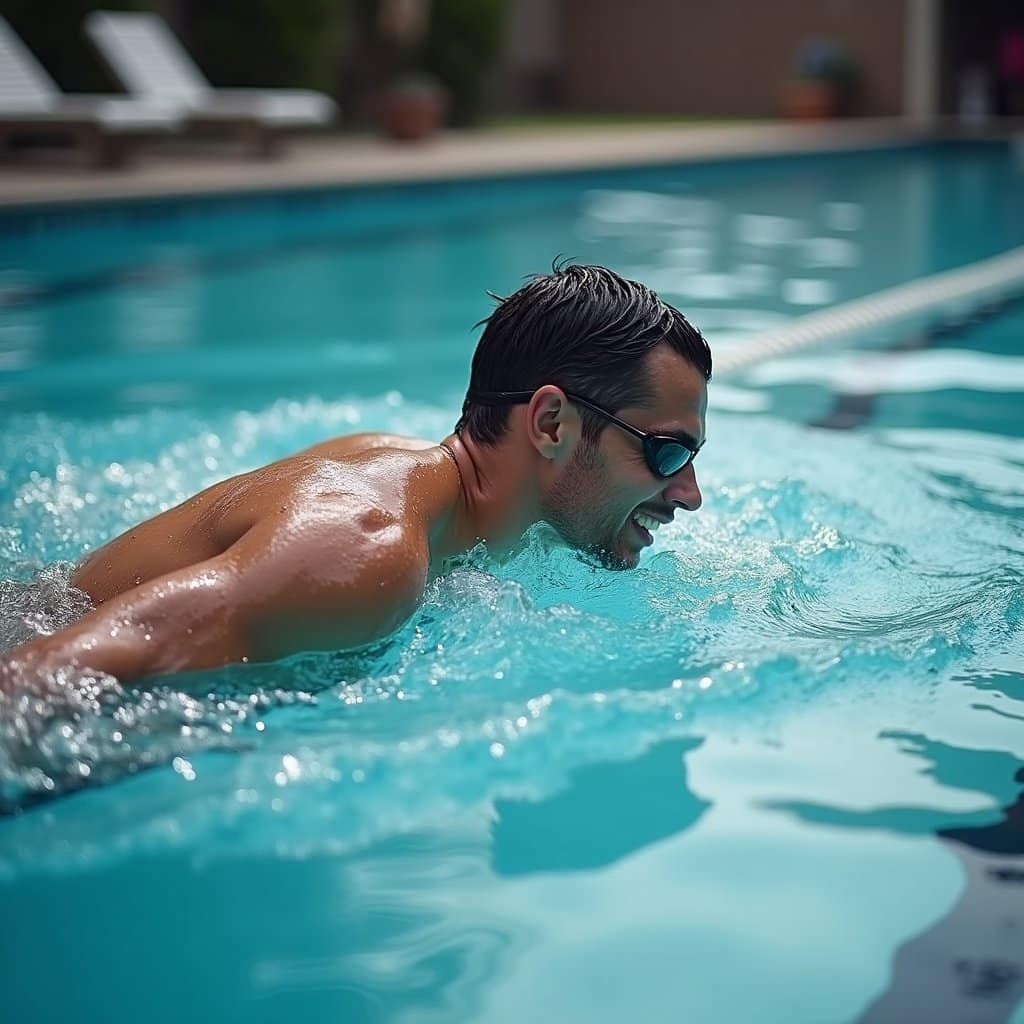
Unlike land-based exercises that place significant stress on joints, swimming provides a thorough cardiovascular workout while minimizing impact forces. When you immerse yourself in water, you’ll experience reduced gravitational effects, allowing for improved joint health during sustained exercise periods. Research indicates that swimming engages multiple muscle groups simultaneously, promoting efficient oxygen utilization and greater aerobic capacity.
Studies demonstrate that swimming raises heart rate to 70-90% of maximum, comparable to running but without the repetitive impact stress. The water’s resistance creates a natural form of interval training as you navigate through it, requiring your cardiovascular system to adapt continuously. This hydrostatic pressure also assists venous return, potentially improving cardiac efficiency over time. For individuals seeking cardiorespiratory benefits without compromising joint integrity, swimming offers an ideal solution.
How Swimming Engages Multiple Muscle Groups Simultaneously
Swimming stands apart from most conventional exercises because it requires coordinated movement patterns across virtually all major muscle groups simultaneously. When you propel through water, your arms execute pulling motions that activate deltoids, biceps, triceps, and pectoral muscles, while your core stabilizes your trunk against rotational forces. Concurrently, your legs perform flutter, frog, or dolphin kicks, engaging quadriceps, hamstrings, glutes, and calf muscles.
This thorough muscle engagement creates a biomechanical efficiency unique to aquatic environments. Research indicates that swimming‘s full body workout activates 70% of skeletal musculature during standard strokes, compared to 40-50% in typical terrestrial cardio exercises. The resistance provided by water’s density (approximately 800 times greater than air) further intensifies muscular recruitment, optimizing cardiovascular demand through peripheral muscle activation rather than isolated exertion.
Calorie-Burning Potential of Different Swimming Strokes
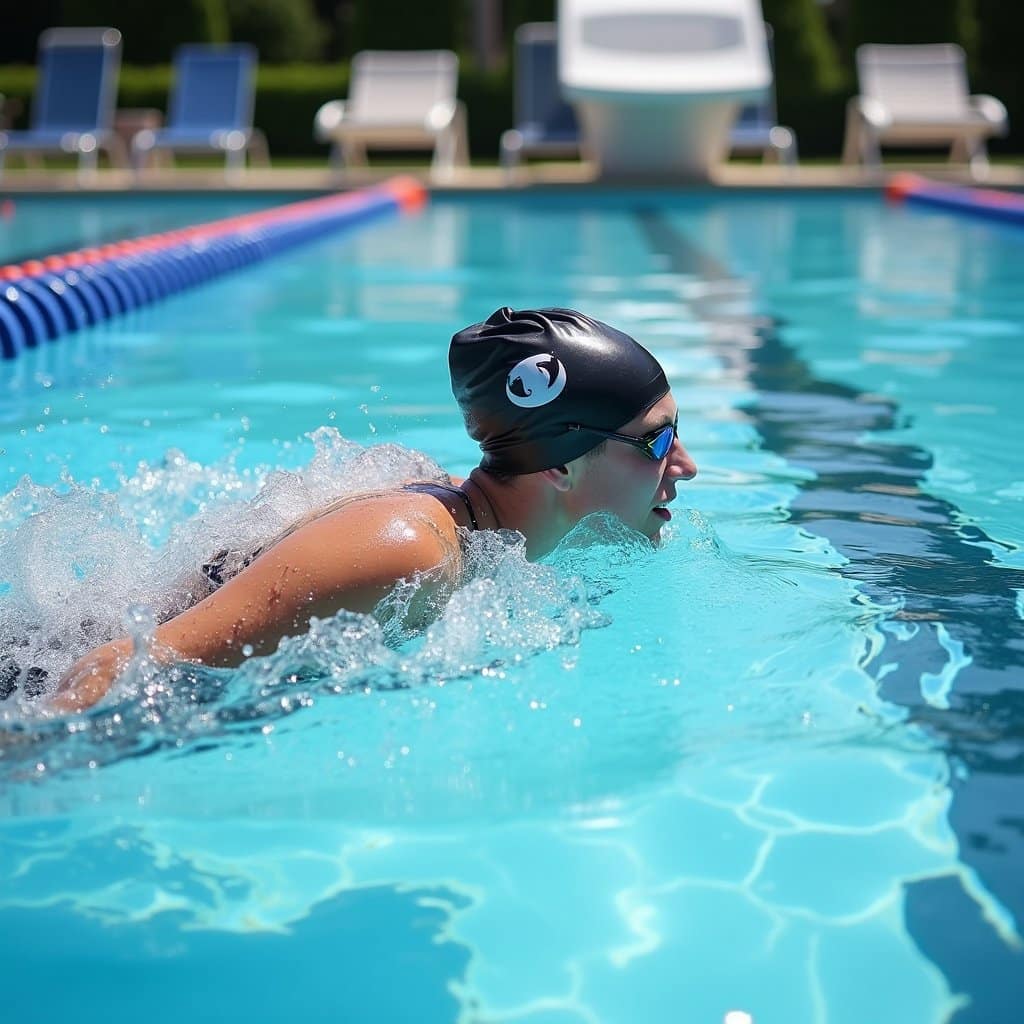
Four major swimming strokes; butterfly, freestyle, breaststroke, and backstroke offer distinctly different metabolic demands on the body, resulting in varied calorie expenditure rates. When you’re seeking ideal cardiovascular benefits, understanding stroke comparison data can enhance your workout efficiency. Research indicates butterfly burns approximately 450-700 calories per hour for a 155-pound individual, while freestyle efficiency allows for sustained effort at 400-650 calories hourly.
- Butterfly generates highest caloric expenditure due to its demanding full-body undulating movement
- Freestyle (front crawl) offers ideal balance between energy expenditure and sustainability
- Backstroke burns 250-400 calories hourly while reducing spinal stress
- Breaststroke requires 200-400 calories hourly, varying with technique proficiency
- Intensity level, technique mastery, and body composition greatly influence individual caloric expenditure regardless of stroke selection
Adapting Swimming Workouts for Various Fitness Levels
While stroke selection impacts caloric expenditure, the physiological benefits of aquatic exercise remain accessible across all fitness levels through appropriate workout modifications. As a beginner, you’ll benefit from focusing on fundamental techniques like breathing rhythm and proper body position during 20-30 minute sessions at 50-60% maximum heart rate. Incorporate rest intervals of 30-45 seconds between 25-meter segments to maintain form integrity.
For intermediate and advanced swimmers, progressively increase workout density by implementing interval training and specialized drills. You can intensify cardiovascular challenge through descending sets, negative splits, and hypoxic training protocols. Advanced drills such as sculling, vertical kicking, and one-arm strokes improve proprioception while elevating metabolic demand. Adjust work-to-rest ratios (3:1 for intermediates, 4:1 for advanced) to optimize cardiovascular adaptation while preventing technique degradation.
Long-Term Heart Health Improvements From Regular Swimming

According to longitudinal studies spanning 12-20 years, consistent swimming practice yields substantial cardiovascular adaptations that extend well beyond acute exercise responses. You’ll experience progressive improvements in your heart’s structure and function through dedicated swimming regimens.
- Reduced resting heart rate (typically 5-10 beats per minute lower than sedentary counterparts)
- Increased stroke volume, allowing your heart to pump more blood with each contraction
- Improved myocardial efficiency, reducing cardiac oxygen demand by 10-15%
- Improved endothelial function and arterial compliance, reducing atherosclerotic risk by up to 30%
- Decreased blood pressure (average reduction of 8-10 mmHg systolic in hypertensive individuals)
These swimming benefits represent clinically significant cardiac adaptations that researchers attribute to swimming’s unique combination of rhythmic movement, controlled breathing, and reduced joint impact, making it an ideal intervention for long-term heart health maintenance.
Frequently Asked Questions
Is Swimming Safe During Pregnancy?
Swimming is generally safe during pregnancy, offering numerous pregnancy benefits such as reduced swelling, improved circulation, and decreased joint pressure. You’ll find it provides effective cardiovascular exercise without overheating your body. However, swimming precautions should be observed: avoid diving, hot tubs, and swimming in contaminated water. You should maintain proper hydration and consult your healthcare provider, especially if you have complications like placenta previa or premature rupture of membranes.
How Does Chlorine Affect Skin and Hair Long-Term?
Prolonged chlorine exposure can dehydrate your skin by stripping natural oils, leading to dryness, irritation, and potentially triggering eczema flare-ups. You’ll notice your skin’s protective barrier weakens with regular exposure, necessitating increased skin hydration practices. For hair, chlorine breaks down protein structures, resulting in brittleness, color fading, and split ends. Studies indicate that using protective products (pre-swim conditioners, post-swim clarifying shampoos) can mitigate these effects by neutralizing chlorine’s oxidative damage.
Can Swimming Help With Specific Medical Conditions Like Arthritis?
Swimming benefits those with arthritis considerably. When you’re immersed in water, you’ll experience reduced joint loading due to buoyancy, allowing pain-free movement. Research indicates that aquatic exercise decreases inflammatory markers and improves functional capacity in arthritis patients. You’ll gain increased range of motion while strengthening muscles that support affected joints. The controlled resistance of water provides an ideal environment for rehabilitation without exacerbating symptoms. Regular swimming sessions can effectively reduce medication dependence in many cases.
What’s the Ideal Water Temperature for Maximum Cardio Benefits?
For maximum cardio benefits, you’ll achieve ideal performance in water temperatures between 78-82°F (25.5-27.8°C). This range balances thermoregulation and cardiovascular strain. Cooler temperatures (75-78°F) increase caloric expenditure as your body works to maintain core temperature, while warmer water (83-86°F) reduces exercise capacity due to impaired heat dissipation. Elite athletes often train in slightly cooler water (77°F/25°C) to enhance cardiovascular conditioning while preventing overheating during high-intensity sessions.
Does Swimming Increase Lung Capacity More Than Other Cardio Exercises?
Swimming considerably improves your lung capacity through its unique respiratory demands. When you’re immersed in water, your respiratory muscles work harder against the pressure on your chest, strengthening diaphragmatic function. Unlike terrestrial exercises, swimming forces controlled breathing techniques, inhaling quickly and exhaling gradually against water resistance. Research demonstrates that swimmers develop larger lung volumes and better oxygen utilization compared to runners and cyclists. The horizontal body position also recruits different pulmonary muscles, optimizing respiratory efficiency beyond what’s typically achieved in vertical cardio activities.