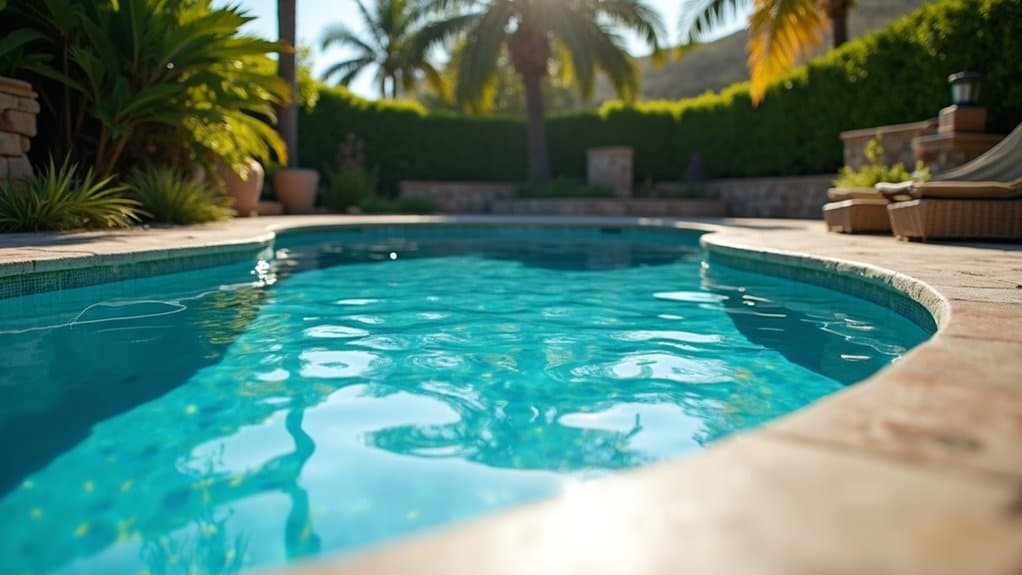
You’ll need a fence around your pool to meet legal requirements and protect against accidental drownings. Most jurisdictions mandate safety barriers at least 4-5 feet high with self-closing, self-latching gates that open outward. The fence must have gaps under 4 inches between vertical slats and be climb-resistant. Non-compliance can result in fines and legal consequences. Understanding your specific options for materials, costs, and installation will help guarantee you create the safest pool environment possible.
Key Takeaways
- Most jurisdictions legally require pool fencing to prevent accidental drownings and ensure compliance with local safety codes.
- Standard safety requirements include a minimum 4-foot fence height with self-closing gates and gaps under 4 inches.
- Non-compliance with pool fencing regulations can result in fines, increased insurance premiums, and legal liability.
- Multiple fencing options exist, including glass, mesh, aluminum, and vinyl, each offering different benefits and price points.
- Regular maintenance and inspections are essential to ensure the fence remains effective and compliant with safety standards.
Legal Requirements for Pool Fencing
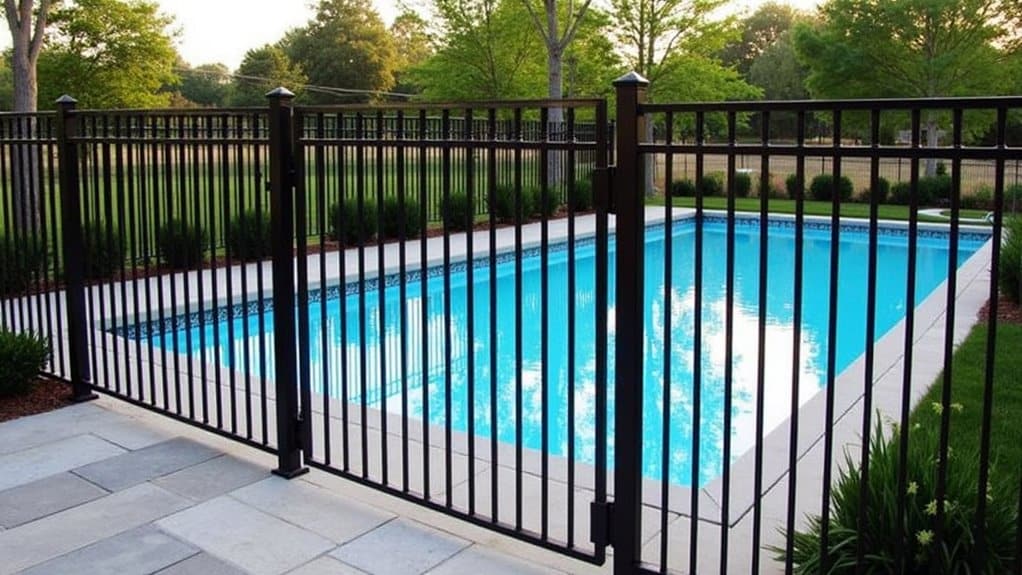
In relation to pool fencing requirements, most jurisdictions mandate specific safety barriers to prevent accidental drownings. You’ll need to check your local regulations, as requirements typically vary by location, but common standards include a minimum fence height of 4-5 feet and self-closing, self-latching gates that open outward.
Your fence must also meet specific design criteria: gaps between vertical slats shouldn’t exceed 4 inches, and the fence shouldn’t have any footholds that could allow climbing. These requirements address liability concerns and are especially important if you have young children in the neighborhood. Many areas also require pool alarms and specify the types of materials you can use for fencing. Non-compliance can result in fines, increased insurance rates, and potential legal consequences if accidents occur.
Types of Pool Fences and Their Benefits

When selecting a pool fence, you’ll find several distinct types that offer varying levels of security and aesthetic appeal. Glass fences provide unobstructed views of your pool area while maintaining a modern, sophisticated appearance. They’re highly durable and resist weathering, though they require regular cleaning to maintain transparency.
Mesh fences offer a more affordable option that’s both removable and reliable. They’re particularly effective at preventing children from climbing over, as the flexible material provides no footholds. You’ll also find aluminum and wrought iron options that combine strength with classic styling, while vinyl fences deliver low-maintenance durability at a mid-range price point. Each type meets safety standards when properly installed, but you’ll need to take into account factors like visibility, maintenance requirements, and your local climate when making your selection.
Safety Features Every Pool Fence Should Have
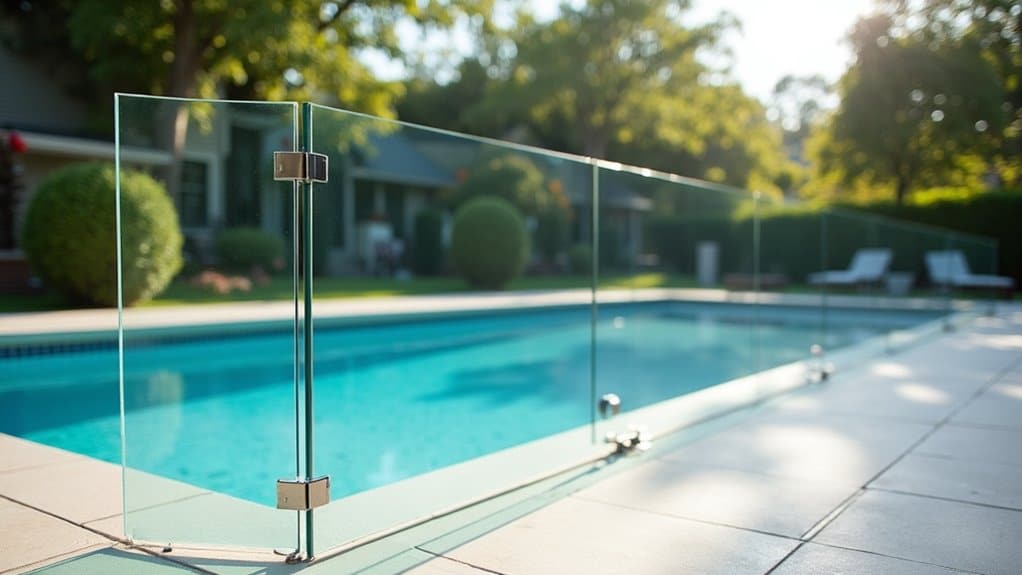
Every pool fence must incorporate essential safety features to effectively prevent unauthorized access and potential drowning incidents. You’ll need to verify your fence meets specific requirements to optimize child safety and comply with local regulations. In addition to installing a secure fence, it’s crucial to educate both children and adults on the importance of pool safety. Implementing essential pool safety tips for families, such as constant supervision and having emergency equipment on hand, can further enhance safety measures. It’s important to consider keeping pets safe around water, as they can also be at risk of accidents. Providing designated areas where pets can safely enjoy the outdoors away from the pool can further minimize potential hazards.
| Feature | Requirement |
|---|---|
| Fence height | Minimum 4 feet tall |
| Gate latch | Self-closing, self-latching |
| Gaps | Less than 4 inches wide |
Your pool fence should have no footholds or handholds that could help someone climb over. The gate must swing outward, away from the pool area, and feature a self-closing mechanism that engages automatically. The latch release should be positioned at least 54 inches above ground level. You’ll also need to maintain a clear zone around the fence’s exterior, removing any objects that could serve as climbing aids.
Cost Considerations and Installation Options
Meeting safety requirements for your pool fence doesn’t have to break the bank. When planning your budget, consider that installation costs typically range from $1,500 to $4,000, depending on your chosen materials and fence size. Aluminum and vinyl options offer cost-effective solutions, while glass and wrought iron represent premium choices.
You’ll need to factor in professional installation fees, which include ground preparation, post setting, and final assembly. If you’re handy, DIY installation can reduce costs by 40-60%, but make sure you’re familiar with local building codes and permit requirements. Pre-fabricated fence panels offer another way to manage expenses while maintaining safety standards. Remember to include costs for gates, locks, and regular maintenance in your budget planning to avoid unexpected expenses down the line.
Maintenance and Upkeep of Pool Barriers
Regular maintenance of your pool barrier involves three essential components: physical inspection, hardware checks, and immediate repairs. To guarantee fence longevity, you’ll need to inspect your barrier at least monthly for signs of rust, wear, or damage. Check all gate latches, springs, and hinges to confirm they’re working properly and self-closing mechanisms haven’t lost tension.
Create maintenance schedules that include cleaning your fence to prevent corrosion, particularly if you have a metal barrier exposed to pool chemicals and weather. You’ll need to address any gaps that develop between fence panels or at ground level immediately. If you’ve got wooden fencing, watch for rotting or warping that could compromise safety. Don’t forget to test the gate’s self-latching system weekly, as this is your barrier’s most frequently used and critical safety component.
Design Tips for Aesthetically Pleasing Pool Fences
Balancing safety requirements with visual appeal doesn’t mean you’re stuck with an eyesore around your pool. Modern materials and thoughtful design choices can transform your pool fence into an attractive outdoor feature.
| Design Element | Benefits | Best Applications |
|---|---|---|
| Glass Panels | Unobstructed Views | Modern Homes |
| Aluminum Rails | Low Maintenance | Traditional Settings |
| Natural Stone Posts | Timeless Appeal | Rustic Environments |
| Vinyl Fencing | Cost-Effective | Family-Friendly Yards |
Choose color schemes that complement your home’s exterior and outdoor décor. Black frames offer contemporary sophistication, while bronze tones blend naturally with greenery. You’ll find success by integrating your fence design with existing architectural elements and selecting materials that withstand pool chemicals and weather exposure. Consider adding climbing vines or decorative lighting to improve the fence’s aesthetic value while maintaining its protective function.
Common Pool Fence Violations to Avoid
To protect your family and comply with local regulations, you’ll need to watch out for several common pool fence violations that could compromise safety and result in fines.
Don’t install fencing that fails to meet minimum fence height regulations, typically 4-5 feet depending on your jurisdiction. Watch for gaps between fence panels or underneath the barrier that exceed 4 inches, which could allow children to slip through. Make certain your gate is self-closing and self-latching, with the latch placed high enough to prevent young children from reaching it. Avoid using barrier material guidelines that don’t meet code requirements, such as chain-link fencing with large openings or decorative elements that create footholds. Keep furniture, equipment, and outdoor features away from the fence to prevent children from climbing over.
Frequently Asked Questions
Can I Install a Pool Fence Myself if I’m Experienced in DIY?
While you can install a pool fence yourself with DIY experience, you’ll need to carefully follow local building codes and fence installation tips. Always check permit requirements initially. Take essential DIY safety precautions like calling utility companies before digging, using proper tools, and having a helper. For best results, you’ll want to precisely measure, mark post locations, and guarantee your fence meets height and gate specifications for pool safety.
How Long Does It Typically Take to Get Permits for Pool Fencing?
Permit processing times for pool fencing typically vary between 2-6 weeks, depending on your local regulations and the complexity of your project. You’ll need to submit detailed plans, pay fees, and possibly schedule inspections. During busy construction seasons, you might experience longer wait times. It’s best to contact your local building department directly, as they’ll give you the most accurate timeline and can help you avoid common application mistakes that could cause delays.
Will a Pool Fence Affect My Home’s Resale Value?
A well-designed pool fence can actually increase your home’s resale value when you choose quality fence materials and meet all safety regulations. You’ll find that many homebuyers, especially those with children or pets, consider pool fencing a valuable safety feature. However, if you install a poorly designed or non-compliant fence, it could detract from your property’s appeal. For the best return on investment, you’ll want to select durable materials that complement your home’s aesthetic.
Can I Remove My Pool Fence During Winter Months?
You shouldn’t remove your pool fence during winter months, even if you’re not using the pool. Pool safety remains vital year-round, as children and pets can still access the area. While your pool may be covered, winter precautions should include maintaining your safety barrier. Ice and snow can create extra hazards, making the fence even more significant. If you need to repair the fence, do so promptly and make sure it’s properly secured throughout all seasons.
Are Temporary Pool Fences Allowed for Special Events or Parties?
While temporary pool fencing might be an option for special events, you’ll need to verify your local event safety regulations initially. Most jurisdictions require these temporary barriers to meet the same height and safety standards as permanent pool fences. Make sure your temporary fencing options include self-latching gates, proper spacing between pickets, and adequate stability. You’re still responsible for maintaining pool safety, even during short-term events or parties.