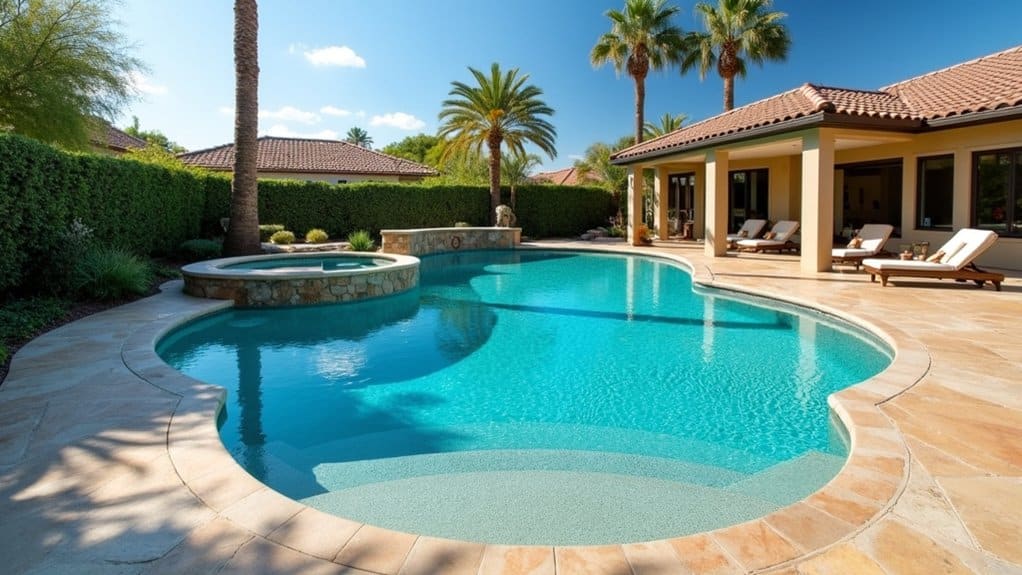
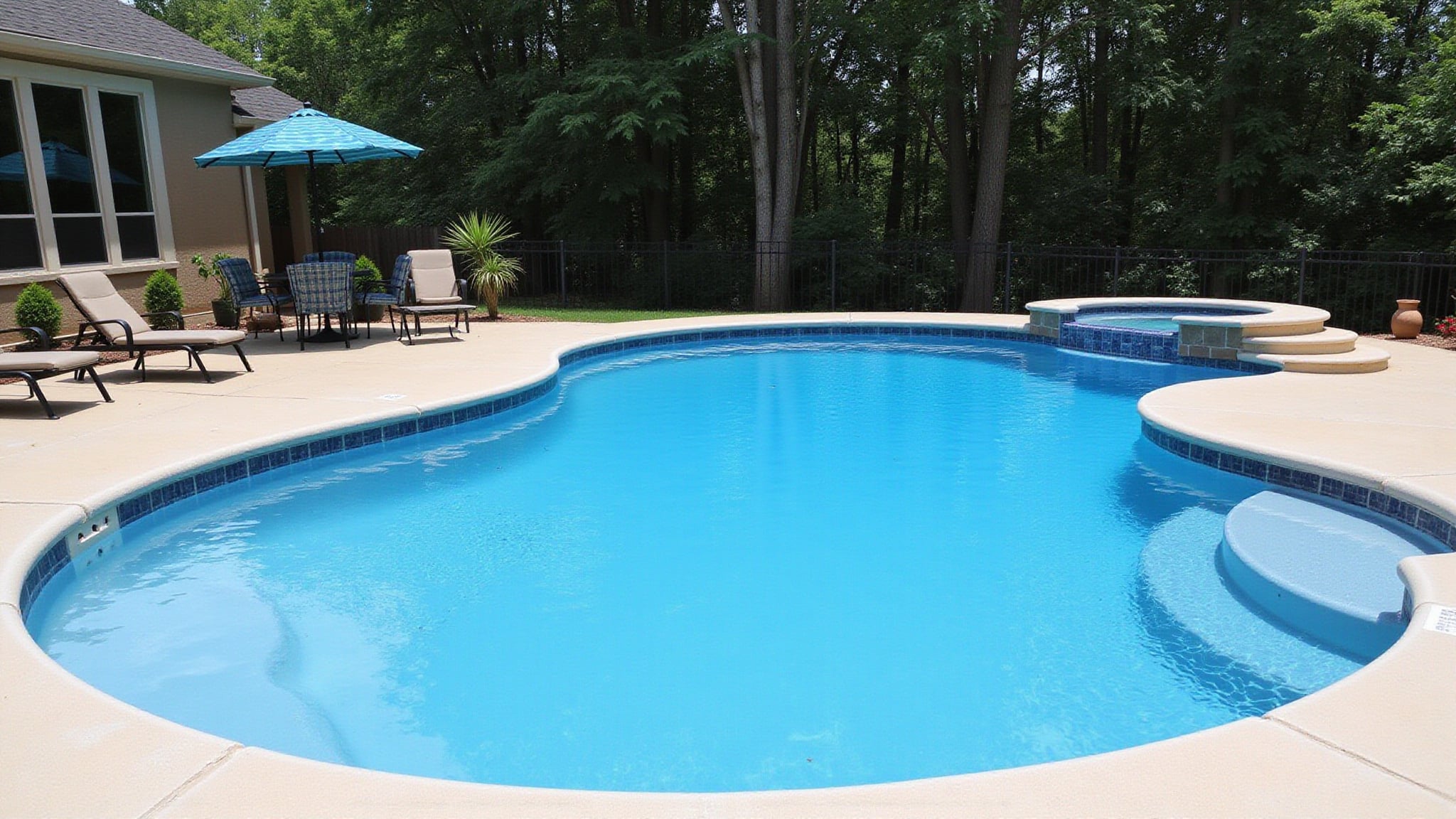
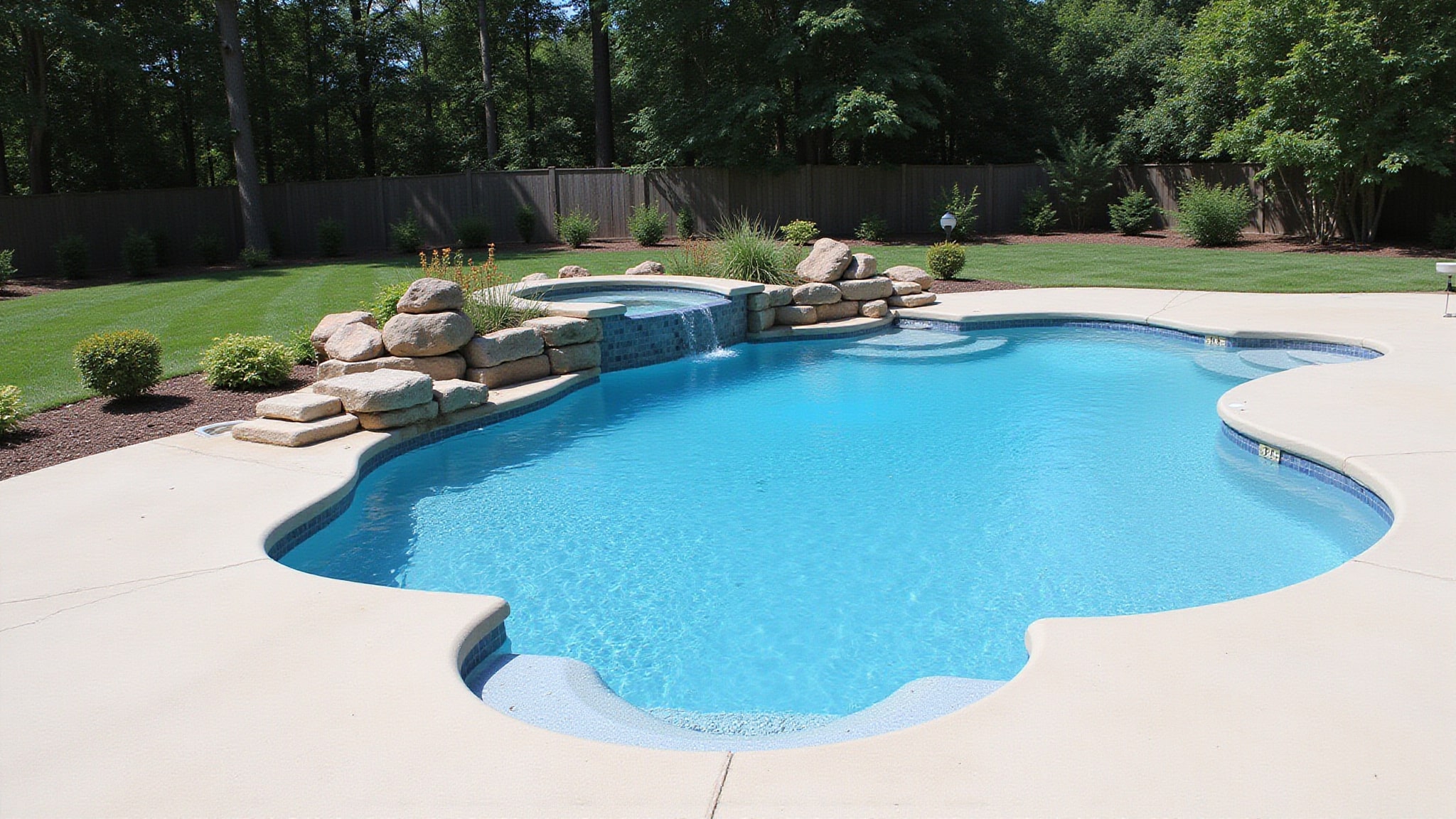
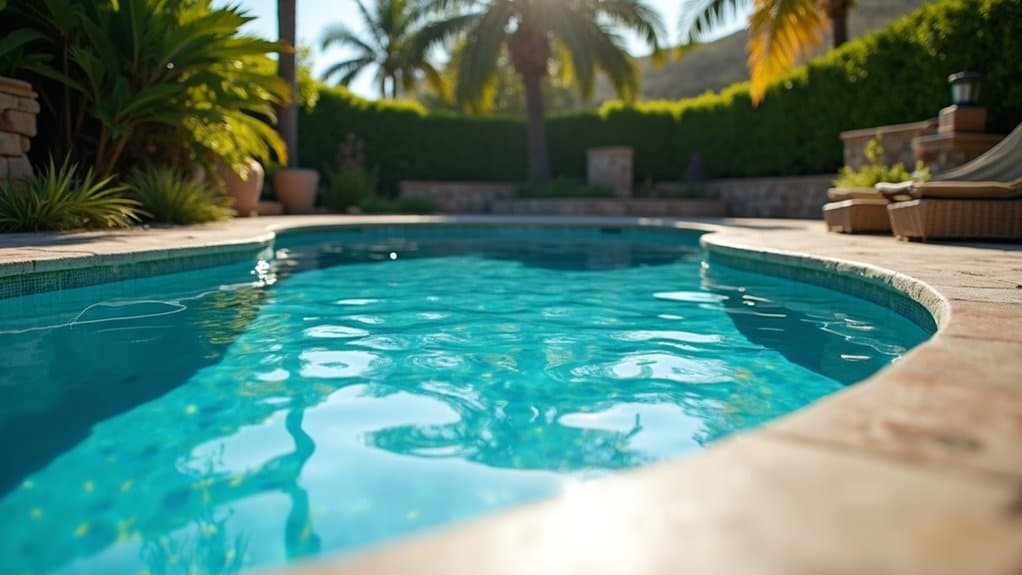
A plunge pool can transform your compact backyard into a luxurious retreat, offering the perfect balance between relaxation and functionality. You’ll benefit from its space-efficient design (6-10 feet wide, 10-15 feet long) while enjoying features like hydrotherapy jets, built-in seating, and temperature controls. Though costlier per square foot than traditional pools, you’ll save on total installation and maintenance. Consider your lifestyle needs, available space, and budget to determine if this modern water feature aligns with your outdoor vision. Additionally, a plunge pool can enhance your outdoor experience by providing a serene space for unwinding after a long day. If you’re intrigued by the mechanics of infinity pool design, a plunge pool can be an excellent starting point, offering a similar aesthetic with a more manageable size.
Key Takeaways
- Plunge pools require minimal space, needing only 2-8% of a traditional pool’s footprint, making them ideal for small backyards.
- Installation costs range from $20,000 to $45,000, offering significant savings compared to full-size pools while providing similar luxury features.
- These pools excel at relaxation and hydrotherapy but aren’t suitable for lap swimming or large gatherings.
- Monthly maintenance costs are lower than traditional pools, with utility expenses typically ranging from $100-200 per month.
- Design options are versatile, from modern geometric to natural styles, allowing customization to match your home’s architecture.
What Exactly Is a Plunge Pool?

A plunge pool is a compact, deep water feature designed specifically for cooling off and relaxation rather than swimming laps or extensive water activities. Typically measuring between 6 to 10 feet in width and 10 to 15 feet in length, these pools maintain depths of 4 to 8 feet, making them ideal for vertical immersion.
The plunge pool definition encompasses several key characteristics that distinguish it from traditional swimming pools. You’ll find that most plunge pools feature built-in seating ledges, hydrotherapy jets, and temperature control systems. Some models incorporate resistance swimming mechanisms, allowing you to swim in place against an adjustable current. Modern plunge pool features often include automated covers, LED lighting, and smart control systems that let you manage water temperature and filtration from your mobile device. Furthermore, many plunge pools can be designed to utilize natural filtration systems, which can enhance the overall experience while reducing the need for harsh chemicals. This aligns with the growing trend toward sustainable and eco-friendly swimming options, highlighting the advantages of chemical free pools.
Benefits and Limitations of Plunge Pools

While plunge pools offer significant advantages in compact outdoor spaces, understanding their complete range of benefits and limitations helps determine if they’re right for your property. You’ll benefit from their space efficiency, requiring just 2-8% of a traditional pool’s footprint while delivering comparable health benefits through hydrotherapy and resistance training.
However, plunge pools have distinct limitations. You won’t be able to swim laps or host large pool parties, and their smaller water volume means temperature fluctuations occur more rapidly. The installation costs per square foot can be higher than conventional pools, though total project costs remain lower due to reduced size. Furthermore, some municipalities classify plunge pools differently from standard pools, potentially affecting permit requirements and zoning compliance for your backyard renovation project.
Cost Considerations and Budget Planning

The initial investment for a plunge pool typically ranges from $20,000 to $45,000, depending on materials, features, and installation complexity. When comparing costs to traditional pools, you’ll find plunge pools offer significant savings, requiring less excavation, materials, and labor.
Beyond installation, factor in ongoing expenses like water treatment chemicals, heating costs, and maintenance equipment. You’ll need to budget approximately $100-200 monthly for utilities and basic upkeep. Consider exploring financing options through home improvement loans, pool-specific financing, or home equity lines of credit to manage the upfront investment.
To optimize your budget, prioritize essential features while planning for potential enhancements later. Items like automated covers, advanced filtration systems, or premium finishes can be incorporated gradually as your budget allows.
Design Options and Style Choices
Modern plunge pool designs range from minimalist geometric shapes to organic, freeform configurations that complement your budget and spatial requirements. You’ll find customized features that align with your modern aesthetics, from integrated LED lighting to custom finishes.
| Style Element | Features | Applications |
|---|---|---|
| Contemporary | Clean lines, glass walls | Urban settings |
| Natural | Rock features, waterfalls | Garden spaces |
| Mediterranean | Mosaic tiles, curves | Resort-style yards |
| Industrial | Concrete, metal accents | Modern homes |
| Asian-inspired | Bamboo, zen elements | Meditation areas |
Select materials that improve your pool’s visual appeal while maintaining functionality. Consider incorporating infinity edges, built-in seating, or therapeutic jets. Your design choices should reflect both your lifestyle needs and architectural preferences, whether you’re aiming for a sleek entertaining space or a private wellness retreat. Additionally, prioritize durable materials that can withstand the elements while enhancing your pool’s aesthetic. Remember, choosing the right spool for you goes beyond mere looks; it’s about creating an environment that caters to relaxation and enjoyment.
Installation Requirements and Site Preparation
Before installing your plunge pool, proper site evaluation and preparation remain critical for long-term structural integrity. Begin with a thorough site assessment to determine soil conditions, drainage patterns, and ground stability. You’ll need to guarantee adequate space for both the pool and surrounding deck area while maintaining local setback requirements.
Contact your utility companies to mark underground lines before excavation begins. You’ll require proper utility connections for filtration systems and any heating elements. Consider access points for construction equipment and verify that your property’s elevation allows for proper drainage away from the pool structure.
Your contractor should assess load-bearing requirements and may recommend soil compaction or reinforcement. Furthermore, you’ll need to plan for electrical conduits, plumbing lines, and equipment pad placement before the actual installation begins.
Maintenance and Upkeep Essentials
Once your plunge pool installation is complete, maintaining its pristine condition requires a well-structured care routine. You’ll need to monitor water chemistry weekly and perform seasonal maintenance to guarantee longevity and safety.
| Task | Frequency |
|---|---|
| Test pH levels | Weekly |
| Clean filters | Bi-weekly |
| Shock treatment | Monthly |
| Deep cleaning | Seasonal |
Regular maintenance includes skimming debris, brushing walls, and vacuuming the pool floor. In spring, you’ll need to balance chemicals and inspect equipment. Summer demands frequent filter checks and chemical adjustments. Fall requires covering preparation and reducing chemical usage. Winter maintenance focuses on protecting pipes from freezing and maintaining minimal circulation. By following these essential care protocols, you’ll extend your plunge pool’s lifespan and maintain ideal swimming conditions year-round.
Making the Final Decision: Key Factors to Consider
When deciding on a plunge pool installation, you’ll need to carefully evaluate several critical design factors that align with your specific requirements. Consider your property’s dimensions, site accessibility, and available utilities to determine ideal positioning. Your lifestyle impact should guide choices about features like heating systems, water purification methods, and automated maintenance options.
Assess space utilization by mapping out surrounding deck areas, privacy screens, and landscaping elements that complement your pool. Factor in your local climate, as it affects both usage patterns and necessary weatherproofing measures. Calculate your budget to include not just installation costs, but also ongoing maintenance expenses, potential property tax implications, and insurance adjustments. Review local building codes and HOA restrictions to verify your design meets all requirements before proceeding with your investment.
Frequently Asked Questions
Can Plunge Pools Be Heated for Year-Round Use?
Yes, you can heat your plunge pool for year-round enjoyment through several efficient methods. Install a heat pump, electric heater, or solar heating system to maintain comfortable temperatures even during cooler months. Modern plunge pool heating solutions integrate seamlessly with automation systems, allowing you to pre-set temperatures and optimize energy usage. Some systems even offer dual functionality, providing cooling capabilities during summer and warming during winter for maximum versatility.
How Long Does It Typically Take to Install a Plunge Pool?
Your plunge pool’s installation timeline typically ranges from 2-4 weeks, though construction factors can extend this to 6-8 weeks. You’ll need to account for permit acquisition (1-3 weeks), excavation (2-3 days), pool shell installation (1-2 days), plumbing and electrical work (3-5 days), and finishing touches like decking and landscaping (4-7 days). Site accessibility, weather conditions, and local regulations can impact your project’s duration considerably.
Are Plunge Pools Safe for Young Children and Non-Swimmers?
Like any water feature, you’ll need to implement strict child safety measures with your plunge pool. Install a secured safety cover, non-slip surfaces, and code-compliant fencing with self-latching gates. For non-swimmer precautions, consider adding handrails, clearly marked depth indicators, and steps with grip-textured surfaces. It’s crucial to maintain proper water depth markings and install adequate lighting. You should always supervise children and non-swimmers, regardless of these safety features.
Can Existing Backyard Pools Be Converted Into Plunge Pools?
Yes, you can convert your existing pool into a plunge pool through strategic pool conversion, though it requires careful planning. You’ll need to take into account structural modifications like installing interior walls to reduce the volume and installing powerful jets. Design considerations include updating plumbing systems, reconfiguring depth ratios, and potentially reinforcing existing walls. While feasible, the cost and complexity of conversion might rival new construction in some cases.
Do Plunge Pools Affect Property Value More Than Traditional Swimming Pools?
While both pool types can improve your property’s value, current market trends show that plunge pools often deliver comparable or better returns on investment compared to traditional pools. During property appraisals, plunge pools are increasingly viewed favorably due to their lower maintenance costs, modern aesthetic, and space efficiency. You’ll find that luxury real estate markets particularly value plunge pools, as they’re seen as a sophisticated, eco-conscious amenity that appeals to design-savvy buyers.