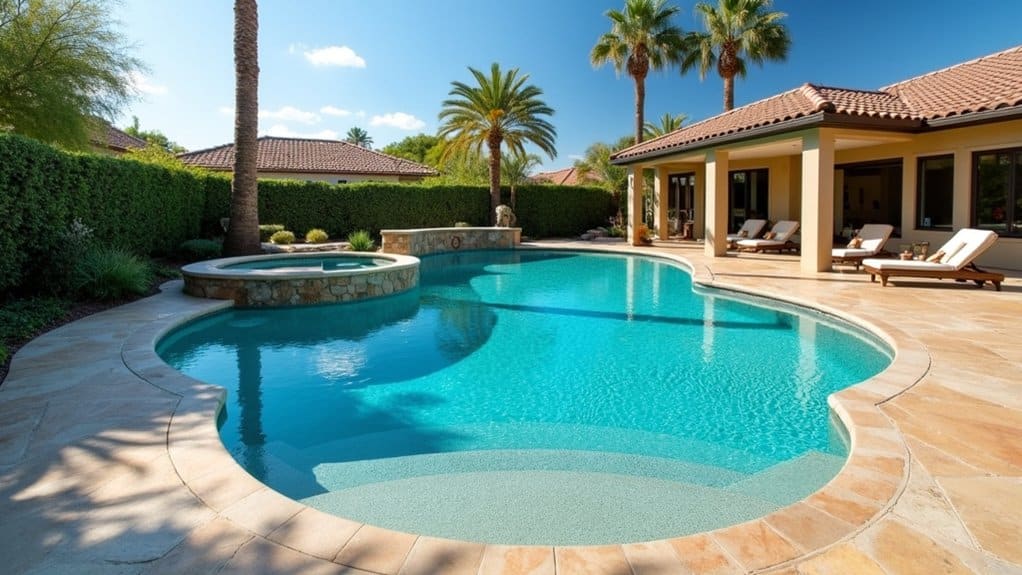
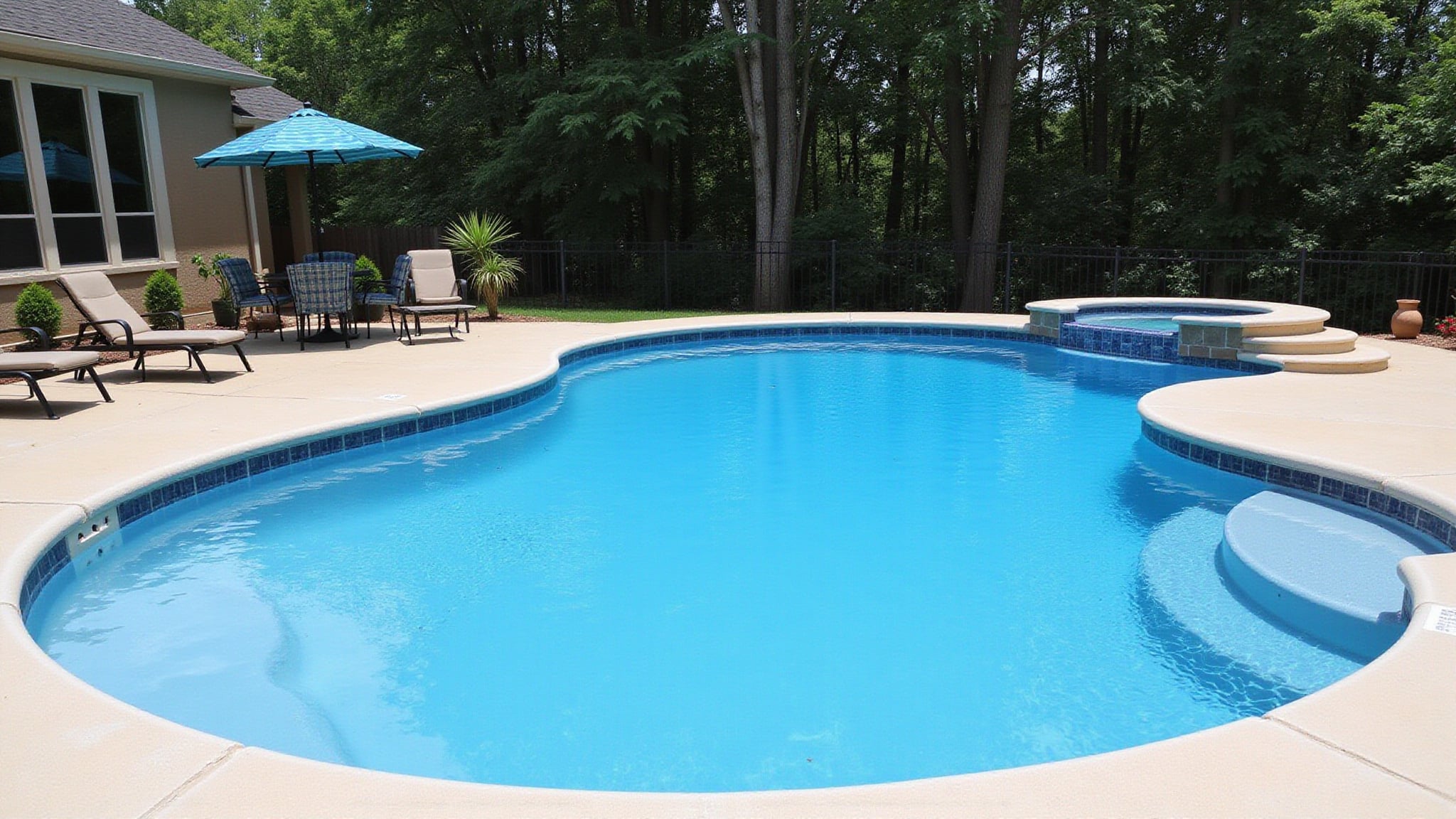
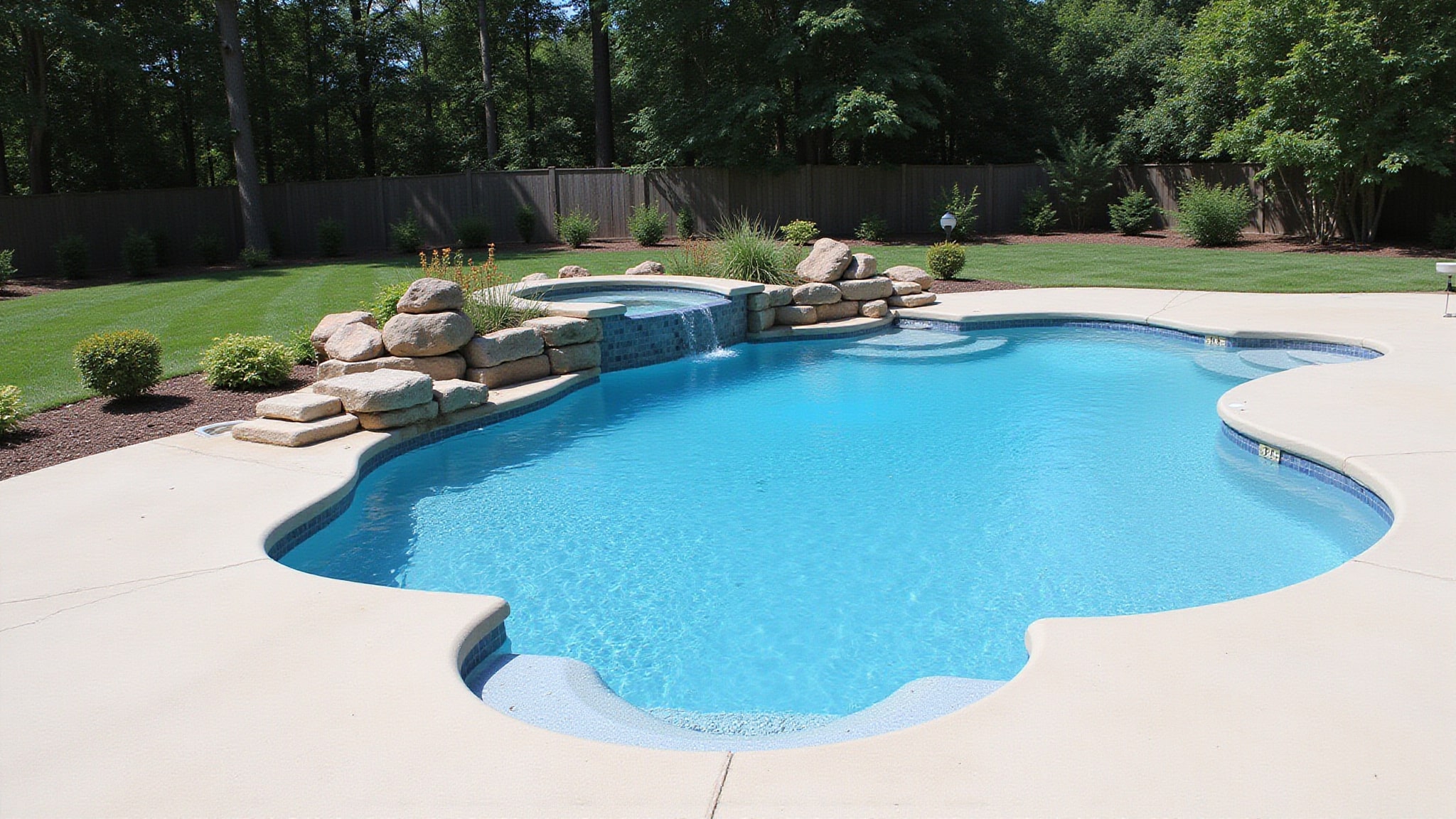
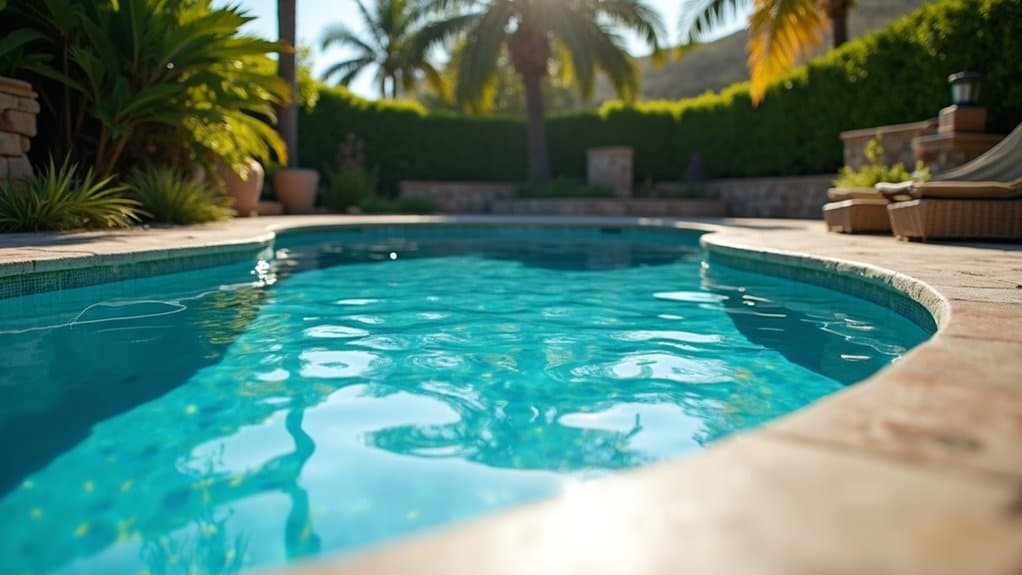
A chemical-free swimming pool works by dividing your pool into two zones: a swimming area (50-70%) and a regeneration area (30-40%). You’ll rely on a biological filtration system that circulates water through gravel beds and plant roots, mimicking nature’s purification process. Beneficial bacteria and diverse aquatic plants work together to break down contaminants and maintain crystal-clear water without chemicals. Understanding the specific components and maintenance requirements will guarantee your natural pool’s long-term success.
Key Takeaways
- Natural swimming pools use a regeneration zone filled with aquatic plants and microorganisms to purify water without chemicals.
- Water continuously circulates through gravel beds and plant roots, mimicking nature’s filtration process in mountain lakes.
- Beneficial bacteria break down organic matter while plants absorb nutrients, maintaining clear water through biological processes.
- The swimming zone typically occupies 50-70% of pool area, with the remaining space dedicated to natural filtration.
- Daily water circulation through constructed wetlands eliminates the need for chemical treatments and maintains safe swimming conditions.
The Fundamental Components of a Natural Swimming Pool
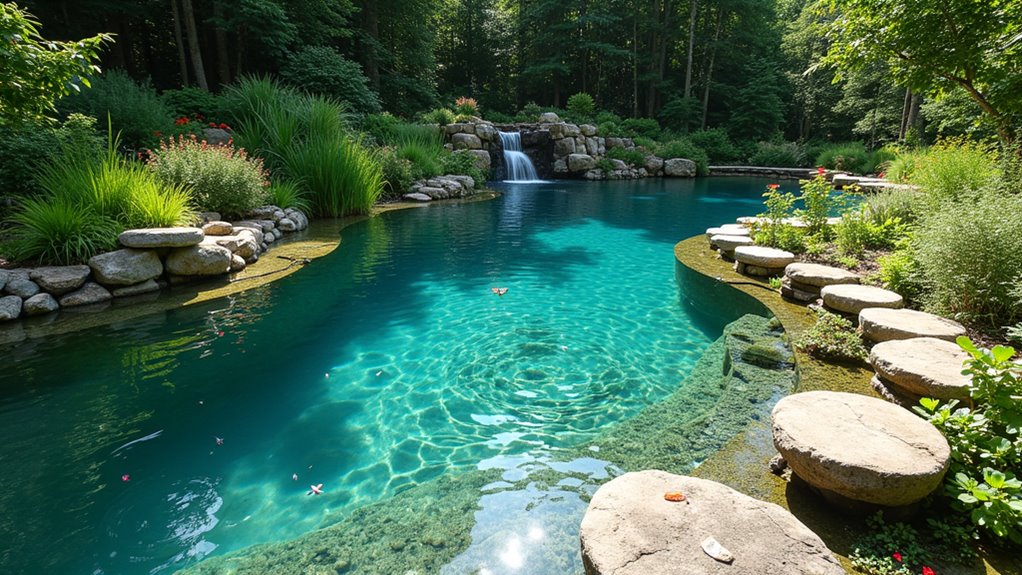
Three essential components form the foundation of a natural swimming pool: the swimming zone, the regeneration zone, and the biological filtration system. The swimming zone comprises 50-70% of the pool’s total area, featuring depths suitable for your intended activities. Your regeneration zone occupies the remaining space, functioning as a natural filtration system through carefully selected aquatic plants and beneficial microorganisms.
The biological filtration components work in harmony with your pool’s natural design. You’ll find submersible pumps circulating water through specialized gravel beds and plant root systems, removing contaminants and excess nutrients. This integrated approach eliminates the need for chemical treatments while maintaining crystal-clear water. The system’s efficiency depends on proper sizing: you’ll need approximately 40% of the total pool area dedicated to regeneration for ideal water purification. Additionally, incorporating biological filtration enhances the overall aesthetic of your outdoor space, seamlessly blending nature with functionality. Homeowners are increasingly recognizing plunge pool benefits for backyards, as these compact options provide a refreshing oasis without compromising on style or efficiency.
Biological Filtration and Purification Process
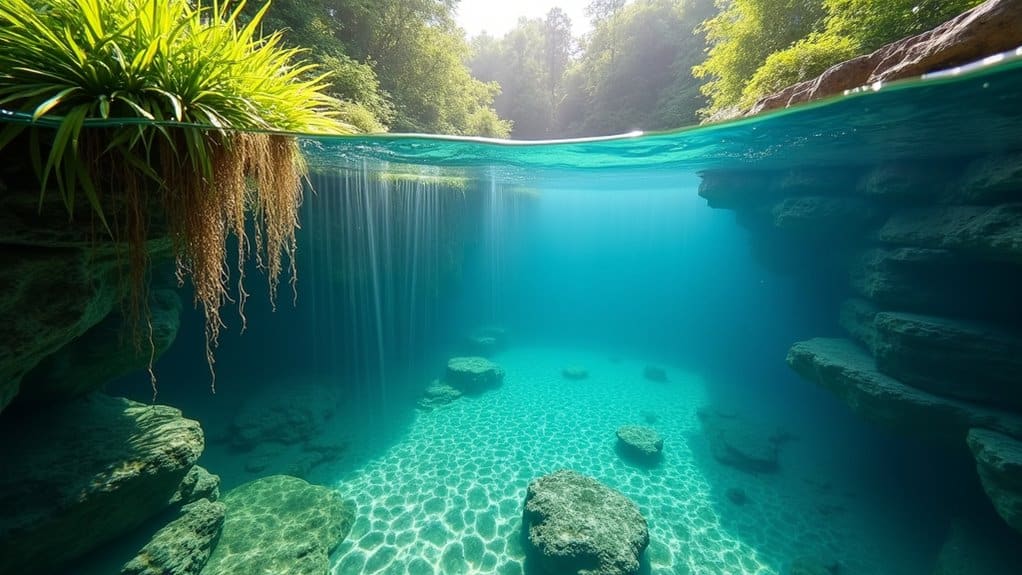
While conventional pools rely on chemicals, natural pools employ a sophisticated biological filtration process that mimics pristine mountain lakes and streams. You’ll find that beneficial bacteria and microorganisms thrive in the regeneration zone, breaking down organic matter and converting harmful compounds into plant nutrients.
The purification process occurs in three stages. Initially, water flows through a series of gravel and sand filters that trap large particles. Next, biofilms on filter media surfaces consume dissolved organic compounds and pathogens. Ultimately, aquatic plants absorb excess nutrients through their root systems, preventing algae growth. This biological filtration system maintains crystal-clear water by circulating through constructed wetlands or planted zones, where natural processes remove impurities continuously – just as they do in nature’s waterways.
Essential Role of Aquatic Plants and Microorganisms
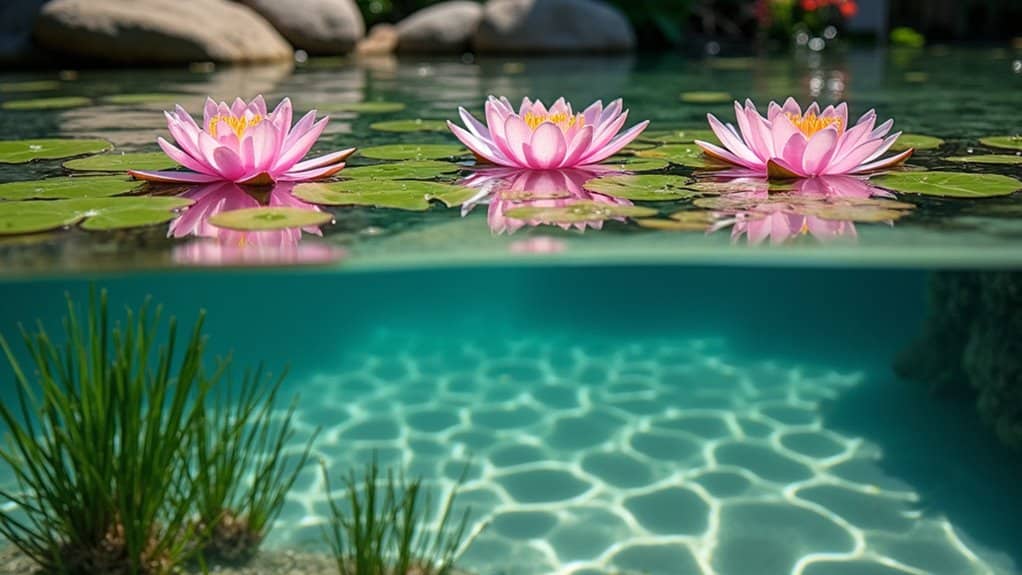
Because natural pools depend on living ecosystems, aquatic plants and microorganisms serve as the cornerstone of chemical-free water purification. You’ll find that these aquatic ecosystems function through a symbiotic relationship where plants absorb excess nutrients while beneficial bacteria break down organic matter.
Plant diversity is essential for ideal filtration. You’ll need to incorporate submerged plants like hornwort and water lilies, which oxygenate the water and compete with algae for nutrients. Floating plants such as duckweed help shade the water, reducing algae growth, while marginal plants like rushes and irises filter contaminants through their root systems. The microorganisms in your pool’s regeneration zone, including beneficial bacteria and protozoa, continuously process waste materials and pathogens, maintaining water clarity and safety naturally. Additionally, ensuring proper circulation is vital for the overall health of your aquatic ecosystem. The operating principles of swim jets can be utilized to enhance water movement, facilitating the distribution of nutrients and oxygen throughout the pool.
Maintaining Water Quality Year-Round
Since chemical-free pools rely on natural biological processes, maintaining consistent water quality requires adapting your maintenance routine to seasonal changes. You’ll need to conduct regular water testing to monitor pH, phosphate levels, and bacterial composition throughout the year, making seasonal adjustments as needed.
- During warmer months (65-85°F), test water weekly and maintain higher plant density to process increased organic matter from higher swimming activity
- In cooler temperatures (45-65°F), reduce testing to bi-weekly and trim back excess plant growth to prevent decomposition
- Through winter (<45°F), protect essential microorganisms by adding insulating covers and maintaining minimal water circulation
Remember to adjust your filtration rates and water movement based on temperature fluctuations, as these factors directly impact the efficiency of your pool’s natural purification system. Additionally, understanding how an infinity pool functions can help you better manage these adjustments, ensuring that water circulation remains optimal even during temperature changes.
Comparing Costs and Environmental Benefits
Although chemical-free pools require higher upfront installation costs ($25,000-35,000), they’ll typically save you 70-80% on annual maintenance expenses compared to traditional chlorine pools. A thorough cost analysis reveals significant long-term savings while delivering eco-friendly benefits to both your family and the environment.
| Feature | Chemical Pool | Chemical-Free Pool |
|---|---|---|
| Annual Maintenance | $3,000-5,000 | $600-1,000 |
| Water Changes | 1-2 times/year | Every 5-7 years |
| Environmental Impact | High chlorine emissions | Zero chemical runoff |
You’ll eliminate the need for harsh chemicals while creating a self-sustaining ecosystem that purifies water naturally. The reduced water waste and elimination of chemical runoff make chemical-free pools an environmentally responsible choice that pays for itself within 5-7 years through reduced operating costs.
Frequently Asked Questions
Can Children and Pets Safely Swim in Chemical-Free Pools?
Yes, you’ll find that children and pets can safely swim in chemical-free pools when proper safety measures are maintained. These pools offer swimming benefits without exposure to harsh chemicals like chlorine, which can cause skin irritation or respiratory issues. You’ll need to guarantee regular water testing, maintain proper filtration systems, and monitor pH levels. Keep in mind that natural sanitization methods still effectively eliminate harmful bacteria and pathogens.
How Long Does It Take for a Natural Pool to Achieve Balanced?
You’ll need to allow 4-6 weeks for your natural pool to achieve proper ecosystem balance. During this opening period, you must monitor water quality daily and guarantee your biofilter plants are establishing themselves. The nitrogen cycle typically stabilizes within the initial month, but complete natural pool maintenance requires patience as beneficial bacteria colonies develop. It’s crucial to maintain consistent water circulation and avoid disturbing the developing biological filtration system during this critical phase.
What Happens to Natural Pools During Extreme Weather Conditions?
During extreme weather, you’ll need to adjust your natural pool maintenance strategy. Heavy rains can dilute beneficial bacteria and alter pH levels, while droughts may concentrate minerals and affect water quality. Strong winds can introduce excess debris and nutrients. You’ll want to monitor water parameters more frequently and adjust your filtration system accordingly. In freezing conditions, you should keep your biological filter running to prevent damage to the ecosystem and maintain water circulation.
Do Natural Swimming Pools Attract More Insects Than Conventional Pools?
You’ll notice that natural swimming pools can attract more insects initially, but they quickly establish a balanced ecosystem. While you might see a temporary increase in insect population around the water, natural predators like dragonflies, frogs, and beneficial insects will help control unwanted bugs. Your pool’s design can also incorporate specific plants that naturally repel mosquitoes and other pests, making the insect presence comparable to conventional chlorinated pools over time.
Can Existing Traditional Pools Be Converted to Chemical-Free Swimming Pools?
Yes, you can convert your traditional pool into a chemical-free system. The conversion process typically involves installing a regeneration zone, biological filters, and aquatic plants. You’ll need to modify your existing filtration system and add specific components like gravel beds and beneficial bacteria. While the initial conversion costs range from $5,000-$15,000, maintenance tips include regular plant care, debris removal, and water testing. The complete transformation usually takes 2-4 weeks.