Dark black spots on your pool’s bottom point to one of four issues: anchored black algae, metal staining, organic debris, or plaster deterioration. Black algae grips porous surfaces and forms raised clusters, while metal staining sits flat from oxidized iron or copper. Poor water chemistry, low sanitizer, high pH, and weak circulation usually trigger these problems. You’ll need to diagnose the cause before treating it. The right tests and fixes are just ahead.
Key Takeaways
- Black algae anchors in porous plaster, cracks, and shaded, low-circulation zones, forming raised pinhead clusters that resist brushing.
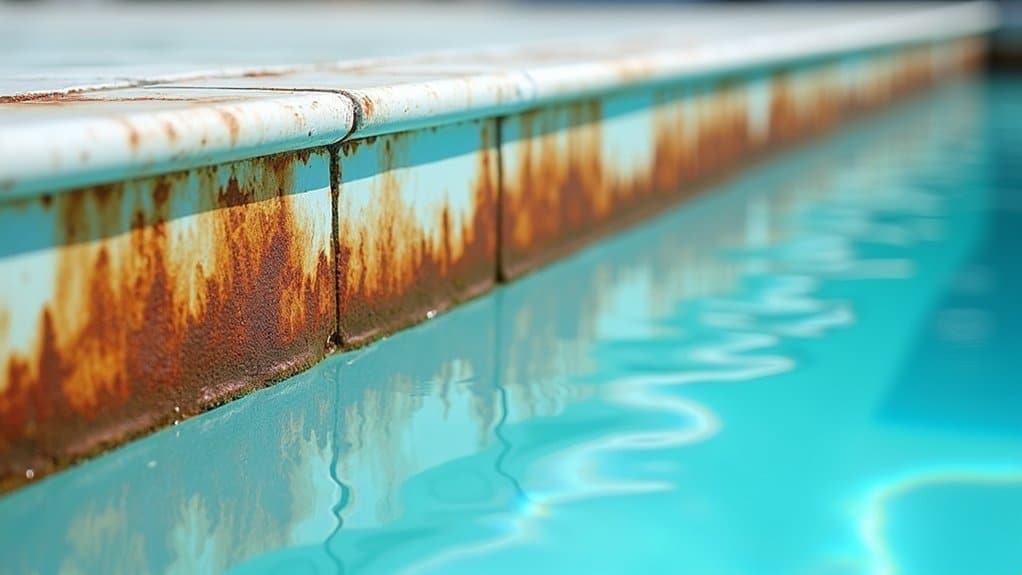
- Metal staining from dissolved iron, copper, or manganese oxidizes on surfaces, sitting flat and unresponsive to brushing.
- Poor water chemistry, like low chlorine or high pH, weakens sanitizer effectiveness and triggers most spot problems.
- Weak filtration and circulation create dead spots where debris and growth anchor along the pool bottom.
- Structural damage such as spalled plaster, exposed substrate, or corroding rebar can appear as dark marks.
What are the black spots on the bottom of my pool
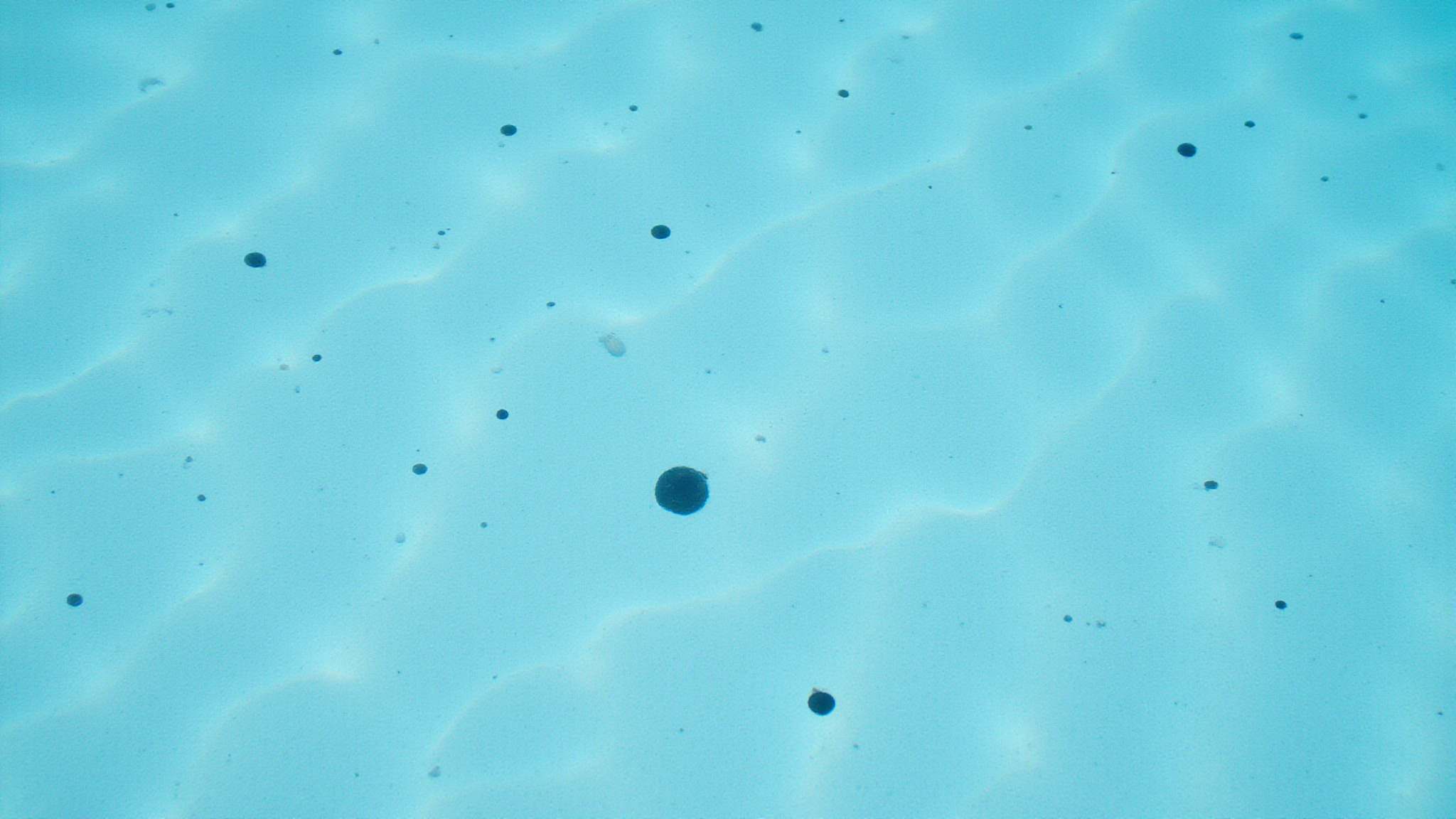
The black spots on the bottom of your pool are likely one of four distinct problems: black algae, metal staining, organic debris, or structural surface damage. Each source presents differently. Black algae appears as dark pinhead spots or clusters anchored in porous plaster, cracks, and shaded, low-circulation zones. Metal staining, from dissolved iron, copper, or manganese, shows as black, purple, or dark gray discoloration that oxidizes onto surfaces. Organic debris leaves darker marks that typically brush away more easily than embedded growth or mineral deposits. Structural damage reflects spalled plaster, exposed substrate, or corroding rebar beneath the finish. Your water chemistry often reveals the trigger: low chlorine, high pH, or metal contamination all contribute. Pinpointing the exact cause requires targeted diagnostic testing.
Why do I have black spots on the bottom of my pool
Black spots appear on your pool floor because one of four problems has taken hold under specific conditions. Poor water chemistry drives most of them. When your chlorine runs low and pH climbs high, sanitizer contact weakens in corners, steps, and shaded zones, letting black algae anchor in porous plaster. Dissolved iron, copper, or manganese produces metal staining when those metals oxidize against the surface. Organic debris settles and marks the floor when filtration and circulation fall short. Deteriorating plaster or corroding rebar creates fixed dark spots that no treatment removes.
You’re seeing these spots because one trigger, weak sanitation, dissolved metals, settled debris, or surface damage, found the right conditions. Identifying which one requires testing the spot, not guessing, since each demands a different correction.
How does black algae differ from other stains
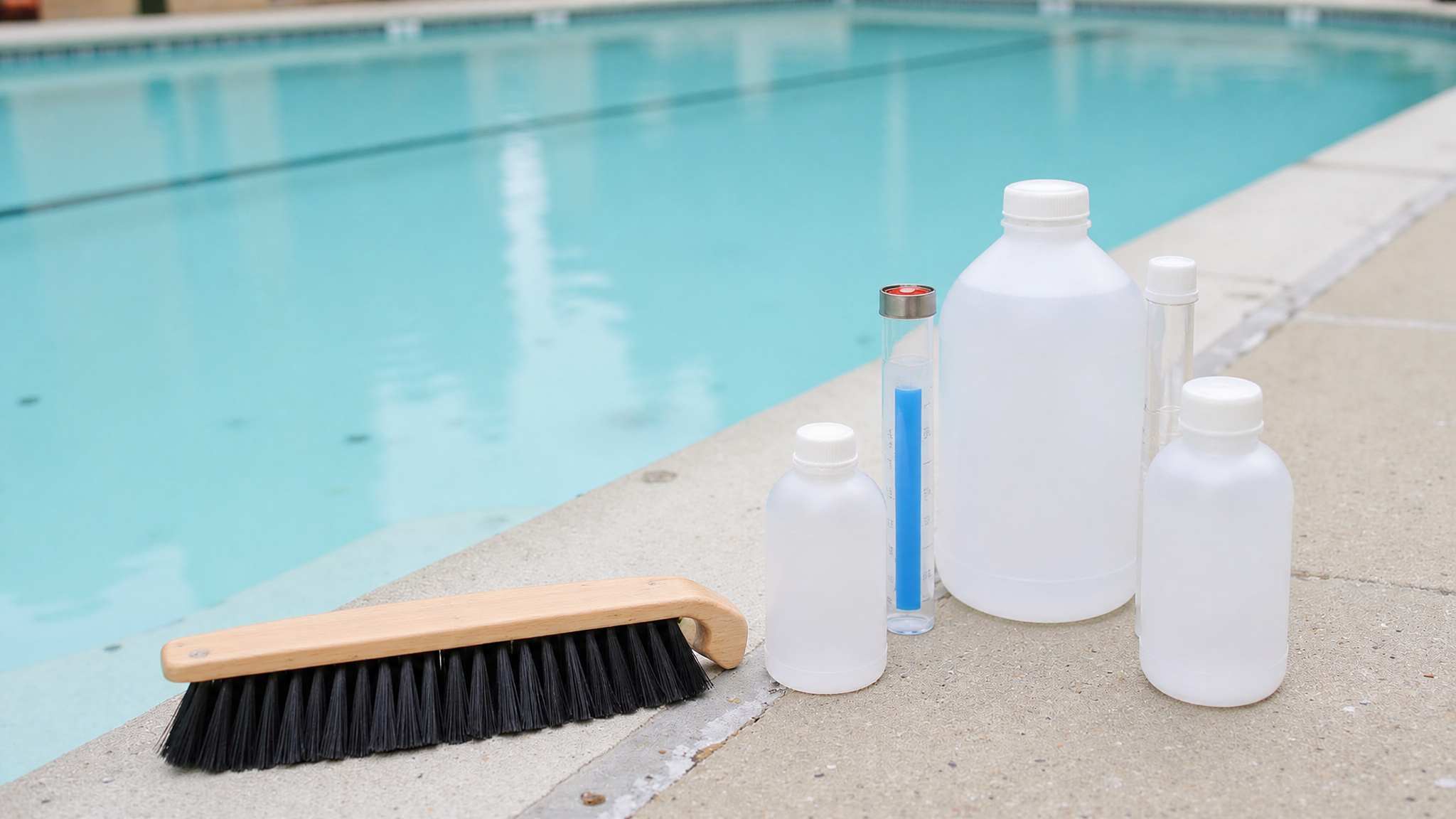
Black algae differs from other stains in its physical behavior under a brush. When you scrub a spot, black algae resists removal because it anchors into porous plaster, cracks, and rough surfaces. It clusters as raised pinhead spots that won’t smear or lift easily. Metal staining behaves differently. It sits flat within the surface and won’t respond to brushing at all.
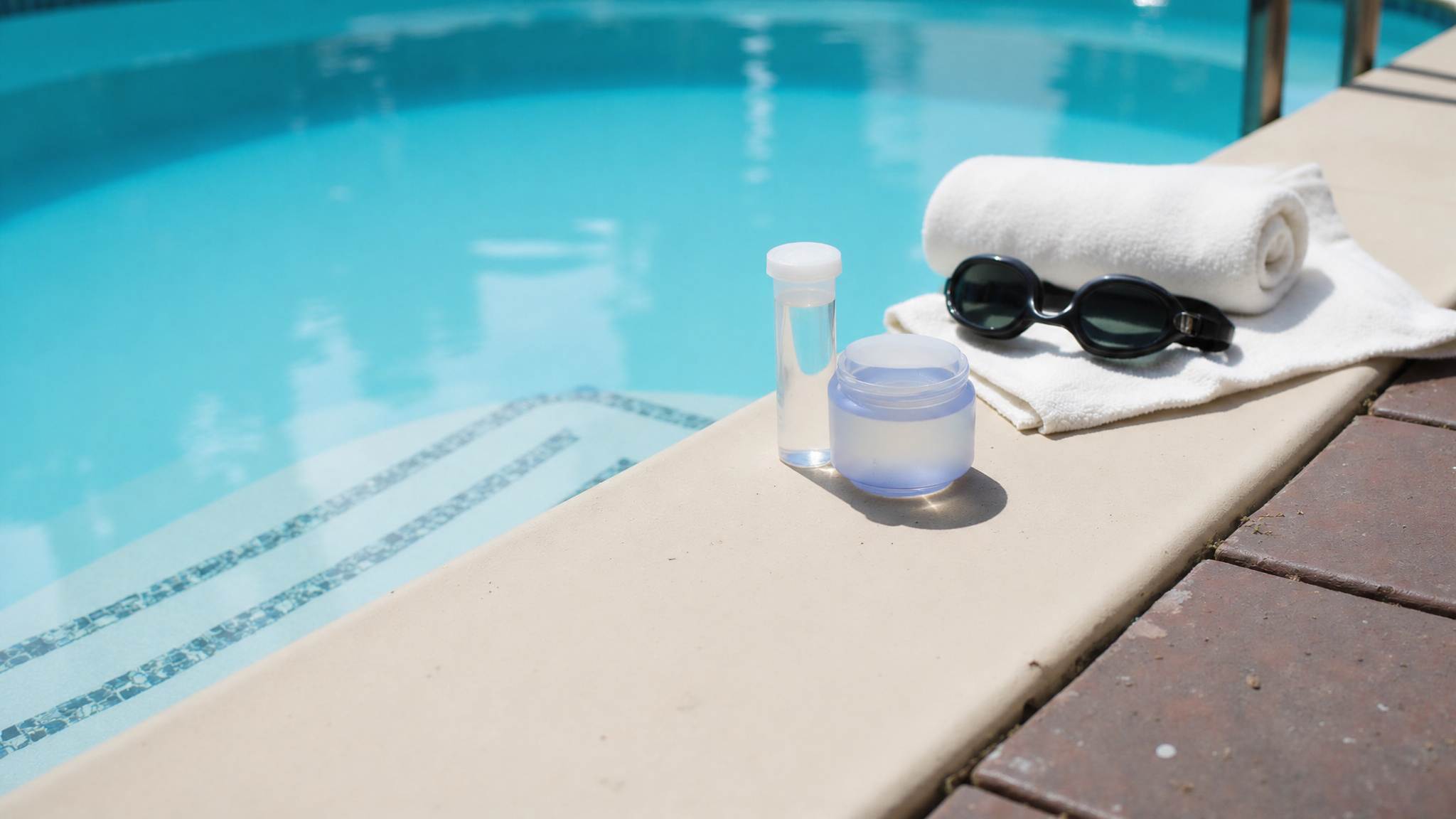
To confirm staining vs algae, run two tests. A chlorine puck held against the spot lightens black algae or organic growth. A vitamin C or ascorbic-acid test lightens metal staining instead. If the spot smears or lifts with a hard brush, you’re likely dealing with loose debris, not embedded growth.
Fixed, textured spots in shaded corners point directly toward black algae.
How do you remove black spots from the pool bottom
Your removal method depends entirely on the diagnosis of what caused the black spots. If black algae’s the culprit, aggressive brushing/chlorination drives the treatment. Use a stiff or stainless brush to break the algae’s protective outer layer, then apply concentrated chlorine directly onto the exposed spots. Repeat brushing daily until the anchored growth dies off completely, since porous plaster shelters residual cells.
If a vitamin C test confirms metal staining, skip the chlorine, it won’t help. Apply ascorbic acid to lift the stain, then add a sequestrant to lock dissolved metals in solution and prevent recurrence.
For organic deposits, vacuum and filter thoroughly. When spots resist both chlorination and stain treatment, inspect the plaster itself, because structural deterioration requires surface repair rather than chemistry.
Which black-spot treatment methods compare best
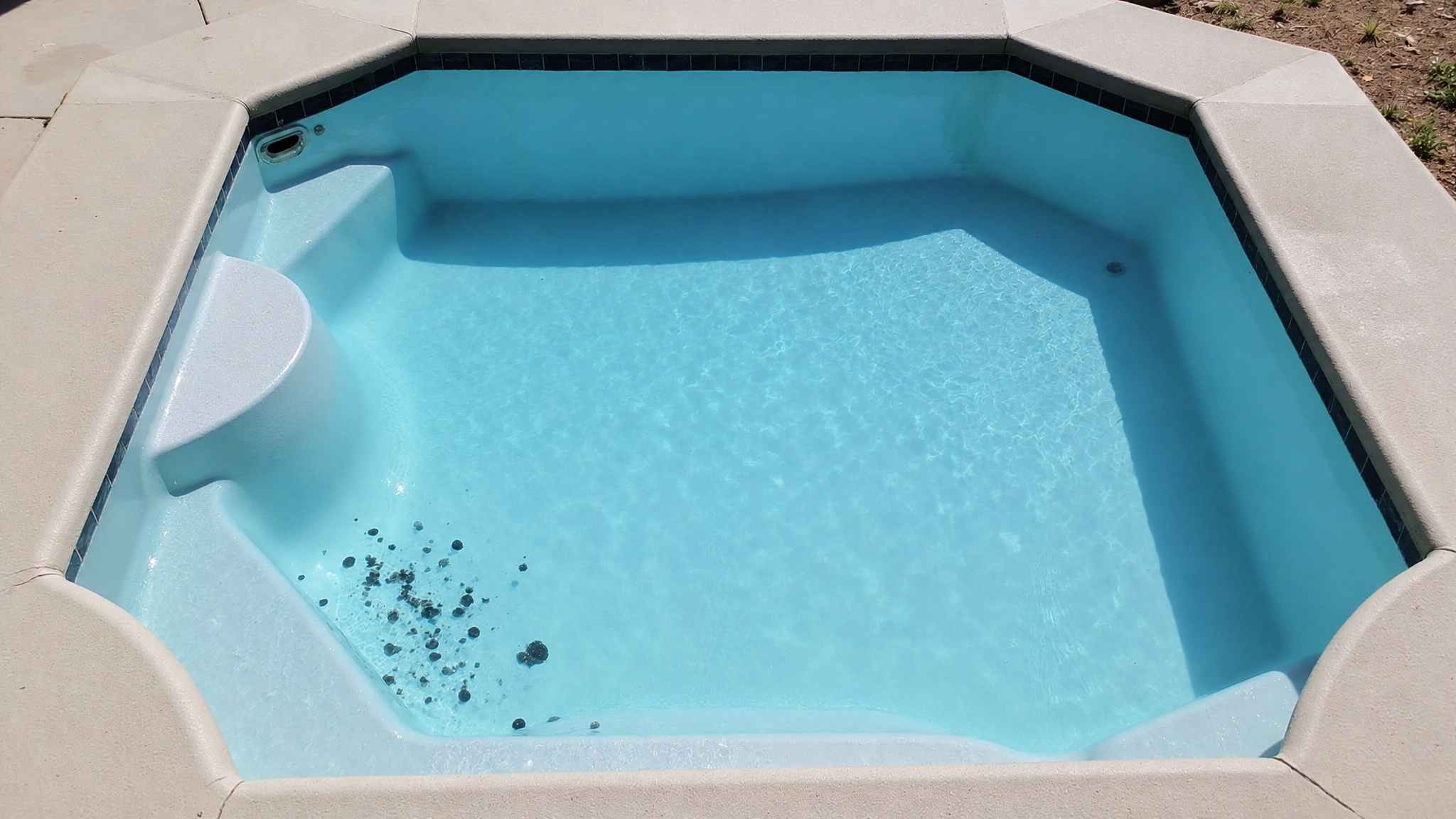
The best black-spot treatment method depends on what’s actually causing the spots. You can’t treat metals with brushing, and you can’t dissolve algae with ascorbic acid. Matching the method to the diagnosed source determines whether the treatment holds or the marks return.
| Cause | Treatment | Recurrence Control |
|---|---|---|
| Black algae | Hard brush, chlorine shock | Consistent sanitizer, circulation |
| Metals | Ascorbic acid, sequestrant | Chelating agent, source filtration |
| Organic debris | Vacuum, filtration | Regular skimming, brushing |
Compare outcomes directly: algae treatment fails on metal stains, and sequestrants won’t touch embedded growth. Structural defects resist every chemical approach. You’ll get the best result when your test confirms the source before you commit to a treatment.
How do you prevent black spots from returning
Prevent black spots from returning with consistent water chemistry and circulation that deny them the conditions they need to reappear. Test chlorine, pH, and sanitizer levels routinely, and keep chlorine within range to prevent algae from re-anchoring in porous surfaces. Don’t let pH drift high, since it weakens sanitizer contact. Brush walls, corners, steps, and shaded low-circulation zones weekly to disrupt biofilm before it establishes. Maintain strong filtration and correct any dead spots where debris settles. If metals triggered your staining, dose a sequestrant to keep iron, copper, and manganese in solution. Skim and vacuum organic debris regularly, and manage phosphate levels and nearby foliage. Finally, inspect plaster condition periodically, because deteriorating surfaces reopen the porous footholds that let black spots return.
Conclusion
Dark black spots on your pool floor are usually black algae, a stubborn organism that roots into porous surfaces and resists normal chlorine levels. Vigorous brushing, targeted treatment, and keeping your chemistry and circulation strong are what break its hold, and catching it early makes removal far easier. Staying ahead of algae keeps your pool clean and your surfaces protected. When you are ready for a pool built for easy, reliable care, Cristallo Pools designs and builds custom inground gunite pools crafted for lasting quality.
Build a Pool Made for Perfect Water Chemistry
Water chemistry challenges are far easier to manage with a professionally built pool designed for balanced systems. At Cristallo Pools in Palm Beach Gardens, FL, our experienced team provides trusted New Pool Construction with expert equipment and lasting craftsmanship. Call +1 (561) 766-0353 today and start building your backyard escape.
Frequently Asked Questions
Are Black Spots in My Pool Harmful to Swimmers’ Health?
Black spots aren’t usually a direct health threat, but they signal underlying problems you shouldn’t ignore. If they’re black algae, they indicate weak sanitization, meaning your chlorine isn’t controlling harmful bacteria effectively. Metal stains and organic debris pose minimal risk themselves, though poor water chemistry raises exposure concerns. Test your spots and chlorine levels, persistent growth means your water’s compromised, so you’ll want to correct sanitizer balance before swimming safely.
How Long Does It Take to Fully Remove Black Algae?
You’ll typically need one to two weeks to fully eliminate black algae, though stubborn infestations can take longer. Because it anchors in porous plaster and rough surfaces, you can’t rely on chemicals alone. Aggressively scrub each spot to break the protective layer, then apply strong chlorine shock directly. Repeat brushing and shocking daily, maintain consistent sanitizer levels, and run your filtration continuously. If spots persist, inspect for embedded roots or surface damage.
Can I Swim While Treating Black Spots in My Pool?
It depends on your treatment intensity. If you’re maintaining normal chlorine levels during routine brushing, you can typically swim safely. However, during aggressive shock treatments, where you’re raising chlorine well above standard ranges, you shouldn’t enter the water. Wait until your chlorine drops back to 1-3 ppm and pH stabilizes between 7.2-7.6. Always test before swimming. If you’re using metal treatments or strong algaecides, follow the product’s specific waiting period.
Does Draining My Pool Help Eliminate Stubborn Black Spots?
Draining helps only when the spots stem from structural damage or deeply embedded staining that won’t respond to brushing and chemical treatment. If you’re dealing with black algae anchored in porous plaster, draining alone won’t eliminate it, you’ll still need aggressive scrubbing and strong chlorination. First, run your diagnostic tests: brush hard, apply a chlorine puck, and try vitamin C. Identify the cause before you drain, since draining risks plaster damage.
How Much Does Professional Black-Spot Removal Typically Cost?
The cost of professional black-spot removal depends on how widespread the staining is, your pool’s surface, and whether it is surface staining or deeper black algae rooted in the plaster. Light treatment and cleaning may run a modest service fee, while heavy infestations that need draining, acid washing, or resurfacing cost considerably more. Because black algae can dig into porous surfaces, catching it early keeps costs down. For an accurate estimate, have a pool professional inspect your pool and recommend the right treatment.