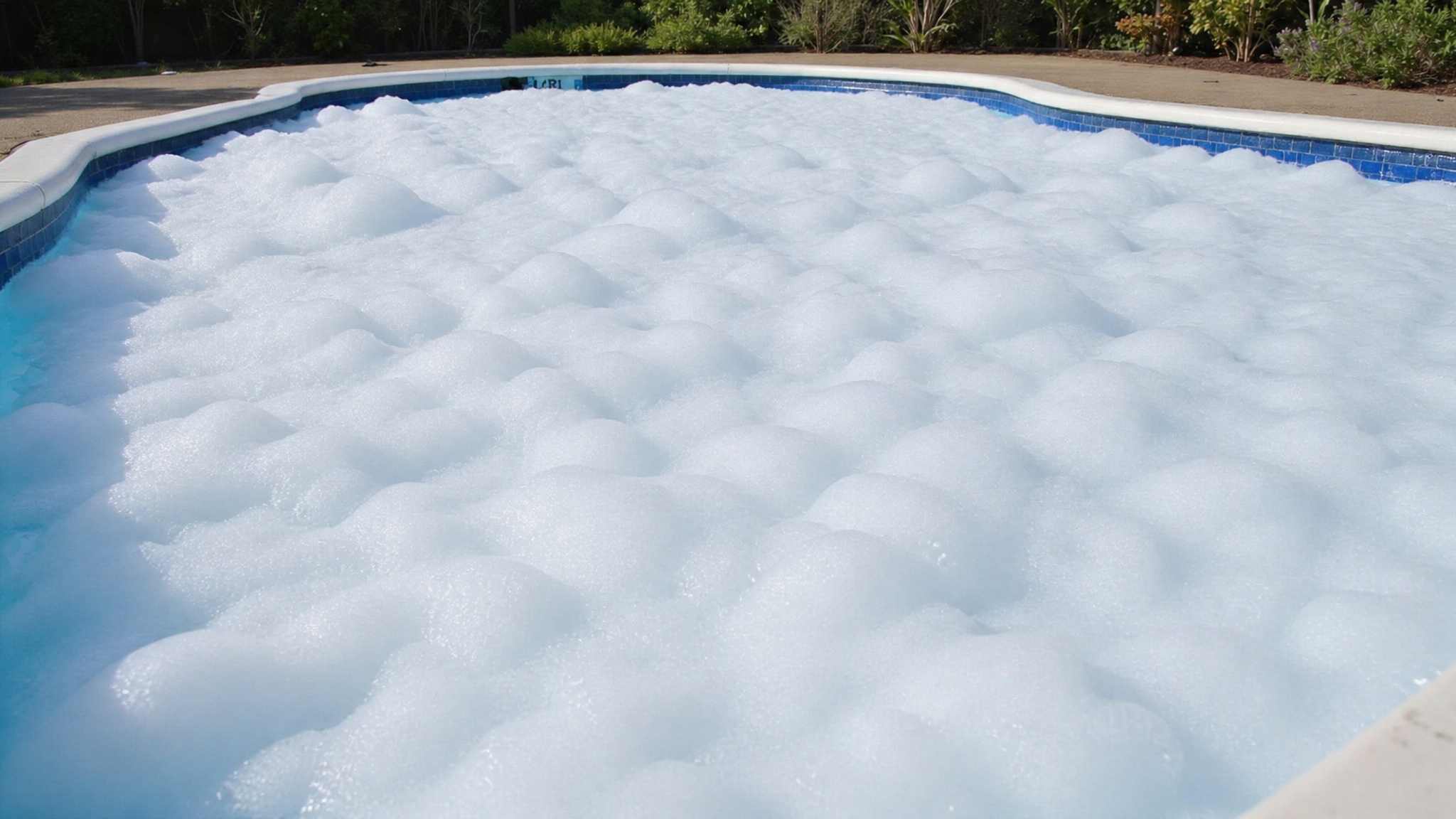
Start by skimming floating foam off the top of your swimming pool, then run circulation continuously to disperse remaining bubbles. Inspect and clean your filtration system to strip out accumulated oils and residue. Test your water and correct the balance, targeting pH 7.2 to 7.6 with adequate alkalinity and calcium hardness. Stop adding algaecides or additives until you’ve confirmed the source. These steps clear it fast, but understanding what’s driving your foam helps you stop it for good.
Key Takeaways
- Skim the heavy foam off the surface first, then run circulation continuously to disperse remaining bubbles.
- Inspect and clean the filtration system to remove accumulated oils and residue causing foam.
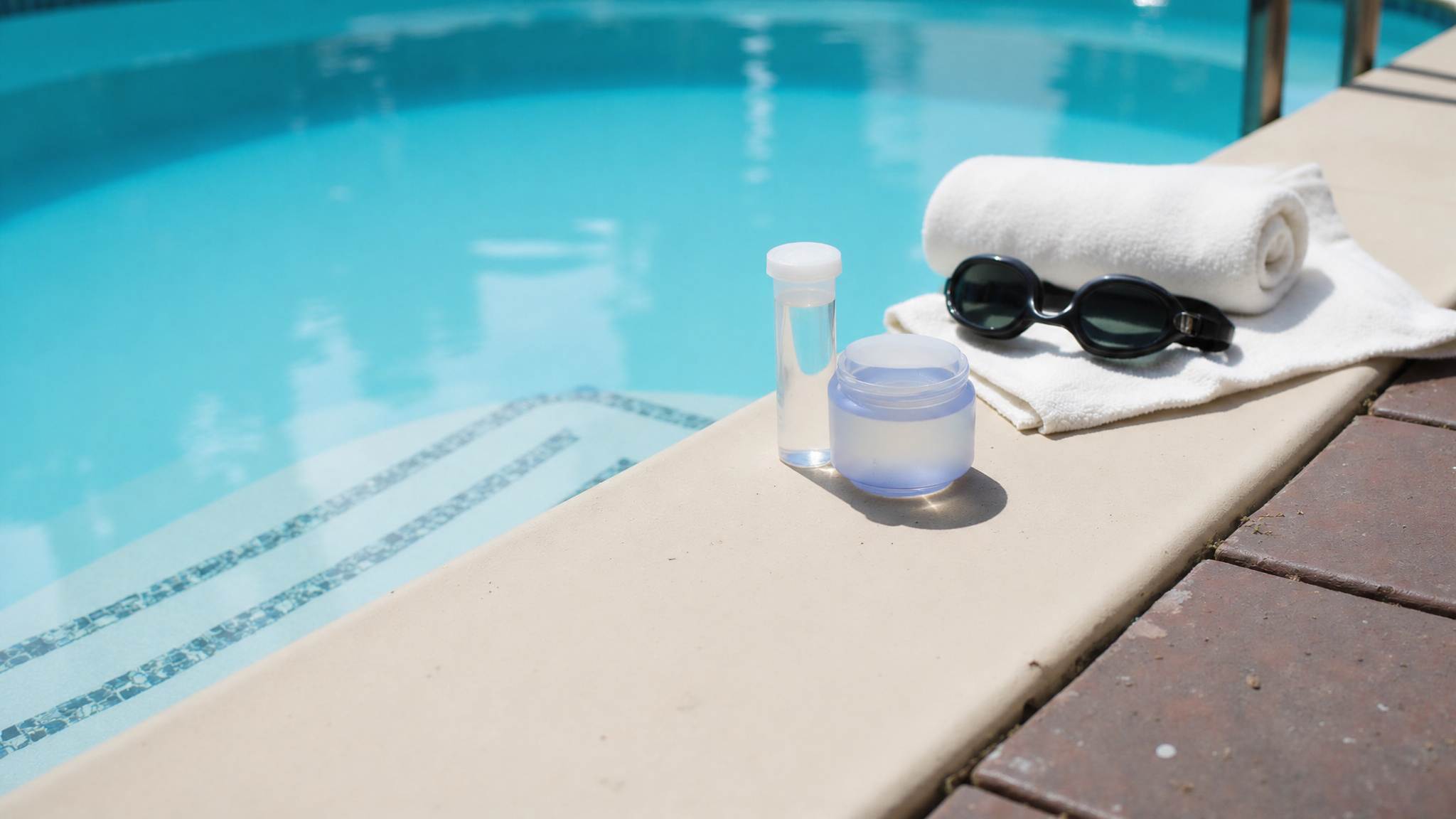
- Test and correct water balance, targeting pH 7.2 to 7.6, proper alkalinity, and adequate calcium hardness.
- Stop adding algaecides or additives until the foam’s source is confirmed, since quat overdosing commonly triggers foam.
- Require pre-swim showers and rinse swimsuits to eliminate surfactants, and consider partial water replacement for high TDS.
What causes foam in a swimming pool
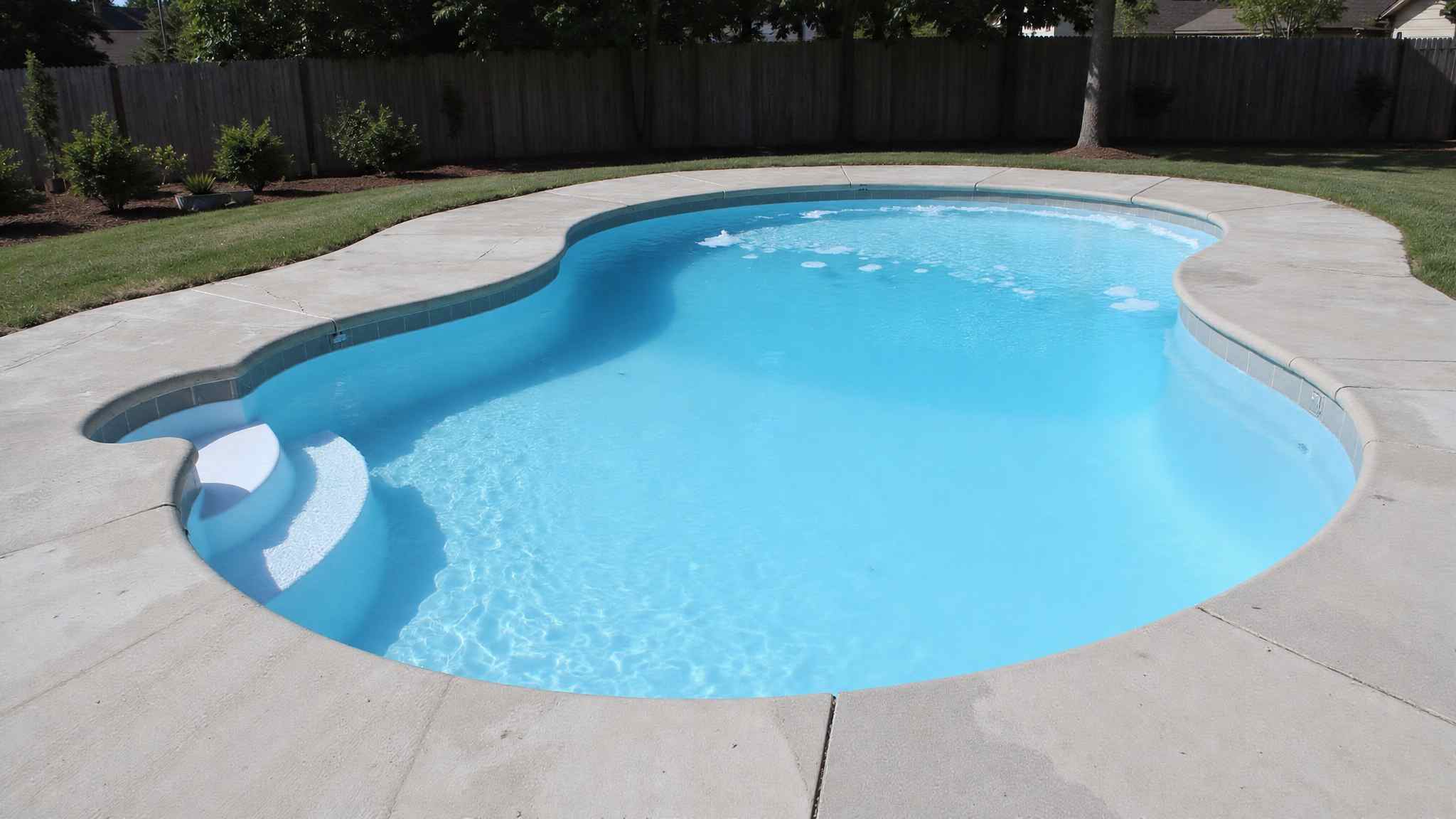
Foam in a swimming pool is usually caused by surfactants, compounds that lower water’s surface tension and let bubbles persist instead of popping. When jets, swimmers, or cleaners agitate treated water, these compounds stabilize the foam.
Surfactants lower water’s surface tension, letting bubbles persist and stabilize into foam whenever treated pool water is agitated.
You’ll typically trace surfactants to body oils, lotions, cosmetics, shampoo, sunscreen, and detergent residue left on swimsuits. Each bather introduces more, so foaming often worsens as the season progresses and total dissolved solids climb.
Chemical triggers matter too. Quaternary ammonium algaecides are frequent culprits, especially when you overdose them. Watch for foam appearing right after you add these products.
Finally, low calcium hardness, poor water balance, and air entering the plumbing can all contribute, compounding the surfactant-driven foaming you’re seeing.
How do you get rid of foam in a swimming pool
Skim the foam off the surface to clear the bulk before you treat the water. Next, run circulation continuously for a short period to disperse residual bubbles and drive contaminants toward the filter. Inspect and clean your filtration system, rinsing out oils, debris, or chemical residue that impair performance. Then test and correct water balance: hold pH between 7.2 and 7.6, restore low calcium hardness, and verify sanitizer levels. Stop adding algaecides or other additives until you’ve confirmed the source, since quat-based products can worsen foaming when overdosed. If high total dissolved solids persist, improve filtration, dilute, or partially replace the water. Methodical correction of chemistry and circulation eliminates foam-producing conditions at the root.
How do chemicals and low calcium contribute to foaming
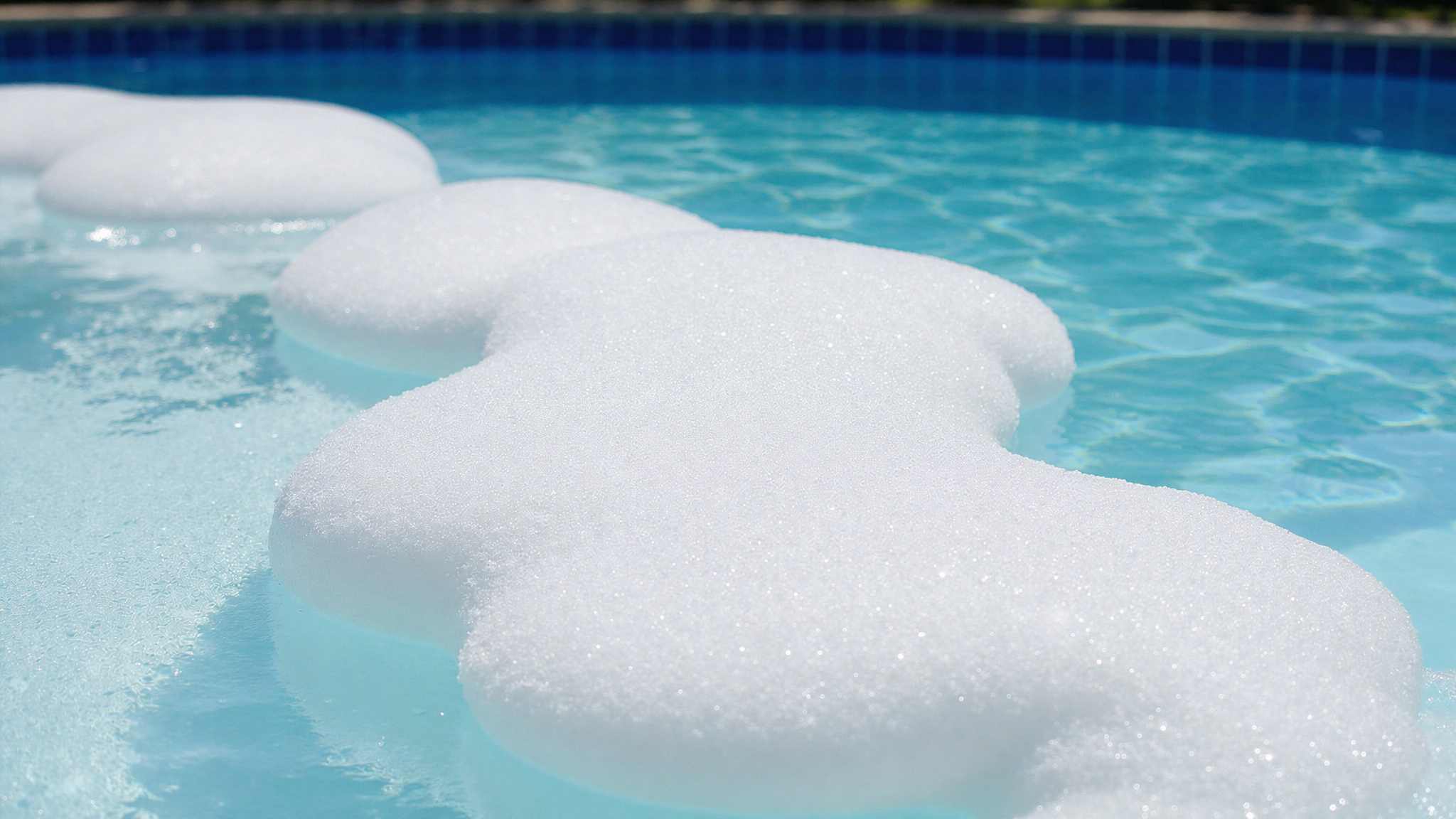
Chemicals and low calcium drive foam by lowering water’s surface tension and destabilizing water balance. Certain chemicals lower water’s surface tension, letting bubbles from jets or swimmers persist as pool foam. Quaternary ammonium algaecides are a frequent trigger, especially when you overdose them, so you should reduce excessive quat products if foaming started after algaecide use. Accumulated bather waste raises total dissolved solids, which worsens foaming as the season progresses.
Low calcium hardness contributes independently. When you run soft water, insufficient calcium destabilizes water balance and promotes foam-producing buildup, so you’ll want to correct hardness into the recommended range.
Treat the underlying chemistry first, not just the symptom. A defoamer can suppress visible foam temporarily, but it won’t fix low calcium, overdosed chemicals, or elevated dissolved solids driving the problem.
How do lotions and contaminants create pool foam
Lotions and contaminants create pool foam by acting as surfactants that lower your water’s surface tension. Body oils, lotions, cosmetics, shampoo, sunscreen, and detergent residue reduce surface tension, and when it drops, bubbles generated by jets, swimmers, or cleaners can’t collapse quickly, so they persist and accumulate as heavy foam.
You’ll notice this effect intensifies right after swimmers enter, since body-care products wash directly off skin and hair into the water. Detergent residue clinging to swimsuits adds more surfactant with each swim.
As the season progresses, these contaminants build up, raising total dissolved solids and organic load. Higher concentrations mean more persistent foaming, even after circulation runs. If your filtration can’t remove accumulated oils fast enough, the surfactant level stays elevated, and foam keeps returning until you eliminate the contaminant source.
Which foam-removal methods work best
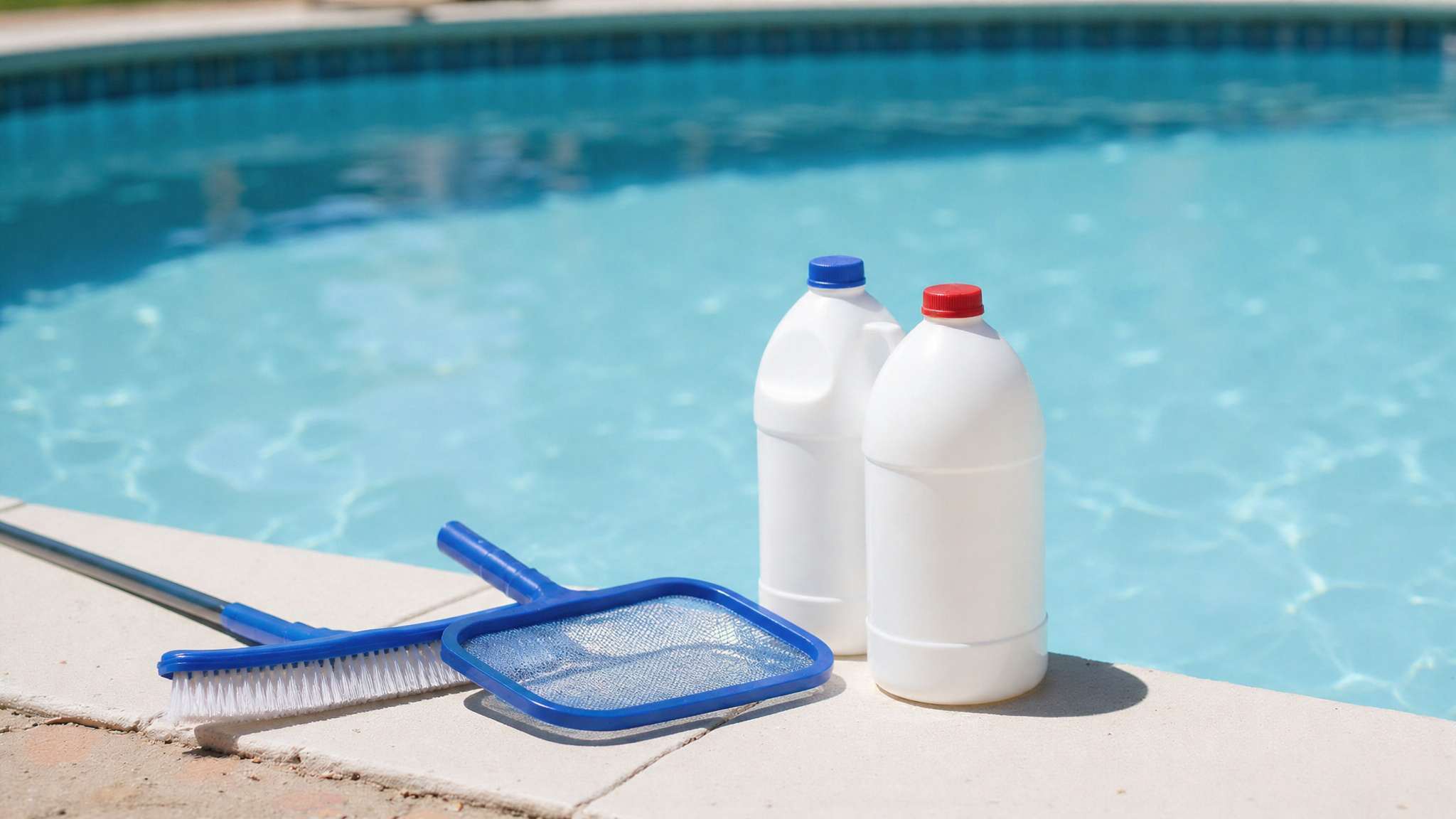
The fastest, most direct foam-removal method is skimming the visible buildup off the surface before you do anything else. Next, run circulation continuously to disperse bubbles and drive contaminants toward the filter. Inspect and clean the filter if oils, debris, or chemical residue are present, since clogged media let foam recur. Then test water chemistry and correct pH, alkalinity, calcium hardness, and sanitizer before adding anything new.
| Method | Purpose |
|---|---|
| Skim surface | Remove visible foam immediately |
| Run circulation | Move contaminants to filter |
| Clean filter | Clear oils and residue |
| Correct chemistry | Restore balance and sanitizer |
Hold off on algaecides until you’ve identified the source, preventing further surfactant loading and repeated foaming.
How do you prevent foam from returning to your pool
Prevent foam from returning by eliminating its source, which usually persists in your water or plumbing. Start by requiring swimmers to shower before entering, removing lotions, oils, sunscreen, and soap residues that lower surface tension. Keep laundry detergent out of the pool by rinsing swimsuits and towels thoroughly. Maintain your filtration and cleaning schedule so oils and organic matter don’t accumulate in the system. Dose all chemicals at labeled rates, especially quaternary ammonium algaecides, since overdosing reintroduces surfactants directly. Monitor water balance routinely, holding pH between 7.2 and 7.6, correcting low calcium hardness, and sustaining adequate sanitizer levels. When bather load runs high, increase run time and consider partial dilution to control total dissolved solids before foam redevelops.
Conclusion
Heavy foam floating on your pool usually points to something in the water creating surface tension, from lotions, oils, and soaps to low calcium hardness or leftover chemical residues. Identifying the source, balancing your water, and sometimes adding a defoamer while you correct the chemistry clears it up. Keeping your water balanced prevents foam from coming back. When you are ready for a pool designed to make clean, balanced water easy, Cristallo Pools designs and builds custom inground gunite pools crafted for lasting quality.
Build a Pool Made for Perfect Water Chemistry
Water chemistry challenges are far easier to manage with a professionally built pool designed for balanced systems. At Cristallo Pools in Palm Beach Gardens, FL, our experienced team provides trusted New Pool Construction with expert equipment and lasting craftsmanship. Call +1 (561) 766-0353 today and start building your backyard escape.
Frequently Asked Questions
Is Pool Foam Harmful to Swimmers or Their Health?
Pool foam itself isn’t typically harmful to your health, but it signals underlying water quality issues you’ll want to address. The foam usually indicates elevated surfactants, body oils, or high total dissolved solids, which can coincide with insufficient sanitizer and increased organic load. That combination may compromise disinfection, so you’re facing indirect risks. Test your water chemistry, restore proper sanitizer levels, and correct any contamination sources you identify promptly.
Can I Use a Household Anti-Foam Product in My Pool?
You shouldn’t use household anti-foam products, since they aren’t formulated for pool water and can introduce incompatible chemicals. Instead, use a pool-specific defoamer designed for chlorine or biguanide systems. Defoamers only mask the symptom, they won’t remove the surfactants causing the foam. You’ll get better results by skimming, cleaning your filter, testing and correcting your water balance, and identifying the actual source, such as body oils or overdosed algaecide.
How Long Does It Take for Foam to Disappear?
Foam clears at different rates depending on its cause. If it’s simple aeration, you’ll see it disperse within minutes once you run circulation continuously. Surfactant-based foam takes longer, often hours or days, because you’ll need to skim the surface, clean the filter, and correct your water chemistry first. If it’s chemistry-related, don’t expect quick results until you’ve balanced pH, restored calcium hardness, and reduced any overdosed algaecide causing the persistent buildup.
Does Hot Weather or High Temperature Increase Pool Foaming?
Hot weather doesn’t directly cause foam, but it can worsen it indirectly. Higher temperatures increase swimmer activity, sweating, and sunscreen or lotion use, adding more surfactants to your water. Warmer conditions also accelerate evaporation, concentrating total dissolved solids and bather waste that promote foaming. Heat can speed algae growth too, prompting more algaecide use. You’ll want to monitor water balance closely, maintain filtration, and enforce pre-swim showers during peak temperatures.
Will Shocking the Pool Help Eliminate the Foam?
Shocking can help if a high organic load or insufficient sanitizer is driving the foam, since restoring proper disinfection breaks down foam-producing contaminants. However, it won’t directly remove surfactants from lotions, detergents, or quat-based algaecides. You’ll want to skim the visible foam, run circulation continuously, and clean your filter first. Then test and correct your chemistry. If foaming started after algaecide use, reduce that product rather than relying on shock.