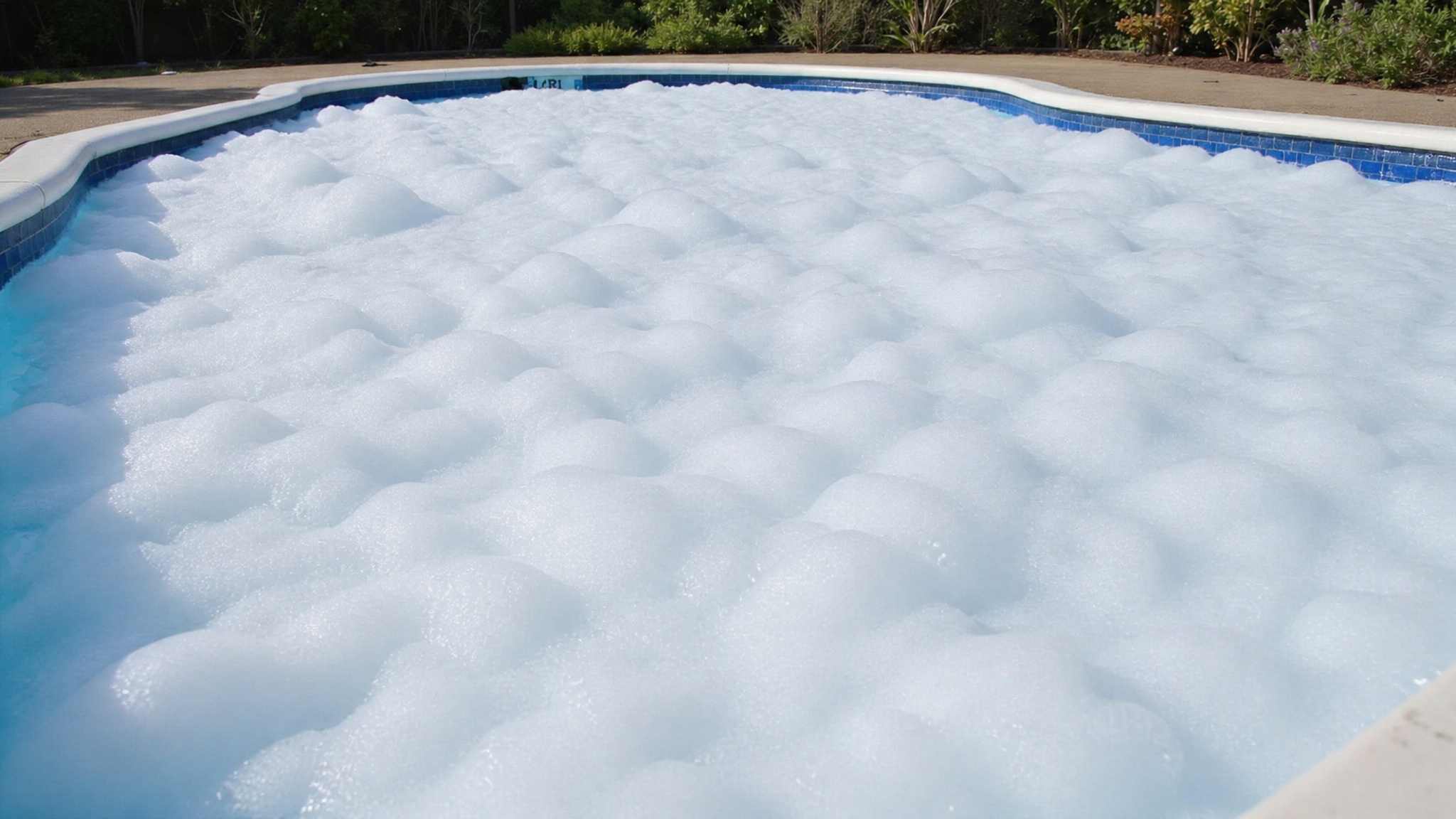

Your eyes sting after long swims because of chloramines, not chlorine itself. These form when chlorine reacts with sweat, urine, sunscreen, and skin cells. Chloramines strip away your protective tear film and directly irritate your cornea and conjunctiva. Poor pH makes it worse, out-of-range water destabilizes your tear film and increases chloramine production. Longer swims intensify this chemical irritation. Fortunately, you can flush, soothe, and prevent this discomfort with a few evidence-based strategies below.
Key Takeaways
- Chloramines, formed when chlorine reacts with sweat, urine, and sunscreen, become airborne and strip your tear film, causing stinging eyes.
- Improper pool pH outside the ideal 7.2 to 7.8 range destabilizes your tear film and irritates the cornea and conjunctiva.
- Longer swims intensify irritation because ongoing chemical exposure continuously disrupts the protective tear film on your eyes.
- After swimming, rinse eyes with saline, apply preservative-free artificial tears, use a cool compress, and avoid rubbing your eyes.
- Prevent stinging by wearing well-sealed swim goggles, showering before and after swimming, and never urinating in the pool.
Why do my eyes sting in a swimming pool
Your eyes sting in a swimming pool because of chloramines, not chlorine alone. These compounds form when chlorine reacts with sweat, urine, dirt, skin cells, sunscreen, and deodorant that swimmers bring into the water. Chloramines can become airborne and irritate both your eyes and lungs, producing that classic pool smell alongside the burning you feel.
Chlorine also strips away part of your tear film, the protective layer covering your eye’s surface. Once that film’s disrupted, you’ll experience burning, grittiness, redness, and watering. Poor pH balance makes things worse, turning the water harsher on your corneas and conjunctiva. When pH drifts outside the ideal range, eye irritation intensifies, explaining why longer swims leave your eyes stinging so badly.
How do chloramines cause eye irritation
Chloramines irritate your eyes through two distinct mechanisms working in tandem. First, chloramines form when chlorine reacts with organic matter you and other swimmers introduce, including sweat, urine, skin cells, and cosmetics. These compounds volatilize into airborne gas that directly irritates your ocular surface, inflaming the cornea and conjunctiva. Second, chloramines and chlorine strip away your tear film, the protective layer coating your eye. Once that barrier’s compromised, your exposed tissues burn, sting, and water.
Poor water balance amplifies both effects. When pH drifts outside the ideal range, the water becomes harsher, intensifying chemical irritation. Elevated combined chlorine, the measurable chloramine fraction, correlates directly with the discomfort you feel. So your stinging isn’t random. It reflects specific water-chemistry conditions producing measurable, physiologically damaging irritants.
How does pool pH affect eye stinging
Pool pH directly determines how harshly the water interacts with your ocular surface. Your tear film maintains a pH near 7.4, so when pool water drifts outside the ideal 7.2 to 7.8 range, the mismatch destabilizes that protective layer and irritates the cornea and conjunctiva. Water that’s too acidic or too alkaline strips your tear film faster, leaving your eyes exposed to burning and stinging. Improper pH also reduces chlorine’s disinfection efficiency, letting chloramines accumulate and compound the irritation you feel. When pH climbs too high, chlorine becomes less effective, so contaminants persist longer. When it drops too low, the water itself turns harsher on your eyes. Keeping pH balanced protects both your tear film and the pool’s sanitizing capacity.
How do you relieve stinging eyes after swimming
Rinse your eyes with clean, fresh water or sterile saline to flush out residual chloramines and chlorine clinging to the surface. This dilutes irritants and clears debris from the cornea and conjunctiva. Apply preservative-free artificial tears to restore the disrupted tear film, which lubricates the ocular surface and eases burning, grittiness, and redness. A cool compress can reduce inflammation and reflex tearing. Avoid rubbing, since friction worsens surface irritation and can abrade the cornea. If you wear contact lenses, remove them immediately to limit trapped contaminants. Also rinse your eyelids and lashes to eliminate residual chemicals. Most irritation resolves within an hour. If symptoms persist or worsen, seek prompt medical evaluation.
How do balanced water levels compare for eye comfort
Balanced water levels keep eyes more comfortable than imbalanced chemistry, consistently minimizing eye irritation. Keeping pH within the ideal swimming range makes pool water gentler on your tear film and exposed corneal and conjunctival tissues. When pH drifts outside that range, the water turns harsher, and combined chlorine (chloramines) climbs, intensifying burning and stinging.
| Water Condition | Eye Comfort Effect |
|---|---|
| Balanced pH | Minimal irritation, stable tear film |
| pH too high or low | Harsher water, increased stinging |
| Low combined chlorine | Reduced chloramine irritation |
| Elevated combined chlorine | Burning, redness, tearing |
| Heavy bather load | More organic matter, more chloramines |
You’ll notice that maintaining correct sanitizer levels and controlling contamination directly reduces the chloramine buildup driving your post-swim discomfort.
How do you protect your eyes in the pool
Protect your eyes in the pool with a physical barrier: well-fitting swim goggles. Properly sealed goggles block chloramine-laden water from reaching your cornea and conjunctiva, preventing the tear-film disruption that causes burning and stinging. Shower before you swim to rinse away sweat, dirt, and skin cells, since these organic contaminants react with chlorine to form irritating chloramines. Don’t urinate in the pool, this directly reduces chloramine production. After swimming, shower again to remove residual chemicals from your eyes, eyelids, and lashes. If you wear contact lenses, remove them before swimming or wear goggles over them, since lenses increase discomfort and contamination risk. Finally, verify the facility maintains balanced pH and sanitizer levels, because poor water chemistry makes your eyes more vulnerable even behind goggles.
Conclusion
Stinging eyes after a long swim usually come down to water chemistry, not just the chlorine itself. When chlorine combines with sweat, sunscreen, and other contaminants, it forms chloramines that irritate the eyes, and unbalanced pH makes it worse. Keeping your water properly balanced and sanitized, and wearing goggles, keeps your eyes comfortable swim after swim. When you are ready for a pool designed to make clean, balanced water simple to maintain, Cristallo Pools builds custom inground gunite pools crafted for lasting quality.
Build a Pool Made for Perfect Water Chemistry
Water chemistry challenges are far easier to manage with a professionally built pool designed for balanced systems. At Cristallo Pools in Palm Beach Gardens, FL, our experienced team provides trusted New Pool Construction with expert equipment and lasting craftsmanship. Call +1 (561) 766-0353 today and start building your backyard escape.
Frequently Asked Questions
Can I Wear Contact Lenses While Swimming in a Pool?
You shouldn’t wear contact lenses while swimming in a pool. Contact lens wear increases discomfort and contamination risk in pool water, since lenses can trap chloramines and other irritants against your cornea and conjunctiva. This heightens your chance of surface irritation and infection. If you need vision correction, you’re better off wearing well-fitting swim goggles, which block irritating pool water from your eyes and protect your tear film during lengthy swims.
Does Saltwater Pool Swimming Cause Less Eye Stinging Than Chlorine?
Saltwater pools aren’t chlorine-free, they generate chlorine through salt electrolysis, so you’re still exposed to the same disinfection byproducts. Your stinging comes largely from chloramines, which form when that chlorine reacts with sweat, urine, and skin cells. If your saltwater pool’s pH and combined chlorine aren’t properly balanced, you’ll experience similar irritation. The salt concentration is too low to matter. Wearing goggles remains your most reliable protection regardless of pool type.
How Long Should Eye Stinging Last After Swimming?
You should expect stinging to fade within minutes to a few hours after swimming, once your tear film stabilizes and residual chloramines clear. Rinsing your eyes and showering afterward speeds recovery. If you’re experiencing redness, pain, or tearing that persists beyond a day, or you notice discharge, vision changes, or marked light sensitivity, don’t assume it’s ordinary irritation, seek medical evaluation, since these signs can point to something more serious.
Are Children’s Eyes More Sensitive to Pool Water Than Adults’?
Yes, children’s eyes can be more sensitive to pool water than adults’. Kids often spend more time underwater with their eyes open, and their eyes and skin are more delicate, so irritation from chlorine, chloramines, and unbalanced water tends to affect them more quickly. Well-balanced water and swim goggles go a long way toward preventing red, stinging eyes. If your child’s eyes stay irritated after swimming, check the pool’s chemistry and have persistent symptoms looked at by a doctor.
Can Ocean or Lake Swimming Also Cause Eye Stinging?
Yes, ocean or lake swimming can also sting your eyes, though the mechanisms differ from pool water. Saltwater disrupts your tear film through osmotic imbalance, drawing moisture from your eye’s surface and leaving it irritated. Lakes can carry bacteria, algae, and organic contaminants that trigger surface inflammation. You won’t encounter chloramines, but you’re still exposing your cornea and conjunctiva to irritants. Wearing well-fitting goggles helps protect you in any water.