Your pool turned green because winter shut down circulation, letting algae multiply in stagnant, unsanitized water. To bring it back, remove the cover and skim debris, then vacuum and brush walls, floor, and corners aggressively. Test your chemistry and adjust pH to 7.2 to 7.4 first. Shock with liquid chlorine at night, and filter continuously until the water clears. Expect two days to a week. Keep going to learn each step in detail.
Key Takeaways
- Remove the cover, skim surface debris, then brush and vacuum walls, floor, steps, and corners aggressively.
- Test free chlorine, combined chlorine, pH, alkalinity, and cyanuric acid to guide balancing and shock dosing.
- Adjust pH to 7.2 to 7.4 and alkalinity to 80 to 120 ppm before adding any sanitizer.
- Shock with liquid chlorine at night, maintaining shock levels until algae dies and water clears.
- Run filtration continuously, backwash often, brush daily, and expect clearing within 2 days to 1 week.
Why does a pool turn green over winter
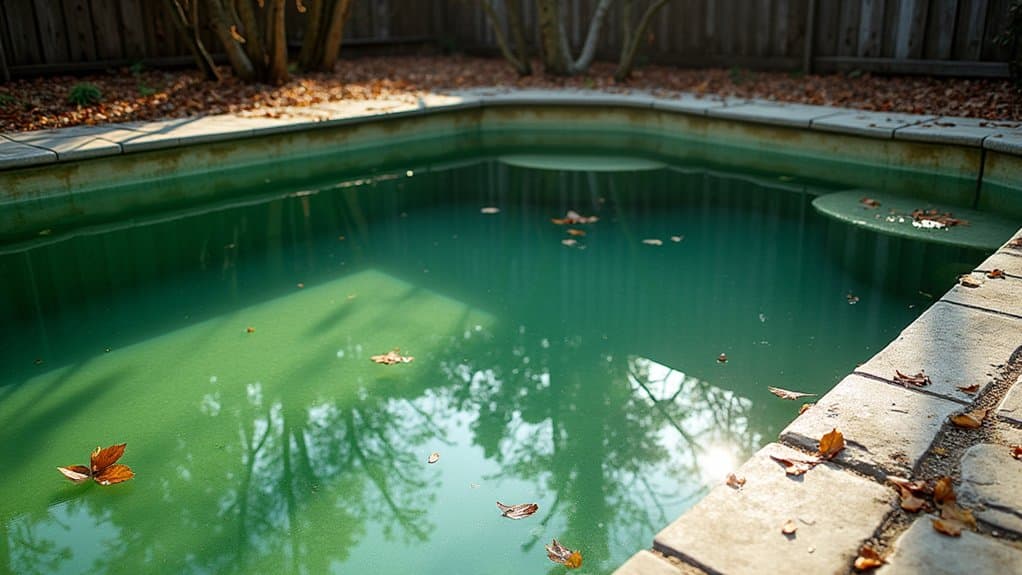
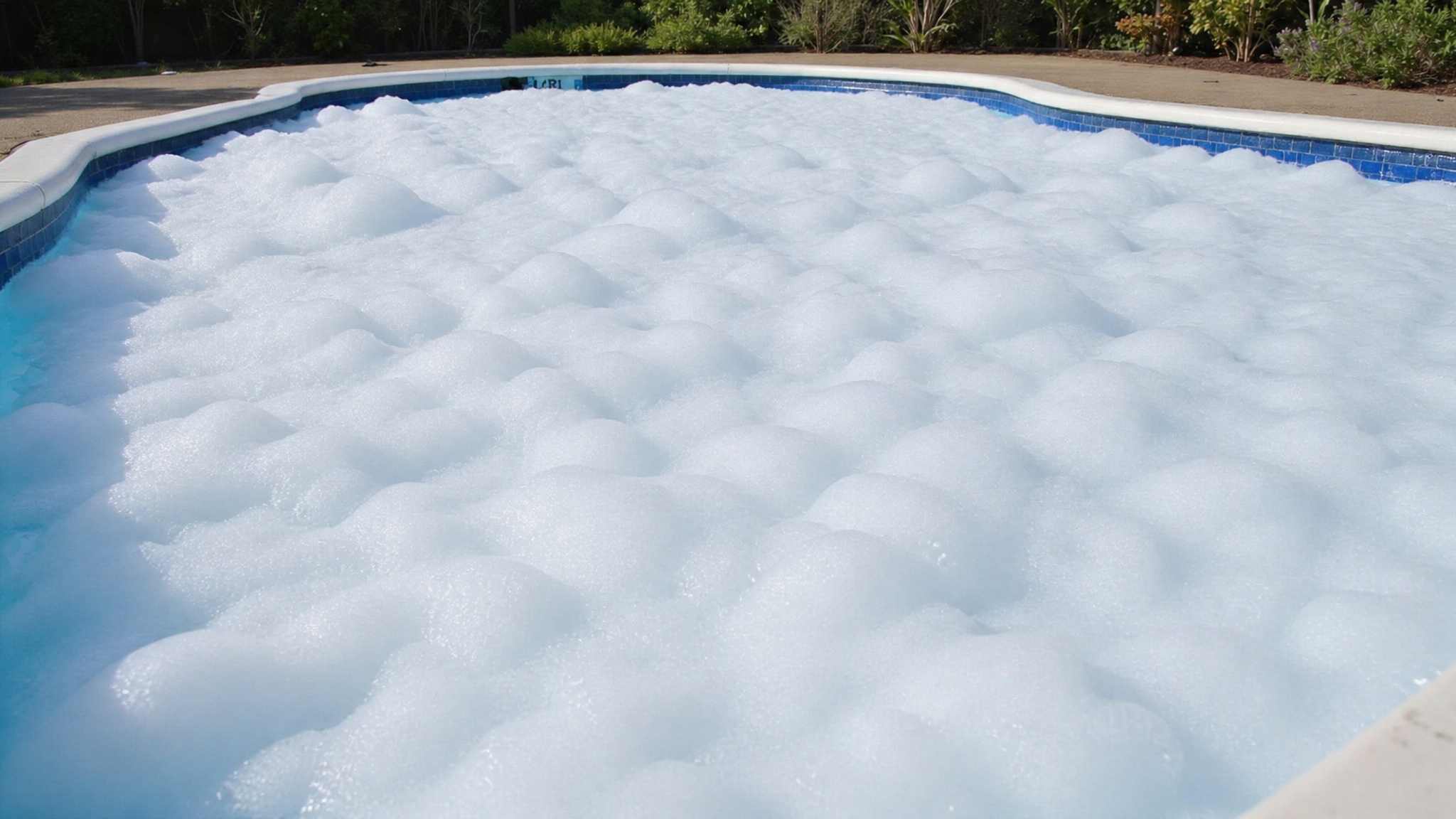
A pool turns green over winter because circulation stops, water chemistry drifts out of balance, and organic debris accumulates. When you cover the pool and shut down the pump, low circulation lets water sit stagnant, creating ideal conditions for algae growth. Without moving water, sanitizer can’t distribute, and untreated pockets form throughout the pool.
A water chemistry imbalance accelerates the decline. Chlorine degrades over months, pH and alkalinity drift out of range, and cyanuric acid levels shift, so any remaining sanitizer loses effectiveness. As chlorine drops, algae spores take hold and multiply rapidly.
Organic debris compounds the issue. Leaves, twigs, and dirt slip past the cover, feeding algae and consuming residual chlorine. Combine stagnant water, weak chemistry, and organic load, and you get green water by spring.
How do you clean a green pool after winter step by step
Clean a green pool after winter by assessing conditions: remove the cover, clear debris, skim the surface, and vacuum settled material. Brush walls, floor, steps, and corners aggressively to break up algae biofilm. Next, test free chlorine, combined chlorine, pH, alkalinity, and cyanuric acid. Adjust pH to 7.2 to 7.4 and alkalinity to 80 to 120 ppm before treatment. Then shock the pool, using liquid chlorine at night for fast dispersal, and maintain shock-level chlorine until algae dies. Run filtration continuously, backwashing frequently since dead algae clogs the filter quickly. Brush and vacuum every day or two, targeting shaded corners and seams. Repeat until the water clears, then confirm combined chlorine stays below 0.5 ppm before restoring normal operating levels.
How do you test and balance the water first
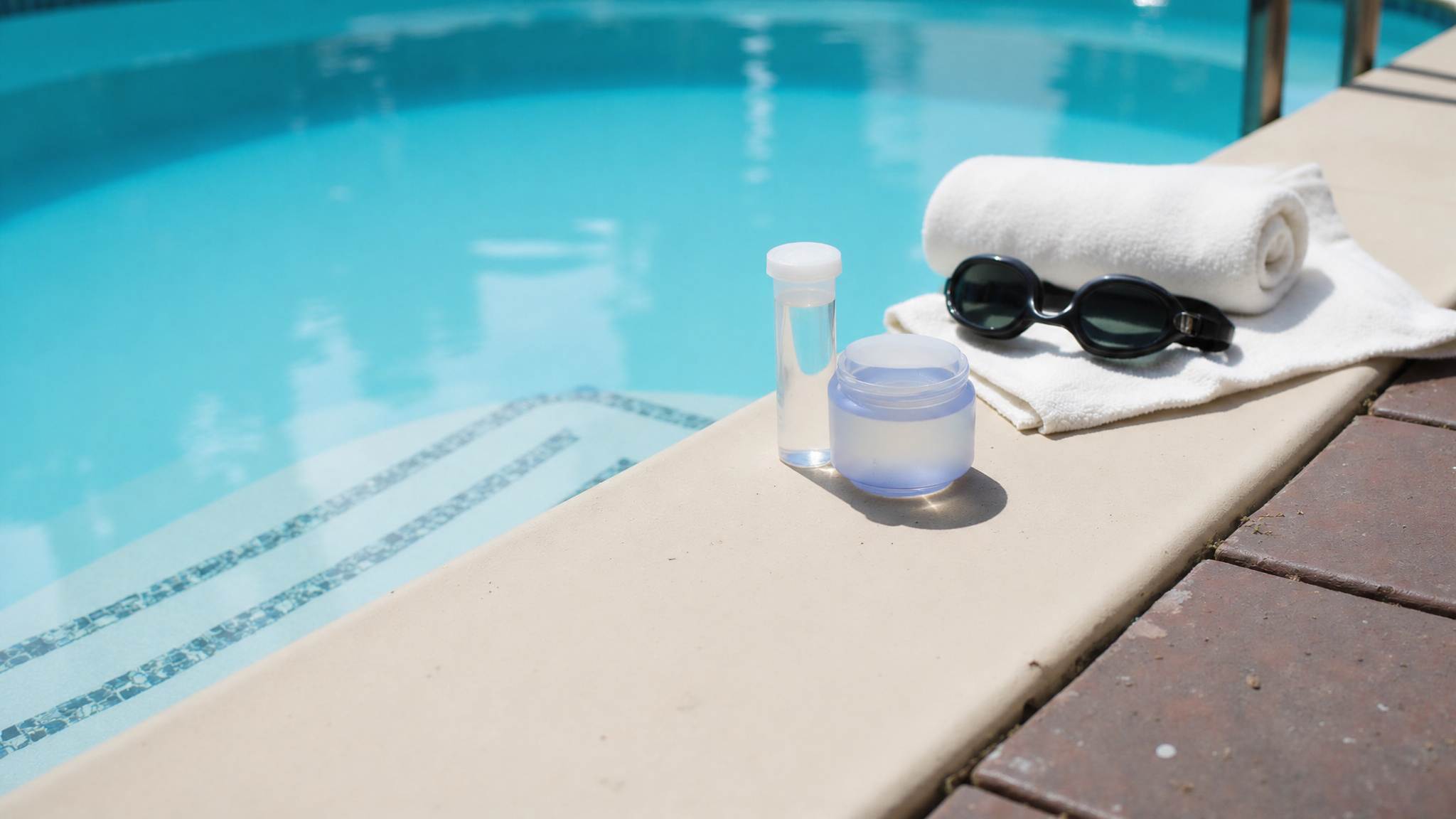
Test the water so you know what you’re actually correcting before you add any shock. Measure free chlorine, combined chlorine, pH, total alkalinity, and cyanuric acid before shocking, since each one affects how effectively chlorine kills algae. Adjust pH to about 7.2 to 7.4 first, because chlorine works far more efficiently in that range. Keep total alkalinity between 80 and 120 ppm to stabilize your pH and prevent swings during treatment. Check cyanuric acid too, since it determines your required shock target and influences chlorine’s strength. Correct any major imbalance before you add sanitizer, or you’ll waste chemicals and get poor results. Getting these numbers right during spring cleaning sets up the shock step to clear your green water quickly.
How much shock and algaecide does a green pool need
A green pool needs a stronger shock dose than a lightly cloudy one, so plan on going well above a standard opening treatment. Use a chlorine shock and reach for liquid chlorine, since it disperses quickly and clears fast. Add it in the evening to limit sunlight loss, then hold shock-level chlorine until the water clears and the algae is fully dead. Your exact dose depends on severity and cyanuric acid.
| Water Condition | Shock Intensity |
|---|---|
| Light cloudiness | Standard opening dose |
| Slight green tint | Elevated dose |
| Full green pool | Strong, sustained dose |
| Dark or swampy | Maximum, repeated dosing |
Add algaecide only after chlorine drops, since high chlorine deactivates most algaecides and wastes product.
How do you filter and vacuum out the algae
To filter and vacuum out the algae, move the dead material out of the water through continuous filtration and repeated manual cleaning. Keep the pump running continuously so water cycles through the filter and distributes sanitizer, preventing untreated pockets. Backwash or clean the filter frequently, because dead algae clogs filtration quickly and reduces flow. Brush all surfaces every day or every other day to keep settled algae suspended and exposed to chlorine, focusing on corners, stairs, seams, and shaded areas where it persists. After brushing, vacuum the settled material directly out to remove it from the pool. Re-test the water daily so chlorine and pH stay effective. Continue filtering, brushing, and vacuuming until the water clears and no visible debris remains.
How long does it take to clear a green pool
Clearing a green pool typically takes anywhere from two days to a full week, depending on how severe the algae bloom is. A lightly cloudy pool often clears in two to three days, while a deep green pool with heavy biofilm can take five to seven days or longer.
Your timeline depends on several factors: how consistently you maintain shock-level chlorine, how often you brush and vacuum, and how continuously your filtration runs. Neglecting any step extends recovery.
Re-test daily and keep chlorine in the effective range until the water clears. Backwash frequently, since dead algae clogs the filter fast. Once the water’s visibly clear and combined chlorine drops below 0.5 ppm, you’ve completed the cleanup.
Conclusion
Bringing a green pool back to life after winter takes a clear plan: test and balance the water, shock it to kill algae, brush and vacuum thoroughly, and run the filter until the water turns clear again. With patience and steady effort, even a badly neglected pool can be restored to swim-ready condition. Staying on top of maintenance makes each new season far easier to start. When you are ready for a pool built for easy, reliable care, Cristallo Pools designs and builds custom inground gunite pools crafted for lasting quality.
Build an Inground Pool Made for Easy Care
Cleaning routines and seasonal maintenance are far easier with a professionally built inground pool from an experienced team. At Cristallo Pools in Palm Beach Gardens, FL, our experienced team provides trusted New Pool Construction with expert craftsmanship and lasting materials. Call +1 (561) 766-0353 today and start building your backyard escape.
Frequently Asked Questions
Is It Safe to Swim While the Pool Is Still Recovering?
No, you shouldn’t swim while the pool’s still recovering. Shock-level chlorine is unsafe for skin, eyes, and lungs, and the water’s chemistry hasn’t stabilized yet. Wait until the water’s visibly clear, combined chlorine drops below 0.5 ppm, and pH, alkalinity, and stabilizer return to normal operating levels. Only then can you confirm the algae’s dead and contaminants are gone. Once you’ve verified those readings, it’s safe to enter.
Can I Drain and Refill Instead of Treating a Green Pool?
You can, but it’s rarely your best option. Draining risks structural damage, since empty pools can float or crack under groundwater pressure, and refilling wastes water and money. Instead, follow the recovery process: brush surfaces, balance chemistry to pH 7.2-7.4, shock with chlorine, and run filtration continuously. This treats the algae effectively without the hydrostatic risks. If you must drain, consult a professional first to protect your pool’s shell.
Do I Need to Replace Pool Equipment Damaged Over Winter?
You’ll know once you inspect the system. Before starting circulation, check the water level, pump, skimmer baskets, and return fittings for cracks, wear, or freeze damage. Clean the filter early if winter debris or old algae is trapped inside. If components still function properly, you won’t need replacements, just cleaning and priming. Replace only parts that show clear damage or fail during testing, then restore circulation to begin your green-water recovery.
Will Green Algae Stain My Pool Surfaces Permanently?
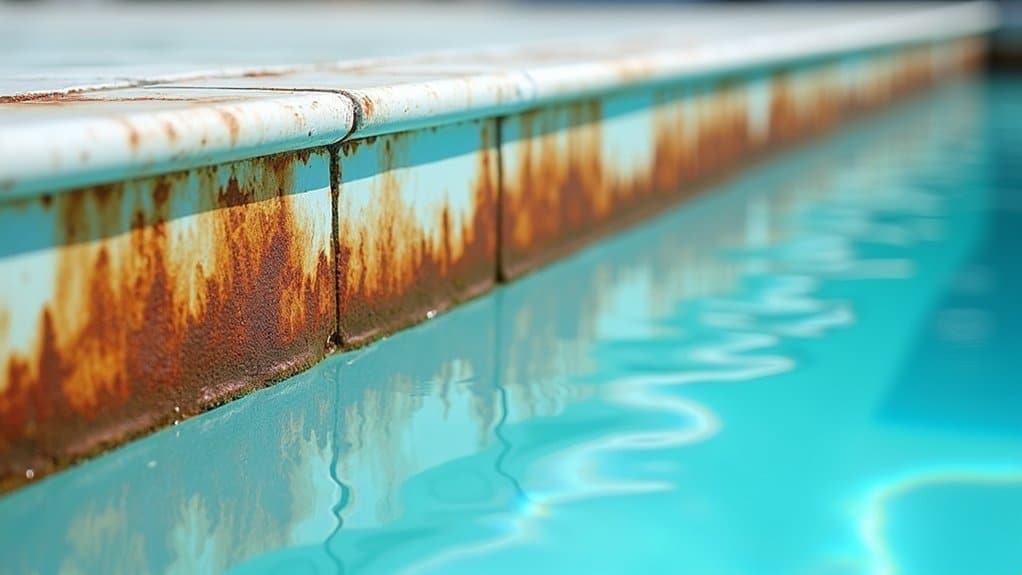
Green algae won’t usually stain your surfaces permanently if you act methodically. You’ll break up the biofilm by brushing walls, floor, steps, and corners aggressively, then vacuum the dead material. Maintain shock-level chlorine until the algae’s fully dead, and repeat brushing and vacuuming until no green film remains. Persistent discoloration typically signals embedded organic residue or metal staining, not the algae itself, so you’ll target those separately with appropriate treatment.
How Much Does It Cost to Fix a Green Pool?
Your costs depend on chemical volume and algae severity, so exact figures aren’t in the provided procedure. You’ll spend mainly on chlorine shock, since green pools need stronger doses than cloudy ones, liquid chlorine’s your fastest option. Add pH, alkalinity, and stabilizer adjusters for balancing. Factor in continuous pump runtime and frequent filter backwashing. Manual brushing and vacuuming keep labor costs low if you’re doing it yourself, reducing professional service expenses.