Your gunite pool’s cost hinges on square footage, depth, and excavation. You’ll pay $100 to $280 per square foot, with a typical 550-square-foot pool as your baseline. Deeper builds demand more gunite, rebar, and plaster, while excavation remains the single biggest driver. Unique shapes, premium finishes, and custom features like spas or waterfalls push your total higher. Site conditions and permits add variable costs too. Understanding how these factors stack up changes everything.
Key Takeaways
- Total square footage and unique shapes drive material volume and precise construction labor, with prices ranging $100 to $280 per square foot.
- Increased depth raises gunite, rebar, plaster, and excavation needs while boosting long-term heating and chemical demands.
- Interior finish choice matters, as premium options like pebble or glass tile can push projects past $200,000.
- Custom features like underwater lighting, waterfalls, spas, and tanning ledges each add thousands to the base price.
- Excavation is the single biggest cost driver, with site work adding $10,000 to $20,000 and permits $1,000 to $3,000.
What drives the cost of a gunite pool

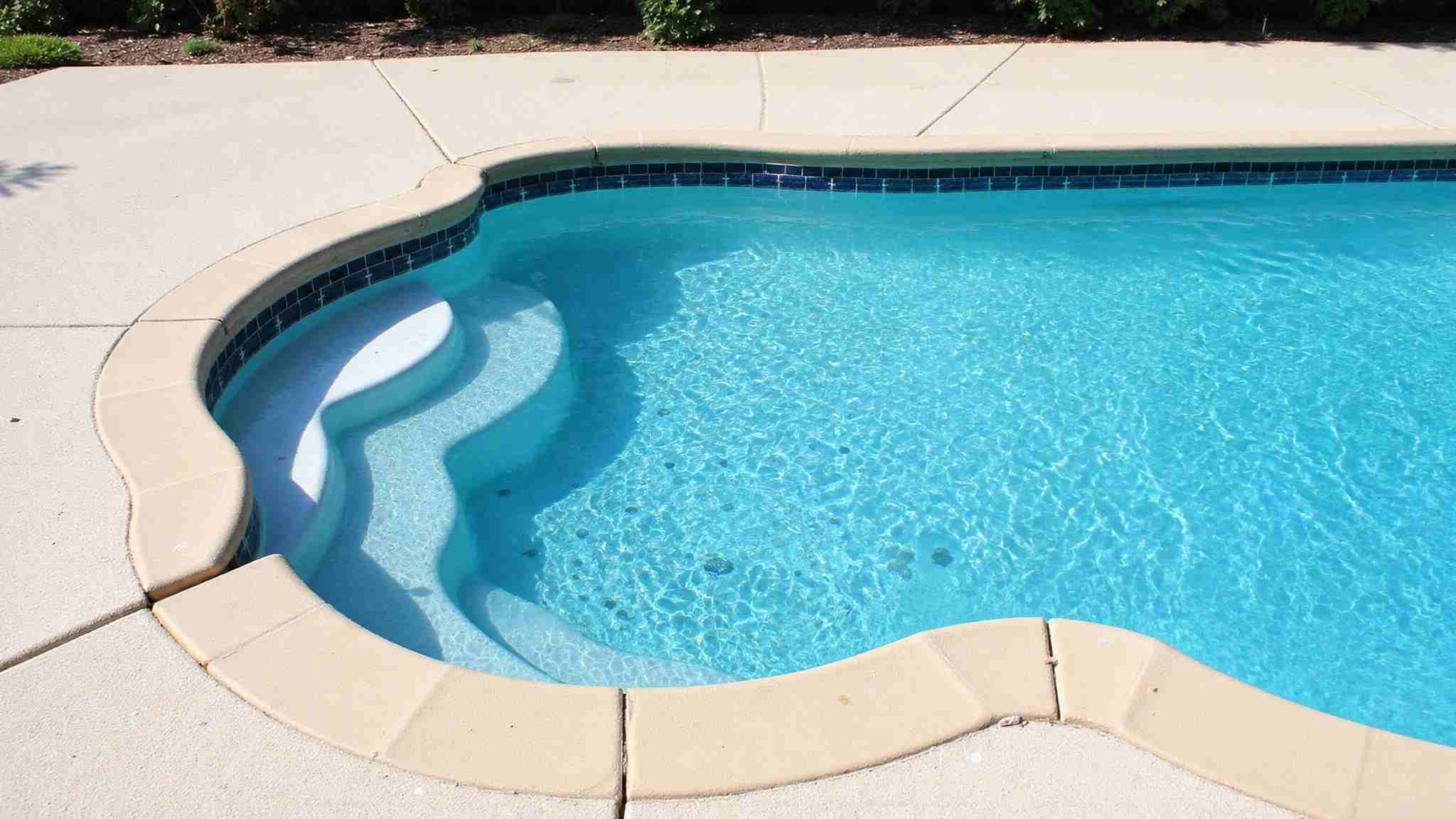
Size and shape drive the cost of a gunite pool more than any other factor. Total square footage directly correlates with material volume and labor hours, and the average in-ground pool spans 550 square feet, running $100 to $280 per square foot. Among the gunite pool cost factors, unique geometries like L-shapes or kidney designs drive up precise construction labor. Understanding what affects pool price means accounting for excavation, site conditions, and structural materials. Steel rebar and shotcrete shell alone cost $4,000 to $8,000. Equipment sets, including pumps, filters, and heaters, add another major line item. Interior finishes and pool features cost thousands more, with add-ons like waterfalls, tanning ledges, and integrated spas pushing your budget higher.
How does pool size and depth affect cost
Pool size and depth affect cost by directly increasing material volume, labor hours, and water volume. The square footage of your pool sets the baseline for nearly every downstream cost. Total area directly correlates with material volume and labor hours. An average in-ground pool spans 550 square feet, and you’ll pay between $100 and $280 per square foot depending on scope. Larger footprints demand more excavation, increased material usage, and higher water volume, which compounds your pool budget quickly.
Depth matters just as much. Deeper pools require additional gunite, rebar, and plaster, plus expanded excavation to reach the required grade. Increased water volume also raises your long-term heating and chemical demands. Unique shapes such as L-shapes or kidney designs add precise construction labor costs. Every added foot of dimension multiplies material and equipment expenses across the entire build.
How do finishes and tile affect cost
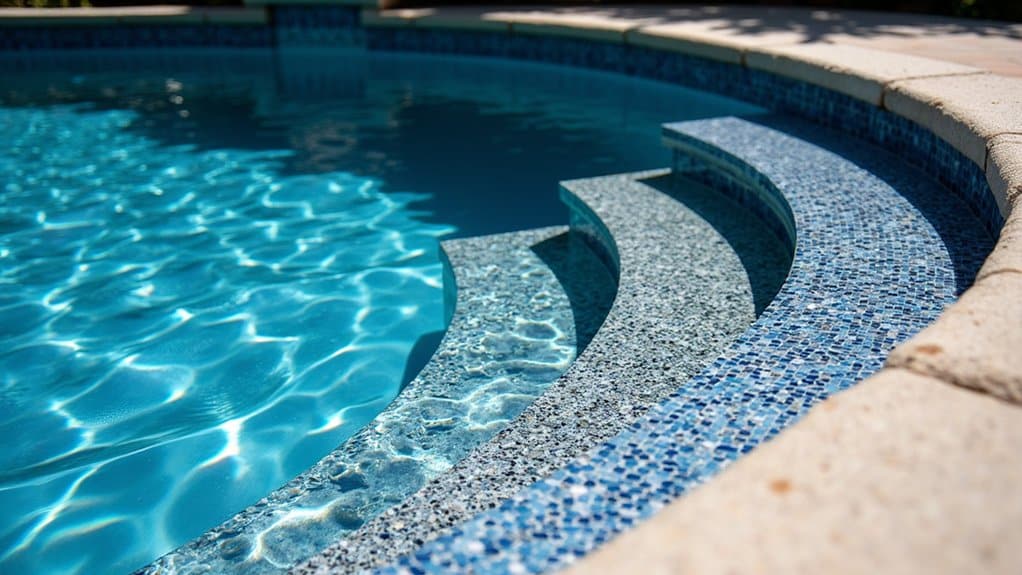
Finishes and tile affect cost by determining both your pool’s appearance and its long-term durability, so they carry significant weight in your final budget. Your interior finish selection directly affects aesthetics, longevity, and downstream maintenance costs. Standard plaster sits at the lower end, while premium finishes, aggregate, pebble, or glass tile, can push a fully customized project past $200,000. Don’t overlook resurfacing: you’ll spend $6,000 to $15,000 every 10 to 15 years depending on your finish type, so a higher upfront investment often reduces long-term recurring expenses.
Tile and add-ons compound these figures fast. Underwater lighting, waterfalls, and integrated spas add thousands each, and shallow tanning ledges raise your base price by several thousand more. If you’re layering multiple upgrades, expect finish-related line items to meaningfully drive your total.
How do custom features affect cost
How do custom features affect cost? Custom features add incremental dollars onto your base structural price with every add-on you specify. Underwater lighting, waterfalls, and integrated spas each raise the total by thousands, while shallow tanning ledges add several thousand more depending on square footage and finish detail. Unique shapes like L-configurations or kidney designs demand precise construction labor, driving up your hourly totals during shell formation and gunite application. High-end automation systems and premium heating options increase your initial investment greatly, and they compound long-term ownership costs. Layering multiple upgrades onto a fully customized project will routinely push past $200,000. Factor in the general contractor markup of 15% to 25% stacked on materials and labor, and each feature’s true cost climbs higher than its sticker suggests.
How do site conditions and permits affect cost
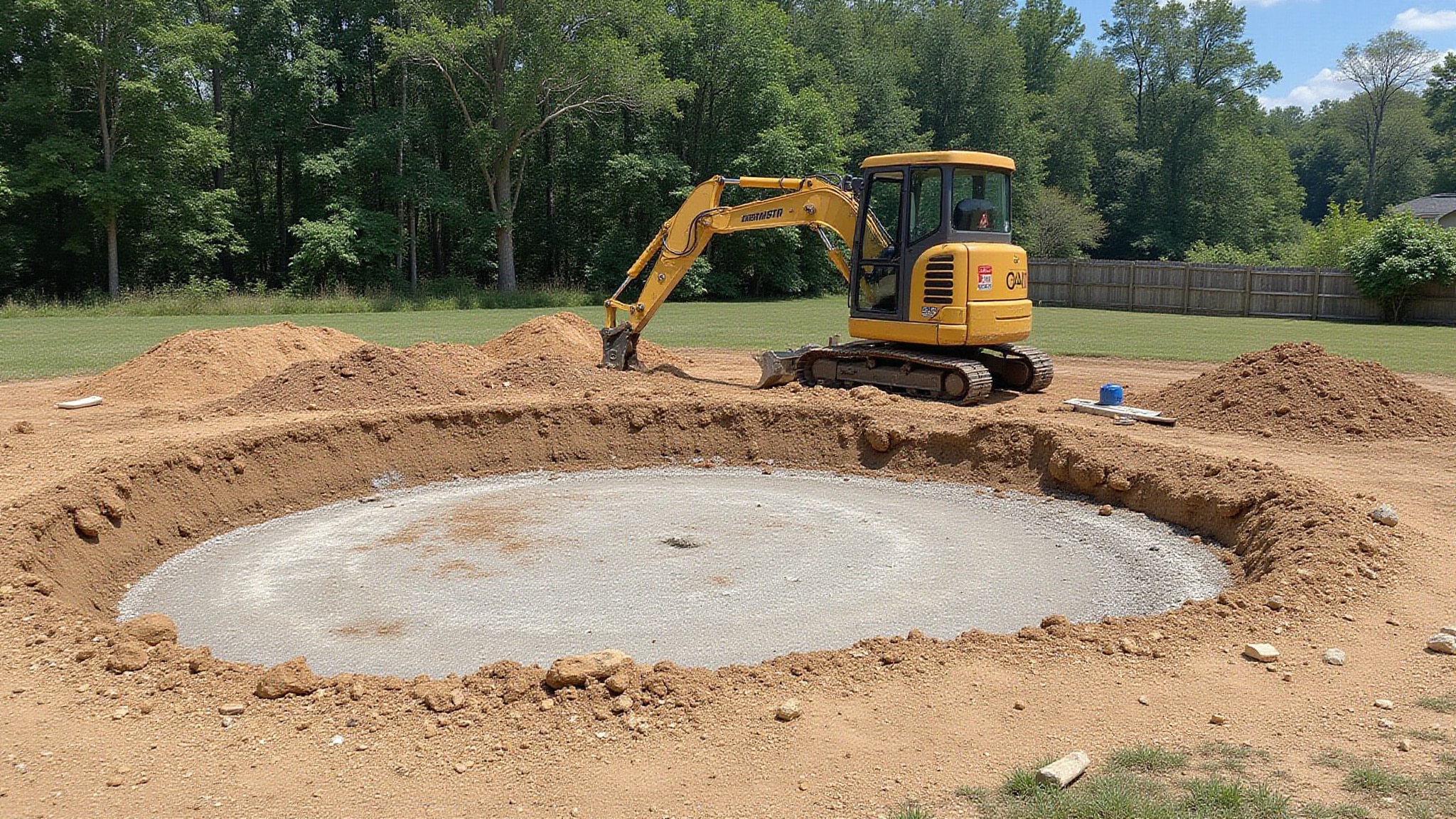
Site conditions and permits affect cost because excavation stands as the single biggest driver in your overall pricing. When your property has limited access, you’ll pay more as labor difficulty rises and equipment maneuvering time increases. Soil conditions and grading work add variable costs to your foundation preparation phase, since unstable or rocky soil demands additional labor and reinforcement. Standard site work, including gravel pads and electrical hookups, adds $10,000 to $20,000 to your project. You’ll also need to budget for permit and engineering fees, which typically range between $1,000 and $3,000. These requirements aren’t optional. Municipalities mandate proper documentation and structural engineering before construction begins. By evaluating your site early, you’ll anticipate these variables and avoid costly surprises during the excavation phase.
How do the cost factors compare in impact
Cost factors vary widely in impact, with excavation and decking dominating, followed by equipment sets and structural shell materials. Interior finishes and hardscaping accessories stack incrementally, while permits remain fixed and comparatively minor.
| Cost Factor | Typical Range | Relative Impact |
|---|---|---|
| Excavation/Site Work | $10,000 to $20,000 | Highest |
| Equipment Systems | Major driver | High |
| Structural Shell | $7,000 to $10,000 | Moderate |
| Permits/Engineering | $1,000 to $3,000 | Lowest |
You’ll notice that excavation and decking each rival the shell’s total, so controlling access and grading yields the largest savings. Layer contractor markup at 15% to 25% across every line item, and you’ll see premium finishes push customized builds past $200,000.
How do you keep a gunite pool on budget
The most leverage on budget is at the excavation and site-prep phase, since that line item rivals your structural shell and swings wildest with access constraints. Clear equipment access before excavation begins, so you’re not paying for hand-digging or crane maneuvering time. Order a soils report early to catch grading and foundation surprises that inflate variable costs. Standardize your shape by skipping the L-shapes and kidney curves that spike precise construction labor. Lock in gunite pricing before it climbs from $150 to $240 per yard again. Keep your footprint near the 550-square-foot average, since square footage drives material volume, water volume, and labor hours. Defer hardscaping, integrated spas, tanning ledges, and automation to phase two, and confirm your contractor’s markup sits at 15%, not 25%.
What Really Drives Gunite Pool Cost
The price of a gunite pool comes down to far more than the shell itself. Site access and excavation, permitting and engineering, decking, lighting, and features like spas or water elements all move the total, and local factors such as Florida storm requirements add their own considerations. The clearest way to understand your number is to define the scope with a builder early, so the estimate reflects your actual yard and goals rather than a generic range. Increasing home value with gunite pools has become a popular trend among homeowners looking to enhance their properties. Not only do these pools offer aesthetic appeal, but they also provide a functional space for relaxation and entertainment.
Call Today and Get a Custom Pool Quote
From financing options to cost breakdowns, every step of the pool-building process should feel clear, straightforward, and stress-free. At Cristallo Pools in Palm Beach Gardens, FL, our skilled team delivers dependable New Pool Construction with honest pricing and quality craftsmanship. Call +1 (561) 766-0353 today and get started with confidence.
Frequently Asked Questions
Does an established lot with tight access raise the cost of a gunite build?
It can. Excavation is often the single biggest line item, and limited access means more of that work has to be done by hand or with smaller equipment, which adds time and labor. Established yards with existing homes and landscaping to protect usually cost more to work in than open lots.
Who handles the permitting and engineering paperwork on a project like this?
A licensed pool contractor typically manages permits, engineering, and inspections rather than leaving them to the homeowner. This matters because local requirements vary, and errors can cause delays or failed inspections. Confirm that your builder handles this as part of the scope.
How much does decking add to the overall figure?
Decking is one of the larger costs outside the shell, and the surface you choose drives most of it. Options range from broom-finished concrete to pavers, travertine, and other premium materials, each at a different price point. The size of the deck matters as much as the material.
Is lighting worth budgeting for or is it an easy thing to cut?
Lighting is worth keeping in the budget. It extends how much you use the pool after dark, improves safety, and changes how the space looks at night. Running it later means cutting into finished work, so it is far cheaper to install during construction than to add afterward.
Do Florida storm considerations affect what gets built and what it costs?
Yes. Florida builds account for heavy rain, high water tables, wind, and code requirements, which can influence drainage, equipment placement, and structural details. Planning for these conditions up front protects the pool long term, and it is a normal part of pricing a build in the region.
How can I be sure a builder can handle a large project without stalling?
Look at their track record with projects of similar size, check licensing and reviews, and ask about their crew, current workload, and timeline. An established builder with completed large projects and proper licensing is far more likely to carry a big build through to completion.
How can I get a realistic cost estimate before committing?
The most reliable way is a site consultation, where a builder reviews your yard, access, and goals and prepares an estimate based on your actual project. Published price ranges are a useful starting point, but a real quote reflects the factors specific to your property.