Yes, a well-maintained gunite pool adds home value, typically 5% to 8%. On a $400,000 home, that’s $20,000 to $32,000. Your return on investment usually runs 40% to 60% of installation cost. Where you live matters most: warm Sun Belt markets like Fort Myers see gains up to 20.4%, while cold climates may stay flat. Condition, pool type, and neighborhood norms also shape your results. Here’s how to capture the most value.
Key Takeaways
- Gunite pools typically boost home value by 5% to 8%, adding $20,000 to $40,000 on mid-priced homes.
- Location strongly affects returns, with Sun Belt markets gaining 10% to 20% while cold climates may see flat or negative impact.
- Permitted, professionally built inground gunite pools add the most reliable appraised value among all pool types.
- Return on investment usually runs 40% to 60% of installation cost, offering partial financial return plus lifestyle value.
- Condition, maintenance, and neighborhood alignment determine whether the full value increase is actually captured at resale.
Does a gunite pool add value to your home
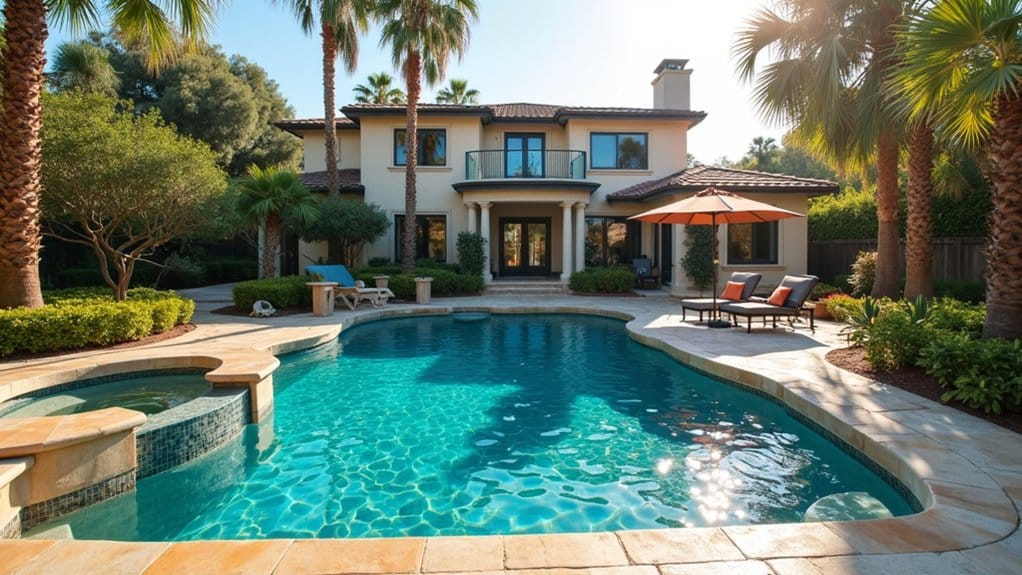
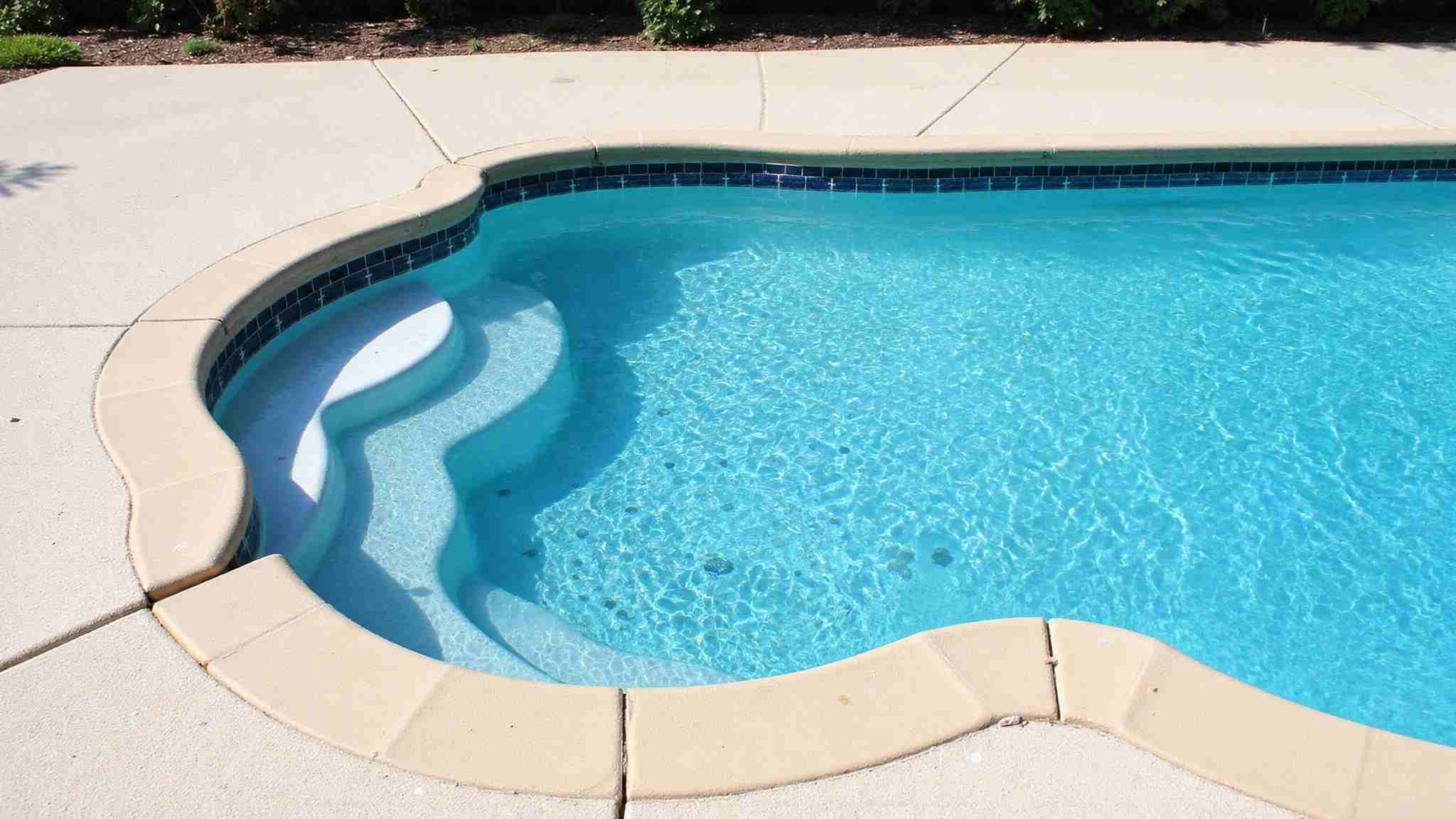
A gunite pool does add value to your home, though how much depends heavily on where you live. Nationally, a well-maintained gunite pool increases property value by 5% to 8%, which translates to $20,000 to $32,000 on a $400,000 home. But regional variation is enormous. Warm Sun Belt markets like Fort Myers, Florida see up to a 20.4% lift, while Minneapolis tops out around 7%. In cold climates, a pool may add little or even deter buyers.
Your gunite pool resale value also hinges on condition, construction quality, and neighborhood norms. However, don’t expect full recovery. The typical pool return on investment runs 40 to 60% of installation cost, so most pools deliver lifestyle value alongside partial financial returns rather than complete reimbursement.
How much value can a pool add
A pool adds 5% to 8% to your home’s value nationally, though that average hides significant regional variation. The exact dollar figure depends on your home’s value and location. On a $400,000 home, that translates to $20,000 to $32,000. On a $500,000 home, expect $25,000 to $40,000. Financing options for custom pools can make it easier to invest in your outdoor space. Many homeowners find that tailored financing solutions can accommodate their budget and ensure a seamless installation process.
Location drives the biggest gains. Warm Sun Belt climates in FL, AZ, TX, CA, and NV boost home value by 10% to 15% or more. A Fort Myers home value Florida buyers target may jump up to 20.4%, while Minneapolis homes see at most 7%.
Realtor.com’s 2025 data found homes with pools listed at a 54% premium over comparable non-pool homes, though condition, pool type, and buyer demand ultimately determine your actual return.
What factors affect how much value a pool adds
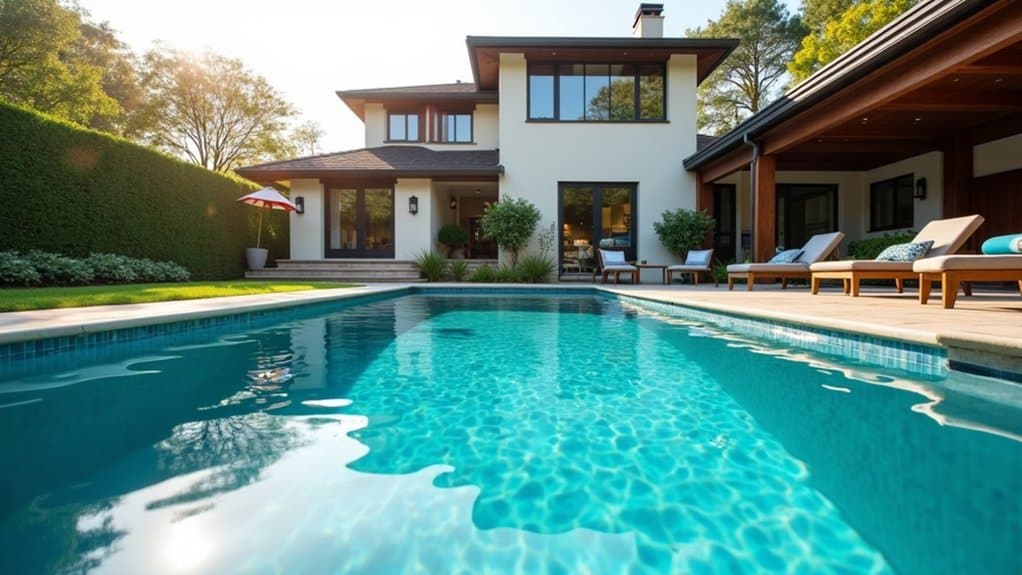
Four factors ultimately determine your pool’s return: climate, pool type, condition, and neighborhood norms. Location drives the largest swings in value. Climate sets the ceiling. Sun Belt homes gain 10% to 15%, while cold-climate markets with 3- to 4-month swim seasons often see flat or negative lift. Pool type matters next: only permanently installed, professionally built, permitted inground gunite pools reliably add appraised value, while above-ground pools typically don’t. Condition determines whether you capture the full 5% to 8% add. Poor maintenance erodes that impact. Finally, neighborhood norms shape buyer expectations. In communities where pools are standard, you’ll need one to stay competitive. In higher-end, warmer areas, all four factors align, maximizing your return. Elsewhere, they can offset each other, leaving little gain.
Does a pool add more value in warm climates like Florida
Yes, a pool adds more value in warm climates like Florida, and the data makes the gap striking. If you own a home in the Sun Belt, Florida, Arizona, Texas, California, or Nevada, a pool can boost your value by 10% to 15% or more. In Fort Myers, Florida, that increase reaches up to 20.4%. Compare that to Minneapolis, where you’ll see at most 7%, and you’ll understand why location dominates the calculation. Cold-climate markets with three- to four-month swim seasons often show flat or negative value lift, since pools can deter buyers there. The national average of 5% to 8% hides this enormous regional variation. Warmer areas benefit most because year-round usability aligns with buyer demand. So if you’re in Florida, your gunite pool works harder for your resale value than almost anywhere else.
What type of pool adds the most value
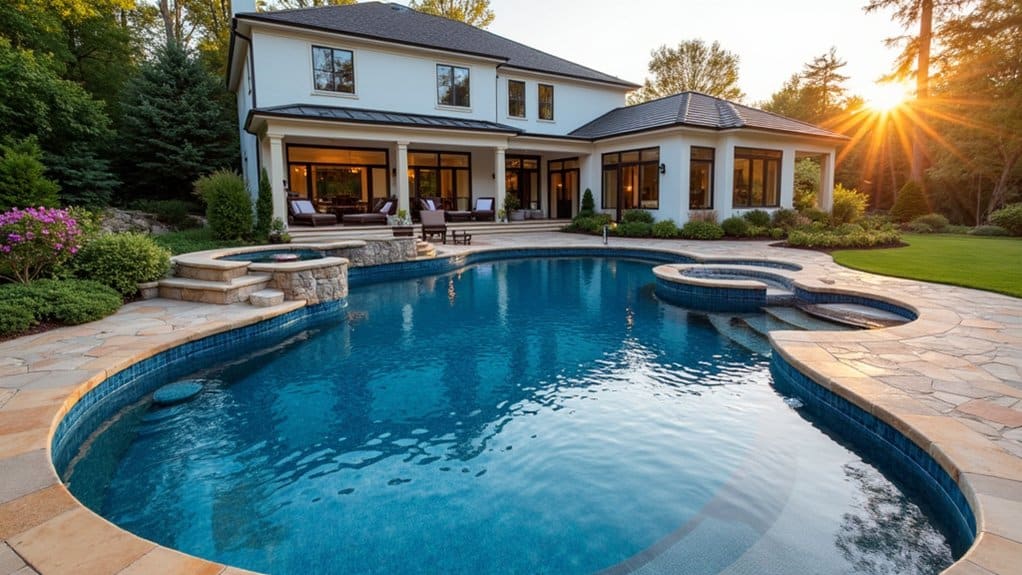
Gunite pools add the most value among pool types. When you invest in a gunite pool, you’re choosing durability and customizability that vinyl liner and fiberglass options can’t match. Only permanently installed, professionally built, and permitted inground pools reliably add appraised value, and custom gunite builds set your property apart from the competition.
If you’re weighing alternatives, understand the tradeoffs. Custom concrete (gunite) is the most expensive type, followed by fiberglass and precast concrete. Above-ground pools typically add no value and may reduce buyer interest, so they’re worth avoiding if resale matters to you.
A well-maintained gunite pool increases property value by 5% to 8%, depending on condition and local market. Bespoke design and high-quality construction maximize that return, especially in higher-end neighborhoods. Factors influencing gunite pool pricing include the choice of materials, labor costs, and the complexity of the design. Additionally, local regulations and seasonal demand can also play significant roles in determining the final price.
How do you maximize your pool’s return
Maximize your pool’s return by building in the right location, since where you build matters as much as what you build. If you’re in the Sun Belt, Florida, Arizona, Texas, California, or Nevada, your pool can add 10% to 15% or more, with Fort Myers homes seeing up to 20.4%. In cold climates with 3- to 4-month swim seasons, expect flat or negative returns.
Choose a permitted, professionally built inground gunite pool. It’s the most durable, customizable option, and only permanent installations reliably add appraised value. Keep it well-maintained, condition directly affects that 5% to 8% lift.
Match neighborhood norms. In higher-end communities where pools are expected, you’ll stay competitive and capture stronger demand.
Understand the math: typical ROI runs 40% to 60% of installation cost, so prioritize lifestyle value alongside resale.
The Bottom Line: Is a Gunite Pool Worth It?
A well-designed gunite pool can add real value to a home, but the size of that return depends on how the project is handled. Condition, build quality, the surrounding outdoor space, and how well the pool fits the local market all influence what buyers will pay. In warm climates with long swim seasons, a pool often counts as an expected feature rather than a bonus. The owners who see the strongest return treat the pool as part of a complete, well-maintained backyard and prioritize lifestyle value alongside resale.
Invest in a Pool That Adds Real Value
A custom gunite pool is more than a luxury, it’s an investment that boosts your home’s value and elevates your everyday life. At Cristallo Pools in Palm Beach Gardens, FL, our experienced team provides trusted New Pool Construction with transparent pricing and expert project planning. Call +1 (561) 766-0353 today and start your investment in outdoor living.
Frequently Asked Questions
Does resurfacing an older gunite pool help protect its resale value?
Yes. A worn or stained interior finish is one of the first things buyers notice, and a pool in rough shape can drag down an otherwise great backyard. Resurfacing restores the finish without rebuilding the shell, which is a far smaller investment than a new pool, so it is usually worth doing before listing a home.
Does adding a spa to an existing pool add further value?
It can. A spa extends how much of the year the space gets used and reads as a lifestyle upgrade rather than a single amenity, which appeals to buyers and photographs well in listings. The added value depends on how well the spa is integrated with the existing pool and deck.
Does a pool add more value in a warm climate like Florida?
Yes. In areas with a long or year-round swim season, a pool gets used far more than in colder regions, so buyers place more value on it. Homes in these markets often treat a well-kept pool as an expected feature rather than a bonus, which supports resale value.
Does the space around the pool affect how much value it adds?
A lot. Buyers respond to the whole backyard, not just the water, so decking, landscaping, lighting, and usable lounge or dining areas all shape the impression. A pool crammed into a tight or unfinished yard adds less than one set within a cohesive outdoor living space.
Why does it matter that a pool is professionally built and permitted?
Permitted, professionally built pools come with documentation that buyers and inspectors trust, and they are far less likely to hide costly structural or equipment problems. An unpermitted or poorly built pool can stall a sale or force price reductions, so proper permits and quality construction protect both safety and resale value.
Is remodeling a dated pool worth it compared with replacing it?
Often, yes. If the shell is sound, a remodel that updates the finish, tile, coping, and equipment can modernize the look for a fraction of the cost of a full replacement. Replacement makes more sense when the structure is failing or the layout no longer fits the yard, so a professional assessment is the best way to decide.
How do I find out what a custom pool would involve for my property?
Start with a design consultation, where a builder reviews your yard, access, soil, and goals, then outlines a realistic scope and budget. Factors like lot size, grading, permits, and material choices all shape the plan, so getting this assessment early helps you budget accurately before committing to a build.