

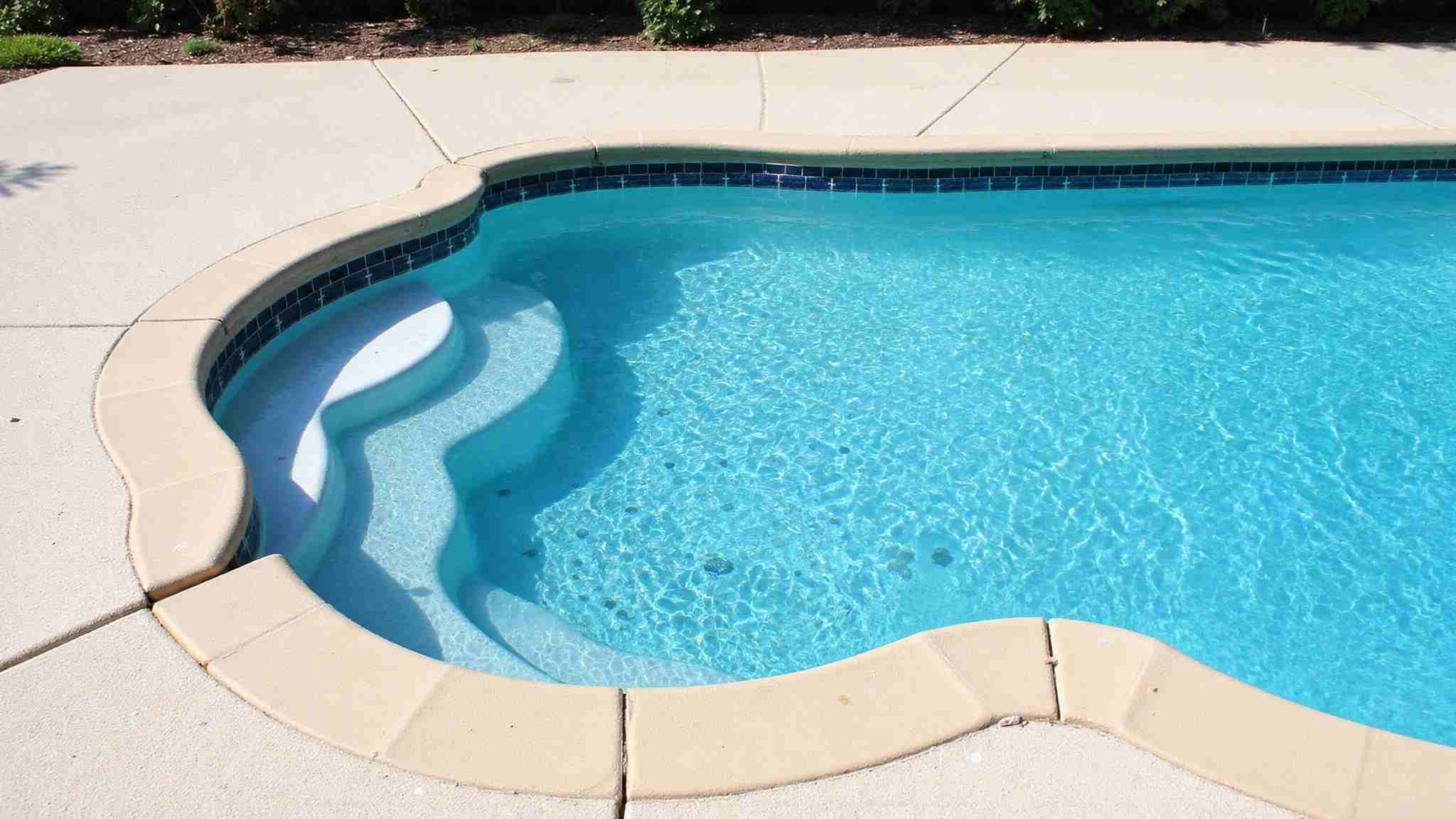


You’ve got five main ways to finance a custom pool: home equity loans, HELOCs, personal loans, cash-out refinancing, and specialized pool programs. Home equity loans and HELOCs tap your equity, while unsecured personal loans skip collateral but carry higher rates. Lenders typically want a credit score of 650 or higher and a debt-to-income ratio between 35% and 45%. Compare rates, terms, and fees carefully, since the details below will help you decide.
Key Takeaways
- Compare financing options including home equity loans, HELOCs, unsecured personal loans, cash-out refinancing, and specialized pool programs.
- Choose fixed-rate lump-sum loans for predictable payments, or HELOCs to draw funds as construction costs arise.
- Consider unsecured personal loans to avoid risking your home, though they carry higher rates and shorter terms.
- Meet typical eligibility requirements: a credit score of 650+ and a debt-to-income ratio between 35% and 45%.
- Compare interest rates, repayment schedules, fees, and lender reputations, then run scenarios through a loan calculator.
How can you finance a custom pool
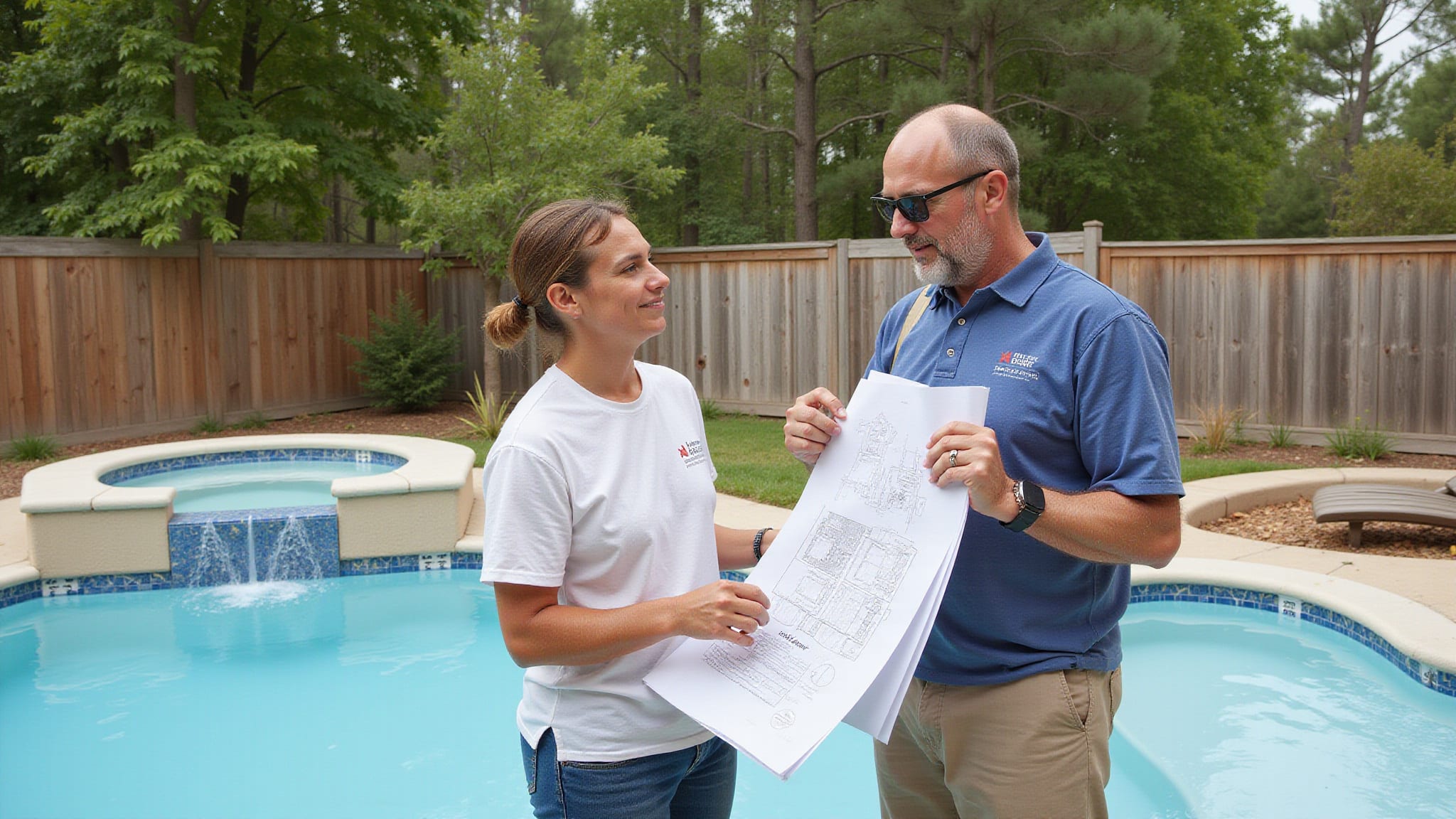
You can finance a custom pool through several options, each with distinct trade-offs. Home equity loans deliver a lump sum with fixed rates and set repayment terms, and HELOCs provide a revolving credit line with variable rates. If you’d rather avoid collateral, personal loans require none but carry higher interest. Cash-out refinancing lets you refinance your mortgage for more than you owe, accessing the difference. Specialized pool financing programs tailor loans specifically for construction, often with competitive rates.
Most pool loans are unsecured personal loans built for pool installation, with terms ranging from 24 to 240 months. Secured options start at $15,000 and reach $250,000 for qualified buyers. Compare rates, terms, and lender reputations before committing to any one.
What are the main pool financing options
The main pool financing options are home equity loans, HELOCs, personal loans, cash-out refinancing, and specialized pool financing. Each carries distinct trade-offs in collateral, rates, and repayment terms, so you’ll want to match the choice to your financial profile.
| Option | Collateral | Rate Type |
|---|---|---|
| Home Equity Loan | Home | Fixed |
| HELOC | Home | Variable |
| Personal Loan | None | Fixed/Variable |
| Cash-Out Refinance | Home | Fixed/Variable |
| Specialized Pool Financing | None | Competitive |
A home equity loan hands you a lump sum with predictable payments, and a HELOC gives you revolving access at variable rates. A personal loan or dedicated pool loan skips collateral but usually costs more. Cash-out refinancing taps existing mortgage equity, letting you fold pool costs into one payment.
How do home equity loans and HELOCs work for pools

Home equity loans and HELOCs both let you borrow against the equity you’ve built in your home to fund a pool, but they deliver those funds differently. A home equity loan pool project gives you a lump sum upfront with a fixed interest rate and set repayment terms, so you’ll know exactly what you owe each month. That predictability works well when you’ve secured a firm contractor estimate. A HELOC offers a revolving line of credit with variable interest rates, letting you draw funds as construction costs arise. Since secured loans require a minimum of $15,000 and can reach $250,000, both options suit larger custom builds. You’ll typically need a credit score of 650 or higher and a debt-to-income ratio between 35% and 45%.
How do unsecured pool loans work
Unsecured pool loans provide funding for swimming pool installation without requiring collateral, so your home isn’t on the line if you default. These loans are typically personal loans designed specifically for swimming pool installation, and they’ve become a popular way to figure out how to finance a pool without tapping your equity. Because they’re unsecured, they usually carry higher interest rates and shorter repayment terms than secured loans. Terms range from 24 to 240 months depending on the lender, and providers like LightStream cap their maximum APR at 25.39%. You’ll receive the funds as a lump sum, so you’ll want a firm cost estimate before applying. Lenders generally expect a credit score of 650 or higher and a manageable debt-to-income ratio. Gunite pool benefits for homeowners include durability and a customizable design that blends seamlessly with your backyard. These pools can be tailored to fit any shape or size, making them a versatile option for various property layouts.
What credit and budget factors matter

Lenders typically want a credit score of 650 or higher, backed by a history of on-time payments. Your debt-to-income ratio should fall between 35% and 45%, depending on the program. If you’ve had a foreclosure or bankruptcy, it must be discharged for at least two years. Beyond eligibility, assess your overall financial health to gauge your borrowing capacity. When comparing pool payment options, calculate the monthly payment against your household budget, and remember that a HELOC’s variable rate can shift that figure over time. Use a loan calculator to project costs across different amounts and rates, then confirm the payment fits comfortably each month.
How do you choose the best financing option
Choose the best financing option by weighing five main routes against your priorities: a home equity loan, a HELOC, a personal loan, cash-out refinancing, or a specialized pool financing program. Home equity loans deliver a lump sum with fixed rates and set terms, ideal once you’ve locked in a firm contractor estimate. HELOCs offer revolving credit with variable rates, useful if costs shift. Personal loans skip collateral but carry higher rates and shorter terms. Cash-out refinancing accesses extra cash by refinancing above what you owe. Specialized pool programs tailor competitive rates to construction.
Compare interest rates, repayment schedules, fees, and lender reputations side by side. Match the loan type to your budget, timeline, and financial health. Then run each option through a loan calculator before committing.
Financing a Custom Pool: Key Takeaways
Financing a custom pool is far easier when the project is defined before you approach a lender, since a clear scope and budget let you borrow the right amount and avoid surprises. Material choices, decking, and ongoing upkeep all shape the true cost, so factor them in from the start. Working with one team through design and construction keeps the budget predictable and the timeline on track, which makes the financing side much less stressful. Cost analysis for gunite pool projects is crucial for understanding total expenses. By evaluating material costs and installation fees, homeowners can make informed decisions.
Call Today and Get a Custom Pool Quote
From financing options to cost breakdowns, every step of the pool-building process should feel clear, straightforward, and stress-free. At Cristallo Pools in Palm Beach Gardens, FL, our skilled team delivers dependable New Pool Construction with honest pricing and quality craftsmanship. Call +1 (561) 766-0353 today and get started with confidence.
Frequently Asked Questions
Why does the design phase matter before I apply for financing?
Lenders release funds against a defined scope, and a lump-sum loan is hard to size without one. Finalizing the design first gives you an accurate total, so you borrow the right amount rather than guessing. It also prevents mid-project change orders that can blow past your budget.
Does working with one company for the whole project help keep costs predictable?
Yes. When a single team handles design, the pool, the deck, and the surrounding areas, there are fewer gaps where budgets slip and fewer contractors blaming each other for overruns. One point of accountability usually means a tighter estimate and a smoother timeline.
How much do material choices change the overall budget?
Considerably. Finishes, tile, coping, and decking vary widely in price while the shell underneath stays the same, so upgrades here move the total the most. Choosing materials early lets you set a realistic budget and decide where to splurge and where to save.
Can I see completed projects to get a sense of scale before setting a budget?
Yes, and it is worth doing. Looking at finished builds, photos, and video walkthroughs helps you connect a budget to a real result rather than an abstract number. It also helps you spot the features that matter most to you before you commit.
Should I budget for ongoing upkeep as well as the build itself?
Definitely. Owning a pool carries running costs beyond the loan payment, including chemicals, cleaning, electricity, and occasional equipment servicing. Building these into your budget from the start keeps the pool comfortable to own rather than a financial surprise.
How do I know a builder will still be there through a long build?
Check how long the company has been operating, look for licenses, reviews, and a documented portfolio, and ask about their current workload. An established builder with a track record is far more likely to see a long project through than a newcomer or a one-person operation.
When is the right time to talk to a builder if I am still arranging finance?
Early. A builder can help you define the scope and get a realistic estimate, which is exactly what a lender needs to size your loan. Talking to one before your financing is locked in means the numbers line up instead of forcing you to redesign later.