Getting settled sand off the base of an above ground pool starts with knowing where it comes from the sand base beneath the liner, not your filter. To remove it, attach a soft-bristle vacuum head to agitate without tearing the vinyl, and fit a fine-sock leaf canister to capture sand before your pump. If your filter isn’t working, run the vacuum on waste/bypass and empty the canister often. Work gentle, repeated passes over low spots. Keep going to master every step and prevention trick.
Key Takeaways
- Use a pool vacuum with a soft-bristle head to loosen and collect settled sand without tearing the liner.
- Attach a leaf canister with a fine sock or trap to capture heavy sand before it reaches the pump.
- Run the vacuum on a waste/bypass setting to direct sand-laden water out instead of through the filter.
- Work in gentle, repeated passes over low-lying spots, avoiding aggressive scraping that damages the vinyl base.
- Empty the canister or sock frequently to maintain strong suction throughout the cleanup process.
Why is there sand on the bottom of my above ground pool
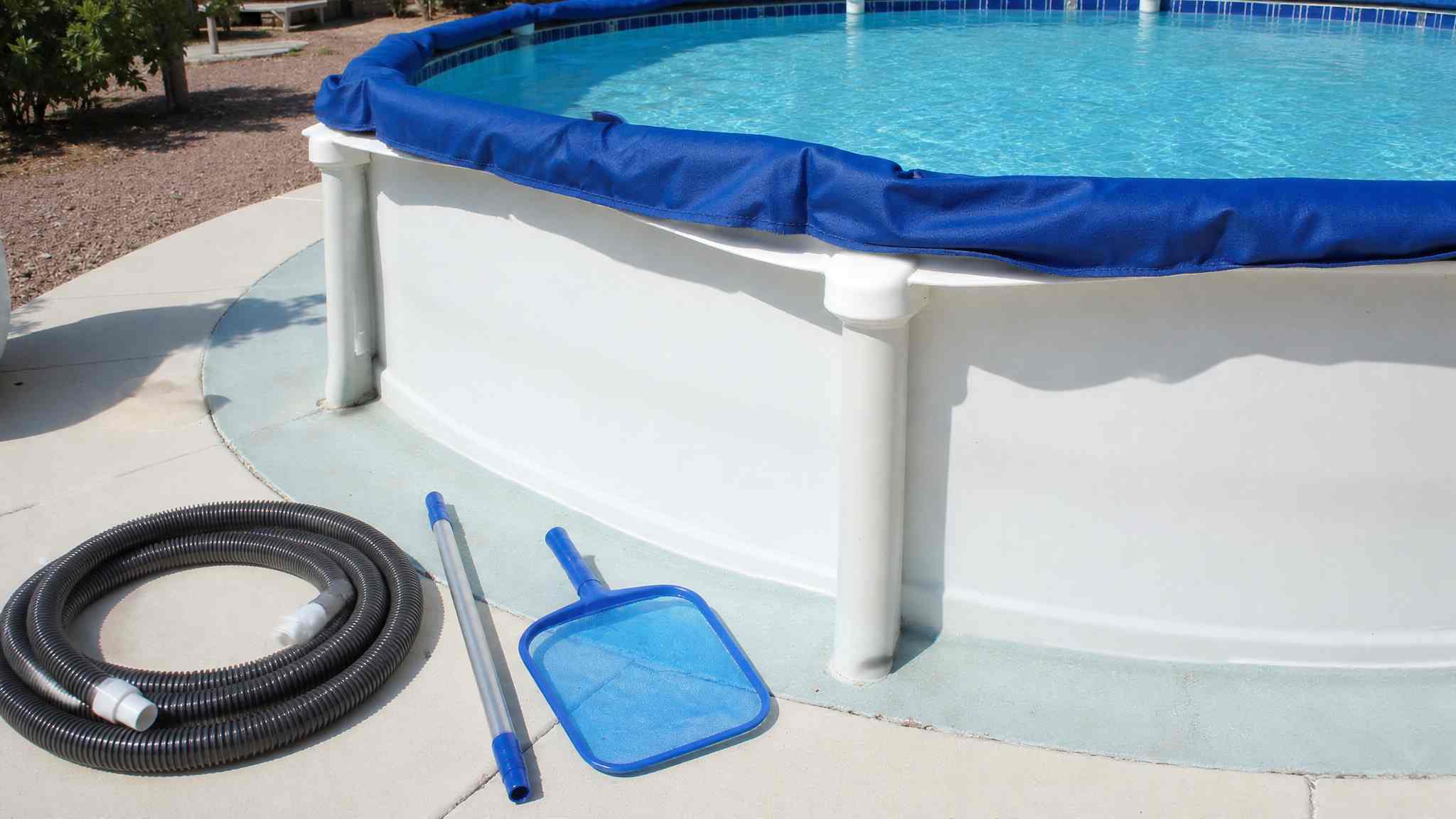
Sand appears on the bottom of your above ground pool because it comes from your sand base, the layer installed beneath the liner to protect it from rocks and sharp objects. Over time, settling occurs when the base wasn’t compacted evenly, creating low spots where fine material collects. Heavy rain, splash-out, and runoff can wash loose sand toward the pool wall, while tracked-in debris from feet, cleaning gear, and surrounding landscaping adds to the buildup. Poorly graded or untamped base layers make this migration more noticeable, especially near the liner edge and cove. Skimming won’t help since sand sinks fast. You’ll need vacuum cleaning to remove settled sand, targeting concentrated low areas where fine sediment naturally accumulates on your liner.
How do you get sand off the bottom of an above ground pool
To remove settled sand from the bottom of an above ground pool, reach for a pool vacuum designed for bottom cleanup rather than your skimmer. Skimming won’t work here because sand sinks and resists surface removal. Attach a soft-bristle vacuum head to agitate the settled material without scraping or tearing your liner. Install a leaf canister with a fine sock or trap to capture heavy sand and fine debris before it reaches your pump or filter. Work in gentle, repeated passes across the affected area, letting the bristles loosen the deposits so suction can collect them. Avoid aggressive scraping, which damages the vinyl. Concentrate your removal efforts on low spots where sand accumulates, and repeat as needed to clear buildup without disturbing your sand base underneath.
How do you vacuum sand without a working filter
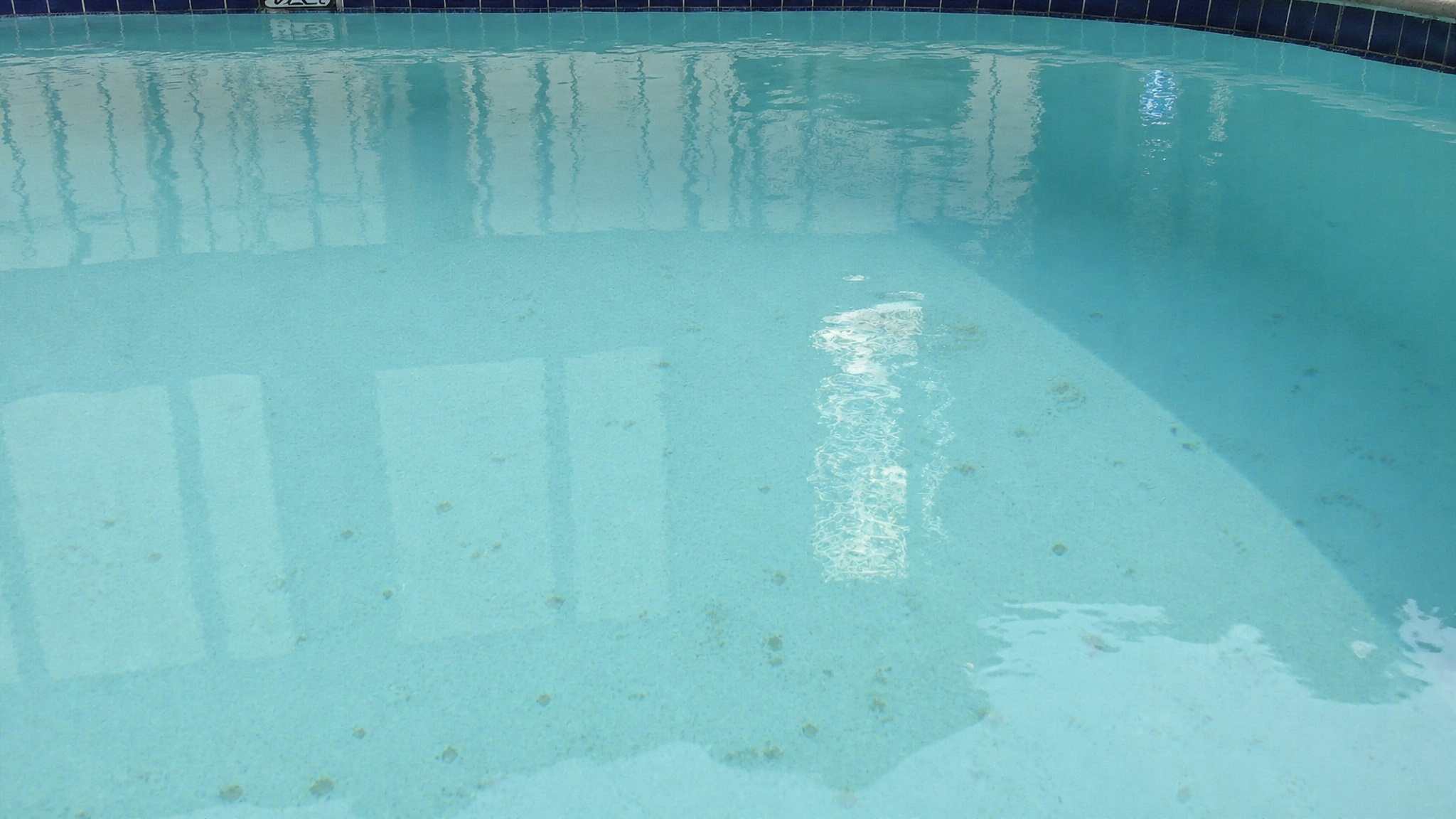
To vacuum sand without a working filter, attach a leaf canister with a fine sock or trap between your vacuum head and hose, so heavy sand gets captured before reaching the pump. Alternatively, run the vacuum on a “waste” or bypass setting if your system allows, directing sand-laden water straight out rather than through the filter media. Sand can overwhelm or clog your filter, so you’ll want a method that bypasses it entirely.
Use a soft-bristle vacuum head to agitate settled material, then move slowly across the base so suction collects the sand instead of stirring it into suspension. This filterless approach keeps sand removal efficient while protecting your equipment. Empty the canister or sock frequently during vacuuming, since concentrated sand fills these traps quickly and reduces suction.
How does a filter problem cause sand in the pool
Sand in your above ground pool usually comes from the base beneath the liner, not the filter itself. Tracked-in debris, heavy rain, splash-out, and runoff can wash loose material toward low spots near the pool wall. Poorly compacted or uneven base layers settle over time, creating low areas where sand collects. Gaps in perimeter cleaning let fine sediment build up along the liner edge. Base imperfections become more noticeable when the sand layer isn’t evenly graded or tamped. Understanding these sources helps you target your cleaning efforts and prevent sand from accumulating faster than you can vacuum it out.
Which sand-removal methods work best
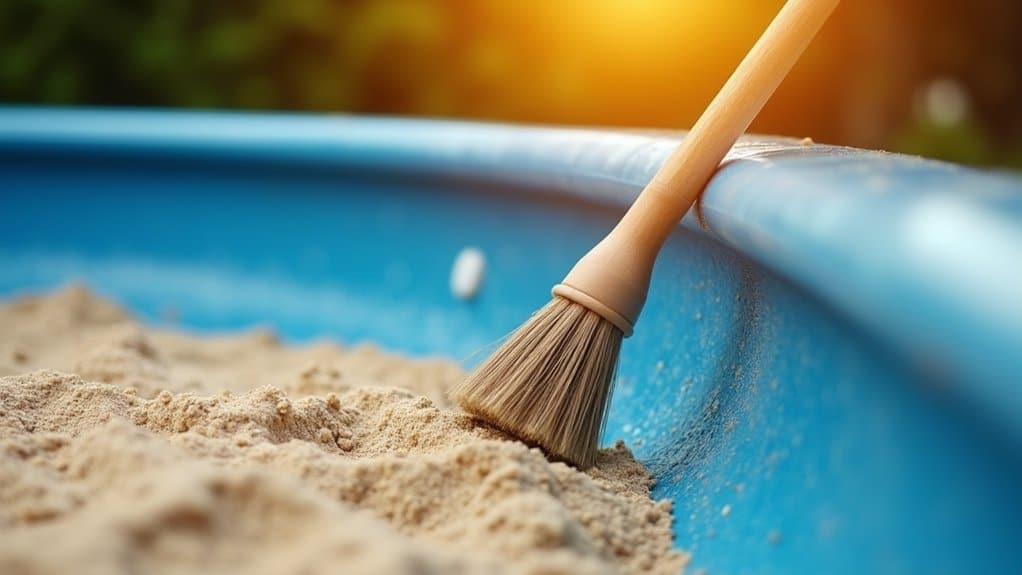
Vacuuming beats every other approach for settled sand because sand sinks and resists surface removal, so skimming won’t touch it. You need suction to collect concentrated material along the bottom. Use a pool vacuum with a bristled head to loosen settled sand, then add a leaf canister with a fine sock to trap heavy grains before they reach your pump. Work gently and repeatedly instead of scraping, which risks tearing the liner.
| Method | Effectiveness |
|---|---|
| Skimming | Poor for sand |
| Standard vacuum | Good |
| Bristled vacuum head | Better agitation |
| Leaf canister + sock | Best capture |
| Aggressive scraping | Risks liner damage |
Concentrate your passes where sand collects in low spots, and repeat until the base looks clean.
How do you prevent sand from returning to your pool
Prevent sand from returning to your pool by attacking the sources that push it back into the water. Start with your base itself: inspect the cove, edges, and low spots for settling, since poorly compacted areas let sand collect and reappear. If you catch developing divots, address them before they worsen. Cut down on tracked-in debris by rinsing feet, cleaning gear, and vacuum heads before they enter the water. Keep the surrounding landscaping tidy so runoff and splash-out don’t wash loose material toward the liner. After heavy rain, check perimeter low spots where sediment migrates. Maintain a consistent cleaning schedule around the pool’s edge to stop fine sediment from building near the liner. Regular inspection catches migration early, before it becomes a recurring problem.
Conclusion
Getting settled sand off the bottom of your above-ground pool comes down to finding the cause and choosing the right removal method. If a worn filter is pushing sand back into the water, repairing or replacing the failing part matters as much as vacuuming the sand out, and steady maintenance keeps it from returning. If you are tired of chasing sand and constant upkeep, a professionally built inground pool is far easier to care for. When you are ready for a lower-maintenance backyard, Cristallo Pools builds custom inground gunite pools designed for easy care and lasting quality.
Build an Inground Pool Made for Easy Care
Cleaning routines and seasonal maintenance are far easier with a professionally built inground pool from an experienced team. At Cristallo Pools in Palm Beach Gardens, FL, our experienced team provides trusted New Pool Construction with expert craftsmanship and lasting materials. Call +1 (561) 766-0353 today and start building your backyard escape.
Frequently Asked Questions
What Type of Sand Is Best for an Above-Ground Pool Base?
Mason sand, sometimes called fine mason sand, is the best choice for an above-ground pool base. It is smooth and fine enough to create a soft, even surface that cushions and protects the liner. Spread it wall-to-wall across the pool bottom, including the cove area, aiming for about a 2-inch depth, with 2 to 3 inches as a good general range. Smooth and lightly compact it before setting up the pool so the base stays firm and level.
How Deep Should the Sand Base Be Under My Pool?
You’ll want a 2-inch sand base beneath your liner for most above-ground pools, though a 2-to-3-inch range works too. Spread the sand wall-to-wall across the pool bottom, including the cove area where specified. After you smooth it out, compact the sand to improve stability. This gives you a level, cushioned surface that reduces liner divots, wrinkles, and localized settling, while protecting the vinyl from rocks and sharp objects underneath.
Can I Add Sand to My Pool Base After Installation?
You can’t easily add sand to your pool base after installation, since the liner’s already in place and filled with water. Adding sand properly requires access to bare earth beneath the liner, which means draining the pool and removing or pulling back the liner first. If you’re dealing with settled sand or low spots, you’ll typically vacuum out the collected material rather than trying to add more beneath a filled pool.
Does Sand on the Bottom Mean My Liner Is Damaged?
No, sand on the bottom doesn’t automatically mean your liner’s damaged. Settled sand usually comes from tracked-in debris, rain washing loose material toward low spots, or an unevenly compacted base that shifts over time. You’ll typically see it collect in low areas near the wall or cove. Vacuum it up gently with a bristled head and leaf canister, then inspect the base edge and low spots for actual settling issues.
How Often Should I Inspect My Pool’s Sand Base?
You should inspect your pool’s sand base periodically throughout the season, focusing on the base edge, cove, and any low spots where sand tends to collect. Check these areas whenever you notice sediment buildup, after heavy rain, or following splash-out and runoff. Catching sand migration early lets you address settling before it becomes a larger problem. Combine your inspections with regular perimeter cleanup to reduce tracked-in sand and sediment accumulation near the liner.