To vacuum your above-ground pool correctly, start with the right gear: a vacuum head, telescopic pole, hose, and skim-vac adapter. Prime the hose by filling it with water to push out trapped air, then attach it with a tight seal. Start your pump and confirm steady suction. Use long, slow, overlapping strokes from shallow to deep. Watch the filter gauge and stop at an 8 to 10 PSI rise. There’s more you’ll want to know below.
Key Takeaways
- Gather proper equipment: an above-ground vacuum head, telescopic pole, hose, and skim-vac adapter with a normally operating pump and filter.
- Prime the hose by filling it with water to remove trapped air, then attach it tightly for steady suction before starting.
- Lower the vacuum head gently and use long, slow, overlapping strokes, moving from the shallow side toward deeper areas.
- Monitor the filter pressure gauge and stop when it rises 8 to 10 PSI above baseline to avoid restricting flow.
- Vacuum weekly, increasing to twice weekly during heavy debris or after storms, and log sessions to refine your schedule.
What do you need to vacuum an above ground pool
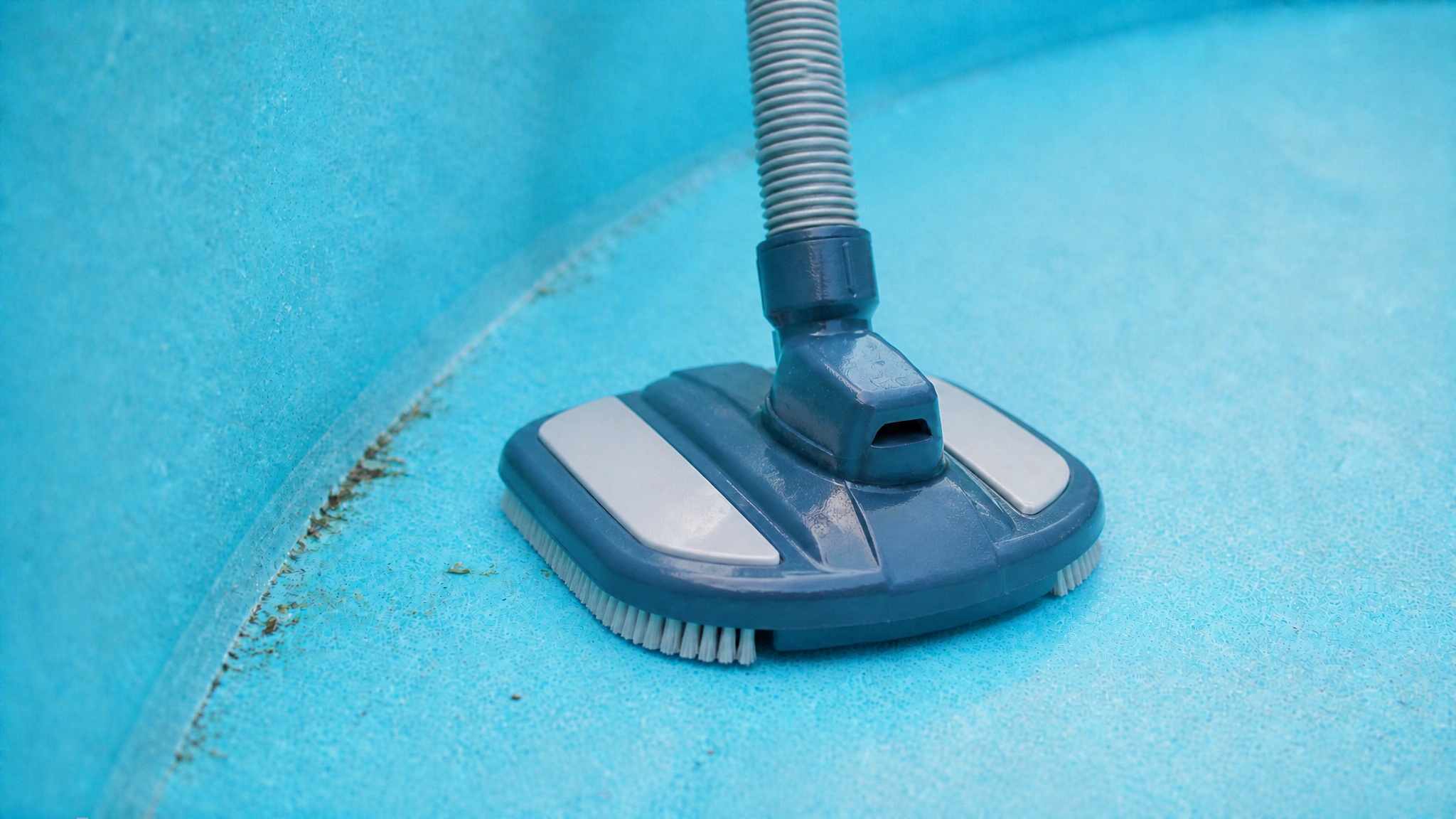
To vacuum an above-ground pool, you’ll need a vacuum head sized for above-ground pools, attached to a telescopic pole, plus a vacuum hose long enough to reach every area of the floor. For your suction setup, grab a skimmer vacuum plate or skim-vac adapter to connect the hose to the skimmer opening. Confirm your pool pump and filter are operating normally before you begin. Clean the skimmer basket and pump strainer basket beforehand to reduce clogs and maintain flow. Don’t skip filtration monitoring. Make sure you can read the filter pressure gauge clearly throughout the process. Having each piece ready prevents interruptions, protects pump performance, and keeps your suction steady from start to finish.
How do you vacuum a swimming pool above ground step by step
Prime the vacuum hose first by filling it with water to push out trapped air, keeping it submerged throughout so suction can establish properly. Attach the hose to the skimmer opening or vacuum plate with a tight seal, then start the pump and confirm suction is steady before moving the vacuum head.
- Lower the vacuum head gently to avoid stirring settled debris.
- Use long, slow, overlapping strokes across the floor.
- Start at the shallow side and work toward deeper areas.
- Watch the filter pressure gauge; stop and clean if it rises 8 to 10 PSI above baseline.
Keep the vacuum head underwater throughout to maintain prime and consistent suction, working methodically so dirt stays down.
How do you set up manual vacuum equipment
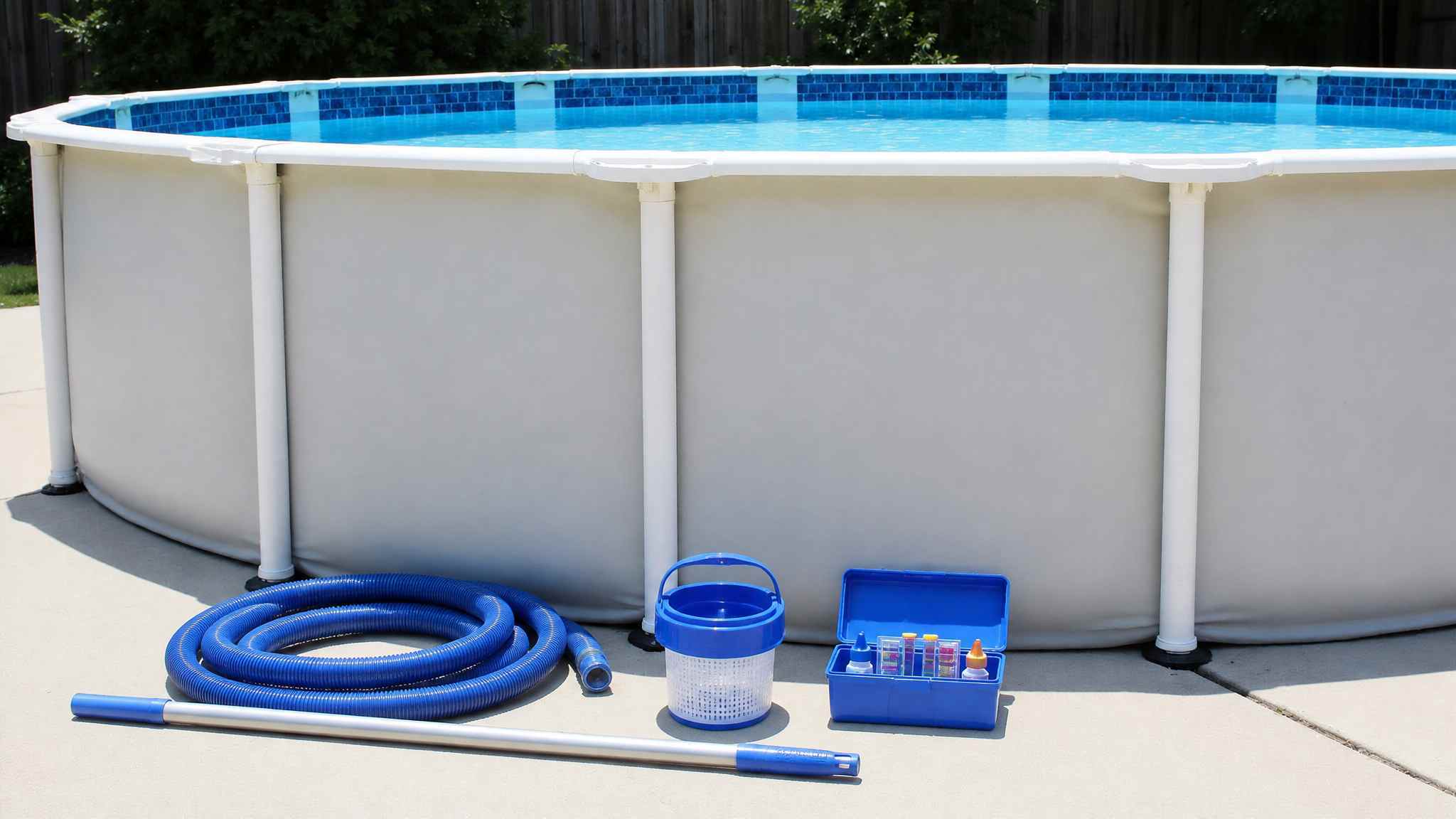
Set up manual vacuum equipment with the right gear: an above-ground vacuum head, a telescopic pole, and a vacuum hose long enough to reach every part of the floor. You’ll also need a skimmer vacuum plate, or skim-vac adapter, for the suction setup. Confirm the pump and filter are running normally, and clean the skimmer basket and pump strainer basket to reduce clogs.
Next, prime the hose by filling it with water to push out trapped air. Keep it submerged while priming so suction can establish. Attach the hose to the skimmer opening or vacuum plate with a tight seal, since air leaks weaken suction. Start the pump, then confirm suction is steady before you lower the head and start moving.
How do automatic and manual vacuuming compare
Automatic and manual vacuuming differ in effort and precision. Manual vacuuming puts you in direct control of every stroke, so it lets you target settled debris precisely and adjust technique as conditions change, something an automatic cleaner can’t match. Both vacuuming methods rely on steady suction and demand attention to filtration pressure, but they differ in effort and precision.
| Factor | Manual Vacuuming | Automatic Cleaner |
|---|---|---|
| Control | Full, stroke-by-stroke | Limited, preset paths |
| Suction setup | Manual priming needed | Self-contained or plumbed |
| Filtration pressure | You monitor and stop | Runs unattended, risky |
| Debris targeting | Precise, spot cleaning | Random coverage |
| Effort required | High, hands-on | Low, walk away |
If you want careful results, choose manual work. If you value convenience, accept the automatic tradeoffs, but always watch pressure to protect your pump.
What mistakes should you avoid when vacuuming
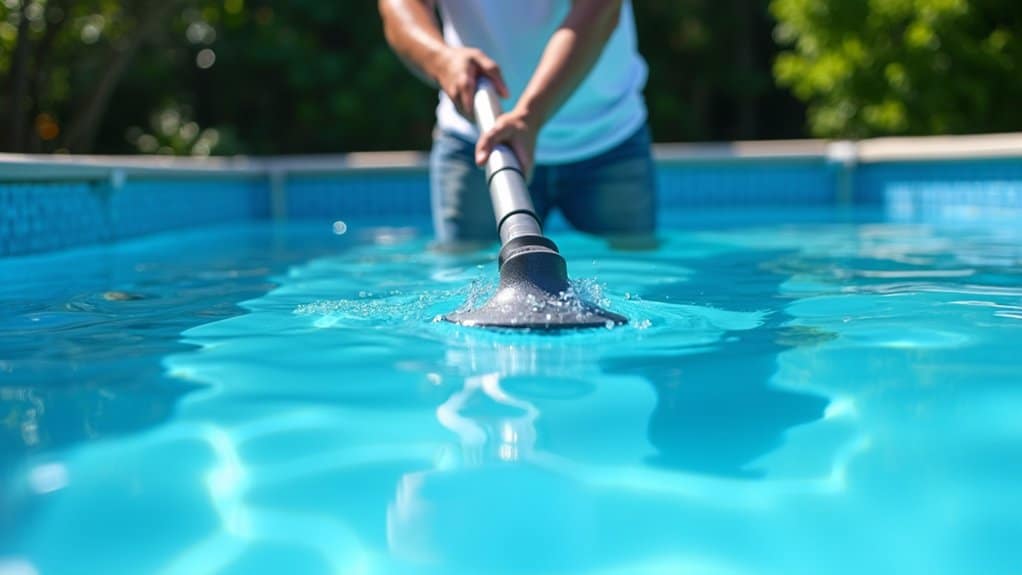
The mistakes to avoid when vacuuming include moving too fast, skipping priming, using poor seals, and working with dirty equipment. Small errors compound fast, so watch for these:
- Dragging the vacuum head too quickly, which stirs settled sediment and clouds the water instead of capturing it.
- Skipping hose priming, which introduces trapped air, breaks suction, and stalls your prime before you start.
- Using poor seals or loose connections at the skimmer or vacuum plate, causing steady suction loss and reduced cleaning.
- Vacuuming with a dirty filter or full baskets, which restricts flow and drops performance.
Also, don’t ignore filter pressure. Running the system past an 8 to 10 PSI rise above baseline strains filtration and risks pump damage. Stop, clean, and resume carefully.
How often should you vacuum your above ground pool
Vacuum your above-ground pool weekly to keep it clean and clear, though the exact frequency depends on your pool’s debris load, bather traffic, and surrounding conditions. If your pool sits near trees or handles heavy swimmer use, increase the frequency to twice weekly. After storms, wind events, or pollen surges, vacuum promptly to prevent sediment from settling and staining the floor. Build a consistent maintenance schedule that pairs vacuuming with skimmer basket cleaning and filter pressure checks, since these tasks reinforce each other. Vigilance matters most between scheduled sessions: watch for cloudiness, visible debris, or reduced circulation, and respond before buildup strains your filtration. Log each vacuuming session so you can adjust the interval based on measured conditions rather than guesswork, protecting water clarity and equipment.
Conclusion
Vacuuming an above-ground pool the right way keeps your water clear and protects your liner and equipment. Working methodically, in slow, overlapping passes with the correct filter setting, lifts dirt and debris without stirring it back up or straining your system. A little patience and the right technique go a long way toward a clean, healthy pool. When you are ready for a pool built for beauty and easy care, Cristallo Pools designs and builds custom inground gunite pools made for lasting enjoyment.
Build an Inground Pool Made for Easy Care
Cleaning routines and seasonal maintenance are far easier with a professionally built inground pool from an experienced team. At Cristallo Pools in Palm Beach Gardens, FL, our experienced team provides trusted New Pool Construction with expert craftsmanship and lasting materials. Call +1 (561) 766-0353 today and start building your backyard escape.
Frequently Asked Questions
Can You Vacuum a Pool With Algae on the Floor?
Yes, you can, but you’ll need to vacuum slowly and carefully. Lower the vacuum head gently and use long, slow, overlapping strokes so you don’t stir up the algae and cloud the water. Watch your filter pressure gauge closely, since algae adds debris load. Stop and backwash if pressure rises about 8 to 10 PSI above your clean baseline. Afterward, empty the skimmer basket and rinse the filter thoroughly.
Should You Vacuum to Waste or Through the Filter?
For light debris, vacuum through the filter, it’s efficient and keeps water in the pool. But when you’re dealing with algae or heavy sediment, vacuum to waste instead. This bypasses the filter, sending contaminated water out the drain so you don’t clog media or recirculate spores. Watch your water level closely, since you’ll lose volume fast. Refill as needed, then rebalance chemistry. Always confirm suction stays steady throughout the process.
Why Does My Pool Get Cloudy After Vacuuming?
Your pool gets cloudy because you’re stirring up settled sediment instead of drawing it into the filter. If you drag the vacuum head too quickly, debris lifts off the floor and floats back into the water. Use long, slow, overlapping strokes and lower the head gently. Also check for a dirty filter or full baskets, which reduce flow. Watch your pressure gauge and clean the filter if it climbs 8 to 10 PSI.
Can Vacuuming Lower My Pool’s Water Level Too Much?
Yes, vacuuming can lower your water level, especially if you’re using a vacuum-to-waste setup that sends debris and water out instead of back through the filter. Watch your skimmer opening closely, if the level drops below it, you’ll draw air, lose prime, and risk running the pump dry. Stop and refill before that happens. Standard skimmer vacuuming recirculates water, so it won’t drop the level considerably during normal operation.
Do You Need to Adjust Chemicals After Vacuuming?
You’ll usually want to check your chemistry after vacuuming, since stirring up debris and running the filter can shift balance slightly. Test your water once the pool clears and settles. Verify pH, chlorine, and sanitizer levels, then adjust as needed. If you backwashed or cleaned the filter, top off the water first, since dilution affects readings. Retest before swimming to confirm everything’s within safe ranges and your water’s properly balanced.