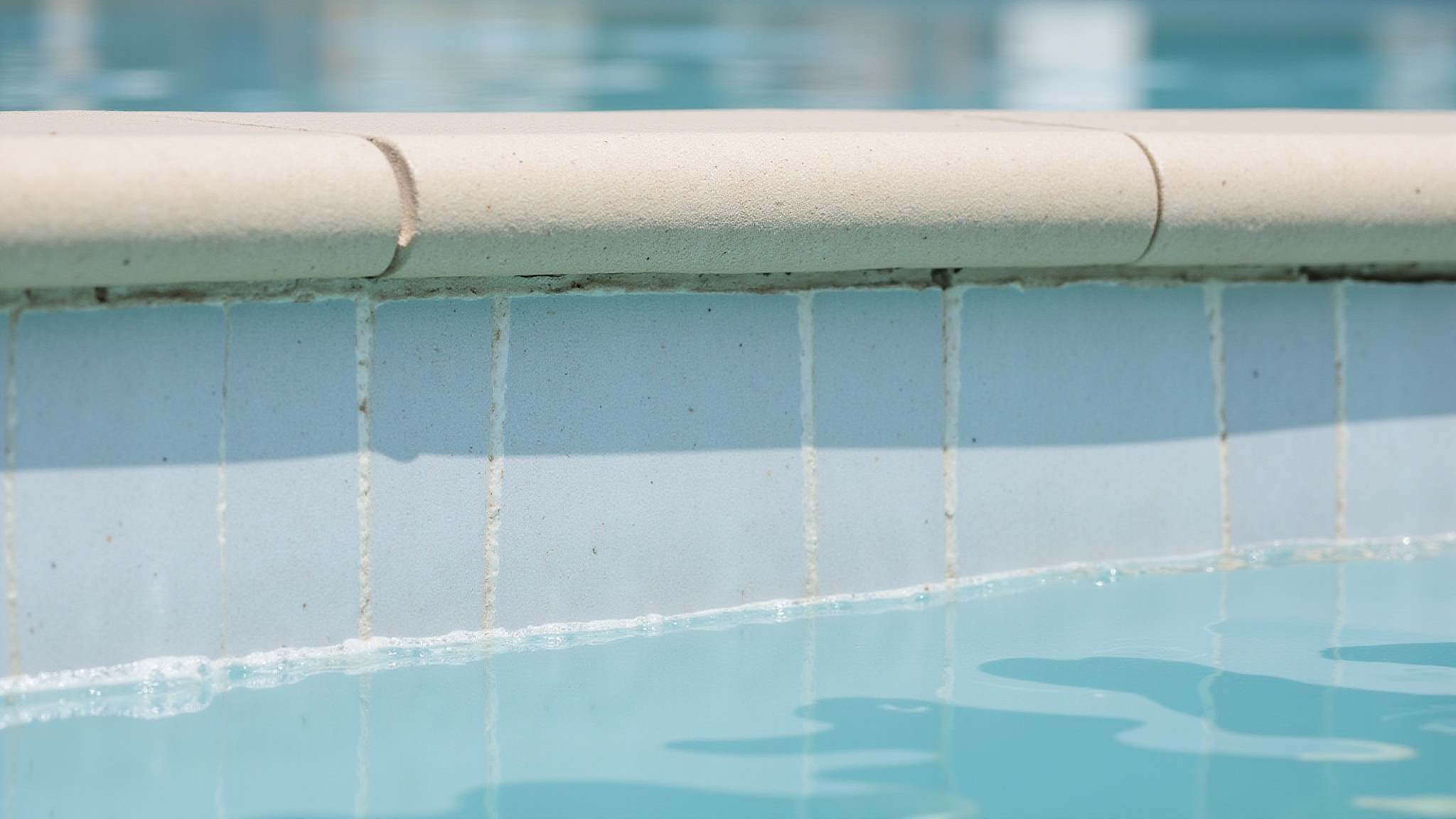
Gunite pool finishes come down to five choices: standard plaster, quartz aggregate, pebble, polished marble, and tile. Plaster’s your budget pick at around $5 per square foot, but you’ll re-coat every 7 to 10 years. Quartz, pebble, and polished marble stretch that lifespan while boosting durability and water color. Tile tops them all, easily surpassing 30 years. Each finish shapes cost, upkeep, and appearance differently, so let’s break down what sets them apart.
Key Takeaways
- Standard plaster is the budget finish (~$5/sq ft), offering crisp blue water but requiring re-coating every 7 to 10 years.
- Quartz aggregate (~$6 to $8/sq ft) reinforces plaster for a smooth, erosion-resistant surface lasting 10 to 15 years.
- Pebble finishes (~$9 to $12/sq ft) provide natural texture, low upkeep, and a long 20 to 30 year lifespan.
- Tile is the premium choice (~$30 to $40/sq ft), delivering endless design options and a lifespan easily surpassing 30 years.
- Compare finishes by cost, lifespan, maintenance, and chemical resistance, plus how each affects water color and light reflection.
What are the main gunite pool finishes

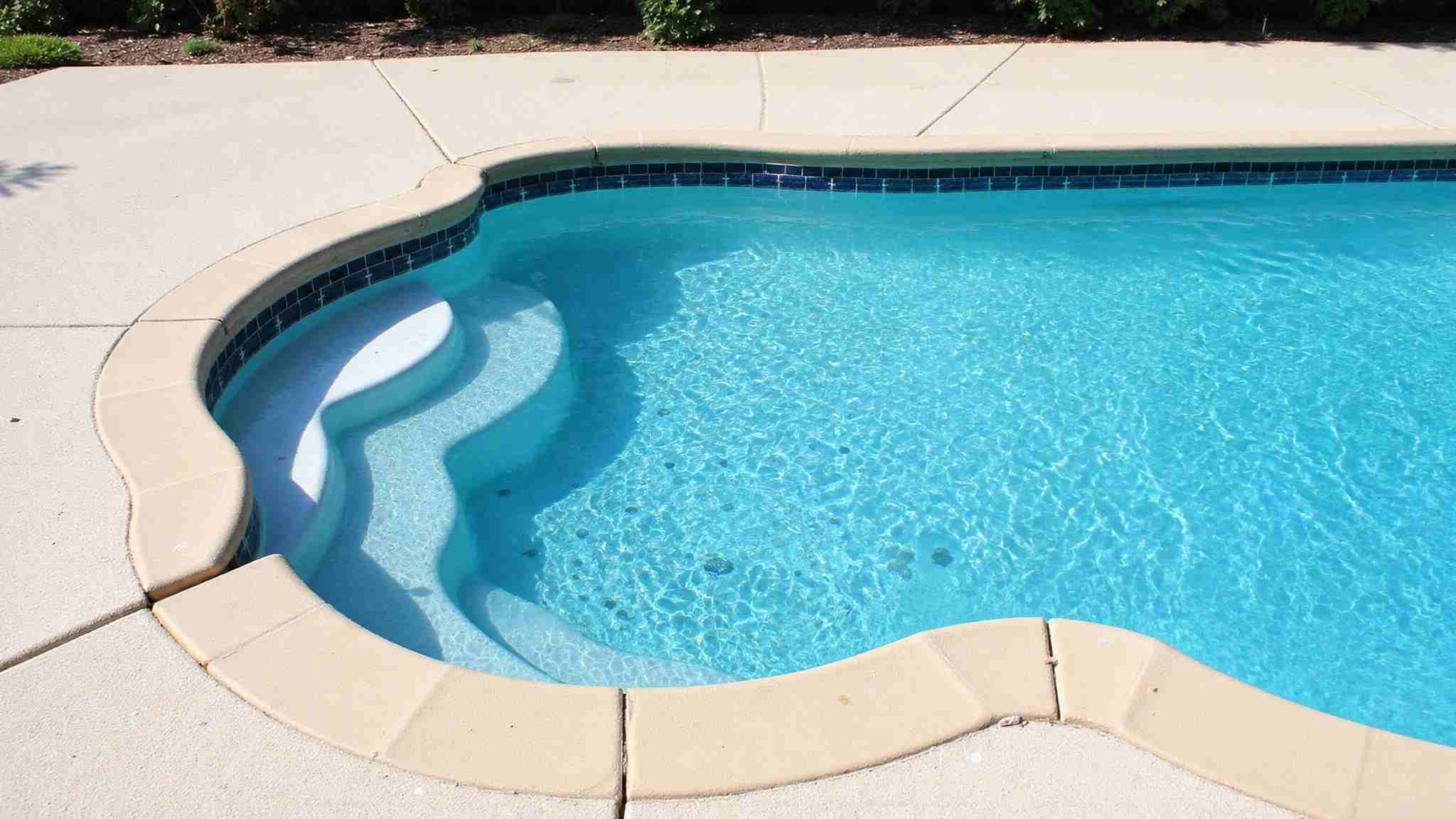
The five main gunite pool finishes are standard plaster, quartz aggregate, pebble, polished marble, and tile, and each one changes how your pool looks, lasts, and costs you over time. Standard plaster blends cement, water, and sand or marble aggregate for a smooth surface at roughly $5 per square foot. Quartz aggregate reinforces plaster with crushed quartz crystals, giving you a silky, smooth-medium texture that reflects sunlight. Pebble finishes embed natural river pebbles in cement for a textured, organic look that outlasts most gunite pool finishes. Polished marble troweled and machine-polished delivers rich, glassy colors with a hotel-grade smooth feel. Tile finishes offer smooth grout lines and infinite pattern possibilities, giving you the longest lifespan at 30+ years. Each finish balances texture, durability, cost, and aesthetics differently, so you’ll choose based on priorities. Waterline tile styles for gunite pools provide a sophisticated touch that can elevate the overall aesthetic of your outdoor space. They also come in a variety of colors and patterns, allowing homeowners to customize their pools to their unique tastes and preferences.
How do plaster, pebble, quartz, and tile finishes compare
Plaster, pebble, quartz, and tile finishes compare across four factors: cost, lifespan, maintenance, and chemical resistance. Among your pool surface options, plaster’s the budget pick at roughly $5 per square foot, but you’ll re-coat it every 7 to 10 years and manage high maintenance. Quartz steps up resistance and stretches to 10 to 15 years. Pebble runs 20 to 30 years with low upkeep, while tile outlasts everything at 30+ years.
| Finish | Cost/sq ft | Lifespan |
|---|---|---|
| Plaster | $5 | 7 to 10 yrs |
| Quartz | $6 to $8 | 10 to 15 yrs |
| Pebble | $9 to $12 | 20 to 30 yrs |
| Tile | $30 to $40 | 30+ yrs |
You’re weighing upfront savings against longevity. Plaster erodes fastest; pebble and tile resist chipping, staining, and chemical imbalances best, justifying their higher investment.
How long does each pool finish last
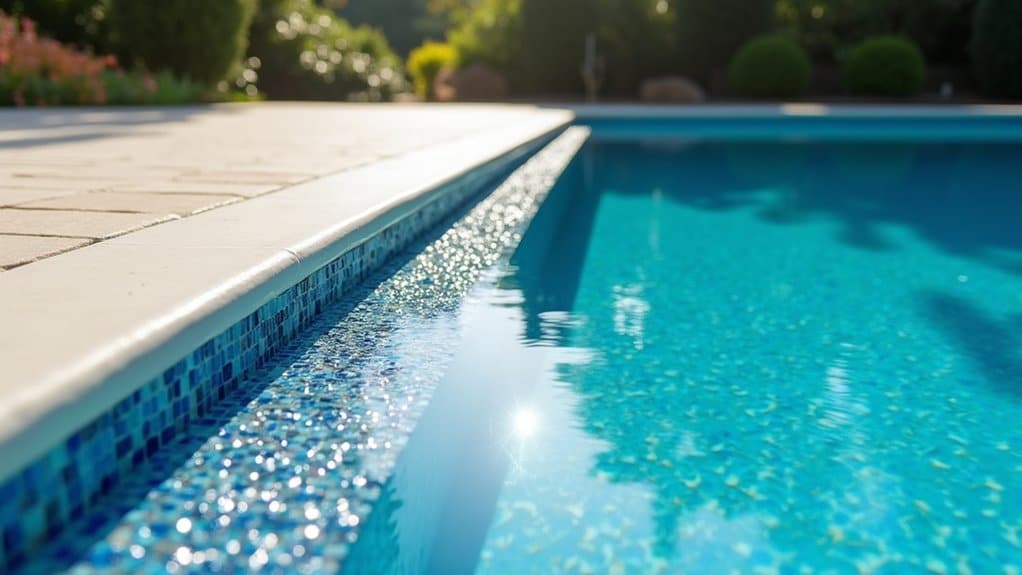
Each pool finish lasts a different length of time before it needs re-coating, spanning anywhere from a single decade to a lifetime. Standard plaster gives you the shortest window, lasting just 7 to 10 years before you’ll need to re-coat. Step up to a quartz finish and you’ll stretch that service life to 10 to 15 years, thanks to its stronger, erosion-resistant surface. Pebble aggregate rewards its premium price by outlasting most options, holding up for 20 to 30 years. Polished marble (Hydrazzo) delivers solid longevity at 15 to 20 years, provided you keep water chemistry dialed in. Tile stands alone at the top, easily surpassing 30 years. Match your budget to the lifespan you actually want.
How does the finish affect water color
Your finish choice directly shapes the color you see in the water. The material’s tone and texture control how light reflects, scatters, and settles, giving you everything from tropical brightness to sophisticated depth.
- Pool plaster (white or light gray): produces a crisp, blue water color that feels bright, open, and timeless.
- Quartz aggregate: catches and reflects sunlight, making water appear more vibrant and dynamic throughout the day.
- Pebble finishes: provide a natural stone palette with texture and depth, creating subtle variations in tone.
- Polished marble: delivers rich, glassy colors with a hotel-grade smooth appearance.
What does each pool finish cost
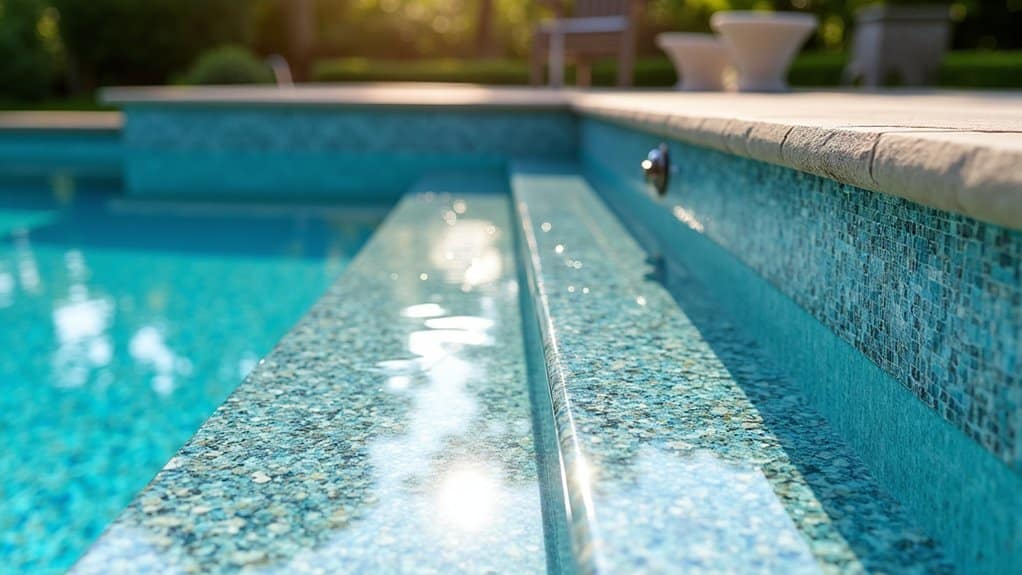
Pool finish costs vary significantly by material. Standard plaster delivers the lowest upfront cost at roughly $5 per square foot, making it the entry point for most projects. Quartz aggregate steps up to $6 to $8 per square foot, giving you a middle-ground option that balances cost against longevity. A pebble finish runs $9 to $12 per square foot, costing 45% to 60% more than plain marcite, but you’re paying for durability. Polished marble lands close, at $8 to $11 per square foot installed. Tile, however, tops the range dramatically at $30 to $40 per square foot. When you weigh these numbers, remember that higher upfront costs often translate into decades of added service life.
How do you choose the right pool finish
Choose the right pool finish by balancing four factors: budget, lifespan, maintenance tolerance, and the water aesthetic you want. Match your priorities against what each material delivers:
- Tightest budget: Standard plaster runs about $5 per square foot but lasts only 7 to 10 years and demands frequent acid-washing.
- Best value: Quartz aggregate ($6 to $8) balances a 10-to-15-year lifespan with moderate care and strong stain resistance.
- Natural look, low upkeep: Pebble ($9 to $12) resists chipping and fading, lasting 20 to 30 years.
- Longest life, highest cost: Pool tile ($30 to $40) exceeds 30 years with infinite patterns.
If you’re chasing glassy, hotel-grade color, polished marble delivers 15 to 20 years at $8 to $11 per square foot.
Conclusion
The finish is the part of the pool you actually touch, look at, and live with every day, and it is also the decision most people rush at the end of a long build. It is worth slowing down for. Plaster gets you in the water for less, while pebble and tile cost more but buy back decades before anyone thinks about resurfacing, and the difference in how the water reads is not subtle. If you want to see how these surfaces behave in real South Florida light rather than on a sample board, Cristallo Pools can walk you through completed projects and help you choose the finish that suits your pool and your budget.
Choosing the Right Gunite Pool Finish
The interior finish sets the look, feel, and longevity of a gunite pool, and the main options, from plaster to pebble, quartz, and full tile, differ in durability, texture, and price. Since a small sample rarely predicts how a surface reads across a whole pool in real light, the best approach is to view finishes in completed projects. A quality finish applied by the same team that builds the shell holds up better and can be refreshed later as part of a wider backyard update.
Call Today and Bring Your Pool Vision to Life
From plaster and pebble finishes to sun shelves and custom shapes, every design element deserves the touch of a skilled team. At Cristallo Pools in Delray Beach, FL, our talented team delivers thoughtful Design and Planning shaped around your style and lifestyle. Call +1 (561) 766-0353 today and turn your outdoor dream into reality.
Frequently Asked Questions
What are the main finish options for a gunite pool?
The most common are plaster, aggregate finishes like pebble and quartz, and full tile interiors. Plaster is the classic, budget-friendly option, while pebble and quartz add durability and texture, and tile offers the most premium, long-lasting look. Each differs in feel, lifespan, and price.
How can I judge a finish color without relying on a sample board?
Small samples rarely predict how a surface reads across a full pool, since color shifts with water, light, and depth. Looking at completed pools in daylight and at dusk, through a gallery or video walkthroughs, gives a far more accurate sense of how a finish will actually behave.
Which finish holds up best in a sunny climate like Florida’s?
Aggregate finishes like pebble and quartz tend to be more durable and fade-resistant than standard plaster, which makes them well suited to strong sun and heavy use. Tile is the most durable of all. The right choice balances how the finish looks with how it will hold up in your conditions.
Does the same team that builds the shell also apply the finish?
Ideally, yes. The finish is the final stage of a build, and having the same team carry it through keeps quality and accountability consistent. It also avoids the gaps that can appear when the finish is handed to a separate contractor.
Can I talk through finish options before committing to a full project?
Yes, and it is worth doing. A good builder will walk you through the look, durability, and cost of each finish so you can weigh the trade-offs. Discussing options early helps you choose a finish that fits both your style and your budget.
Does a builder’s industry recognition say anything about finish workmanship?
It can be a useful signal. Awards and recognition often reflect consistent quality and attention to detail, which show up in finish work. It is still worth pairing that with a look at completed projects to judge workmanship for yourself.
Can a finish be updated as part of a wider backyard project?
Yes. Resurfacing with a new finish pairs naturally with a broader update to tile, coping, decking, or features, so many owners combine them. Doing the work together keeps the result cohesive and can be more efficient than tackling each piece separately.