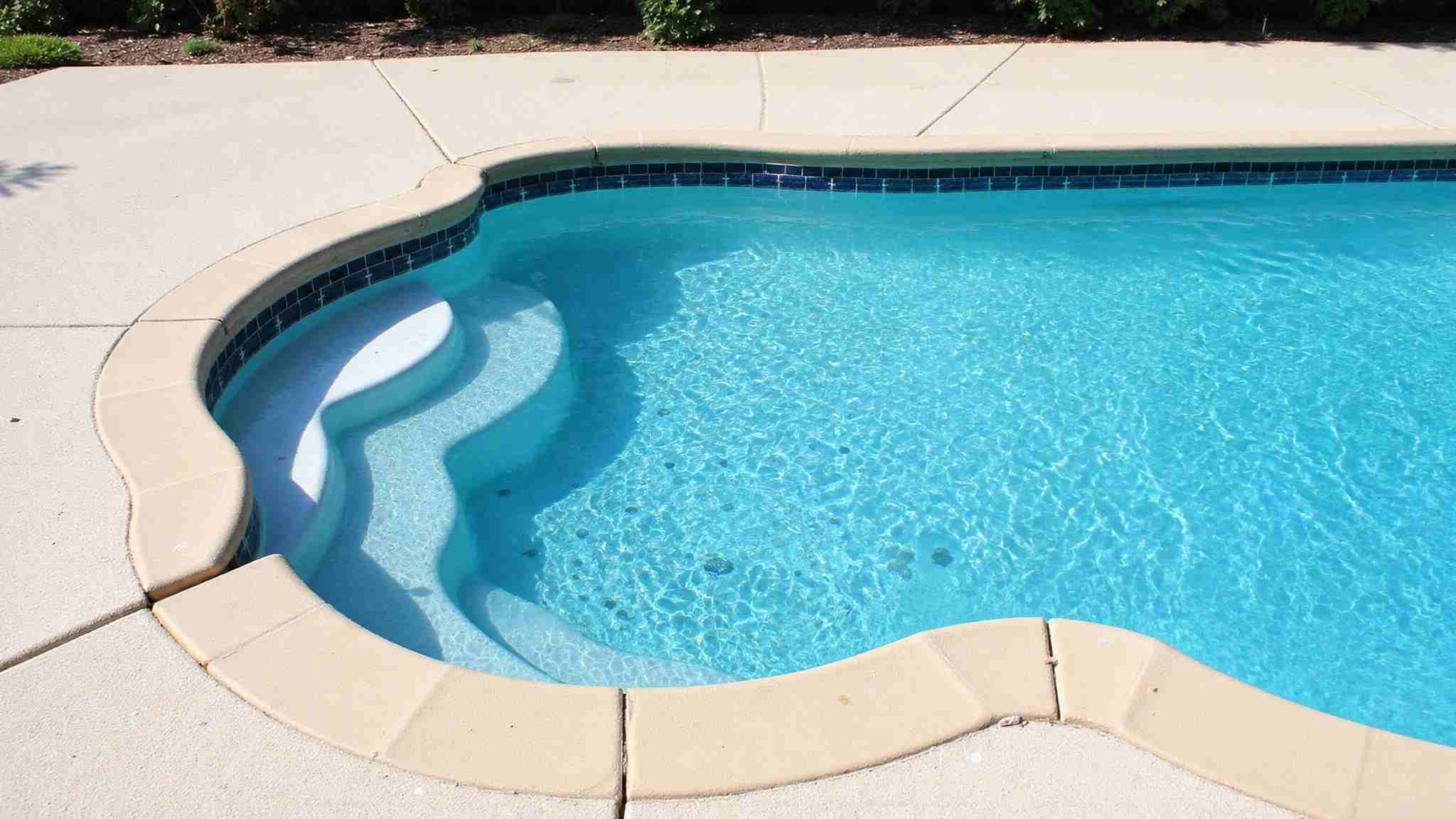
Most lap pools range from 3.5 to 5 feet deep because that’s the sweet spot for safe, efficient fitness swimming. At 3.5 to 4 feet, you’ll stand comfortably and execute open turns with confidence. At 4 to 5 feet, you’ve got clearance for flip turns, underwater push-offs, and multiple stroke types. Choosing the right depth within this range depends on your height, training style, and budget, factors we’ll break down below.
Why Most Lap Pools Are 3.5 to 5 Feet Deep
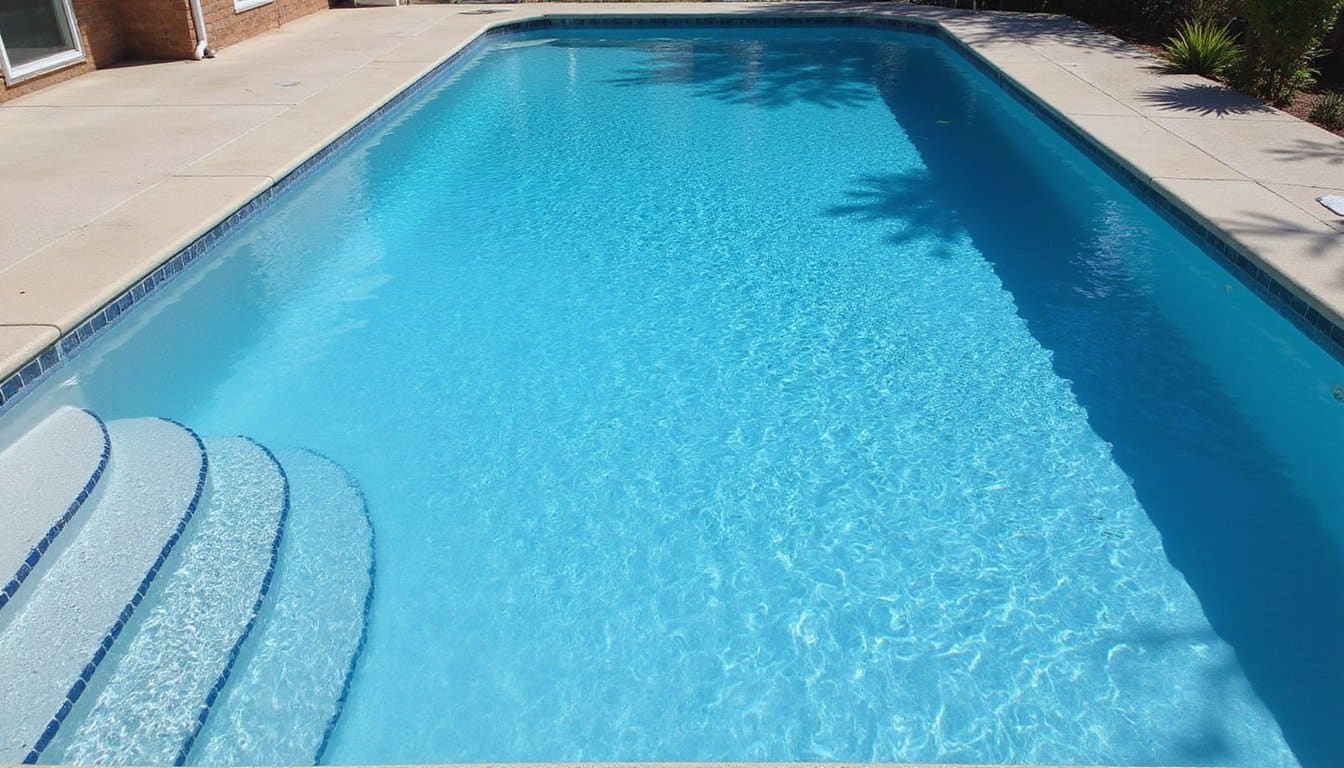
Because lap pools serve a specific purpose, uninterrupted fitness swimming, their depth doesn’t need to match recreational or competitive designs. Most residential lap pools fall within 3.5 to 5 feet because this range supports safe, efficient stroke mechanics without excessive construction costs.
When you’re evaluating lap pool depth requirements, consider that swimmers stay horizontal during laps. You don’t need 8-foot depths unless you’re incorporating diving, which most lap pools exclude entirely. A uniform floor at approximately 4 feet lets you turn confidently, maintain rhythm, and stand comfortably when needed. Deeper pools like the 2008 Beijing Olympic pool, with a depth of 3 meters, produced 25 world records partly because greater depth absorbs waves and reduces turbulence.
The ideal lap pool depth balances usability against excavation volume, water heating demands, and structural complexity. Staying within this proven range reduces your build cost, simplifies maintenance, and delivers the consistent swimming environment that fitness-focused owners actually need.
What Lap Pool Depth Lets You Do at Each Level
Once you move beyond the general 3.5-to-5-foot range, it helps to understand exactly what each depth level enables, and where it limits you. When reviewing pool lane depth guidelines, consider these benchmarks:
Every extra foot of depth unlocks new capabilities, but also adds cost, so match depth to your actual training needs.
- 3.5 to 4 feet, You can perform basic lap swimming, execute open turns, and stand comfortably for rest breaks. This depth suits standard stroke work without diving.
- 4 to 5 feet, You’ll accommodate multiple strokes, taller swimmers, and mixed fitness routines. Most residential lap pool dimensions pair well with this range.
- 5 feet and above, You gain clearance for flip turns, underwater push-offs, and diving starts associated with competitive-style training.
Each additional foot affects excavation cost, water volume, and heating demand, so match depth precisely to your intended use. Shallower pools are also harder to heat consistently, making depth a factor in long-term energy costs.
How Lap Pool Depth Affects Your Stroke and Turns
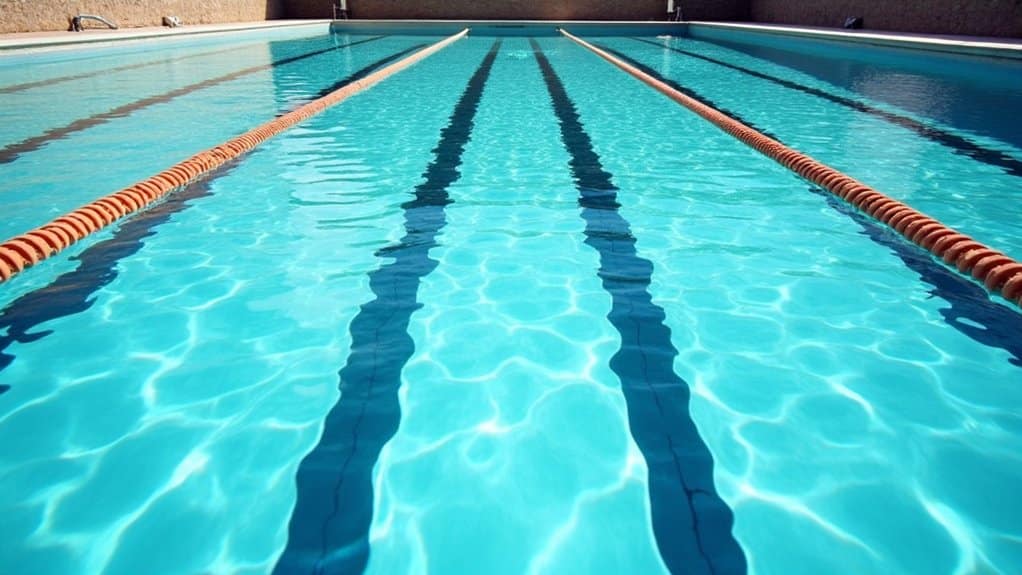
Knowing what each depth level allows is only part of the picture, pool depth also shapes how your body moves through every stroke cycle and wall interaction. In shallower water, your legs and feet ride closer to the bottom, disrupting your horizontal streamline and increasing drag. A deeper lap pool depth supports cleaner body alignment during freestyle, backstroke, and butterfly.
Turns amplify depth’s influence on performance. Flip turns require vertical clearance for the tuck and rotation phase, shallow floors restrict this movement and compromise push-off quality. Since your underwater glide after each wall is faster than surface swimming, adequate depth preserves that speed advantage. Research confirms that turn performance significantly affects overall race outcomes, making proper depth essential for executing powerful push-offs and streamlined underwater phases.
When evaluating swim training pool design, prioritize depth that maintains stroke mechanics and safe wall interactions rather than defaulting to the shallowest option available.
How to Match Lap Pool Depth to Your Workout
Your workout structure should guide the depth you choose for your lap pool. If you’re focused on steady, endurance-based laps, a uniform depth of around 4 feet provides a stable, predictable environment for maintaining consistent stroke rhythm across repeated lengths. For interval training that mixes fast repeats with short recovery periods, a depth of 4 to 5 feet gives you enough room for strong push-offs and comfortable standing breaks between sets.
Steady Laps Depth Choice
Because steady lap swimming keeps you horizontal for extended periods, the pool’s depth matters less than you might expect, but it still needs to fall within a practical range. For your steady laps depth choice, a uniform floor between 3.5 and 5 feet supports a consistent stroke rhythm without unnecessary excavation or water volume.
When selecting your lap pool depth, consider these benchmarks:
- 3.5 feet, the shallowest recommended depth, suitable for shorter adults focused on endurance sets.
- 4 feet, the most common choice, deep enough for wall turns and brief standing rest between lengths.
- 5 feet, a flexible upper option that accommodates taller swimmers and multiple stroke styles.
Match depth to your turning needs, stroke preferences, and rest habits rather than defaulting to the deepest available option.
Interval Training Depth Needs
Interval training demands more from your pool’s depth than steady-state lapping does. Repeated push-offs, streamlines, and flip turns increase your exposure to the pool floor, so your lap lane pool depth needs adequate clearance. At 3.5 feet, you’ll manage basic intervals, but faster sprint repeats amplify wake reflection and boundary-layer drag near the bottom.
A uniform depth closer to five feet gives you safer margins during aggressive wall push-offs and reduces shallow-water turbulence on speed sets. Your exercise pool measurements should account for the higher turn frequency in pyramid and descending sets, where consistent depth keeps pacing reliable. If you’re training multiple times per week with structured intervals, prioritize that additional depth, it protects your stroke mechanics and minimizes bottom-contact risk during acceleration phases.
When a Deeper Lap Pool Actually Makes Sense
If you’re training across multiple strokes, butterfly, backstroke, breaststroke, and freestyle, a deeper pool helps you maintain proper technique without risking contact with the bottom during wide-ranging arm pulls and strong kick patterns. Mixed-use training that combines drills, interval sets, and stroke variety demands a water column that accommodates each movement’s unique depth requirements. In these cases, a depth of at least 4.5 to 5 feet gives you the clearance you need to train safely and effectively across all four competitive strokes.
Mixed-Use Training Needs
While a uniform 3.5, 5 ft depth works well for straightforward fitness swimming, you’ll want to contemplate a deeper profile when your training plan extends beyond steady laps. When comparing shallow versus deep lap pools, consider how mixed-use demands shift depth requirements considerably.
A deeper lap pool becomes practical when your routine includes:
- Flip turns and drill sets where additional clearance reduces bottom interference and supports proper rotation mechanics.
- Water jogging and cross-training, where partial buoyancy at mid-depth improves conditioning without compromising standing safety.
- Coaching sessions where 4, 5 ft water lets adults stand, observe technique, and reset between efforts comfortably.
Greater depth increases excavation, water volume, and maintenance costs. Balance your training flexibility against these tradeoffs, overbuild only when your swimmer profile genuinely demands it.
Accommodating Multiple Strokes
Because each competitive stroke demands a distinct body position, kick pattern, and arm recovery path, depth requirements shift meaningfully once your training moves beyond freestyle-only laps. Butterfly’s simultaneous over-water recovery and dolphin kick create the greatest depth sensitivity, while breaststroke’s wide arm sweep feels cramped when the floor sits close to your stroke path.
When evaluating how deep a lap pool should be for multi-stroke sessions, you’ll want enough clearance for flip turns, underwater dolphin kick drills, and backstroke body rotation without floor contact. Current lap pool construction standards commonly place minimum depth at approximately 1.2 meters for non-diving installations, but aggressive wall push-offs and butterfly breakout work benefit from additional vertical room. If your training regularly includes all four competitive strokes, prioritizing depth beyond the bare minimum protects both technique quality and swimmer safety.
How Lap Pool Depth Changes Your Build Costs
Consider how depth impacts your budget across key areas:
- Excavation: Deeper digs require additional machine time, hauling, and potential utility relocation, costs that compound quickly on constrained lots.
- Structure: Greater depth increases wall pressure, often requiring upgraded reinforcement to meet swimming lane pool requirements and local codes.
- Volume: More water means higher heating, filtration, and chemical expenses throughout the pool’s lifespan.
Bring Resort-Style Spa Living Home
Whether you’re investing in a lap pool, swim spa, or endless pool, expert design and installation make the difference between good and unforgettable. At Cristallo Pools in Jupiter, FL, our experienced team provides trusted Spa Additions with luxury craftsmanship and a personalized approach. Call +1 (561) 766-0353 today and start designing the perfect addition for your backyard.
Frequently Asked Questions
Can You Swim Laps in a Pool Shorter Than 30 Feet?
You can swim laps in a pool shorter than 30 feet, but you’ll face frequent turns that interrupt your stroke rhythm and reduce workout efficiency. Most experts recommend 30 to 40 feet as a practical minimum for effective lap swimming. In shorter pools, you’re better off focusing on interval training, technique drills, or resistance-based exercises. Prioritize length over depth when planning a lap pool for consistent fitness results.
Does a Shallower Lap Pool Need a Different Filtration System?
No, you don’t need a different filtration system just because your lap pool is shallower. You’ll still choose between sand, cartridge, or DE filters based on maintenance preference, budget, and water-clarity goals. What changes is your total water volume, a shallower pool holds less water, so you may need a smaller pump and filter capacity. You should always size your system to achieve proper turnover and circulation rates.
Are Fiberglass Lap Pools Available in Custom Depth Options?
Fiberglass lap pools offer depth options, but they’re tied to preset manufacturing molds rather than fully custom specifications. You’ll typically choose from models with depths ranging from 3.5 to 5.5 feet, with some larger designs reaching 6.5 feet or more. Manufacturers let you customize length, width, and layout more freely than depth. You should review each manufacturer’s available molds to find a depth that meets your swimming and safety requirements.
How Does Lap Pool Depth Affect Indoor Humidity and Ventilation Needs?
Depth influences your indoor pool’s water volume, which affects how quickly water temperature changes and how much moisture enters the air. A deeper pool holds more thermal mass, helping stabilize temperatures and reduce evaporation swings. However, your dehumidification system should be sized based on surface area, water temperature, bather load, and ventilation rates, not depth alone. You’ll want to maintain 50%, 60% relative humidity to protect both occupants and building materials.
Do Local Building Codes Restrict Residential Lap Pool Depth?
Most local codes don’t set a maximum depth for residential lap pools. Instead, they regulate safety features like barrier heights, drain placement, and structural design. If you add a diving board, you’ll need to meet minimum depth requirements, often 8 feet 6 inches or more. You should check your municipality’s specific rules, since permit requirements, enclosure standards, and plan-review processes vary by jurisdiction and can directly affect your pool’s design.