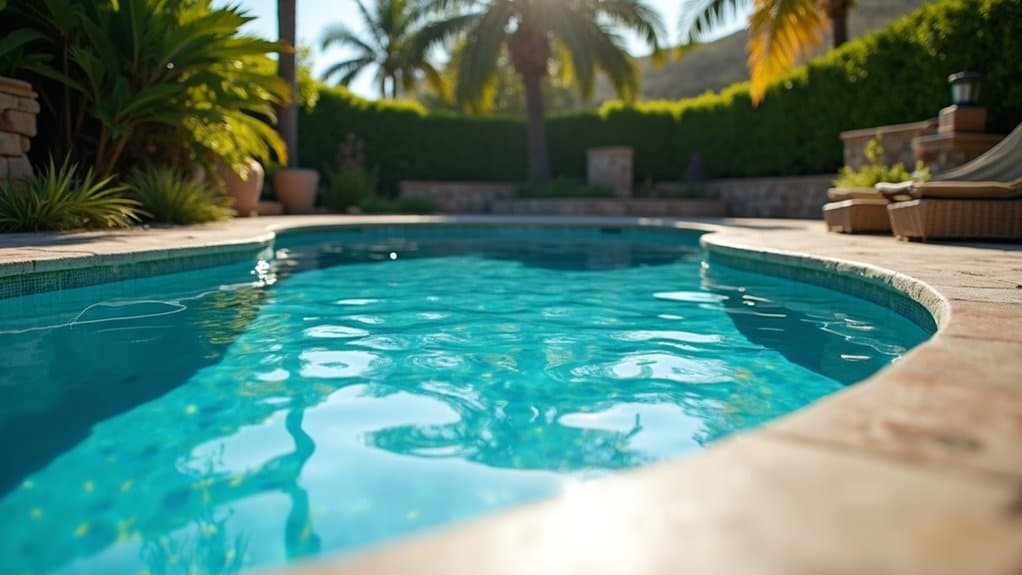
Your lap pool installation will typically take 8 to 16 weeks from excavation to startup. You’ll spend 2 to 8 weeks on permitting and design before construction begins. Excavation, steel reinforcement, plumbing rough-ins, and shotcrete application move quickly, but the shell needs 7 to 10 days to cure. Finishing, decking, and final inspections add another 1 to 3 weeks. Factors like weather delays, permit backlogs, and material shortages can push your project well beyond that 16-week mark.
Why Lap Pool Installation Takes 8 to 16 Weeks
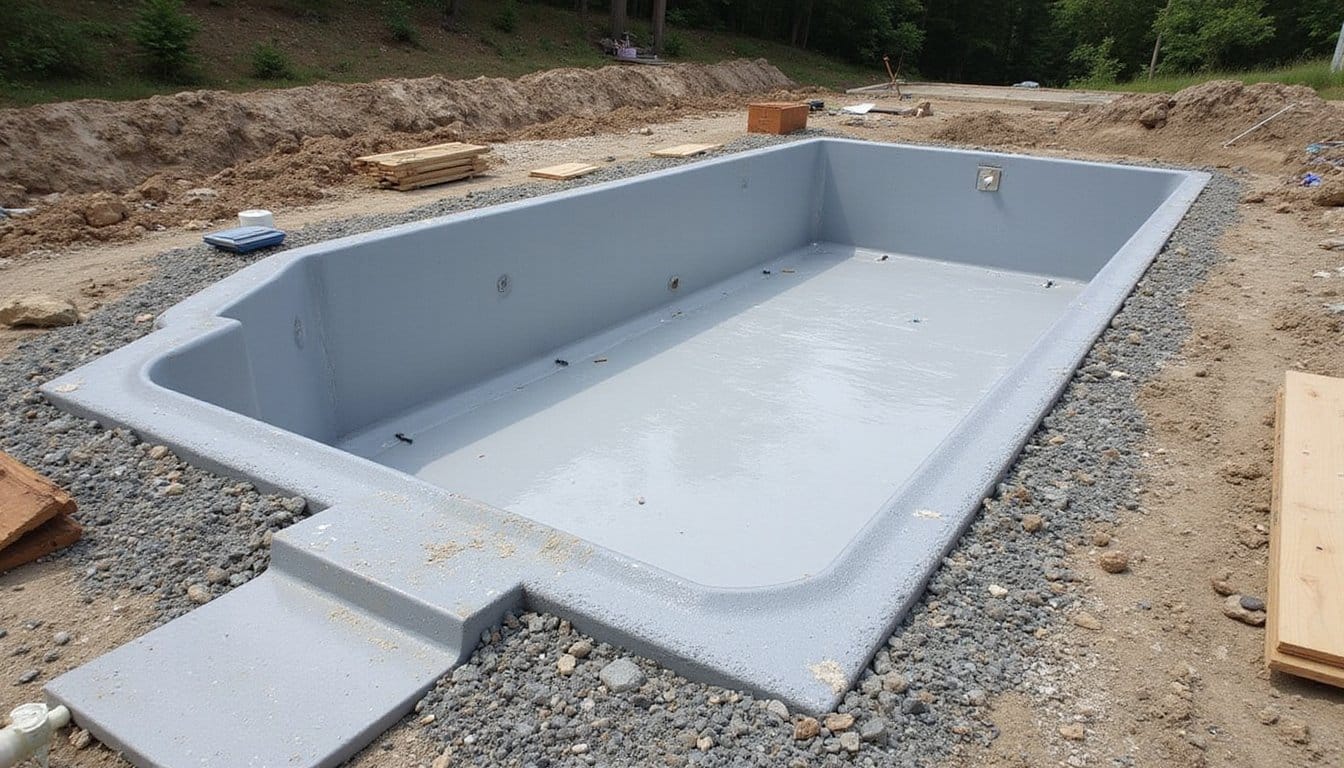
Although most homeowners expect a lap pool to go from empty yard to finished project in a matter of weeks, the realistic window sits between 8 and 16 weeks, and several overlapping factors explain why. Lap pool dimensions for adult swimmers often require specific considerations to ensure both comfort and usability. A standard lap pool typically measures at least 40 feet in length and 8 feet in width, accommodating competitive swimming needs.
Your lap pool construction schedule depends on shell type, site conditions, trade sequencing, and local inspection timelines. The swimming pool construction timeline stretches because each phase, excavation, structural work, plumbing, electrical, finishing, and startup, must follow a specific order. Concrete pools alone require 2, 4 weeks of structural build time before curing even begins. Improving fitness with lap swimming is an excellent way to enhance overall health while minimizing impact on joints. Regular swimming sessions can develop endurance and strength, making it a popular choice for many fitness enthusiasts.
Weather delays, crew availability, and equipment lead times push many projects toward the longer end. The lap pool installation process isn’t one continuous task, it’s a coordinated sequence where inspections, material deliveries, and curing periods create unavoidable gaps between phases. Building during fall or off-season can help save 1, 3 weeks by reducing scheduling conflicts and improving material availability.
Permits and Design Before Your Lap Pool Installation Begins
Before any excavator touches your property, the permitting and design phase typically consumes 2 to 8 weeks, a window that runs entirely separate from the 8- to 16-week construction timeline.
Your design decisions should be finalized before permit submission. This includes pool dimensions, equipment specifications, plumbing runs, steel schedules, and deck layouts. Expect collaborative design work to take 2 to 4 weeks when customization is involved. A professional surveyor should be engaged for accurate site measurements to assess topography, soil type, and utility line locations before design work begins.
The permitting timeline depends on your local building department’s workload. You’ll need plot plans, grading documents, electrical layouts, and safety compliance details submitted as a complete package. Permit approval can arrive in days or stretch to several months during peak spring and summer seasons. Starting early and submitting thorough documentation reduces revision cycles and protects your overall installation schedule.
Excavation Through Shell Installation, Week by Week
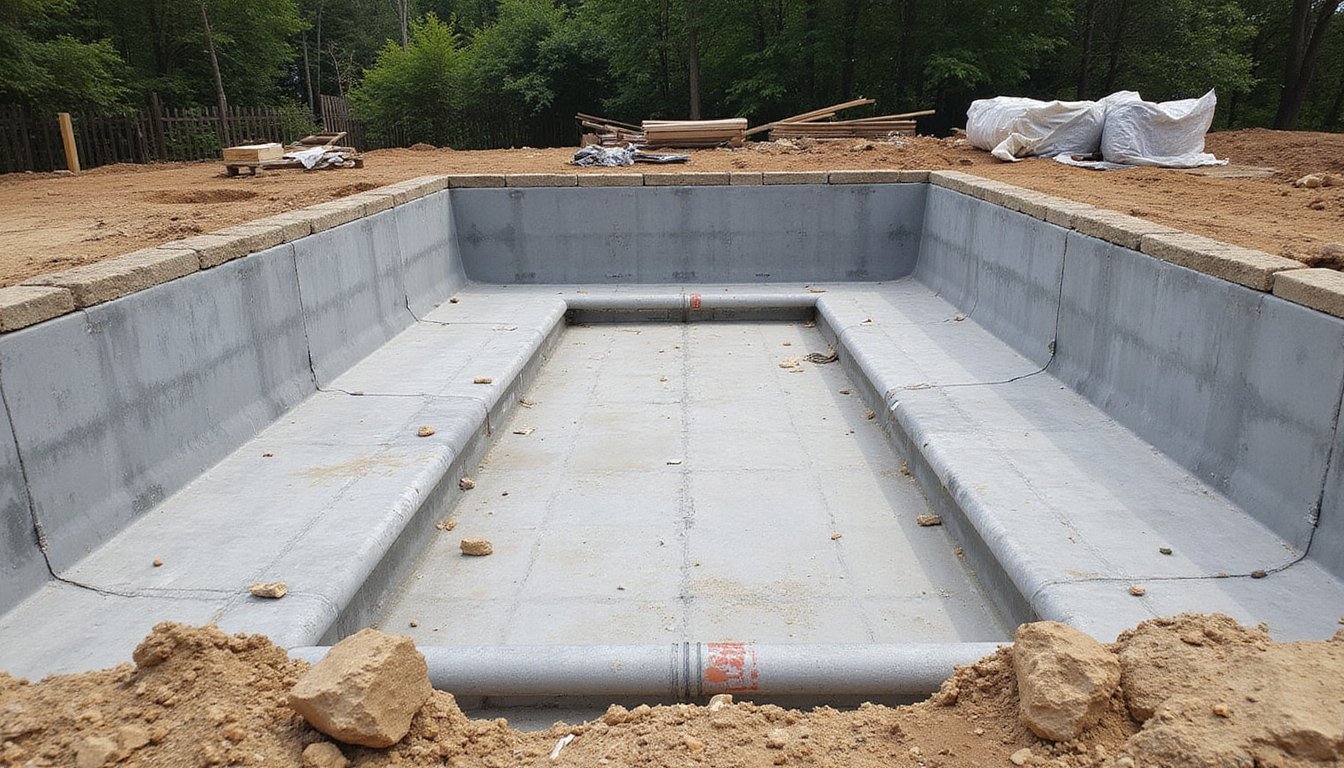
Next, crews install structural steel and reinforcement, typically 2 to 3 days for standard designs. Plumbing rough-ins follow, adding 1 to 3 days before inspection.
Once inspections pass, shotcrete or gunite shell installation proceeds, often completing in a day or two. You’ll then wait 7 to 10 days minimum for curing before the next phase begins. Weather delays or mid-project design changes can push this entire sequence toward the longer end. Concrete pools require longer curing time compared to vinyl or fiberglass alternatives, which is one reason lap pools built with gunite often fall toward the upper range of the timeline.
Finishing, Decking, and Final Lap Pool Inspection
After deck completion, you’ll move into final inspection and startup. Inspectors verify structural, plumbing, electrical, and finish work before clearing the project. This step averages 1 to 3 days but depends on local jurisdiction efficiency and whether corrections are required. Once approved, your contractor fills the pool, activates equipment, and balances water chemistry. Trade coordination across electricians, finish crews, and startup technicians directly affects whether you close out on schedule.
What Pushes Lap Pool Installation Past 16 Weeks?
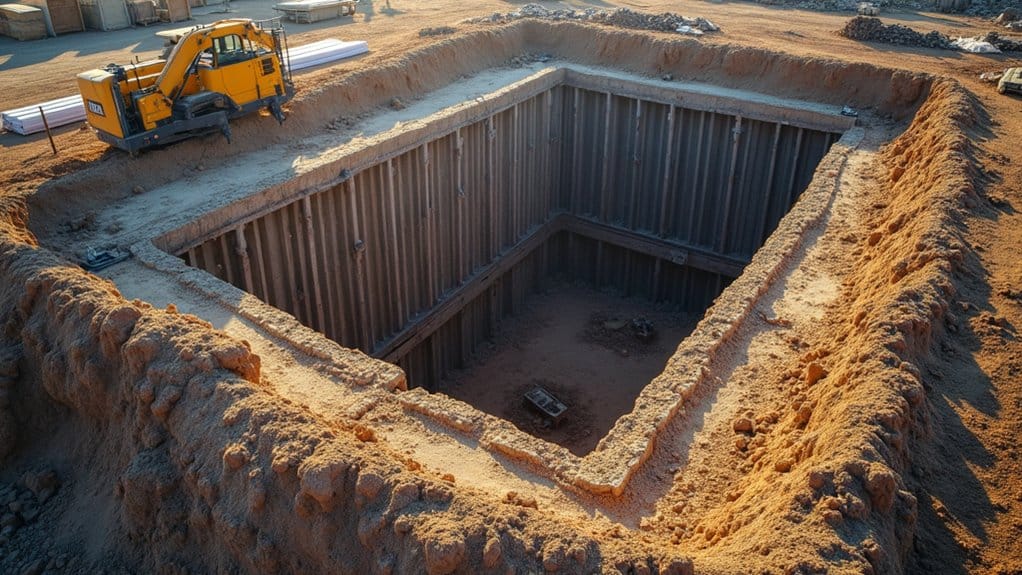
Most lap pool projects wrap up within 8 to 16 weeks, but several factors can push your timeline well past that window. Delayed permit approvals from slow municipal reviews, HOA layers, or plan resubmissions can stall your start date by weeks. Weather-related stoppages from heavy rain, high winds, or seasonal storms halt excavation, concrete work, and decking, cascading into missed crew availability.
Labor availability and contractor backlog during peak season can push phase starts well beyond initial estimates. Supply chain delays on pumps, filters, or specialty finishes stall multiple tasks simultaneously. Rocky soil, difficult site access, or mid-project scope changes compound these issues further. When several of these factors overlap, your project can easily extend beyond 20 weeks.
Bring Resort-Style Spa Living Home
Whether you’re investing in a lap pool, swim spa, or endless pool, expert design and installation make the difference between good and unforgettable. At Cristallo Pools in Jupiter, FL, our experienced team provides trusted Spa Additions with luxury craftsmanship and a personalized approach. Call +1 (561) 766-0353 today and start designing the perfect addition for your backyard.
Frequently Asked Questions
Can a Lap Pool Be Installed During Winter Months?
Yes, you can install a lap pool during winter months, especially in mild or temperate climates. You’ll often find lower costs, saving $3,000 to $6,000, and better builder availability. However, freezing ground can complicate excavation, and weather interruptions may extend your timeline. Fiberglass installations move fastest at 3, 6 weeks, while gunite pools take 3, 6 months, increasing winter exposure risk. You’ll want to consult local contractors and plan early for permits and site winterization.
How Much Does a Typical Lap Pool Installation Cost?
You’ll typically spend $40,000 to $80,000 for a fully installed inground lap pool, with most homeowners landing around $60,000. A standard 40-foot pool averages about $45,000, while a 25-meter pool can exceed $100,000. Concrete/gunite runs $55, $72 per square foot, and vinyl drops to roughly $21 per square foot. Factor in excavation ($1,000, $1,500), permits (~$1,000), and labor accounting for 25%, 50% of your total budget.
Do Lap Pools Increase Home Resale Value?
A lap pool can increase your home’s listing price by roughly 5% to 10%, though you’ll typically recover only 40% to 50% of your installation cost at resale. You’ll see stronger returns in warm-climate markets, Fort Myers, Florida, for example, showed a 20.4% pool premium. In colder regions, your return drops further. A well-maintained, in-ground lap pool in a compatible neighborhood gives you the best resale position.
How Long Do Lap Pools Last Before Needing Major Repairs?
Concrete lap pools often last 50+ years before needing major structural work, though you’ll typically resurface every 10 to 15 years. Fiberglass pools can go 25 to 30 years before significant repairs arise. Vinyl liner pools hold structurally for 20 to 30 years, but you’ll replace the liner every 7 to 10 years. Maintaining balanced water chemistry, scheduling annual inspections, and addressing minor damage promptly will extend these timelines considerably.
Can I Swim Laps in a Pool Shorter Than 40 Feet?
You can swim laps in a pool shorter than 40 feet, but you’ll turn more frequently, which interrupts your stroke rhythm. Many sources cite 30 feet as a practical minimum for home lap swimming. Shorter pools work better for drills, water jogging, and interval sets than sustained distance training. You’ll also want at least 4 feet of depth, a clear rectangular lane, and side-placed entry stairs to keep your swim path unobstructed.