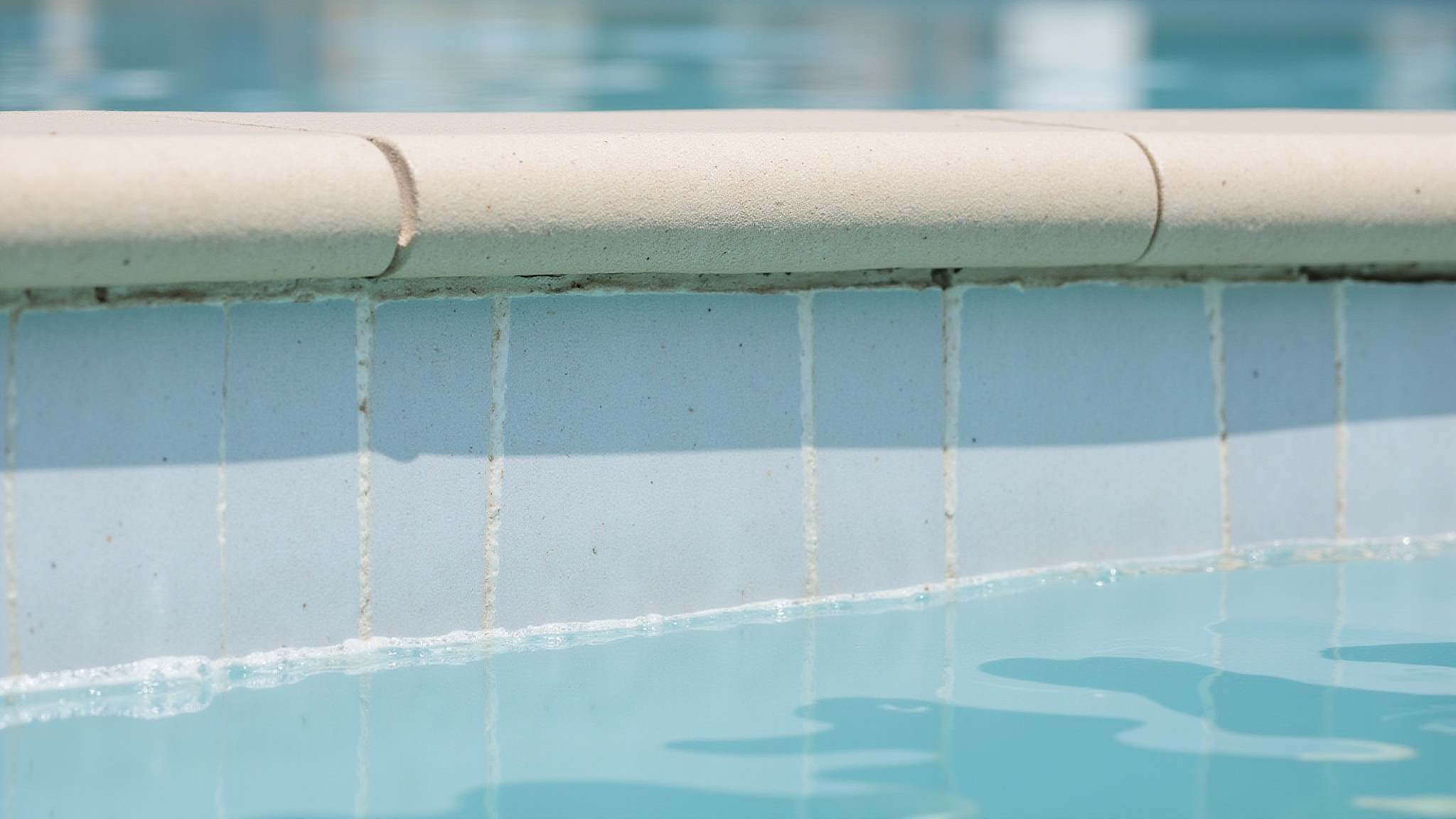
A vinyl liner pool uses prefabricated steel, aluminum, or polymer walls with a flexible PVC liner as the waterproof barrier, giving you a fully custom inground pool for roughly $25,000 to $65,000, about half the cost of concrete. You’ll need to budget for liner replacements every 7 to 15 years at $4,000 to $10,000, but the lower entry price makes it the most budget-friendly inground option. Below, you’ll find the full cost breakdowns, maintenance details, and design options to help you decide.
What Is a Vinyl Liner Pool?
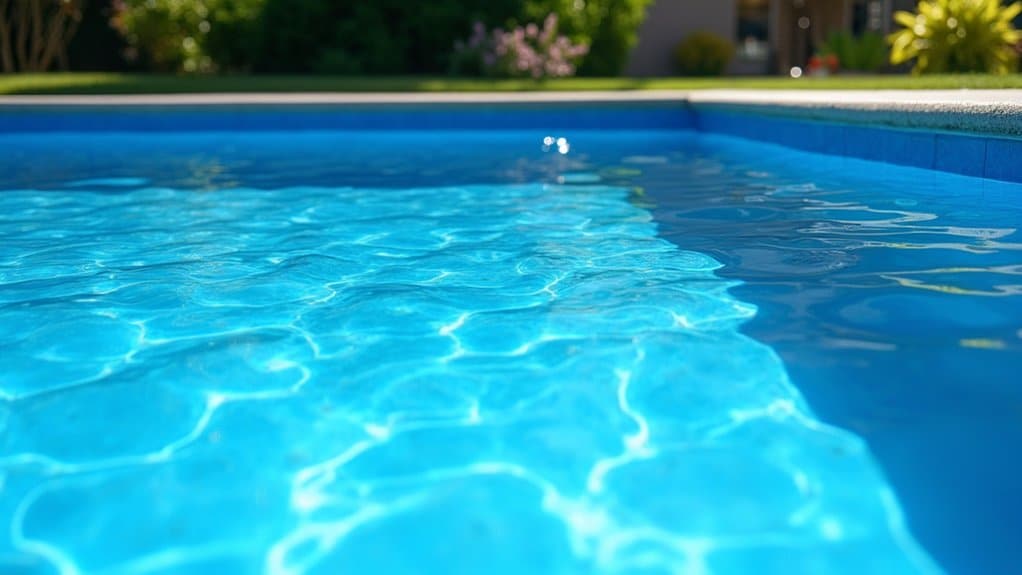
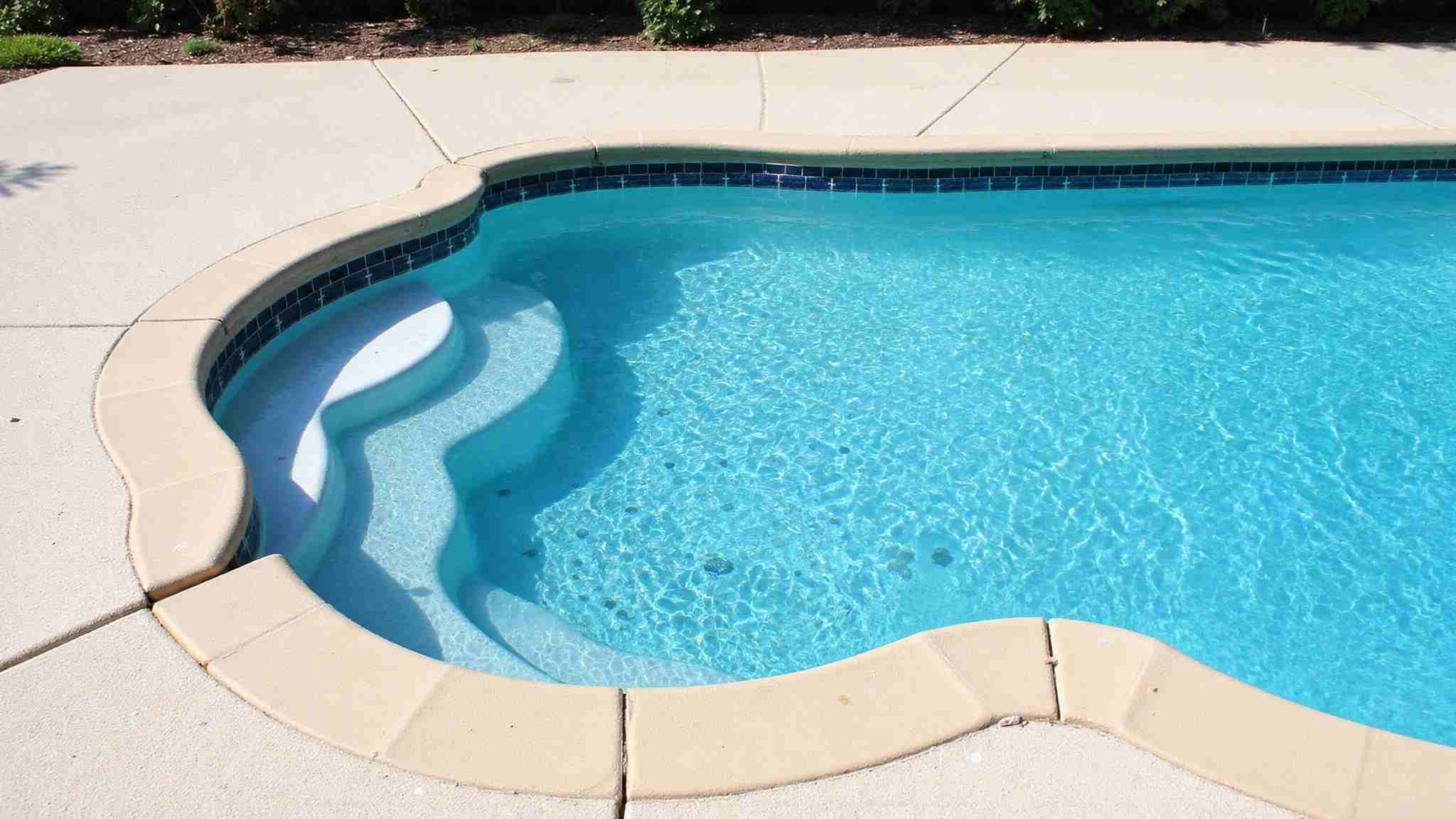
A vinyl liner pool is an inground swimming pool built with a structural wall system and a flexible PVC liner that serves as the waterproof barrier holding the water in place. The walls, typically galvanized steel, aluminum, or polymer, form the pool’s shape, while a sand or vermiculite base creates the floor surface.
The liner snaps into a track along the pool’s top edge, creating a smooth, comfortable interior that’s softer underfoot than concrete or plaster. Because the structural walls aren’t waterproof on their own, the vinyl liner pool depends entirely on that fitted liner to contain water.
You’ll find this design uses prefabricated components assembled onsite, which keeps installation efficient. The liner is a replaceable wear item, so you can refresh your pool’s appearance without rebuilding the structure. Under proper maintenance, vinyl liners typically last 6 to 12 years before needing replacement.
Why Do Vinyl Liner Pools Cost Less Upfront?
Because vinyl liner pools rely on prefabricated wall panels and a flexible PVC liner rather than a poured concrete shell, they require less labor, fewer specialized materials, and shorter build timelines, all of which drive down initial construction costs. Most installed vinyl liner pools range from $25,000 to $65,000, well below typical concrete pool budgets.
Vinyl pool construction skips the curing and finishing stages concrete demands, reducing contractor hours and equipment time on site. The liner itself serves as the waterproof surface, eliminating expenses for plaster or tile interiors. You’ll also find that custom shapes don’t escalate costs as sharply as they do with concrete. However, this lower entry price partially reflects deferred expenses, liner replacement every 5 to 15 years shifts some cost into future ownership rather than the original build. When that time comes, homeowners can expect to pay $2,000 to $7,500 for a new liner depending on pool size and material quality.
How Much Does a Vinyl Liner Pool Actually Cost?
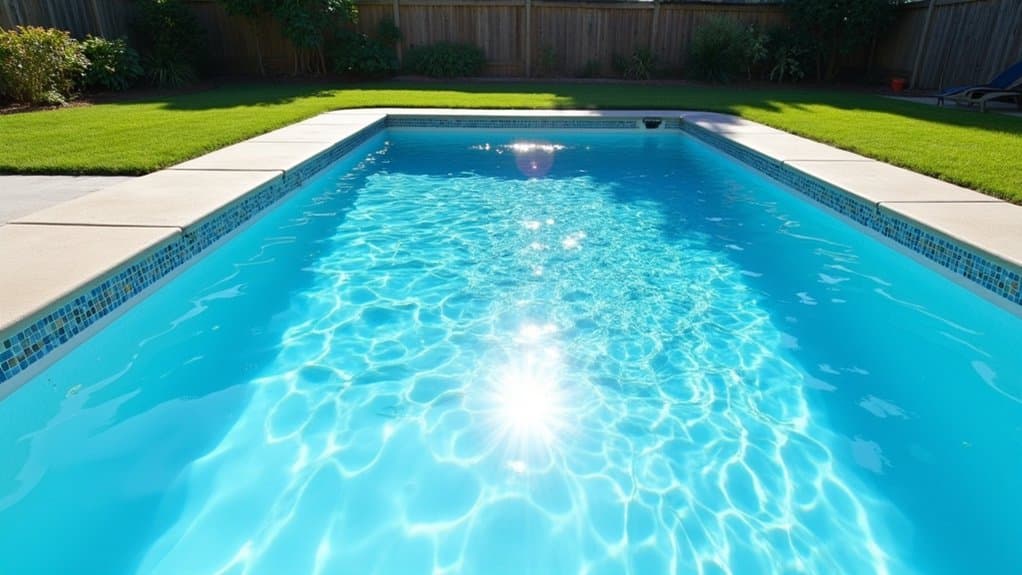
Size drives cost directly. A 200-square-foot pool starts around $16,600 to $32,600, while a 500-square-foot pool jumps to $41,500 to $81,500. Shape, tanning ledges, benches, and coping add further.
DIY installation can save $10,000 to $15,000, but requires significant skill and equipment access. Regional labor differences alone swing pricing 20% to 40% for identical designs. Local building codes may require fencing, gates, or alarms, which affect your overall project cost.
Factor in liner replacements every 5 to 15 years at $3,000 to $8,000 each, and your 10-year ownership total lands between $52,125 and $107,125.
How Long Does a Vinyl Liner Last?
You can expect a vinyl liner to last roughly 7 to 15 years, though actual lifespan depends heavily on your maintenance habits, water chemistry, and climate exposure. Once replacement becomes necessary, you’ll typically spend between $4,000 and $10,000 depending on pool size and local labor rates. Factoring this recurring cost into your ownership budget guarantees you’re comparing vinyl liner pools accurately against fiberglass and concrete alternatives.
Typical Liner Lifespan
Most vinyl liners last between 7 and 15 years before they’ll need replacement, though the actual range depends heavily on water chemistry, installation quality, UV exposure, and how consistently you maintain the pool.
The typical lifespan breaks down by setup:
- In-ground liners generally last 10, 20 years with strong care
- Above-ground liners average 6, 10 years before replacement
- Saltwater pools see liner life around 8, 12 years
- Well-maintained liners can exceed 15 years under ideal conditions
- Poorly maintained liners may fail in as few as 5, 7 years
You should budget for at least one liner replacement per decade of ownership. Replacement costs typically run $4,000 to $10,000, making this a predictable but significant long-term expense you’ll want to plan for.
Replacement Cost Expectations
Knowing that liners last 7, 15 years gives you a timeline, but it doesn’t tell you what you’ll actually spend when replacement day arrives. Most inground liner replacements run $4,000, $10,000 or more, covering both material and labor. Your replacement-cost expectations should account for pool size, regional labor rates, and liner thickness.
Don’t lean on warranty coverage to offset that number. Many warranties span 20, 25 years on paper but shift to prorated terms after just 2, 5 years of full coverage. Labor and pool refilling costs are typically excluded entirely.
You’ll reduce long-term expenses by maintaining proper water chemistry, avoiding direct chemical contact with the liner, and choosing thicker material upfront. Budget for replacement as a recurring ownership cost, not a surprise.
How Much Does Vinyl Liner Replacement Cost Over Time?
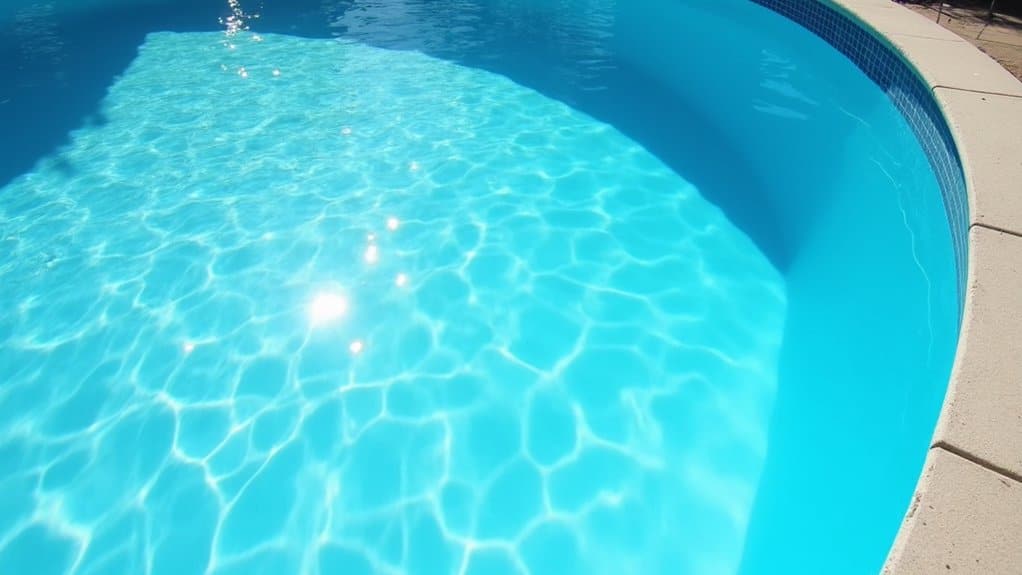
A single vinyl liner replacement typically costs between $4,000 and $8,000, depending on your pool’s size, shape, and local labor rates. Since most liners last roughly 7 to 12 years, you can expect to spend $10,000 to $32,000 on replacements over a 20-year ownership period. Factoring these cumulative expenses into your budget upfront helps you accurately compare a vinyl liner pool’s true cost against fiberglass and concrete alternatives.
Single Replacement Cost
A standard replacement quote generally covers:
- New vinyl liner material, sized and patterned to your pool’s dimensions
- Removal of the old liner and installation labor
- Pool refilling, which adds roughly $100 to $500 depending on water rates
- Chemical rebalancing, typically $50 to $150 after refilling
- Minor prep or repair work on walls or floor before installation
Scheduling replacement during the off-season can reduce labor costs in some markets.
Cumulative Lifetime Expenses
Understanding these cumulative expenses is central to evaluating vinyl pool pros and cons honestly. Your liner’s lifespan, typically 5 to 15 years, determines whether you’ll face two or four replacements over that 20-year window. Balanced water chemistry and consistent maintenance directly extend each liner’s service life, reducing your total replacement cycles. Larger or complex pools with benches, ledges, or freeform designs push each replacement higher. Budget for at least one future replacement when calculating true ownership cost.
What Does Vinyl Liner Pool Maintenance Look Like?
Keeping your vinyl liner pool in good shape requires consistent attention to water chemistry, surface cleaning, filtration, and seasonal care, but the routines aren’t complicated once you’ve established a schedule.
Vinyl liner maintenance isn’t complicated, it just takes a consistent schedule and attention to the basics.
Core vinyl liner maintenance tasks include:
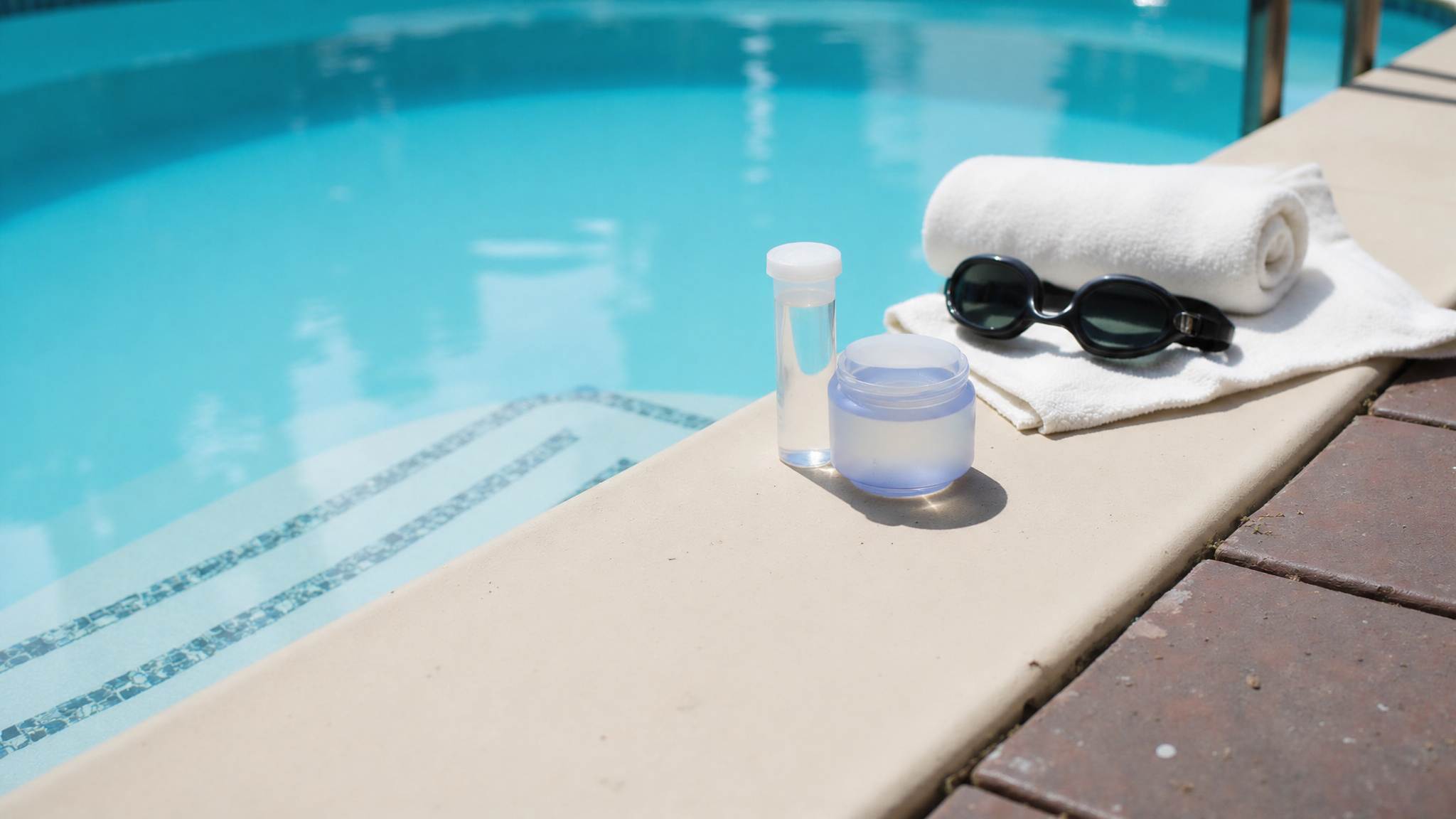
- Test water chemistry regularly, check pH and chlorine two to three times per week, total alkalinity weekly, and stabilizer and calcium hardness every few weeks.
- Brush surfaces with soft nylon brushes to prevent algae buildup on walls, floors, and corners.
- Vacuum weekly using a vinyl-safe cleaner and skim debris before it sinks and stains the liner.
- Run your pump after adding chemicals so sanitizers distribute evenly rather than settling on the liner.
- Winterize properly, clean, balance water, lower to the recommended level, and install a fitted winter cover.
What Colors, Patterns, and Shapes Can You Get?
Vinyl liner pools offer more visual variety than most homeowners expect, you’re not limited to a single shade of blue. Current vinyl liner offerings span color categories like Light & Tranquil, Rich & Vibrant, and Deep & Dramatic. You’ll find blues, grays, tans, and deep navy bases, with darker tones hiding wear better than lighter stock.
Pattern options include tiled borders, borderless designs, and stone or mosaic-inspired visuals. Your pool’s size and shape determine which patterns fit. Common mil thicknesses are 20 and 27 mil.
Shape families cover geometric, freeform, and plunge configurations, including rectangles, Grecian, Lazy-L, Lagoon, and more. Replacement liners match most existing layouts. When selecting, consider color stock, border style, and compatibility with your pool’s dimensions to guarantee proper fit and long-term appearance.
How Do Vinyl Liner Pools Compare to Concrete and Fiberglass?
Once you’ve narrowed down your preferred liner color, pattern, and shape, the next practical question is how a vinyl liner pool stacks up against concrete and fiberglass on cost, timeline, maintenance, and longevity. This inground pool options comparison highlights key differences:
Vinyl liner pools offer the best balance of affordability, customization, and reasonable installation time among inground pool options.
- Upfront cost: Vinyl liner pools start around $40,000, $70,000, making them among the most affordable inground pools. Fiberglass begins near $50,000, while concrete runs $60,000, $120,000+.
- Installation time: Vinyl takes 3, 6 weeks. Fiberglass installs in 2, 3 weeks. Concrete requires 3, 6 months.
- Maintenance: Vinyl needs moderate upkeep, less than concrete, more than fiberglass.
- Liner replacement: Expect a new liner every 5, 10 years at $4,000, $4,500.
- Design flexibility: Vinyl offers strong customization in shape, size, and depth, though concrete provides the widest range overall.
Who Should Choose a Vinyl Liner Pool?
So who’s the ideal candidate for a vinyl liner pool? You’ll find this option fits specific buyer profiles based on budget, design goals, and site conditions.
| Buyer Profile | Why Vinyl Works | Key Advantage |
|---|---|---|
| Budget-focused homeowners | Lower upfront cost than concrete or fiberglass | Maximum value per dollar |
| Design-flexible buyers | Custom shapes, sizes, and dozens of liner patterns | Tailored backyard layouts |
| Cold-climate properties | Strong freeze-thaw performance and high water table tolerance | Fewer site penalties |
If you prioritize comfort, vinyl’s smooth surface feels gentler on bare feet than concrete finishes, a practical benefit for families with children. Most vinyl liner pool reviews confirm that routine maintenance stays manageable when you maintain proper chemical balance. You’ll replace the liner every 7, 14 years, but that cost remains lower than resurfacing concrete.
Build the Perfect Pool With Trusted Experts
Choosing the right pool type is one of the biggest decisions you’ll make for your backyard, and the right team makes the entire process easier. At Cristallo Pools in Jupiter, FL, our award-winning team delivers expert New Pool Construction with craftsmanship, vision, and a personalized approach. Call +1 (561) 766-0353 today and start building the backyard of your dreams.
Frequently Asked Questions
Can You Install a Vinyl Liner Pool Yourself Without a Contractor?
You can install a vinyl liner pool yourself, but you’ll need strong construction skills and a pre-engineered pool kit. You’ll handle excavation, wall panel assembly, base prep, and liner fitting, each step demands precision. Most DIY builders still hire help for excavation and structural work. Liner installation alone requires at least three people, a shop vac, and careful alignment. For most homeowners, a partial DIY approach with professional support is the most realistic path.
Do Vinyl Liner Pools Affect Home Resale Value?
Inground vinyl liner pools typically add 5% to 8% to your home’s value nationally, though you’ll usually recover only 40% to 60% of installation cost at resale. You’ll see stronger returns in warm-climate markets where pools are common among comparable homes. A well-maintained pool with a current liner helps your home sell faster, while a neglected or dated pool can actually weaken buyer interest and reduce offers.
Can You Add a Hot Tub or Spa to a Vinyl Liner Pool?
Yes, you can add a hot tub or spa to a vinyl liner pool. You’ll choose between a standalone adjacent spa, a spillover spa, or a fully integrated built-in unit. Standalone options avoid major structural changes, while spillover and built-in spas require excavation, plumbing upgrades, and deck modifications. Expect to spend roughly $30,000 to $55,000 or more depending on complexity, site conditions, and equipment requirements.
Are Vinyl Liner Pools Safe for Dogs and Pets?
Vinyl liner pools can be safe for dogs, but you’ll need to take precautions. Pet claws can puncture or tear vinyl liners, especially during panicked scrambling. You should train your dog to enter and exit calmly, provide easy-access steps, and consider extra-thick liner options marketed for pet use. Keep fresh water nearby so dogs don’t drink chlorinated water, and plan for additional skimming and cleaning costs from fur and dirt.
How Long Does It Take to Install a Vinyl Liner Pool?
A new vinyl liner pool typically takes 4 to 8 weeks from excavation to swim-ready, though once the hole’s dug, you’ll often see water in 1 to 2 weeks. If you’re replacing an existing liner, a skilled crew can finish in about 6 hours. Permits, weather, pool shape, and contractor availability all affect your timeline, so you’ll want to factor scheduling variables into your project plan.