Vinyl liner pools give you the lowest upfront cost for an inground pool, typically $25,000 to $65,000, plus real design flexibility that fiberglass can’t match. You’ll enjoy a smooth, comfortable swimming surface that’s easy on skin. The tradeoff? You’re committing to liner replacements every 5 to 15 years, adding $20,000 to $30,000 over two decades. Resale value holds up if you maintain everything well. Understanding the full cost picture and maintenance demands will help you decide if this pool type fits your situation.
Why Vinyl Liner Pools Cost Less Upfront
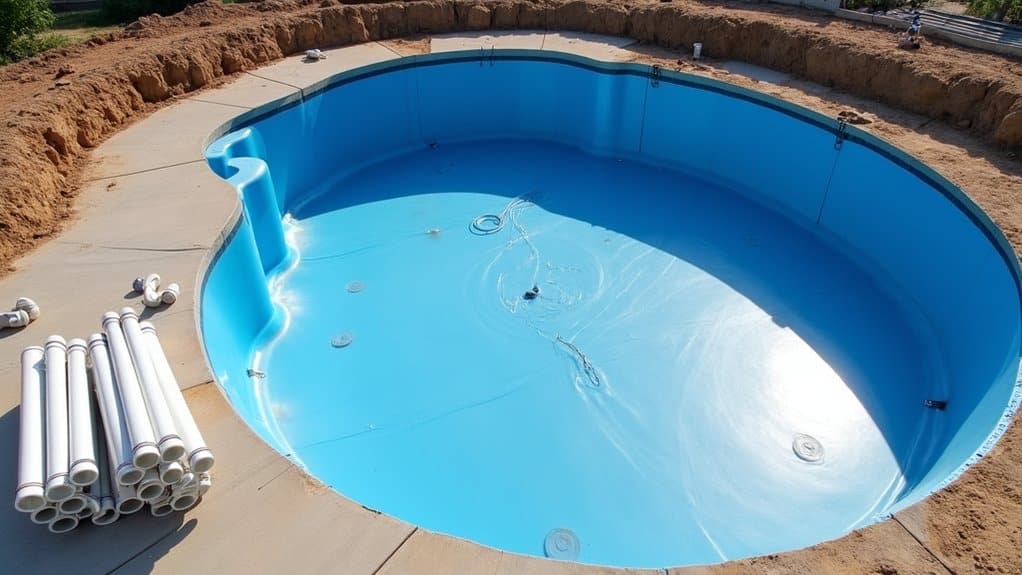
Because vinyl liner pools use a flexible membrane over a paneled or framed structure, they skip the expensive shell construction that drives up fiberglass and concrete pricing. That’s the core reason why vinyl liner pools cost less upfront, you’re paying for a simpler build process with fewer specialty finishing steps.
Current market estimates place vinyl liner installations between $25,000 and $65,000, while fiberglass pools often start at $85,000 or higher. Standardized base designs also keep engineering and labor costs lower, especially when you stay close to common dimensions around 300 to 400 square feet. Choosing a rectangular shape over a round or custom layout can reduce expenses further, since rectangular pools are cheaper to construct.
The tradeoff worth noting: lower initial costs come with eventual liner replacements every 5 to 15 years, typically running $2,000 to $8,000 per cycle.
Design Flexibility That Sets Vinyl Liner Pools Apart
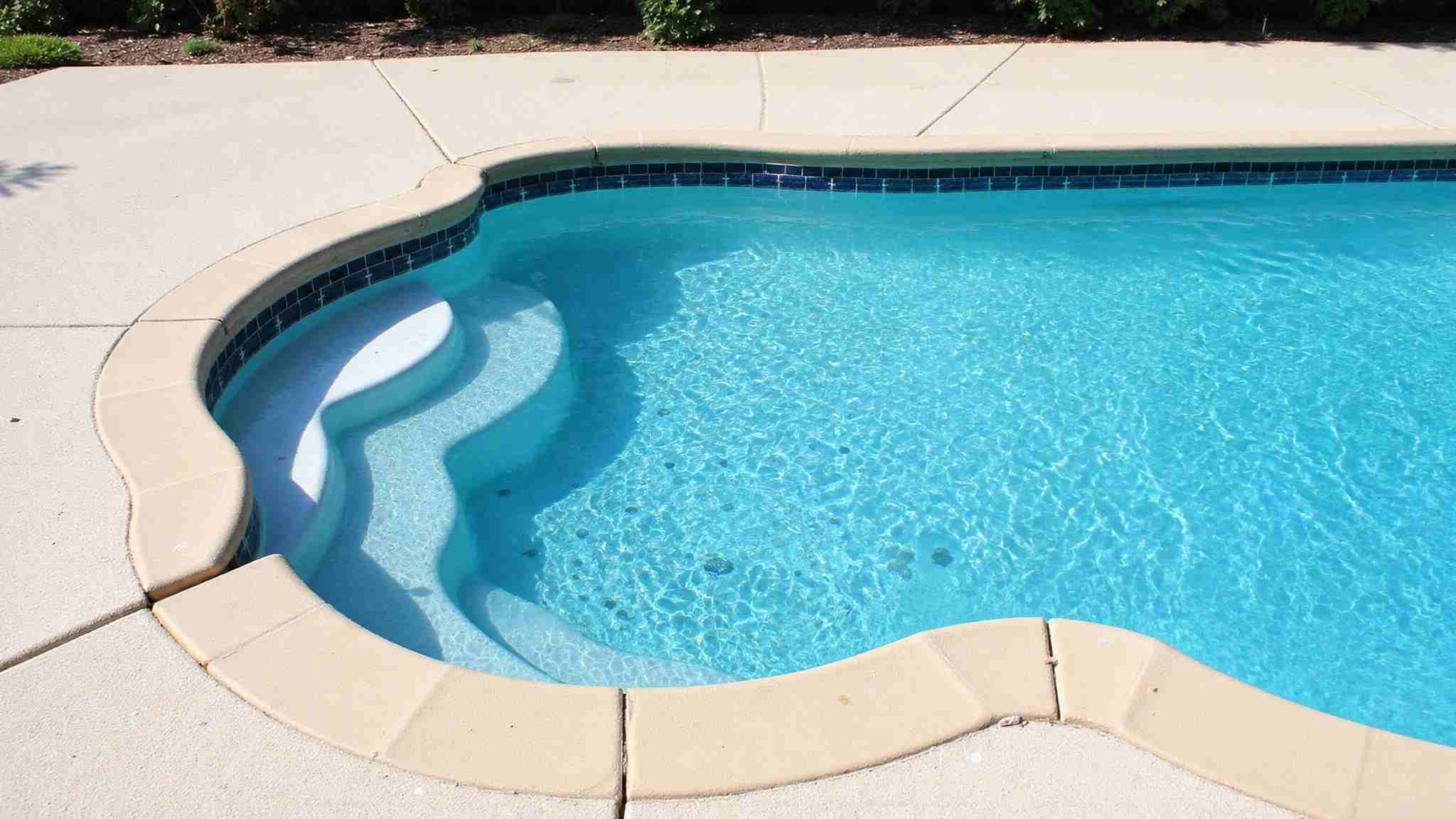
Vinyl liner pools let you choose custom shapes and sizes that aren’t limited by factory molds, so you can design around narrow lots, irregular yards, or specific depth preferences. That adaptability also means you can match the pool’s pattern and color to your home’s architecture and landscaping for a cohesive outdoor space. You can also integrate additional features like built-in steps and benches, seating areas, and waterfalls to enhance both comfort and visual interest. If your backyard presents unique challenges, vinyl construction offers practical solutions that rigid pool systems often can’t.
Custom Shapes And Sizes
Unlike fiberglass pools, which arrive as pre-manufactured shells in fixed dimensions, vinyl liner pools can be built in virtually any shape, size, or depth your yard and budget allow. Free-form designs, geometric layouts, and multi-depth configurations are all achievable, giving you control over custom shapes and sizes that match your space and lifestyle.
You can incorporate shallow lounging areas, deeper swimming zones, built-in benches, and tanning ledges without major structural compromises. This flexibility is a core advantage when weighing vinyl pool advantages and disadvantages against other construction types. Each pool is built with a concrete floor and polymer walls, providing the structural integrity needed to support these varied custom layouts.
The tradeoff is straightforward: greater customization depends on skilled installation and can increase project costs. Still, vinyl construction delivers meaningful design freedom at a lower starting price than concrete, making it a practical choice for homeowners who want a personalized pool without overextending their budget.
Unique Yard Solutions
Every backyard presents its own challenges, sloped grades, irregular lot lines, existing hardscape, tight setbacks, and vinyl liner pools handle these constraints well because they’re built on-site rather than dropped in as a pre-formed shell. Builders can adapt the excavation and wall system to work around retaining walls, existing patios, and unusual lot shapes.
This adaptability makes vinyl a practical affordable inground pool option for yards that wouldn’t easily accommodate a factory-molded fiberglass shell. You can align the pool with your landscape architecture, coordinate depth changes with surrounding grade variations, and integrate features like sun decks or sport bottoms without structural workarounds.
Keep in mind that complex site conditions can still increase costs. But compared to alternatives, vinyl construction gives you more room to solve yard-specific problems without abandoning your budget.
Pattern And Style Options
How much does the look of your pool interior actually matter? More than most buyers expect. Vinyl liners offer genuine pattern variety, stone, slate, mosaic, and granite-inspired designs that create an upscale appearance without tile or plaster costs.
Darker stock colors hide wear and scratches better over time, while lighter options produce a brighter, more vibrant water look. You’re not choosing just a surface, you’re shaping how the entire pool reads against your landscaping and hardscape.
Review installed photos rather than printed samples alone. Patterns shift visually once stretched across a full pool shape, and what looks sharp on a swatch may read differently at scale. Pair your aesthetic preference with thickness and durability considerations, since the design you love should also hold up through years of sun exposure and regular use.
What a Vinyl Liner Pool Feels Like to Swim In
When you step into a vinyl liner pool, the first thing you’ll notice is how smooth and soft the surface feels beneath your feet, a noticeable difference from the roughness of concrete or gunite finishes. That gentle texture means less skin irritation during extended swims, which makes vinyl a practical choice if you’ve got kids spending hours in the water. It’s one of those comfort advantages that doesn’t always show up in spec sheets but matters every time you’re in the pool.
Smooth, Soft Surface Feel
The surface feel of a vinyl liner pool is one of its clearest advantages over concrete and fiberglass alternatives. You’ll notice a smooth, cushioned feel underfoot that’s noticeably softer than plaster or fiberglass finishes.
- Less abrasive on skin, vinyl won’t scratch feet, knees, or hands during casual swimming and play
- Comfortable for extended use, standing, walking on steps, and resting against walls feels gentler than harder surfaces
- Family-friendly traction, newer liners often include a no-slip finish that balances softness with grip
Keep in mind that water chemistry directly affects how the surface feels over time. Unbalanced calcium or pH levels can cause scaling that makes the liner feel rough. With proper maintenance, you’ll preserve that original soft texture throughout the liner’s lifespan.
Gentle on Skin
Because vinyl liner pools lack the hard, textured finishes found in concrete and plaster construction, they’ll feel noticeably gentler against your skin during everyday swimming. This makes vinyl a practical choice for families with young children or less experienced swimmers who spend extended time in the water.
However, that smooth feel isn’t guaranteed forever. Among common vinyl pool maintenance issues, mineral scale buildup ranks high, when pH exceeds 7.6 or calcium climbs above 250 ppm, deposits can form on the liner surface, creating a gritty, sandpaper-like texture. This signals a water chemistry problem, not liner failure.
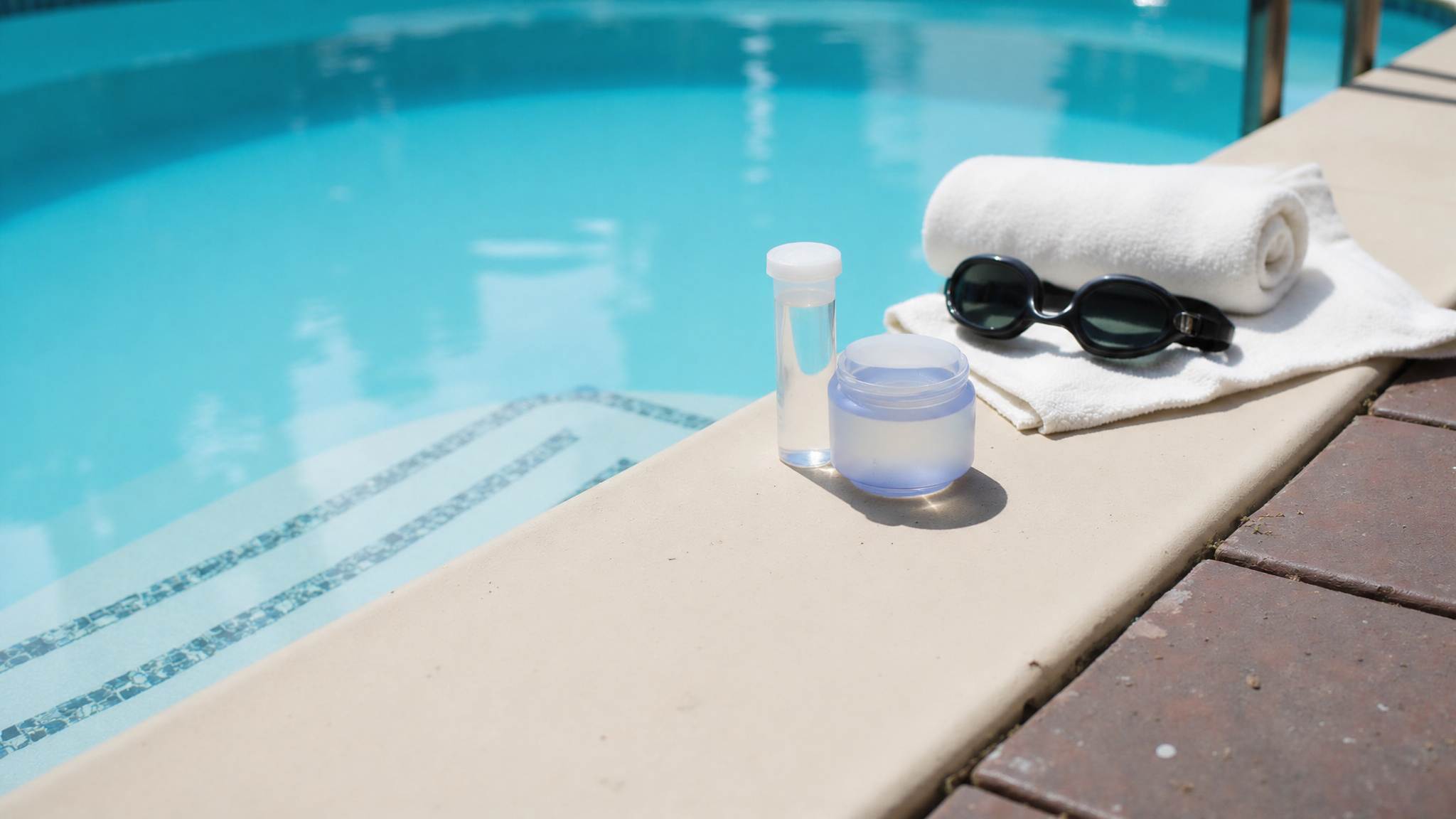
Regular testing and keeping calcium near 200 ppm, alkalinity at 80, 120 ppm, and pH between 7.2, 7.6 will help preserve the comfortable surface that makes vinyl pools appealing in the first place.
Comfort for Families
Unlike concrete or plaster pools, which can feel rough and abrasive against bare skin, a vinyl liner pool offers a smooth, non-porous surface that’s noticeably softer underfoot.
This matters most when you’re evaluating comfort for families with active kids. The forgiving liner surface reduces scrapes during play near walls, steps, and shallow areas.
Key comfort advantages include:
- Softer contact surfaces that feel less harsh during frequent entry, exit, and edge contact
- Flexible construction that creates a less rigid swimming environment than masonry shells
- Custom depth options that support shallow play zones alongside open swim space
Keep in mind that vinyl isn’t puncture-proof. Sharp toys or rough objects can damage the liner, so you’ll want to set basic pool rules early.
Vinyl Liner Pool Maintenance: What to Expect Week to Week
Owning a vinyl liner pool means committing to a consistent weekly maintenance routine that protects both your investment and your liner’s lifespan. Understanding vinyl liner pool maintenance requirements upfront helps you budget both time and money realistically.
Each week, you’ll cycle through three core categories:
| Task Category | Frequency | Why It Matters |
|---|---|---|
| Skim, brush, and vacuum surfaces | Daily to weekly | Prevents algae attachment and liner staining |
| Test and balance water chemistry | Weekly | Keeps pH at 7.2, 7.6 to avoid premature liner deterioration |
| Inspect filter, pump, and liner | Weekly | Catches tears, leaks, or pressure issues early |
You’ll also want to clean skimmer and pump baskets after shutting off the pump and verify jet pressure stays consistent. Prompt attention to small liner damage prevents costly repairs later.
Liner Replacement Costs You Can’t Avoid
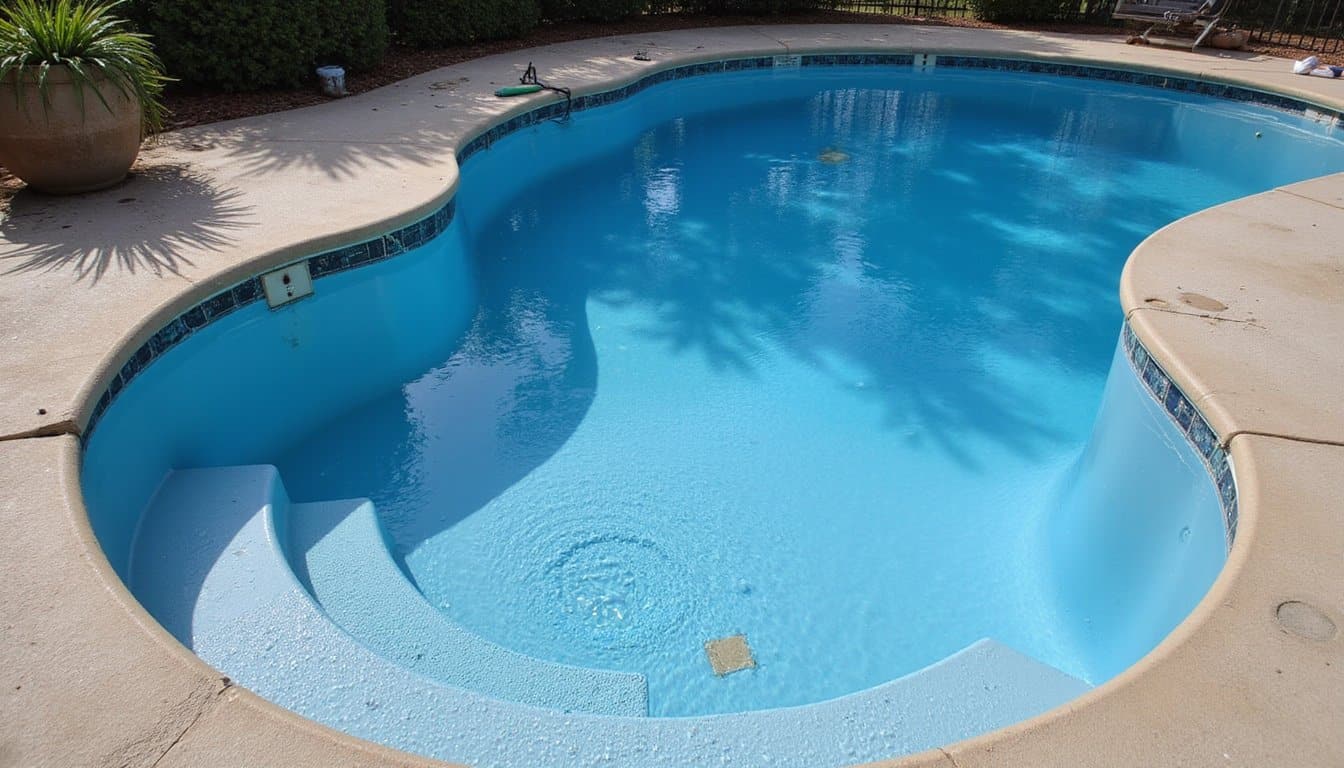
No matter how well you maintain your vinyl liner, replacement isn’t a question of *if*, it’s a question of *when*. Most liners last 7 to 12 years, and liner replacement costs typically range from $3,000 to $8,000 depending on your pool’s size and complexity.
Budget for these recurring factors:
- Pool size and shape, Larger or freeform pools require more material and labor, pushing costs higher than simple rectangular designs
- Add-on expenses, Draining, refilling ($100, $500), and rebalancing chemicals ($50, $150) aren’t included in every quote
- Cumulative impact, Over 20 years, repeated replacements can add $20,000 to $30,000 to your total ownership cost
Scheduling replacement during fall or winter may reduce labor charges. Either way, this expense belongs in your long-term budget from day one.
Vinyl Liner Pools vs. Fiberglass and Concrete
When you’re comparing vinyl liner pools to fiberglass and concrete, the right choice depends on how you weigh upfront cost against long-term maintenance, design flexibility, and installation timeline.
Vinyl typically costs $40,000, $70,000, while concrete often exceeds $80,000, $120,000+. Fiberglass falls between. Installation follows a similar pattern: fiberglass takes roughly 2, 3 weeks, vinyl 6, 10 weeks, and concrete 3, 5 months.
Concrete offers the greatest design freedom, infinity edges, grottos, swim-up bars. Vinyl provides strong customization without that premium price. Fiberglass is limited to pre-molded shapes.
Understanding vinyl pool pros and cons means accepting liner replacements every 5, 10 years, while fiberglass demands less maintenance overall and concrete requires periodic resurfacing. Each option carries distinct tradeoffs, so your budget, timeline, and long-term ownership plans should guide the decision.
Do Vinyl Liner Pools Hurt Your Home’s Resale Value?
Beyond comparing pool types, many homeowners wonder whether a vinyl liner pool will help or hurt their home’s resale value. Generally, inground pools add roughly 5% to 8% to home value, and vinyl liners don’t automatically diminish that lift.
What matters most to buyers:
- Pool condition, a newer, clean liner reads as a refreshed amenity, while a wrinkled or faded one raises concerns
- Location, warm-climate, family-friendly neighborhoods reward pool ownership more than colder markets
- Maintenance documentation, records showing proper care reduce buyer hesitation about hidden costs
Some buyers ask do vinyl liners tear easily, which can create slight skepticism compared to fiberglass or concrete. However, a well-maintained vinyl pool typically returns 40% to 60% of installation cost, and its lower upfront price makes that math more manageable.
Who Should and Shouldn’t Pick a Vinyl Liner Pool?
Every pool type suits some homeowners better than others, and vinyl liner pools are no exception. You’re a strong candidate if you’re working within a tighter budget, want a custom shape, or live in a cold climate with high groundwater. The smooth, non-porous surface also suits families wanting comfort and lower algae risk.
You’re not the best fit if vinyl liner durability concerns weigh heavily on your decision. Liners need replacement roughly every 5, 9 years, and warranties are often heavily pro-rated. If you prioritize a permanent interior finish or dislike planned maintenance cycles, fiberglass or concrete may serve you better.
The honest answer: vinyl works well when you accept periodic replacement as part of ownership rather than viewing it as a dealbreaker.
Call Today and Design a Pool Made for You
From concept to completion, building a custom pool deserves a builder who treats your vision with care and attention to detail. At Cristallo Pools in Jupiter, FL, our skilled team provides trusted New Pool Construction built around your lifestyle and outdoor space. Call +1 (561) 766-0353 today and turn your backyard into a private retreat.
Frequently Asked Questions
Can You Add a Saltwater System to a Vinyl Liner Pool?
Yes, you can add a saltwater system to a vinyl liner pool. Vinyl liners resist salt damage well, so compatibility usually isn’t the concern, it’s your metal components. You’ll want corrosion-resistant handrails, ladders, and fittings, along with proper bonding and a sacrificial anode. You’ll also need to budget for salt cell replacement every 3, 7 years. When you plan for these details upfront, saltwater and vinyl work well together.
How Long Does It Take to Replace a Vinyl Pool Liner?
Most professional crews complete the actual liner installation in 1 to 3 days, though you should plan for a longer overall timeline. Measuring, ordering, and manufacturing the liner typically adds 1 to 2 weeks before work begins. Pool size, weather, additional features, and prep work, like draining, cleaning, and repairing the base, all influence the schedule. You’ll get the best results scheduling during a stretch of clear, warm weather.
Can Pets Safely Swim in a Vinyl Liner Pool Without Damage?
Pets can swim in a vinyl liner pool, but you’ll need to take precautions. Claws can puncture or tear the liner, especially if your pet panics or scrambles against walls. You should trim nails regularly, teach calm entry and exit habits, and provide stairs or a ramp for safe access. If you’re planning frequent pet swimming, you might want to contemplate fiberglass, which handles claws more durably.
Do Vinyl Liner Pools Work Well in Very Cold Climates?
Yes, vinyl liner pools can perform well in very cold climates. The flexible liner and wall system accommodate freeze-thaw movement better than rigid concrete, and you’ll typically spend less upfront. However, extreme cold can make liners brittle, increasing crack and tear risk. Proper winterization is essential, poor seasonal closing shortens liner life considerably. If you invest in correct drainage, groundwater management, and professional winterization, you’ll get strong long-term performance even in harsh winters.
Can You Convert a Vinyl Liner Pool to Fiberglass Later?
Yes, you can convert a vinyl liner pool to fiberglass. The process involves removing the existing liner, preparing the shell, and installing a fiberglass interior over the structure. It’s a major renovation, typically costing $50,000, $65,000, with on-site work taking roughly 3, 7 days. You’ll want a professional assessment first, since your pool’s shape, depth, and structural condition will determine whether conversion is feasible.